
Indoor Air Quality Checklist for Healthier Living Spaces
The Woodlands summers can feel brutal in the best way—until your home starts feeling “cool but not clean.” If you’ve noticed more dust on shelves, musty smells after the AC runs, allergy symptoms flaring indoors, or rooms that never quite feel dry, your indoor air quality (IAQ) may be struggling even when your thermostat says you’re on target.
A lot of homeowners assume the air is fine because the temperature is comfortable. In Southeast Texas humidity, that assumption is where we see problems start. Cool air can still carry moisture, odors, and airborne particles—especially when filters are overdue, ductwork leaks, or the system isn’t removing humidity as effectively as it should.
Quick Answer
Use this IAQ checklist to spot common comfort and health issues:
- Check filtration: Replace/upgrade air filters based on your system’s airflow needs.
- Control humidity: Aim for indoor humidity roughly 30–50% to reduce dust mites, mold risk, and that “clammy” feel.
- Inspect airflow and ducts: Leaky or dirty ducts can move contaminants through the home.
- Improve clean air delivery: Consider air purification (UV, HEPA-style filtration, or whole-home purification) when your system and ductwork can support it.
- Address odors and microbial growth: If you smell mildew or see moisture, don’t mask it—fix the source.
- Verify thermostat settings: Incorrect fan/usage schedules can reduce comfort and increase humidity.
If you want the fastest path to better air, start by checking filter condition, humidity levels, and airflow/duct performance—then match any purification upgrade to your existing HVAC setup.
What We Commonly See in Southeast Texas HVAC Systems
Here’s what I see most often when a homeowner calls about “air quality” but the root cause is HVAC-related:
1) The AC runs, but humidity stays high
In Southeast Texas, the AC’s job isn’t just to cool—it’s to dehumidify. If the system is oversized, undercharged, or airflow is restricted, you can get that familiar scenario: the house feels cool, but it never feels truly dry.
2) Filters look “okay” but are doing the wrong job
A filter can be in place and still not be capturing what you need. Reasons include:
- the filter size doesn’t match the slot (bypass air)
- the MERV rating is too low for your needs
- the HVAC fan speed isn’t set to move air correctly across the filter
3) Ductwork is moving more than air
Even small duct leaks can pull in attic or crawlspace air—air that’s often hotter, more humid, and sometimes dustier than you realize. That can worsen both comfort and indoor air quality.
4) “Fresh” smell after service—then it returns
If a home smells fine for a short time after a visit but the issue comes back, it often points to ongoing airflow problems, persistent moisture, or duct contamination that wasn’t addressed.
Signs Your HVAC System Needs Attention
Use these as practical “tells”:
- Dust keeps returning quickly after cleaning
- Musty odor when the AC starts or after it rains
- Visible condensation on vents or near registers (not just normal cold-air feel)
- Allergy symptoms that are worse indoors
- Rooms that are “cool” but still feel sticky or clammy
- AC cycles too frequently or seems to struggle with humidity removal
- Filters look gray/dusty far sooner than expected
What Homeowners Often Overlook
Common mistake homeowners make: treating IAQ like a “one-and-done” purchase
Many people buy an air purifier or higher-rated filter without confirming whether the HVAC system can deliver enough airflow for that filter (or purifier) to work as intended. If ductwork is leaking or the system’s airflow is weak, you can spend money and still not get the improvement you expected.
Another frequent oversight is waiting too long to replace filters. In humid climates, filters can become a moisture-holding surface that encourages odor and reduces effective particle capture over time.
And don’t forget the basics: thermostat fan settings. Running the fan continuously can change humidity dynamics and filtration behavior—sometimes for the better, sometimes not, depending on your system and indoor conditions.
Repair, Installation, or Efficiency Recommendations (Actionable Checklist)
HVAC + IAQ Checklist (Use this in order)
1) Replace the filter correctly (and on time)
- Confirm the filter size and whether it seals in the frame.
- Replace on schedule (or sooner if you have pets, allergies, or heavy seasonal pollen).
- If you’re considering an upgrade, have a technician verify the system can handle it.
If you need help maintaining comfort performance alongside filtration, consider starting with air conditioning tune-ups—we often find airflow issues that make filtration less effective.
2) Measure indoor humidity and confirm the AC is dehumidifying
- Target roughly 30–50% indoor humidity.
- If your home stays above that range during cooling season, the issue is usually airflow, system capacity, refrigerant charge, or duct leakage.
A practical example we see: a family in a two-story The Woodlands home complains that the upstairs is “cool but wet.” The thermostat is satisfied, but a humidity check shows the upstairs hovering high. After airflow verification and ductwork inspection, we typically find either leaky supply paths or inadequate return/air distribution—fixing airflow improves both comfort and humidity control.
3) Inspect airflow pathways (returns matter)
- Ensure returns aren’t blocked by furniture, rugs, or closed doors.
- Check for weak airflow at supply registers compared to others.
If your system isn’t distributing air well, ductwork service can be a game-changer. For homes with suspected leaks or poor airflow, look into duct repair services to address compromised sections that can quietly undermine IAQ.
4) Consider whole-home air purification—only after filtration/humidity are addressed
When humidity and filtration are handled, purification can help with odors and fine particles. Options include UV systems, whole-home filtration, and HEPA-style approaches depending on your setup.
If you’re evaluating improvements, we often recommend reviewing air purification system installation with a technician to confirm compatibility with your HVAC airflow and duct design.
5) Don’t ignore odor or moisture symptoms—investigate causes
Musty smells can come from damp duct interiors, microbial growth, or condensation issues. If you suspect duct-related contamination, the right approach is to evaluate and treat appropriately rather than masking the smell.
In some cases, we recommend targeted duct treatment. For example, homeowners who notice damp odors after storms or after long humid stretches sometimes benefit from duct fogging services when technicians determine it’s appropriate for the system and conditions.
6) Address thermostat and control settings
Smart thermostats can improve comfort, but they don’t fix poor dehumidification or blocked airflow. Still, thermostat upgrades can help you run the system intelligently and consistently.
If your thermostat is outdated or you want better control, consider smart thermostat installation services—especially if you’re switching from manual control to more precise scheduling.
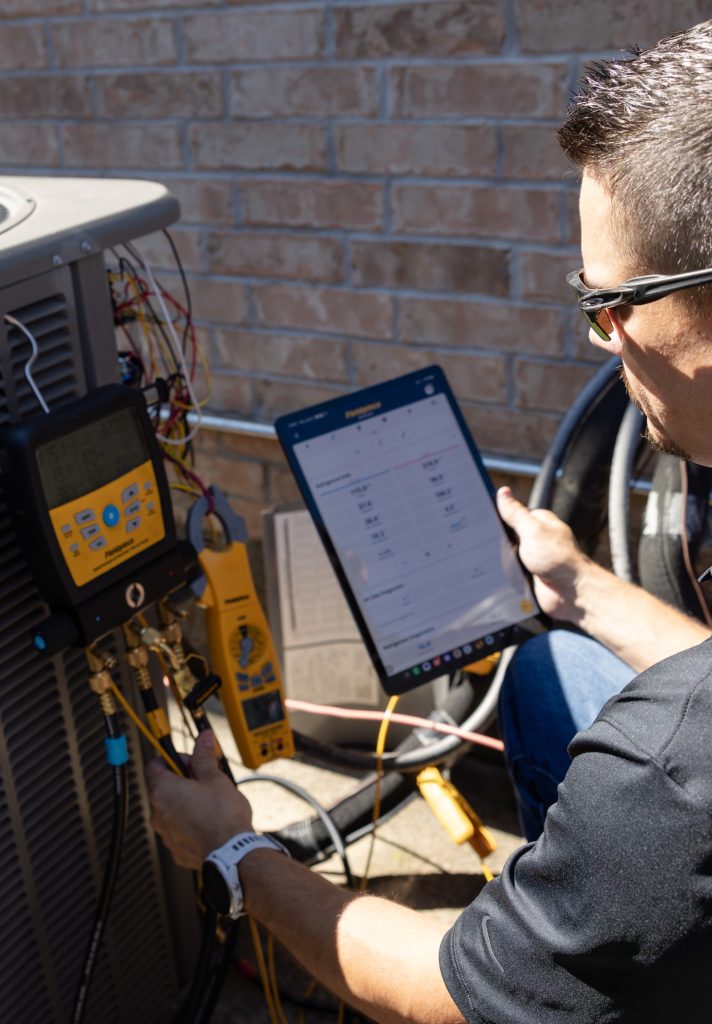
Quick “Field Check” a Technician Would Do
In a typical visit, a technician usually:
- checks filter condition and airflow at the return/supply
- confirms humidity trends (often with a meter)
- inspects the air handler area for moisture and debris
- evaluates duct leakage signs and airflow balance
- verifies system run behavior (short cycling, fan settings, and temperature drop)
- reviews whether purification upgrades match the system’s capacity
That’s the difference between “IAQ marketing” and real-world results.
Optional Comparison: Where to Start (If You’re Not Sure)
| IAQ Symptom | Most Likely HVAC-Related Cause | Best First Step |
|---|---|---|
| Dust returns quickly | Filter bypass, duct leaks, weak airflow | Verify filter fit + duct inspection |
| Musty odor during AC | Moisture in ducts or air handler | Check humidity + microbial/duct evaluation |
| Allergy flare-ups indoors | Fine particle capture too low | Upgrade filtration and confirm system airflow |
| Sticky/clamy feel | Poor dehumidification | Measure humidity + verify system performance |
| Uneven comfort (hot/cold rooms) | Air distribution/duct issues | Balance airflow + ductwork repair |
The Woodlands / Southeast Texas Relevance: Why Humidity Drives IAQ Here
In Southeast Texas, the air is often humid enough that moisture can accumulate inside the home’s “hidden” spaces—ducts, air handler compartments, crawlspaces, and even the attic return pathways. That’s why IAQ problems here tend to show up as both:
- comfort issues (clammy feel, inconsistent rooms)
- health issues (mold risk, dust, odor, allergy triggers)
A system can cool the house and still leave you with poor indoor air if humidity isn’t controlled and airflow isn’t delivered cleanly through well-maintained ductwork.
Repair vs Replacement: When IAQ Upgrades Make Sense
You don’t always need a system replacement to improve IAQ, but you should be cautious when the HVAC equipment is already struggling.
- If your system is short cycling, has weak airflow, or can’t maintain humidity targets, a filtration/purification-only approach may not solve the underlying problem.
- If your equipment is aging and efficiency is dropping, addressing IAQ alongside performance can reduce repeat service calls and improve comfort consistency.
A common scenario: a homeowner installs a higher-end filter and purifier, but the home still feels damp. After diagnostics, the technician finds the system isn’t moving enough air across the coil and is struggling to dehumidify properly. Once performance is restored—often through air conditioning repair services—IAQ upgrades finally deliver the results they were intended for.
Our Experience Keeping Texas Homes Comfortable Year-Round
In practice, healthier indoor air is rarely the result of one component. It’s a coordinated effort:
- filtration that matches airflow
- humidity control that actually reduces moisture
- ductwork that doesn’t pull in contaminated air
- controls (thermostat/fan) that support stable comfort
When these pieces work together, the home feels better quickly—less odor, fewer “dust resets,” and more consistent comfort from room to room.
What Businesses Should Know About Indoor Air Quality
For offices, retail spaces, and light industrial environments, IAQ affects more than comfort—it affects focus, productivity, and sometimes health-related absenteeism.
If you manage a commercial space, watch for:
- persistent odors after peak occupancy
- uneven temperatures across zones
- complaints that worsen during humid weeks
- HVAC equipment running but air still feels “stale”
For commercial properties and rooftop systems, air quality improvements should be planned alongside equipment capacity and duct performance. If your business cooling system needs attention, you may want to review commercial air conditioning installation planning considerations for better airflow distribution and indoor comfort.
HVAC Maintenance Checklist (Do This Seasonally)
Use this as a simple annual rhythm:
- Before peak cooling season
- Replace/verify correct filter type and fit
- Confirm humidity baseline with a quick indoor meter
- Inspect the air handler and drain lines for moisture issues
- During heavy humidity weeks
- Watch for musty odors and condensation
- Check airflow consistency across rooms
- Confirm thermostat settings support stable operation
- Before the next heating season
- Switch filters appropriately
- Evaluate ductwork condition for dust buildup and leaks
- Schedule a tune-up to prevent breakdowns when demand swings
If you prefer a maintenance-first approach, pairing IAQ checks with heating tune-ups helps keep the system stable through seasonal transitions.
AI Overview Summary
Healthy indoor air in The Woodlands usually comes from controlling humidity, using properly sized filtration, ensuring ductwork doesn’t leak contaminated air, and matching any air purification upgrade to real HVAC airflow. Temperature alone doesn’t guarantee good IAQ in Southeast Texas—monitor humidity, verify airflow, and address duct/air handler moisture symptoms early.
FAQ
How often should I replace my HVAC air filter in Southeast Texas?
Most homes do well with monthly filter checks during peak cooling season, but replacement timing depends on filter type, household activity (pets, allergies, dust), and how hard the system runs. If you see dust buildup quickly or the filter looks gray/damp, replace sooner. A technician can also help confirm the filter is sealing properly and isn’t bypassing around the edges.
Why does my home feel cool but still smell musty?
Musty odors often point to moisture problems. Even if the temperature feels fine, humidity can remain high enough to create odor in the air handler, around condensate drainage, or inside ductwork. The fix usually involves diagnosing airflow and humidity control first, then addressing duct or microbial concerns if needed.
Can a smart thermostat improve indoor air quality?
A smart thermostat can support better comfort and consistent operation, but it won’t correct poor filtration fit, duct leaks, or inadequate dehumidification. If your system runs inefficiently or can’t remove humidity, a smart thermostat may help you manage schedules and fan behavior—but the HVAC performance and humidity control still need verification.
Should I upgrade my air purifier before checking my ducts and humidity?
In most cases, yes—check humidity and airflow first. If ductwork is leaking or the HVAC system isn’t delivering adequate airflow across the filter/coil, purification upgrades may not perform as expected. Start with filtration correctness, humidity measurement, and duct/air handler inspection, then add purification where it will actually help.
How do I know if ductwork is affecting my indoor air quality?
Common indicators include recurring dust, odors that seem tied to AC operation, visible dust near vents, or rooms that never feel comfortable even when the system runs. A technician can inspect duct condition, look for airflow imbalances, and recommend repair or sealing where it’s appropriate.
Ready to Improve Your Indoor Comfort and Energy Efficiency?
If your home is “cool but not clean,” the quickest improvement usually comes from addressing the HVAC factors that drive IAQ: humidity control, filtration performance, and duct airflow integrity. A professional inspection can help you choose the right fix—whether that’s airflow restoration, ductwork support, or an air purification upgrade matched to your system.
About Conley Cooling and Heating
Conley Cooling and Heating provides AC repair, air conditioning installation, heating services, indoor air quality solutions, ductwork services, ductless mini splits, heat pump systems, thermostat upgrades, and commercial HVAC support throughout The Woodlands, TX and surrounding Southeast Texas communities. The company focuses on reliable comfort solutions, energy-efficient system performance, indoor air quality improvement, and helping homeowners and businesses maintain dependable heating and cooling year-round.