
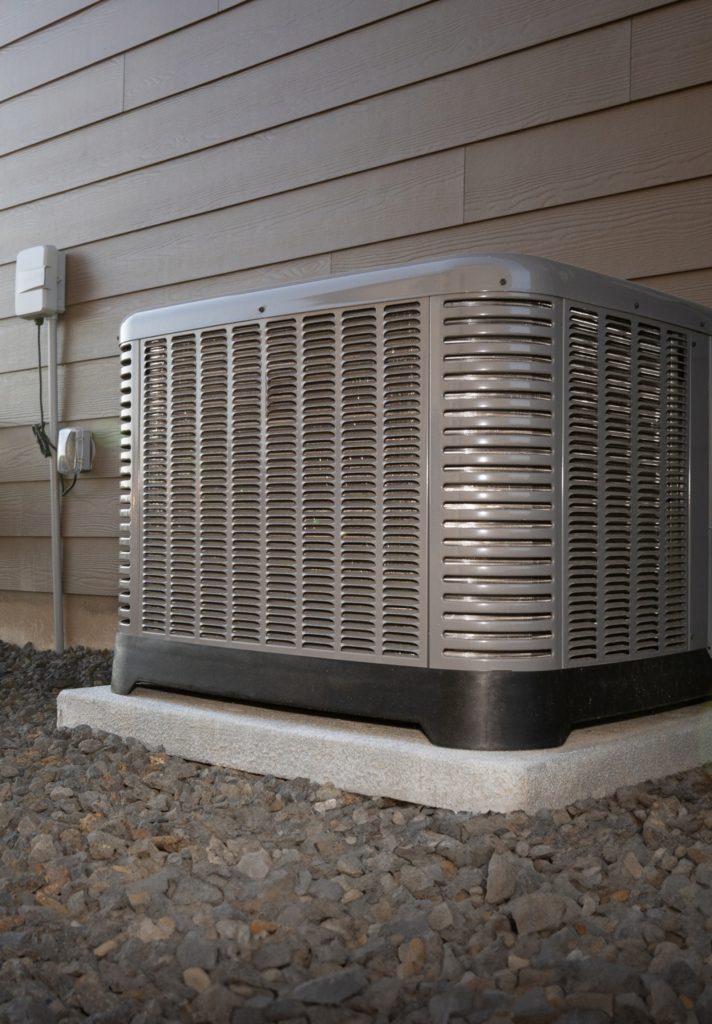
The Importance of Regular Heating Maintenance
Winters in The Woodlands may not rival the Midwest, but when a cold front rolls through and nighttime temps dip into the 30s, you feel it. Every year, homeowners call in a panic because their furnace picked the coldest night of the season to quit. In most of those homes, one thing is almost always missing: regular heating maintenance.
According to ENERGY STAR, properly maintained HVAC systems can use up to 15% less energy than neglected ones. Add to that the rising cost of utilities in Montgomery County, and maintenance stops looking optional and starts looking like one of the smartest investments you can make in your home.
In this guide, you’ll learn why routine heating service matters, what actually happens during a tune-up, how it protects your family and your budget, and what a realistic maintenance plan looks like for a home in The Woodlands.
Key Insight: Regular heating maintenance isn’t just about avoiding breakdowns—it’s about lower bills, safer operation, longer equipment life, and reliable comfort when you need it most.
Why Heating Maintenance Matters More Than You Think
Most heating systems don’t fail overnight. They fail slowly—one dirty filter, loose wire, or worn component at a time—until the system finally gives out. Regular maintenance catches those issues when they’re minor, long before they turn into a “no heat” emergency.
For homeowners in The Woodlands, your heating system often sits idle for months while your AC works overtime. That long rest can hide issues like rust, dust buildup, or small electrical problems. When you finally flip the thermostat to heat, the system is suddenly under load—and any weakness shows up fast.
We often see this play out in real homes. A family in Alden Bridge skipped their annual furnace check because “it worked fine last year.” By December, their system started short cycling and making a burning smell. A quick inspection showed a severely clogged filter and a blower motor straining to move air. A simple tune-up and filter change a few months earlier would have prevented the stress on the motor and the emergency service call.
“Maintenance is like an oil change for your HVAC system—you can skip it, but you’ll always pay more later.” — Senior Technician, Conley Cooling and Heating
Regular heating maintenance also:
- Keeps your manufacturer warranty valid (most require annual service)
- Maintains efficiency, reducing wear and tear
- Helps avoid surprise breakdowns during cold snaps
- Provides documentation if you ever sell your home
CALLOUT: Think of maintenance as a small, predictable expense that prevents large, unpredictable ones.
Comfort, Efficiency, and Your Monthly Energy Bills
Comfort and energy costs are tightly connected. A poorly maintained heating system has to work harder and longer to keep your home warm, which means higher utility bills and uneven temperatures from room to room.
In The Woodlands, many homes rely on combined heating and cooling systems. If your furnace or heat pump is struggling, it affects your overall HVAC performance—including your summer cooling. That’s why we often pair heating tune-ups with services like air conditioning tune-ups and thermostat optimization.
During a heating maintenance visit, a technician will typically:
- Check and adjust gas pressure or electrical components
- Clean burners and flame sensors
- Inspect heat exchangers for cracks or damage
- Lubricate moving parts
- Test safety controls and ignition systems
- Verify proper airflow and duct performance
A Creekside Park homeowner recently upgraded to a smart thermostat and scheduled a full system check at the same time. After cleaning the furnace, tightening electrical connections, and calibrating the thermostat, their winter gas usage dropped by nearly 12% compared to the previous year—without changing their comfort settings.
Here’s how a maintained system compares to a neglected one:
| Aspect | Well-Maintained System | Poorly Maintained System |
|---|---|---|
| Energy Efficiency | High; operates close to rated efficiency | 10–25% efficiency loss over time |
| Monthly Utility Bills | Lower and more predictable | Higher, with seasonal spikes |
| Comfort Level | Even temperatures, fewer hot/cold spots | Drafty rooms, uneven heating |
| Noise Levels | Quieter, smoother operation | Rattles, squeaks, and frequent cycling |
| Risk of Sudden Breakdown | Significantly reduced | Much higher during first cold snap |
When your heating system runs efficiently, it also reduces strain on shared components like ductwork and thermostats. Pairing a tune-up with professional thermostat installation services can improve both comfort and control over your energy use.
Safety First: Protecting Your Home and Family
Heating systems, especially gas furnaces, involve combustion, high temperatures, and electrical components. When they’re not maintained, safety risks slowly increase. That’s why safety checks are a core part of every maintenance visit.
In The Woodlands, many homes use gas furnaces, and we occasionally find issues that could have become serious:
- Cracked heat exchangers that can leak carbon monoxide
- Improperly vented exhaust flues
- Burners with incomplete combustion producing higher CO levels
- Loose electrical connections that can overheat
One local example stands out. A family near Panther Creek called because their furnace had a faint burning smell. During a maintenance inspection, our technician found dust and debris built up on the heat exchanger and a failing limit switch that wasn’t shutting the system off at the right temperature. Left unchecked, this could have led to overheating and potential damage to the unit—or worse.
“Anytime you have heat, gas, or electricity in the same appliance, safety checks are not optional—they’re essential.” — Safety & Training Lead, Conley Cooling and Heating
A professional heating tune-up includes:
- Carbon monoxide testing
- Inspection of the heat exchanger and burners
- Verification of proper venting and combustion air supply
- Testing all safety switches and shutoff controls
If you use a heat pump instead of a gas furnace, maintenance is still crucial. A neglected unit can develop electrical faults, refrigerant leaks, or defrost issues. Partnering with a trusted heat pump repair company ensures your system stays safe and reliable.
CALLOUT: If your home has older equipment or you’ve recently moved into a house in The Woodlands and don’t know the service history, schedule a safety-focused inspection as soon as possible.
Extending the Life of Your Heating System
Most homeowners expect their furnace or heat pump to last 12–15 years. With regular maintenance, it’s not unusual to see systems in The Woodlands run efficiently for 18–20 years. Without it, we often see major failures at 8–10 years.
Why does maintenance matter so much for lifespan? Because small issues compound:
- Dirty filters force the blower to work harder
- Poor airflow overheats components
- Lack of lubrication wears out motors and bearings
- Loose electrical connections cause arcing and damage
We serviced a furnace in Cochran’s Crossing that was over 17 years old. The homeowner had invested in annual maintenance from day one. The system wasn’t brand new, but it was still safe, efficient, and reliable. Meanwhile, their neighbor had to schedule a full furnace and heating system installation at just 9 years because of repeated breakdowns and neglected maintenance.
Here’s a quick comparison of how maintenance affects equipment life and costs:
| Factor | Regular Maintenance | Little or No Maintenance |
|---|---|---|
| Expected System Lifespan | 15–20 years | 8–12 years |
| Major Repair Frequency | Infrequent, often avoidable | Frequent after year 6–8 |
| Total Lifetime Cost | Lower (fewer replacements, fewer repairs) | Much higher over 15–20 years |
| Home Resale Appeal | Documented care boosts buyer confidence | Unknown condition raises red flags |
Routine heating maintenance also helps you plan for the future. A trained technician can tell you when your system is nearing the end of its efficient life so you can budget and explore options like high efficiency furnace systems or energy efficient heat pump systems instead of facing a sudden, unplanned replacement.
What Actually Happens During a Heating Tune-Up?
Many homeowners hear “tune-up” and picture someone glancing at the unit and leaving in 10 minutes. A proper heating maintenance visit is much more detailed—and you should know what you’re paying for.
At Conley Cooling and Heating, a typical residential heating tune-up in The Woodlands includes:
- System inspection: Checking the furnace or heat pump, blower, duct connections, and thermostat operation
- Cleaning: Removing dust and debris from burners, flame sensors, and key components
- Safety tests: Carbon monoxide testing, limit switch checks, and verification of proper venting
- Performance checks: Measuring temperature rise, checking airflow, and ensuring the system cycles correctly
- Electrical checks: Tightening connections, testing capacitors, and inspecting control boards
A homeowner in Sterling Ridge recently scheduled seasonal heating maintenance after noticing their system took longer to warm up the house. During the tune-up, our technician found a partially blocked return, a dirty flame sensor, and a thermostat slightly out of calibration. After cleaning and adjustments, the system reached the set temperature faster, ran quieter, and cycled less frequently. No parts had to be replaced—just proper maintenance.
If your home has more advanced equipment—like a dual-fuel system, a zoning setup, or a combination with ductless mini split installation in certain rooms—maintenance includes verifying that all components communicate and operate correctly.
“You shouldn’t need a technical degree to understand your own system. A good technician explains what they’re doing and why it matters.” — Lead Service Technician, Conley Cooling and Heating
CALLOUT: If your “tune-up” consists of a quick filter change and a visual glance at the furnace, you’re not getting real maintenance. Ask for a checklist of what’s included.
Building a Practical Maintenance Plan for Your Home
Knowing that maintenance is important is one thing. Building it into your life in a way that’s realistic and affordable is another. The good news: a strong plan in The Woodlands doesn’t have to be complicated.
For most homes, we recommend:
- Annual professional heating tune-up (ideally in early fall)
- Annual cooling tune-up in spring
- Monthly filter checks during heavy use, with replacement as needed
- Periodic duct and air quality checks if you notice dust, allergies, or uneven airflow
Some homeowners pair heating maintenance with other services to maximize value—like inspecting ductwork and sealing leaks with a trusted air duct repair contractor, or improving indoor air quality with indoor air quality solutions such as filtration or purification.
A Carlton Woods homeowner with allergy concerns, for example, combined their heating tune-up with air filtration system installation and a duct inspection. The result: cleaner air, less dust, and a heating system that didn’t have to work as hard to move air through the home.
Here’s a simple seasonal framework:
- August–October: Schedule your heating tune-up before the first cold front
- February–April: Schedule your AC tune-up before peak heat
- Year-round: Replace filters, keep supply and return vents clear, and listen for new noises or smells
Regular maintenance also gives you a reliable partner when you do need help. Instead of searching online for “emergency heating repair near me” during a cold snap, you already have a team that knows your system’s history and layout.
What This Means for Homeowners in The Woodlands, TX
The Woodlands has a unique climate profile: long, humid summers and relatively short, mild winters with occasional sharp cold snaps. That mix puts a lot of pressure on your HVAC system as a whole. Your heating equipment may only run heavily for a few weeks each year, but it needs to be ready to perform during those critical times.
Local utility rates and the age of many neighborhoods—some with original systems still in place—make efficiency and reliability more important than ever. Homes in Panther Creek, Grogan’s Mill, and older sections of Cochran’s Crossing often have legacy ductwork and furnaces that need extra attention. Newer areas like Creekside Park may have more modern equipment, but they still benefit from regular service to protect those investments.
Regular heating maintenance in The Woodlands means:
- Lower winter gas and electric bills, especially during hard freezes
- Peace of mind that your family won’t wake up to a cold house
- Fewer surprise expenses and emergency repair calls
- Better indoor air quality in a region where pollen and humidity are constant battles
It also positions you to make smart upgrade decisions. Whether you’re considering a residential furnace replacement contractor for an aging system or exploring energy efficient heat pump systems to better handle our climate, having a clear picture of your current system’s health helps you choose the right path forward.
Frequently Asked Questions
Q: How often should I schedule heating maintenance in The Woodlands?
A: For most homes in The Woodlands, once a year is the sweet spot for heating maintenance. Because our winters are shorter but can be intense during cold snaps, it’s best to schedule your tune-up in early fall—typically September or October—before you turn on the heat for the season. If you have a heat pump that handles both heating and cooling, you’ll still want separate seasonal checkups, or at least a more comprehensive visit that covers both modes. Homes with older systems, heavy use, or indoor air quality concerns may benefit from more frequent inspections or combined service that includes your AC, ducts, and filtration.
Q: My furnace seems to work fine. Do I really need a tune-up?
A: A system can “seem” fine and still be wasting energy, wearing out prematurely, or operating unsafely. Many of the issues we find during heating maintenance—like high carbon monoxide levels, cracked heat exchangers, or failing capacitors—aren’t obvious until they cause a breakdown. In The Woodlands, where your furnace may sit idle for months, small problems can develop unnoticed. A tune-up is less about fixing what’s broken today and more about preventing what could break tomorrow. It’s similar to getting regular oil changes for your car even when it runs fine.
Q: What’s the difference between heating maintenance and repair?
A: Heating maintenance is proactive—it focuses on inspection, cleaning, testing, and adjustment to keep your system running safely and efficiently. Repair is reactive—it addresses something that has already failed or is clearly malfunctioning. For example, a furnace repair company might replace a failed ignitor during an emergency visit, while a maintenance visit would include checking and cleaning that ignitor to help prevent failure in the first place. Regular maintenance reduces the number of repair calls you’ll need over the life of your system and often makes any repairs that do come up less severe and less expensive.
Q: Will regular maintenance really lower my energy bills?
A: Yes, in most cases you’ll see a noticeable difference. Dirty burners, clogged filters, poor airflow, and miscalibrated thermostats all force your system to run longer and harder to heat your home. Industry studies show that neglected systems can lose 10–25% of their efficiency over time. In The Woodlands, where you’re already running your AC heavily much of the year, keeping your heating system efficient during winter helps keep your overall annual energy costs in check. Pairing maintenance with upgrades like programmable thermostat replacement or improved duct sealing can amplify those savings.
Q: Is maintenance still important if I have a newer system?
A: Absolutely. Newer systems often have more advanced controls, higher efficiency components, and more sensitive safety features. They perform best—and last longer—when they’re kept clean, calibrated, and properly adjusted. Skipping maintenance early in a system’s life can shorten its lifespan and may even void parts of your manufacturer warranty, which frequently requires proof of regular service. In newer neighborhoods of The Woodlands, we often see homeowners protect their investment in modern, high-efficiency equipment with annual tune-ups so they can enjoy maximum comfort and lower bills for years to come.
Q: What can I do myself between professional tune-ups?
A: Homeowners play a key role in keeping heating systems healthy. The most important step is regular filter checks and replacement—usually every 1–3 months, depending on your filter type and whether you have pets or allergies. Also, keep supply and return vents clear of furniture and dust, and listen for new noises or smells when the system runs. If you notice frequent cycling, unusual odors, or hot and cold spots, don’t wait for your annual visit—call a trusted local AC and heating team to investigate. For deeper tasks like internal cleaning, electrical checks, or combustion testing, it’s safest to rely on a professional.
Q: Does heating maintenance help with indoor air quality?
A: Yes, it can make a significant difference. A clean, well-maintained system circulates air more effectively and is less likely to push dust, debris, or combustion byproducts through your home. In The Woodlands, where pollen and humidity can cause ongoing issues, combining heating maintenance with whole house air filtration services, air purification system installation, or humidity control services can dramatically improve the air your family breathes. During a tune-up, your technician can evaluate your current filter setup, duct condition, and humidity levels and recommend targeted solutions.
Ready to Get Started?
The best time to schedule heating maintenance is before your system is working its hardest. In The Woodlands, that means acting before the next cold front arrives—not after your furnace fails on a 30-degree night. Appointment slots fill quickly once the first chilly mornings hit, and emergency calls are always more stressful and more expensive than planned maintenance.
By scheduling a professional heating tune-up now, you protect your home from surprise breakdowns, keep your family more comfortable, and take control of your energy costs. If your system is older or you’ve never had it professionally inspected, a maintenance visit also gives you a clear picture of its condition and any upcoming needs—whether that’s simple cleaning, minor repairs, or planning for a future upgrade.
Conley Cooling and Heating has been serving homeowners in The Woodlands and the surrounding communities for years, with experienced, certified technicians who treat your home like their own.
About Conley Cooling and Heating
Conley Cooling and Heating is a locally trusted HVAC company serving The Woodlands, TX and nearby communities with honest, expert heating, cooling, and indoor air quality services. Our team is trained to handle everything from routine heating maintenance and repairs to full system replacements and advanced comfort solutions. We focus on clear communication, reliable workmanship, and long-term comfort for every customer we serve. Learn more about our team and services at our website.