
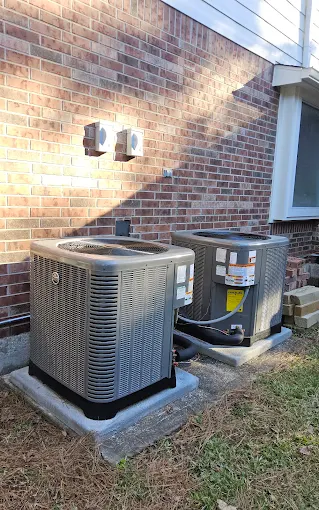
Strange Noises from Air Conditioning Unit Troubleshooting
If your air conditioner starts making new sounds, you do not have to guess. This guide helps you identify what the noise likely means, what you can safely check at home, and when to call Conley Cooling and Heating in The Woodlands, TX.
Last week, the AC worked fine, then one evening it started sounding “off.” Maybe it was a loud buzzing near the outdoor unit, a rattling that seems to get worse when the compressor kicks on, or a high squeal that shows up only after the system runs for a while. In The Woodlands, TX, that can be more than annoying, since you often need cooling right away.
When noises show up, homeowners usually wonder two things: “Is it safe to keep running?” and “What should I check before I call someone?” This troubleshooting guide walks you through the most common AC sounds, the likely causes behind them, and the next steps to protect comfort, indoor air quality, and the equipment itself.
- Quick answer
- What to check first
- Main things customers should understand
- Why this matters in The Woodlands, TX
- Common mistakes to avoid
- Customer checklist
- Frequently asked questions
Quick Answer
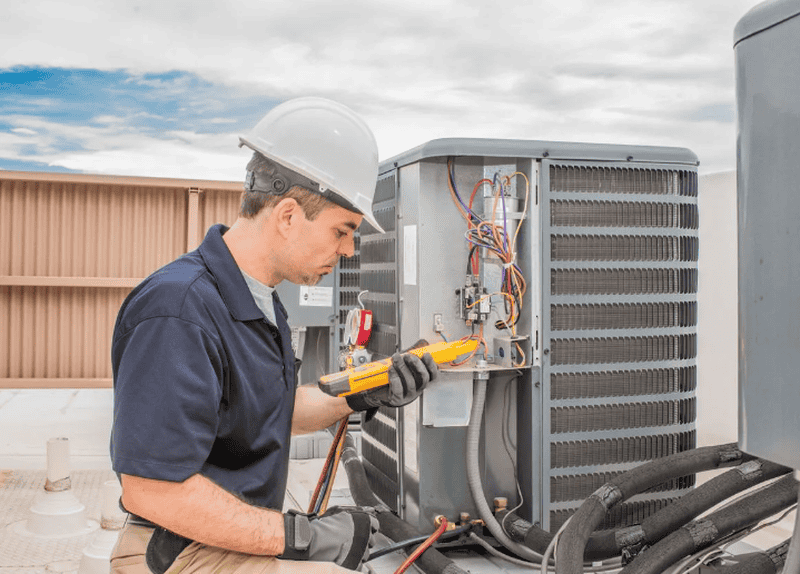
If your air conditioner is making a new grinding, screeching, or loud knocking sound, treat it as a sign to inspect further rather than “wait it out.” Start with the basics: confirm the thermostat setting, check the air filter, and listen to whether the noise happens outdoors, indoors, or both. If the sound is tied to the compressor start, airflow, or the indoor blower, it often points to a mechanical or airflow issue that should be diagnosed in person. For reliable troubleshooting in The Woodlands, TX, contact Conley Cooling and Heating to evaluate the unit and prevent repeat problems.
What to Check First
Before you spend time troubleshooting, decide whether the system should keep running. If the noise is sudden, severe, or includes grinding/knocking, turn the system off and arrange service. For quieter changes, you can do a few safe checks that often reveal simple causes.
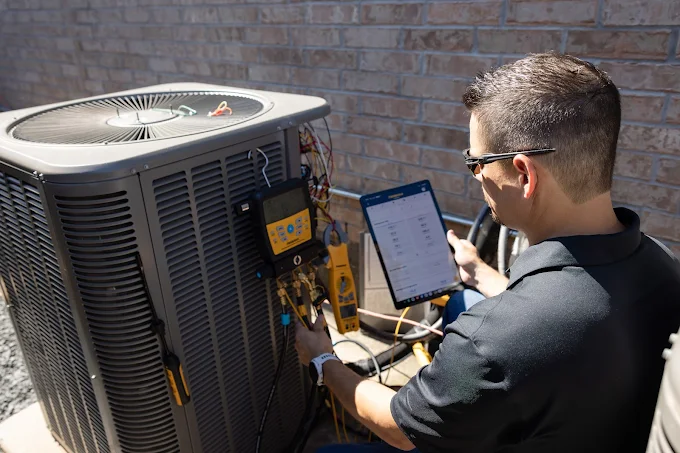
1) Confirm the sound location
Is it coming from the outdoor condenser, the indoor air handler, or the ductwork? Location narrows the likely components.
2) Check the air filter
A dirty filter can restrict airflow, which increases strain and can contribute to rattling or unusual blower sounds.
3) Look for obvious airflow issues
Confirm vents are open, registers are not blocked, and the system is producing consistent cool air.
Main Things Customers Should Understand
Different sounds usually point to different systems. Below are common noise patterns homeowners notice, what they often mean, and what should happen next.
Professional observation: The fastest way to troubleshoot an AC noise is to match the sound to the operating phase. If the noise starts the moment the unit turns on, it often relates to startup components. If it appears after a few minutes, it may relate to airflow changes, temperature expansion, or drainage behavior.
| Noise you hear | What it often points to | What you can do right away | When to call Conley Cooling and Heating |
|---|---|---|---|
| Buzzing or humming that sounds louder than usual | Electrical contact issues, compressor-related load changes, or a component not running as smoothly as it should | Listen for whether it matches compressor start and confirm the filter is clean | If buzzing persists or worsens, schedule a diagnostic |
| Rattling or vibrating | Loose panels, debris on the outdoor unit, or airflow components vibrating | Keep area clear of leaves and confirm nothing is obstructing the outdoor unit | If the vibration continues or occurs during normal airflow, inspect in person |
| Squealing or high-pitched screech | Friction in a moving part, worn bearings, or a belt-related problem (where applicable) | Do not keep running if the sound is sharp or increasing | Call promptly to prevent further damage |
| Clicking (especially repeated) | Relays or control cycling, thermostat demand, or protection controls responding | Verify the thermostat is calling for cooling and setpoint is reasonable | If clicking is excessive or the system will not stay running, get it checked |
| Whistling or air rushing | Airflow escaping from duct connections, or restrictions that change airflow behavior | Check for blocked vents and listen for duct-level leaks | If you suspect duct issues, consider duct service evaluation |
Airflow and ductwork can be part of the story
Some noises are not strictly “mechanical” inside the unit. If you notice airflow changes, whistling, or uneven cooling along with the noise, ductwork could be contributing. If you are hearing sounds that seem to come from vents, returns, or duct runs, Conley Cooling and Heating can help assess duct performance and repairs through duct repair services.
Regular tune-ups reduce recurring noise issues
Many homeowners only notice noises once the system is already under stress. Routine maintenance helps catch loose connections, airflow problems, and component wear before they become louder and more disruptive. If your AC has been running hard through Texas heat, a professional tune-up can be a practical step, including air conditioning tune-ups.
When to shut it down: If you hear grinding, loud knocking, repeated high squeals, or smell burning, turn the system off and arrange service. Running a failing component can increase the chance of a bigger repair.
Why this matters in The Woodlands, TX
In The Woodlands, TX, humid, long cooling seasons can push AC systems to run for extended periods. That extra runtime can make small issues louder over time, such as loosened access panels, airflow restrictions, or components that warm up and expand. Add pollen, debris, and outdoor conditions, and the outdoor unit can develop rattles or buzzes that show up season after season.
If you are noticing new sounds during peak cooling demand, treat it as a signal to inspect sooner rather than later. Addressing the root cause helps maintain comfort and can reduce the chance of repeat breakdowns when you need cooling most.
Need help identifying that AC noise?
If you can tell whether the sound is coming from the indoor air handler, the outdoor condenser, or the ductwork, Conley Cooling and Heating can narrow the cause faster. Call and we will talk through what you are hearing.
Call (936) 444-4534Common Mistakes to Avoid
Homeowners often try fixes that do not address the real cause. Here are a few common missteps that can turn a minor noise into a bigger problem.
Ignoring the pattern
If the noise appears only at startup, only during long cycles, or only when the fan runs, that pattern matters. Do not dismiss it as “normal.”
Running through severe sounds
Grinding, knocking, or sharp squeals can indicate component failure. Continuing to run can increase damage.
Skipping airflow basics
A clogged filter or blocked vents can change airflow and increase stress. Start with the simple checks first.
Customer Checklist
Use this checklist to document what you are hearing. Having clear details helps a technician diagnose the issue more efficiently.
- Record when the noise happens (at startup, during cooling, or after running several minutes).
- Note where it comes from: outdoor unit, indoor air handler, or vents/ducts.
- Describe the sound type: buzzing, rattling, squealing, clicking, or whistling.
- Check and note your air filter condition (clean, dusty, or clogged).
- Confirm vents and returns are not blocked and airflow feels consistent.
- Turn the system off if the noise is severe (grinding, loud knocking, burning smell) and arrange service.
- Share your observations with Conley Cooling and Heating when you call.
Representative Scenario
A homeowner in The Woodlands, TX noticed a rattling sound that started about 30 seconds after the AC kicked on. Airflow felt normal at first, but the noise grew louder each cooling cycle. After checking the air filter and confirming vents were open, the homeowner still heard the vibration coming from the outdoor unit area. Conley Cooling and Heating inspected the system, identified a loosened component related to outdoor operation, and corrected it to restore quieter performance. The homeowner was glad they stopped ignoring the pattern instead of waiting for a complete breakdown.
Frequently Asked Questions
Is it safe to run my AC if it is making a new noise?
It depends on what you hear. If the sound is mild (for example, a brief click when the system starts) and the unit cools normally, you can do basic checks like confirming the thermostat setting and inspecting the air filter. If you hear grinding, loud knocking, repeated high squeals, or notice a burning smell, turn the system off and arrange service. In humid, long-run seasons like those common in The Woodlands, TX, small issues can worsen quickly, so unusual sounds should not be ignored.
Why does my outdoor unit buzz when the compressor turns on?
Buzzing that lines up with the compressor start often points to an electrical or mechanical condition that changes under load. Sometimes it can be related to a component that is not making solid contact or an issue that affects startup behavior. Basic checks like verifying the system is calling for cooling and confirming airflow (filter and vents) can help, but persistent buzzing usually requires an in-person inspection to prevent further wear.
Could the noise come from ductwork instead of the AC unit?
Yes. If the sound seems tied to airflow, you hear whistling near vents, or cooling feels uneven, ductwork can contribute. Leaks, loose connections, or airflow restrictions can change how air moves through the system, which may create noise even when the unit itself seems to be running. If you suspect duct-related issues, a repair evaluation can help determine whether noise is coming from the duct system and not just the mechanical parts.
What should I check before calling for AC repair services?
Start with safe, simple checks: confirm the thermostat is set to cool and calling for cooling, inspect your air filter and replace it if it is clogged, and verify vents and returns are unobstructed. Then pay attention to the sound pattern: when it occurs and where it comes from. If the noise is severe or worsening, do not keep running. Sharing those details with Conley Cooling and Heating helps narrow the cause and speeds up troubleshooting.
How often should I schedule maintenance to prevent AC noise?
Many homeowners benefit from periodic tune-ups because maintenance helps catch early wear, loose connections, and airflow issues before they become noticeable. If your system has been running heavily through Texas heat, scheduling maintenance can be a practical way to reduce the chances of recurring noise. If you are unsure whether your AC needs attention, Conley Cooling and Heating can help review system conditions and recommend next steps based on what you are experiencing, including air conditioning repair services when appropriate.
Get to the cause, not just the symptom
If your AC noise is new or changing, Conley Cooling and Heating can help you troubleshoot based on where the sound happens and how it behaves during operation. Reach out so you can get back to comfortable cooling in The Woodlands, TX.
Schedule AC repair
About Conley Cooling and Heating
Conley Cooling and Heating provides cooling and heating services for homeowners and businesses across The Woodlands, TX and surrounding areas. Whether you are dealing with an AC noise, need air conditioning installation support, or want help improving comfort and performance, our team focuses on practical diagnostics and clear next steps tailored to your system and your home.
Service areas: The Woodlands, TX & surrounding areas | Phone: (936) 444-4534