
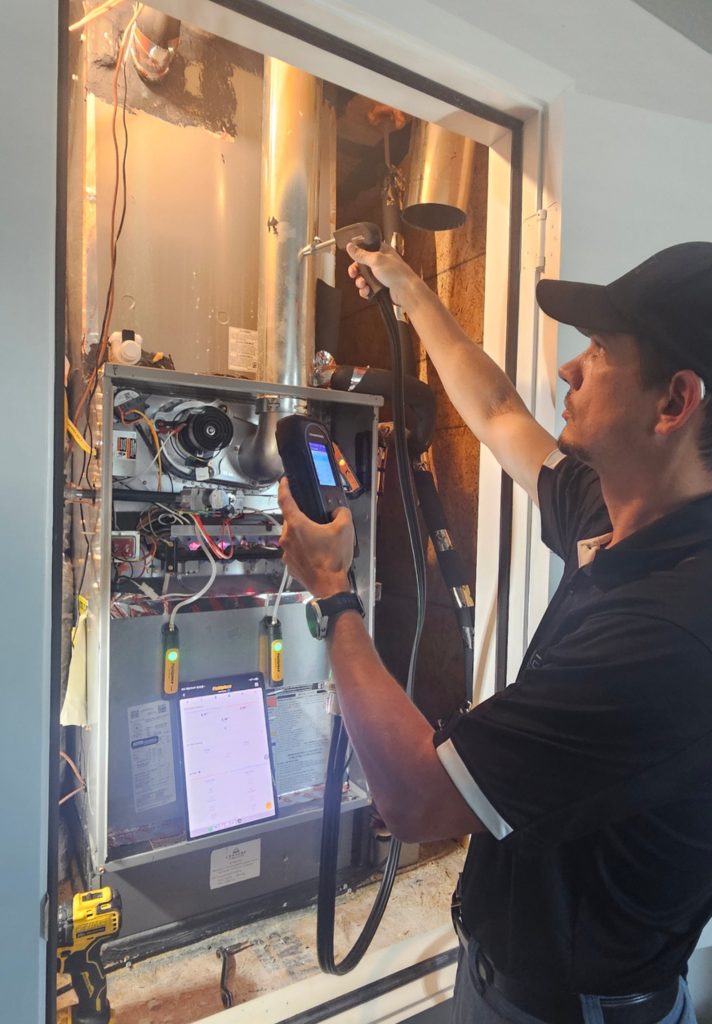
Smart Heating Installation Choices for Quiet Warmth
The Woodlands winters are mild compared to the rest of the country—but they still come with damp, chilly mornings and sudden cold snaps that make your home feel louder than it should. Maybe your furnace kicks on and rattles, or your heat pump sounds like it’s “working” even when the thermostat says you’re already at the set temperature. In many Southeast Texas homes, the problem isn’t just heating capacity—it’s how the system is installed, how it handles humidity, and whether airflow and ductwork are set up to run quietly and efficiently.
I’ve stood in attics during service calls where the homeowner insisted the heat “was fine,” only to find a system cycling too fast, duct leaks pulling conditioned air into the attic, and return air that wasn’t sized correctly. Those issues can create uncomfortable spots and make normal heating sound excessive.
Quick Answer
For quiet, comfortable warmth, smart heating installation choices usually come down to four things:
- Right equipment for the home (often a heat pump installation or properly matched furnace setup)
- Proper airflow and ductwork design (so the system doesn’t overwork or short-cycle)
- Accurate thermostat setup (so it doesn’t chase temperature or run constantly)
- Humidity-aware installation (important in Southeast Texas, where comfort depends on moisture as much as temperature)
If you’re planning a replacement or new construction install, prioritize technician-led sizing, ductwork evaluation, and thermostat calibration—not just the equipment model.
What Homeowners Often Overlook
Many homeowners focus on the heater’s brand or the number of “BTUs” on the brochure. From a technician’s perspective, that’s only half the story. Two homes can have the same size furnace and still experience very different comfort and noise levels because of installation details.
Here are the oversights I see most:
- Oversizing leads to short cycling. When a system is too large, it reaches the set point quickly, shuts off, then restarts. That cycle can sound like repeated “start-up bangs” and can reduce humidity control.
- Duct leaks turn comfort into a guess. If conditioned air escapes into an attic or crawlspace, the system compensates by running longer and sounding busier.
- Returns are underrated. A weak return can make the blower work harder, create uneven heating, and increase noise.
- Thermostat placement and programming are wrong. A thermostat near supply air, on an exterior wall, or set with aggressive cycles can cause unnecessary heating calls.
Common Mistakes That Increase Energy Costs
1) Choosing equipment before evaluating ductwork and airflow
If the ducts aren’t sealed, properly sized, or balanced, a high-efficiency system can still underperform. Quiet operation depends on stable airflow—without it, the blower and heating stages can behave unpredictably.
2) Treating thermostat upgrades as “set it and forget it”
A new thermostat can improve comfort, but only if it’s installed and configured correctly. We often see homes where the thermostat is upgraded yet the system still cycles too frequently because the indoor comfort settings weren’t matched to the equipment.
If you’re considering a thermostat change, it’s worth working with professionals for smart thermostat installation services and system-specific setup.
3) Ignoring the indoor air quality side of heating
Heating systems can stir up dust, especially if filters are undersized or airflow is restricted. In Southeast Texas, where allergens and dust can build up during humid stretches, quiet heating also means reducing airborne irritants—not just raising the temperature.
For homes that benefit from cleaner air, ask about air filtration system improvements sized to your HVAC airflow.
4) Skipping a proper tune-up before (or after) installation
Even new installs can start off wrong if components are out of calibration or if the system wasn’t verified through testing. Seasonal maintenance helps catch issues early—before they become noise complaints and higher bills.
5) Not planning for humidity comfort during cold snaps
Southeast Texas humidity doesn’t disappear just because temperatures drop. If your system is cycling or airflow is uneven, you can get that “cold but clammy” feeling—often blamed on the heater when the real issue is comfort control.
Repair, Installation, or Efficiency: What Actually Improves Quiet Warmth
Quiet heating is a performance outcome. To get there, the installation needs to be engineered around your home’s airflow and comfort needs.
A technician-first installation checklist (what we verify)
When Conley Cooling and Heating evaluates a heating installation, we typically focus on:
- Load calculation (not just rule-of-thumb sizing)
- Ductwork condition and sealing to prevent heating loss and air imbalance
- Airflow testing (supply/return static pressure, system performance verification)
- Sound and vibration checks (proper mounting, duct connections, blower balance)
- Thermostat placement and configuration for stable operation
- Humidity-aware control strategy for Southeast Texas comfort
Heat pump vs. furnace: which installation choice fits quieter comfort?
In many Southeast Texas homes, heat pumps are a strong option because they can heat efficiently while operating with less “blast furnace” cycling—when installed correctly. But the quietest outcome depends on stage control, airflow, and whether the system is matched to your ductwork.
If you’re comparing options, you may want to explore heat pump installation services and confirm the plan for cold-weather operation (including whether dual fuel is appropriate for your home).
Ductwork matters more than most people think
If you have older ducts, a common cause of noise and uneven heating is duct leakage and poor sealing. Leaky ducts don’t just waste energy; they can create pressure imbalances that make the blower sound louder and the system feel inconsistent.
For duct-driven comfort improvements, consider hvac ductwork installation contractor support that includes sealing and performance verification—especially in attics and crawlspaces where leakage is common.
Thermostat choices that reduce unnecessary heating calls
Quiet operation often comes down to reducing unnecessary starts. A well-configured thermostat helps the system maintain temperature without aggressive cycling.
If you want a thermostat upgrade, a professional setup for thermostat installation services can include placement guidance, correct staging behavior, and programming that matches your comfort preferences.
A realistic (anonymized) service case: why the heater “wasn’t quiet”
A homeowner in The Woodlands reported that their older furnace “kicked on and rattled” every 10–15 minutes. They replaced the thermostat thinking it would fix the noise. It didn’t.
When we inspected the system, we found:
- duct leakage near the supply trunk that pulled conditioned air into the attic,
- return airflow that was restricted,
- and thermostat behavior that made the system chase temperature rather than stabilize it.
After duct sealing and airflow verification, the system stopped short cycling and the sound complaints dropped dramatically. The heater wasn’t “broken”—it was installed and operating in a way that forced frequent cycling.
The Woodlands & Southeast Texas Relevance: Why Winter Comfort Can Still Feel “Wrong”
Southeast Texas heating calls are often shorter than northern regions, but the climate creates its own challenges. Humidity swings, afternoon temperature resets, and long cooling seasons all affect indoor comfort and HVAC performance.
In colder periods here, it’s easy to misdiagnose comfort problems because the home may not feel “cold” in a typical sense—it may feel damp, uneven, or noisy. Those are often signs of:
- airflow imbalance from duct leaks,
- oversized equipment short cycling,
- or thermostat behavior that increases heating cycles.
If you want quiet warmth in this region, the install plan has to account for how your home retains moisture and how air moves through your rooms—not just how hot the air can get.
HVAC Maintenance Checklist for Quiet, Efficient Operation
Use this as a simple “season-ready” checklist:
- Replace or inspect the air filter (restricted airflow increases blower noise and heating run time)
- Confirm thermostat settings (fan mode, staging behavior, and temperature swing preferences)
- Inspect vents and returns for obstructions and blocked airflow
- Check for duct leaks in accessible areas (and schedule a deeper inspection if noise or uneven heat persists)
- Listen for abnormal blower sounds during heat cycles (rattles often come from loose duct connections or vibration)
- Schedule a heating service visit before the coldest stretch so minor issues don’t become repeat problems
For homeowners planning a maintenance timeline, it’s helpful to coordinate with heating tune-ups that include performance checks and cleaning where needed.
Best Option for Southeast Texas Homes: Pair the Right System With the Right Setup
If your goal is quiet warmth, don’t pick the heater first and the installation details later. In Southeast Texas, the “best” choice usually includes:
- equipment sized correctly for your home,
- ductwork addressed before you judge system performance,
- a thermostat configured to prevent cycling,
- and indoor air quality improvements that reduce dust and irritants during heating season.
That’s also why many homeowners benefit from a broader comfort plan, including airflow and filtration. For example, if you’re also dealing with humidity and comfort balance, you may want to discuss humidity control solutions as part of your installation strategy.
Quick Comparison: Furnace Install vs. Heat Pump Install (Quiet Comfort Focus)
| Category | Furnace Installation | Heat Pump Installation |
|---|---|---|
| Noise feel | Can be “stage-based” and louder if cycling or airflow is off | Often smoother when staged correctly; indoor comfort can be quieter |
| Humidity comfort | Depends on airflow and system control | Can help maintain comfort, but setup matters for cold snaps |
| Installation priority | Duct sealing, blower tuning, proper venting | Staging, airflow, correct sizing, cold-weather strategy |
| Best fit | Homes needing traditional heating with well-designed ductwork | Homes prioritizing efficient comfort and optimized staging |
A qualified contractor will help you choose based on your home’s layout, ducts, insulation, and comfort goals—not just preference.
Signs Your HVAC System Needs Attention
If you notice any of these, it’s usually time to inspect the installation and operation:
- heating cycles feel too frequent (short cycling)
- rooms heat unevenly, especially near corners or over garage areas
- the blower sounds louder than it used to
- you smell dust during heating startup
- your home feels warm but still “clammy” or uncomfortable
Optional FAQ Section
Why does my heater sound louder after I change the thermostat?
A thermostat change can reveal an underlying airflow or staging issue. If the system is oversized, return airflow is restricted, or ducts are leaking, the thermostat can’t fix the root cause—it may even make cycling more noticeable. A proper thermostat setup should consider system staging behavior, temperature swing settings, and placement. If noise increases after the change, it’s worth having the heating system’s airflow and operation tested.
Can duct sealing really make my heating quieter?
Yes. Leaky ducts can create pressure imbalances that make blowers work harder and can contribute to inconsistent heating that triggers additional cycles. When duct sealing and airflow verification are done together, homeowners often notice not only better comfort but also fewer “start-up” events and reduced rattling from connections that are failing.
Is a heat pump installation always quieter than a furnace?
Not automatically. Quiet comfort depends on correct sizing, staging controls, airflow, and how the duct system is set up. A properly installed heat pump can feel very steady, but a poorly matched installation can still cycle or sound louder than expected. The best approach is to evaluate your home’s ductwork and heating load before deciding.
What should I ask an HVAC contractor before my installation?
Ask about the plan for sizing, ductwork evaluation, thermostat configuration, and testing after installation. You should also ask how they verify airflow and system performance—not just “install and leave.” For quieter operation, noise and vibration checks and proper duct connection practices are equally important.
Ready to Improve Your Indoor Comfort and Energy Efficiency?
If you’re planning a heating installation—or your system is producing loud cycles and uneven warmth—Conley Cooling and Heating can help you choose equipment and installation details that improve comfort quietly and efficiently. The goal is simple: stable heating performance, balanced airflow, and fewer “mystery” comfort complaints.
About Conley Cooling and Heating
Conley Cooling and Heating provides AC repair, air conditioning installation, heating services, indoor air quality solutions, ductwork services, ductless mini splits, heat pump systems, thermostat upgrades, and commercial HVAC support throughout The Woodlands, TX and surrounding Southeast Texas communities. The company focuses on reliable comfort solutions, energy-efficient system performance, indoor air quality improvement, and helping homeowners and businesses maintain dependable heating and cooling year-round.