
Signs Your Home Needs Duct Installation for Comfort
If you are adjusting the thermostat but certain rooms stay too hot or too cold, the issue is often not the air conditioner alone. In The Woodlands, TX, ductwork problems can show up quickly during hot, humid stretches and lead to uneven comfort, airflow complaints, and higher strain on your system. This guide helps you recognize the signs that it may be time to install new ductwork, not just “tune up” the equipment.
Last summer, a homeowner in The Woodlands noticed the living room felt fine while the bedrooms upstairs stayed muggy and warm. They kept lowering the temperature, but the comfort never matched the thermostat setting. Even when the system ran longer, the room temperatures did not balance out.
When the airflow path is restricted, poorly sized, or installed in a way that does not support your home’s layout, ductwork can turn a normal HVAC problem into a whole-home comfort issue. Below, you will learn what to check first, the main factors that drive duct installation decisions, and how to avoid common missteps.
- Quick answer
- What to check first
- Main things customers should understand
- Why this matters in The Woodlands, TX
- Common mistakes to avoid
- Customer checklist
- Frequently asked questions
Quick Answer
If rooms are consistently too hot or too cold, airflow feels weak at some vents, or you see visible damage or disconnected sections, your ductwork may be the limiting factor. In many cases, duct installation (or a duct system redesign) restores proper airflow distribution so your heating and cooling equipment can perform as intended. Start by checking for obvious issues like disconnected vents or major leaks, then have a professional evaluate duct sizing, sealing, and airflow balance. If your system repeatedly struggles to maintain temperature, ask about duct installation services alongside your HVAC service plan.
What to Check First
Before you assume the HVAC unit is failing, walk through a few practical checks that can point toward ductwork trouble. These steps help you separate “temperature setting” problems from airflow distribution problems that are often rooted in ductwork layout, leaks, or poor connections.
1) Notice the pattern
Are problems isolated to one floor, one corner of the house, or a specific room type like a bedroom or bonus room? Consistent patterns often align with duct routing or supply/return layout.
2) Check airflow at vents
Feel and compare airflow at multiple vents. Strong airflow in some areas with noticeably weak airflow in others can indicate restrictions, leaks, or balancing issues in the duct system.
3) Look for physical issues
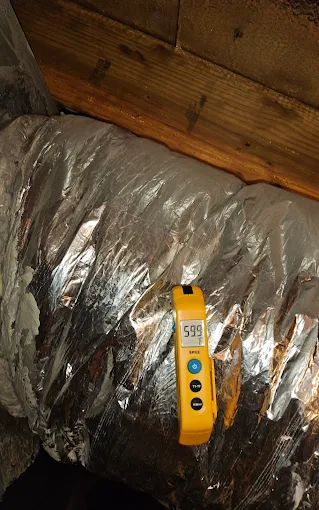
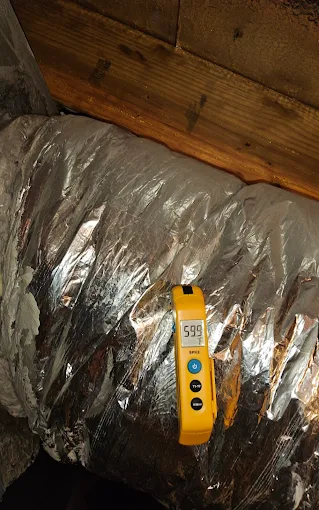
Watch for disconnected registers, loose duct joints you can access, damaged insulation, or signs of air movement around seams. Even small leaks can add up across a long run.
If you have a duct system that was installed for a different layout, or you recently added rooms, ductwork that was never redesigned can struggle to deliver the right airflow. That is one reason ductwork decisions often come up during air conditioning installation projects and upgrades.
Professional observation: When ducts are undersized, poorly sealed, or routed around obstacles, the air handler may move air but not where it needs to go. That is when “it runs all the time but still feels uncomfortable” becomes a ductwork conversation, not just an equipment conversation.
Main Things Customers Should Understand
Duct installation is not a one-size-fits-all replacement. The right solution depends on how air is currently moving through your home and why the current system does not match your comfort needs. Here are the main factors Conley Cooling and Heating typically evaluates when ductwork installation may be the best path.
| What you are seeing | What it can indicate | How duct installation may help |
|---|---|---|
| Airflow feels weak in multiple rooms, especially far from the air handler | Restricted runs, inadequate duct sizing, or airflow imbalance | New duct layout can improve distribution and reduce pressure losses |
| Hot or cold pockets that do not change much even after temperature adjustments | Supply/return layout issues or significant leakage | Proper duct sealing and routing support more consistent room temperatures |
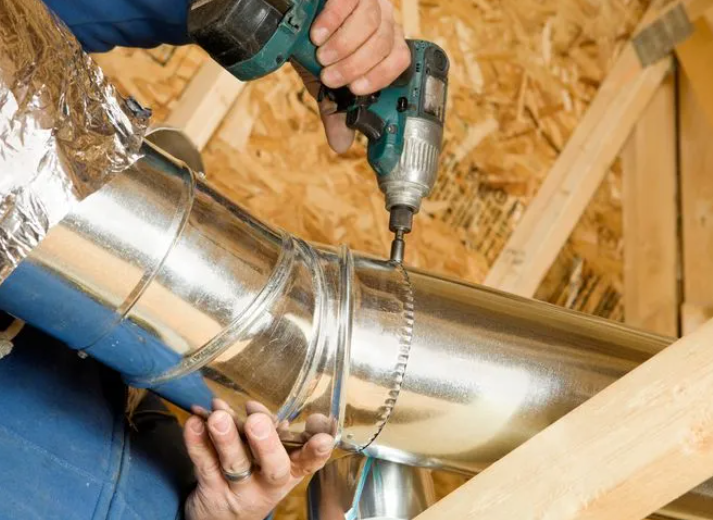
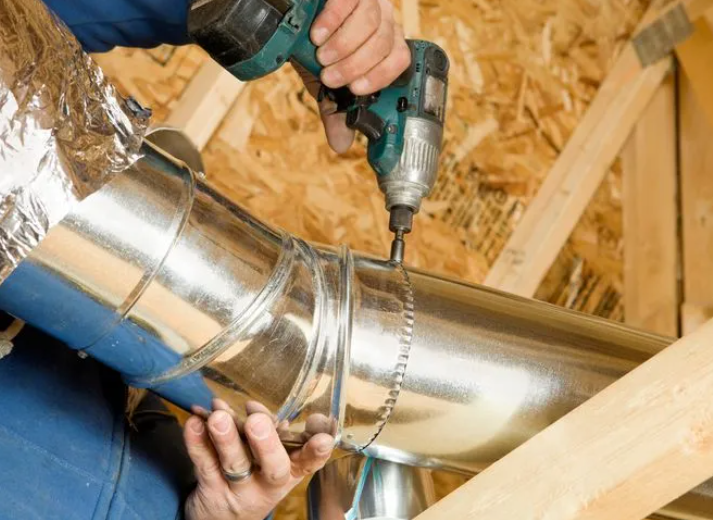
| Visible damage, loose connections, or disconnected sections | Leaks and poor system integrity | Replacing damaged sections and installing properly connected ductwork restores airflow |
| Comfort issues worsen after new equipment or after renovations | Duct system not matching changed loads or room layout | Redesigning ductwork can align airflow capacity with the updated home |
One practical clue: if you are also thinking about comfort upgrades like duct installation services, it is worth considering how your ductwork interacts with your overall indoor comfort strategy. In some homes, proper ducting plus improved air quality controls can deliver noticeably more consistent comfort across rooms.
Why This Matters in The Woodlands, TX
The Woodlands has long stretches of heat and humidity, which means your HVAC system is working hard for much of the year. When ductwork is not sealed or not routed to support balanced airflow, your cooling system can spend extra time running while still leaving some rooms feeling clammy or under-conditioned. That is especially noticeable in homes with multiple levels, long duct runs, or older ductwork that may have aged unevenly.
Another local factor homeowners run into is comfort complaints tied to how air returns are set up. If returns are inadequate for the rooms that need the most conditioning, supply air can cool spaces unevenly. That is why a complete approach matters, including duct sealing and indoor air quality solutions that support better comfort and cleaner airflow.
Local comfort tip: If your home’s humidity control feels inconsistent, duct installation and ductwork integrity often play a role because airflow patterns influence how effectively moisture is managed. Ask about indoor comfort options like humidity control services when you are evaluating ductwork changes.
Common Mistakes to Avoid
Homeowners usually want a quick fix when comfort problems show up. The tricky part is that ductwork issues can be mistaken for equipment problems, and equipment problems can be mistaken for ductwork issues. Here are common missteps that lead to repeat discomfort or unnecessary service calls.
- Assuming that replacing the thermostat or changing settings will fix uneven temperatures caused by airflow distribution.
- Ignoring weak airflow at specific vents because the system “still turns on.” Uneven supply often points back to ductwork.
- Overlooking duct leaks around seams, transitions, or uninsulated sections, especially in areas that see temperature swings.
- Focusing only on repair when multiple rooms show the same pattern, which can signal a system-level duct design issue.
- Skipping balance checks when upgrading HVAC equipment, since ductwork must match the airflow requirements of the new system.
Customer Checklist
Use this checklist to prepare for a ductwork evaluation. Bringing clear observations helps your technician focus on the right causes and reduces guesswork during the assessment.
- List the rooms that feel hottest or coldest and whether the pattern changes between day and night.
- Note where airflow feels strongest and where it feels weak at supply vents.
- Write down any recent changes: renovations, room additions, or HVAC equipment replacements.
- Look for accessible duct connections that appear loose, disconnected, or damaged.
- Bring thermostat details such as how often it calls for heating or cooling and whether the temperature ever stabilizes.
- Consider indoor comfort goals beyond temperature, like humidity feel and air freshness.
Representative Scenario: When Duct Installation Becomes Clear
A family in The Woodlands noticed that their downstairs office stayed comfortable while the upstairs bedrooms remained too warm. They tried adjusting the thermostat and scheduling HVAC service focused on the air conditioner. After multiple comfort complaints, the next step was an evaluation of how air was traveling through the duct system. The findings pointed to inadequate distribution to the upstairs rooms and airflow imbalance tied to the ductwork layout. In that situation, duct installation and proper ductwork setup became the key to restoring consistent room comfort across floors.
Need a ductwork evaluation in The Woodlands?
Conley Cooling and Heating can help you understand whether duct installation is the right next step for your home’s comfort.
Contact Conley Cooling and HeatingFrequently Asked Questions
Here are common questions homeowners ask when they suspect duct installation is needed for comfort.
How do I know it is my ducts and not my air conditioner?
Uneven comfort is a common clue, especially when certain rooms consistently run hot or cold. If airflow feels weak in specific areas, or the comfort issue persists even after HVAC service, ductwork may be limiting performance. A proper evaluation considers airflow distribution, duct integrity, and whether the duct system is sized and routed to match your home. In The Woodlands, where cooling loads are frequent, duct problems can show up quickly as humidity and temperature complaints.
Is duct installation always the best option, or can duct repair be enough?
Duct repair can help when the issue is localized, such as a damaged section or a connection that is leaking air. But when multiple rooms show the same airflow pattern, the cause may be system-level routing, sizing, or balancing. That is when duct installation or a duct system redesign becomes more practical. The right approach depends on what an evaluation shows about airflow distribution and the condition of the ductwork throughout the home.
What should I expect during a ductwork evaluation?
Expect a comfort-focused assessment that looks beyond the thermostat. Your technician will typically review how air moves through supply and return pathways, check accessible duct connections, and discuss where comfort problems show up in your layout. If duct sealing or repair is part of the plan, it should relate directly to the observed airflow issues. If duct installation is recommended, the explanation should connect the home’s layout and airflow needs to the proposed ductwork changes.
Can ductwork issues affect indoor air quality?
Yes. Duct integrity and airflow patterns can influence how effectively your HVAC system brings in and moves clean air. If ductwork is poorly sealed or has issues that affect airflow, you may notice comfort complaints that overlap with indoor air quality concerns. Homeowners sometimes pair ductwork decisions with filtration or humidity control. If you are also dealing with dryness or musty odors, it can be helpful to ask about indoor air quality options like air filtration alongside duct evaluation.
Should I consider duct installation if I am installing a new HVAC system?
Often, yes. A new air conditioner or heat pump can only deliver comfort effectively when the duct system can move and distribute the right amount of air. If the ductwork was never updated for the home’s layout, or if comfort issues have been recurring, it makes sense to evaluate ducts as part of the upgrade conversation. For example, if you are exploring central air conditioning installation, ask how your duct system will support proper airflow distribution after the new equipment is installed.
Get comfortable with the right ductwork plan
If your home in The Woodlands is not reaching the comfort you expect, Conley Cooling and Heating can help you determine whether duct installation, duct repair, or a broader comfort strategy is the best fit.
Call (936) 444-4534
About Conley Cooling and Heating
Conley Cooling and Heating provides cooling and heating services for homeowners and businesses across The Woodlands, TX and surrounding areas. From duct installation and duct repair to air conditioning installation, repairs, tune-ups, and indoor air quality solutions, the goal is the same: help your home or business reach comfortable, consistent heating and cooling with HVAC systems that are set up to perform.
Explore more services on duct repair services or learn about duct installation when you are ready to address comfort issues at the source.