
If your family in The Woodlands, TX is noticing musty smells, allergy flare-ups, or rooms that feel damp after the HVAC runs, you are not alone. This guide breaks down practical indoor air quality habits and system checks that help reduce common indoor air risks.
On a humid day, you turn on the AC and the house cools off, but the air still feels “off.” Maybe the living room smells a little stale, the kids cough more at night, or you notice condensation around vents after a long run. Those signs often point to more than comfort issues, because indoor air quality can be affected by how air is filtered, how moisture is managed, and whether airflow paths are clean.
This guide helps you understand what to check first, how to prevent recurring air quality problems, and when it makes sense to involve an HVAC professional. You will also get a simple family-focused checklist you can use season after season in The Woodlands.
- Quick answer
- What to check first
- Main things customers should understand
- Why this matters in The Woodlands, TX
- Common mistakes to avoid
- Customer checklist
- Frequently asked questions
Quick Answer
Start by controlling moisture, then verify airflow and filtration. For most families, that means checking filters on schedule, keeping supply and return vents unobstructed, and watching for dampness or musty odors that can indicate humidity or duct-related issues. If symptoms persist even when the system is running, ask a technician to inspect air filtration and indoor air quality components and evaluate humidity control performance. In The Woodlands, proactive tune-ups and indoor air quality upgrades often prevent problems from repeating every season.
What to Check First
If indoor air quality feels “worse” than usual, begin with the simplest, highest-impact checks you can do today. Make a quick walkthrough: look at filters, verify that vents are open, and check for visible moisture around returns, duct runs, and any areas where humidity tends to collect. Then compare how the home feels on high-humidity days versus drier days. That comparison helps you separate comfort issues from air quality issues.
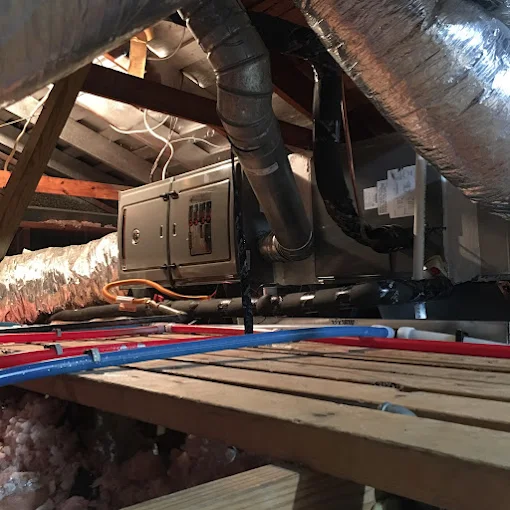
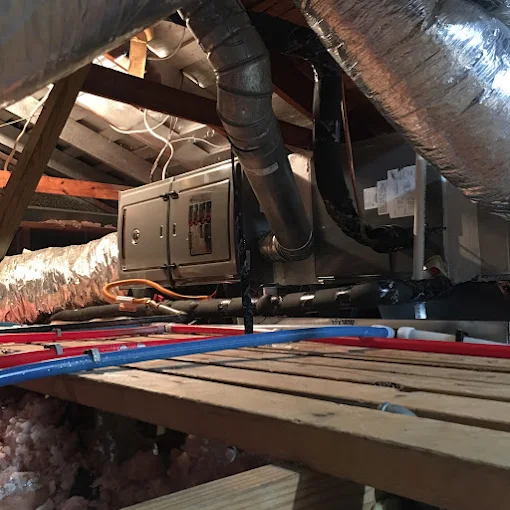
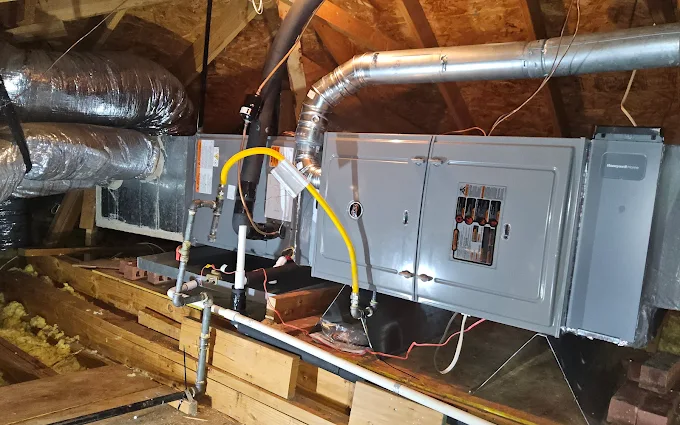
Next, focus on the HVAC system’s role. Proper AC airflow and clean ductwork support consistent filtration and reduce the chance that dust and moisture build up inside air pathways. If you are due for maintenance, consider a tune-up before peak humidity hits. For cooling performance and indoor comfort, you can also explore air conditioning tune-ups to keep systems operating as designed.
Professional observation: Many “indoor air quality” complaints are actually moisture and airflow problems. When humidity is higher, dust can cling longer, smells can linger, and filtration becomes less effective if airflow is inconsistent.
Main Things Customers Should Understand
Indoor air quality is not just one component. It is a system-level balance between filtration, airflow, humidity control, and clean air pathways. In practice, families usually see improvement when all four work together, not when one setting is changed while the rest is ignored.
Filtration that matches your home
Filters help capture airborne particles, but effectiveness depends on correct fit and adequate airflow across the filter. If airflow is too weak, filtration can become inconsistent.
Humidity control for comfort and safety
High humidity can contribute to musty odors and make dust feel heavier in the air. Reducing excess moisture supports healthier indoor conditions.
Clean duct pathways
Air ducts move air throughout the home. If ductwork has contamination or is not properly sealed, irritants can circulate more than you expect.
Here is a practical way to connect symptoms to HVAC areas that often require attention. If you notice dampness or persistent “stale” odors, humidity control is usually the first place to look. If you notice more dust or allergy flare-ups, filtration and air distribution matter. If you notice specific rooms feel worse than others, check for duct issues or airflow imbalances that can affect how well air is treated before it reaches your family.
When you want to improve indoor air quality beyond basic filter changes, it can help to consider dedicated indoor air quality services. For example, air filtration options are designed to support cleaner airflow throughout the home.
Why This Matters in The Woodlands, TX
In The Woodlands, TX, humidity and seasonal swings can make indoor conditions feel harder to manage. Even when cooling is working, moisture can linger in building materials, and that can affect how the home smells and how dust behaves. When humidity stays high, HVAC systems work harder, and you may notice comfort changes that overlap with indoor air quality concerns.
One common local pattern we see is that families run the AC more frequently during peak humidity, but don’t revisit indoor air quality settings until symptoms start. Preventive maintenance and humidity-focused adjustments help reduce the chance of recurring issues. If you are dealing with moisture-related comfort or odor concerns, review humidity control services to help keep indoor conditions steadier.
Want a preventive indoor air quality check for your home?
If your family is noticing damp-feeling air, lingering odors, or rooms that never seem to match the rest of the house, Conley Cooling and Heating can help you identify what is driving the problem. Start with a conversation so you can plan the right next step.
Contact Conley Cooling and HeatingCommon Mistakes to Avoid
Preventive indoor air quality is not about doing more work. It is about doing the right checks consistently. These are a few mistakes that commonly lead to recurring issues for families in The Woodlands.
- Replacing filters late and hoping symptoms will fade without addressing airflow and moisture.
- Blocking vents or returns with furniture, rugs, or storage, which reduces circulation where filtration matters most.
- Assuming “cold air” means “safe air” even when humidity or odors suggest the system is not controlling moisture effectively.
- Ignoring uneven comfort in specific rooms, which can point to ductwork issues or airflow distribution problems.
- Trying to solve duct concerns with surface cleaning alone when the airflow path needs professional attention.
Customer Checklist
Use this checklist as a family-friendly routine you can repeat each season. It focuses on the practical, preventive steps that help protect indoor air quality in The Woodlands, TX.
- Check your HVAC filter and replace it when it is time based on your home’s schedule.
- Keep supply and return vents clear so air can move freely through the system.
- Watch for dampness around returns, vents, or any areas that collect moisture after AC runs.
- Smell-test the house during humid days. Musty or stale odors are a clue, not something to ignore.
- Pay attention to “hot spots” and rooms that always feel different. Uneven air can affect how filtration works.
- Plan preventive HVAC service so the system runs efficiently and supports indoor air quality.
Representative Scenario
A family in The Woodlands noticed that after weeks of AC use, the air felt heavier and their youngest started coughing more at night. They changed filters but still smelled a faint stale odor near a return vent in the hallway. Instead of guessing, they had an HVAC professional evaluate indoor air quality factors tied to airflow and moisture control. The fix focused on restoring consistent airflow and addressing the humidity-related comfort pattern, which helped the home feel fresher without constantly “chasing” symptoms.
Frequently Asked Questions
How can I tell if my indoor air quality issue is moisture-related?
Moisture-related issues often show up as musty or stale odors, a damp feeling in certain rooms, or condensation around air handling areas after the AC runs. You might also notice that the home feels worse during the most humid stretches, even if temperature is comfortable. If you see these signs, focus first on humidity control and system performance. A professional can help verify whether your HVAC setup is managing moisture as intended and whether air pathways need attention.
Do air filters alone solve indoor air quality concerns?
Filters are a key part of indoor air quality, but they do not work in isolation. If airflow is restricted, filters may not capture particles consistently. If humidity is high, dust and odors can linger longer. If ductwork has contamination or is not delivering air as expected, untreated air can still reach living spaces. For best results, families usually see improvement when filtration, humidity control, and airflow are aligned. If symptoms persist, an HVAC inspection can help pinpoint which part needs attention first.
What should I do if only one room feels “worse” than the rest?
Uneven comfort is a common clue that airflow distribution may be off. That can be caused by ductwork issues, blocked or restricted vents, or system balancing problems. Start by checking that the room’s supply and return pathways are unobstructed. Then note whether the problem changes when the system runs longer or cycles differently. A technician can evaluate ductwork performance and indoor air quality impacts so you do not end up treating symptoms in only one room while the rest of the home remains inconsistent.
Can duct cleaning help with indoor air quality?
Duct-related work can help when duct issues contribute to airflow problems or contamination concerns. However, duct cleaning is not always the first step. The right approach depends on what you are experiencing, whether the home has moisture patterns, and whether airflow and filtration are functioning properly. In some cases, improving filtration and humidity control can reduce the problem without major duct work. When ductwork needs attention, services such as duct repair services may be part of restoring proper airflow.
How often should we review indoor air quality steps for our family?
A good preventive rhythm is to re-check basics at seasonal transitions and whenever symptoms change. In The Woodlands, humidity swings can make it especially helpful to review around periods when your AC runs more frequently. If you notice persistent odors, visible moisture, or ongoing allergy-like symptoms, do not wait for the next season. Instead, address the most likely causes first: filtration schedule, vent airflow, and moisture control performance. A professional inspection can help you choose the next step based on your actual conditions.
Ready to prevent indoor air quality issues in your The Woodlands home?
Conley Cooling and Heating can help you troubleshoot indoor air quality concerns using practical HVAC checks that focus on filtration, airflow, and humidity management.
Call (936) 444-4534
About Conley Cooling and Heating
Conley Cooling and Heating provides cooling and heating services for families and businesses in The Woodlands, TX and the surrounding areas. From preventive indoor air quality solutions to HVAC maintenance and repair, the goal is to help homes and commercial spaces breathe easier by keeping systems operating the way they should.
To explore related options, you can review air purification or learn about air conditioning repair services if your system is not running consistently.