
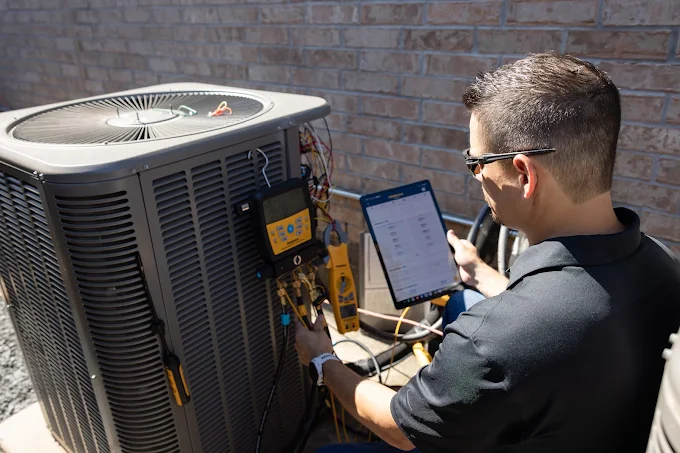
If your cooling system is struggling in The Woodlands, TX, it can become more than an inconvenience. Small issues like poor airflow, dirty components, or thermostat problems can escalate into safety risks, comfort problems, and higher energy costs. This guide helps you spot the warning signs early and choose the right next step.
It’s late afternoon in The Woodlands and your air conditioner has been running nonstop. The house feels muggy, the supply vents blow weaker than usual, and you notice a faint smell or unusual noises when the system cycles.
At that point, the question isn’t just “Will it get colder?” It’s also whether something is happening that could affect safe operation. This article walks you through what to check first, the main factors that influence safe performance, and the maintenance steps that reduce risk before problems grow.
- Quick answer
- What to check first
- Main things customers should understand
- Why this matters in The Woodlands, TX
- Common mistakes to avoid
- Customer checklist
- Frequently asked questions
Quick Answer
If your air conditioner feels weak, smells odd, trips breakers, freezes up, or repeatedly short-cycles, treat it as a safety and performance warning, not a “wait and see” situation. Start with simple checks: confirm the thermostat settings, verify outdoor unit clearance, and look for obvious airflow blockages. Then schedule a professional inspection and air conditioning tune-up so technicians can verify refrigerant system performance, electrical connections, condensate drainage, and airflow. For ongoing comfort and safer operation, plan seasonal maintenance before peak heat returns.
What to Check First
Before you call for service, you can narrow down what’s going wrong and reduce the chance of pushing the system further while it’s not operating normally. Focus on the symptoms that show up during cooling cycles and on anything that can interrupt airflow or drainage.
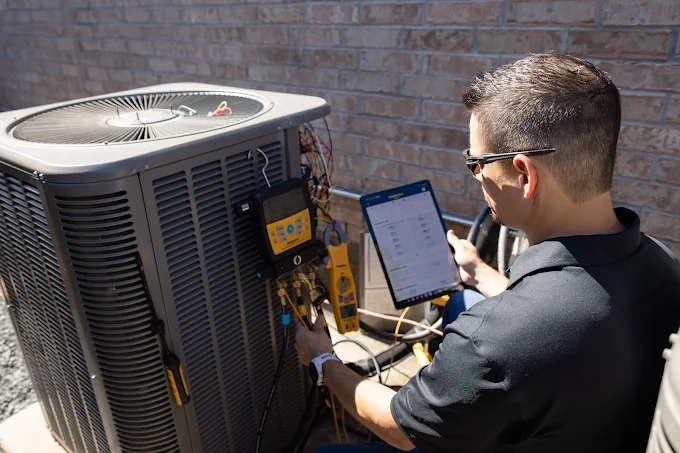
Professional observation: Weak airflow and poor condensate drainage often show up first as comfort issues, but they also affect how hard the system works. When components are forced to run outside their normal operating range, safety-related faults can become more likely.
- Thermostat behavior: Make sure you’re set to “Cool” and the temperature setpoint is reasonable. If the thermostat display is unstable or the system keeps restarting too quickly, that points to a control or electrical issue.
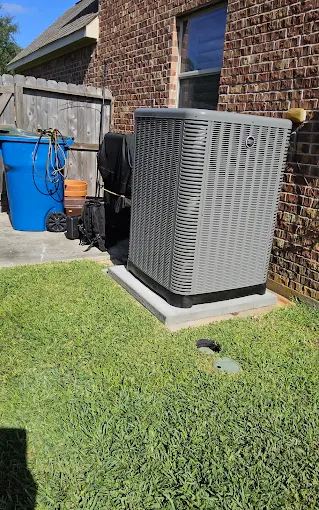
- Outdoor unit clearance: Check that landscaping, grills, patio furniture, or debris are not blocking the condenser’s airflow. In The Woodlands, outdoor pollen and yard debris can accumulate fast during active seasons.
- Airflow at the vents: If only some rooms get cold while others do not, you may have duct airflow restrictions or balance issues. That can contribute to higher system strain.
- Condensate drainage: Look for pooling water near the indoor unit or a strong musty odor. A clogged drain line can lead to moisture problems and can also affect safe operation of nearby components.
- Electrical warning signs: If you notice frequent tripped breakers, burning smells, or sparking at any electrical panel or disconnect, stop using the system and have it inspected.
Main Things Customers Should Understand
Air conditioning safety risk usually isn’t one single cause. It’s the combination of how the system is designed, how it’s maintained, and how it’s operating under real conditions. Below are the main factors that affect safe performance so you can understand what a technician will likely verify.
| What you notice | Likely area to inspect | Why it matters for safe operation |
|---|---|---|
| Air feels warm or only cools part of the house | Airflow and ducting, indoor coil condition | Restricted airflow can cause components to run outside normal conditions, increasing the risk of faults. |
| Ice or frost on the indoor coil | Airflow across the coil, refrigerant system performance | Low airflow or system imbalance can create abnormal temperatures that lead to shutdowns and potential damage. |
| Musty smell or water where it shouldn’t be | Condensate drain line and indoor drain pan | Moisture and drainage issues can affect surrounding components and indoor air conditions. |
| Burning smell, buzzing, or repeated cycling | Electrical connections and control operation | Electrical irregularities can escalate quickly and should be addressed by a professional. |
Practical takeaway: If you’re seeing recurring symptoms, it’s better to schedule a repair inspection than to keep changing settings. The goal is to correct the underlying cause that’s pushing the system out of normal operation.
Why this matters in The Woodlands, TX
The Woodlands has long stretches of hot, humid weather. That means your air conditioner is working through higher latent loads, and indoor humidity control becomes part of overall system health. When humidity stays high because the system cannot remove moisture efficiently, comfort complaints often appear first. Then you may see condensate drainage issues, uneven cooling, and more frequent cycling.
In older homes and many newer builds alike, duct design and airflow balance can vary. If your system was sized correctly but airflow is off, the unit can run longer than it should. That’s why professional inspections often focus on airflow, duct performance, and indoor air quality components. If you’re also dealing with humidity or odor concerns, indoor air quality services like humidity control services can support safer, more consistent comfort.
Common Mistakes to Avoid
Homeowners usually want the fastest fix, but a few common actions can make safety risks more likely or delay the right repair. Here are the mistakes we see most often in The Woodlands.
- Ignoring recurring symptoms: Repeated short cycling, weak cooling, or unusual smells should be inspected rather than tolerated.
- Blocking vents or registers: Closing too many vents can reduce airflow and increase system strain.
- Running the system with a suspected drainage problem: If you notice water pooling or a musty odor, stop trying to “power through” and get the drain checked.
- Assuming it’s only a thermostat issue: Thermostat problems can be real, but they can also be symptoms of electrical or control faults.
- Skipping maintenance: Dust buildup and worn components reduce efficiency and can contribute to faults over time.
Customer Checklist
Use this checklist when you’re preparing for an inspection or trying to decide whether repair is needed right away. It helps you communicate clearly and gives your technician a faster starting point.
- Confirm the thermostat is set to “Cool,” and note the temperature you set and the temperature you feel at the vents.
- Write down when the problem happens (for example, only at night, only during peak afternoon heat, or after the system runs for a certain time).
- Check for ice or frost on supply vents or near the indoor unit.
- Look for signs of moisture: water near the indoor unit, damp drywall, or a musty odor.
- Verify the outdoor unit has clear airflow around the sides and front.
- Note any unusual sounds or smells and whether you notice them at start-up, while running, or when the system turns off.
- If you’ve had recurring issues, mention how often it happens and whether the thermostat cycles unusually fast.
A representative situation (what it looked like)
A homeowner in The Woodlands reported that their AC would cool for a short time, then the air felt less cold and the system started cycling more frequently. They also noticed the indoor area smelled “stale” after the unit ran. After basic checks, the outdoor unit appeared unobstructed, but the comfort issue kept returning during humid evenings. A technician focused on airflow and indoor moisture management to restore stable cooling performance and reduce the strain that comes from repeated abnormal cycling.
Middle CTA: get your system checked before it escalates
Schedule an inspection with Conley Cooling and Heating
If you’re seeing weak cooling, recurring cycling, drainage concerns, or any unusual odor, a professional diagnostic can help prevent safety risks from developing further.
Contact Conley Cooling and HeatingFrequently Asked Questions
Is weak airflow a safety risk, or is it just a comfort issue?
Weak airflow is usually noticed as a comfort problem first, but it can also affect safe operation. When airflow across the indoor coil is reduced, components can run under abnormal conditions and the system may cycle more often. That increases wear and can contribute to faults. If you feel warm air, notice uneven cooling, or see ice forming, it’s a good time to schedule an inspection rather than only adjusting the thermostat.
What should I do if I smell something odd when the AC turns on?
Unusual odors can have different causes, but they are worth taking seriously because they can indicate dust buildup, moisture-related issues, or an electrical problem. If the smell is sharp or burning, stop running the system and have it inspected. If it’s more musty or stale and you also notice moisture, focus on condensate drainage and indoor airflow. A technician can narrow down the cause and recommend the right service, such as repair or tune-ups.
How can I tell if my AC issue is electrical vs. airflow-related?
Some signs point in one direction. Airflow-related problems often show up as weak cooling, uneven rooms, or ice/frost near the indoor coil. Electrical or control-related issues may show up as frequent short cycling, tripped breakers, buzzing, or repeated restart behavior. The most reliable approach is an inspection, because technicians can test components and verify safe operation across the system.
Can indoor air quality help with AC performance and comfort?
Yes. In humid climates like The Woodlands, managing moisture and improving air movement can make the home feel more comfortable and can reduce recurring symptoms. Indoor air quality solutions such as air filtration and humidity control services can support better indoor conditions. While these options do not replace core AC repairs, they can complement safe, efficient operation.
What’s a safe next step if my system is old and I’m not sure what it needs?
Start with a professional diagnosis so you can make a decision based on the system’s current condition. A tune-up can address maintenance-related wear, while repairs address faults that are actively affecting safe operation. If you’re considering a change, ask about the right approach for your home, including ductless options. For example, if your layout makes ductwork challenging, a ductless mini split installation may be a practical path for multi-zone comfort.
Final CTA: plan maintenance that reduces risk
When your cooling system is operating normally, it runs more steadily and is less likely to develop cascading problems. A seasonal tune-up can help verify airflow, check controls, and keep components in safer working condition before peak humidity returns.
Talk to Conley Cooling and Heating about your next tune-up or repair
Tell us what you’re noticing in your home in The Woodlands, TX, and we’ll help you choose the next step based on the symptoms.
(936) 444-4534
Conley Cooling and Heating
Conley Cooling and Heating provides cooling and heating services for homeowners and businesses in The Woodlands, TX and surrounding areas. From air conditioning tune-ups and repairs to ductless mini split solutions, the focus is on restoring safe, reliable comfort and helping your system operate efficiently through changing seasons.
Explore related services like air conditioning tune-ups or air conditioning repair services.