
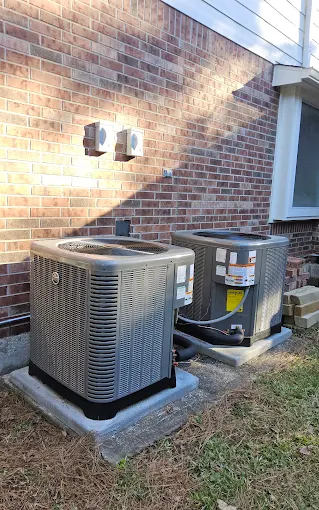
Indoor Air Quality Testing for Home Safety
On a typical August afternoon in The Woodlands, your doors and windows stay shut while your AC runs nonstop. You feel cool and comfortable—but what you’re breathing might tell a different story. According to the EPA, indoor air can be two to five times more polluted than outdoor air, and in high-humidity regions like ours, that number can climb even higher. Add in pollen from the pines, mold from heavy rains, and dust in aging ductwork, and the air inside your home can quietly become a health risk.
Indoor air quality testing is how you stop guessing and start knowing what’s really in the air your family breathes every day. It’s not just about comfort; it’s about long-term health, energy efficiency, and even the life of your HVAC system.
In this guide, you’ll learn what indoor air quality (IAQ) testing actually measures, why it matters so much in The Woodlands, what professional testing looks like, and how solutions like filtration, purification, humidity control, and duct improvements work together to keep your home safe.
Key Insight: You can’t fix what you can’t see. Indoor air quality testing reveals hidden problems—so you can choose the right solutions and protect your family’s health and comfort year-round.
Why Indoor Air Quality Matters So Much in The Woodlands
The Woodlands is a beautiful place to live—tree-lined neighborhoods, nearby lakes, and greenbelts everywhere. But that same environment creates a perfect storm for indoor air problems.
Between spring oak pollen, summer humidity that often sits above 70%, and frequent heavy rains, homes here are constantly exposed to:
- High levels of pollen and outdoor allergens
- Mold spores from damp soil and shaded areas
- Fine dust and particulate from construction and traffic on I‑45
- High moisture levels that feed mold growth indoors
If your home is newer and tightly sealed for efficiency, those contaminants get trapped inside. If it’s older, leaky ducts and poorly sealed attics can pull in even more dust and pollutants.
“Healthy indoor air isn’t a luxury; it’s a basic safety requirement—especially in hot, humid climates.” — HVAC & IAQ Best Practices, ACCA
Poor indoor air quality can contribute to:
- Chronic allergies and sinus issues
- Asthma flare-ups in children and adults
- Headaches, fatigue, or “musty house” odors
- Faster dust buildup on furniture and vents
For families in The Woodlands, testing provides a reality check: Is that constant cough just “Texas allergies,” or is your home part of the problem?
CALLOUT: If someone in your home has asthma, allergies, or a weakened immune system, indoor air quality testing should be treated like an annual health checkup for your house.
What Professional Indoor Air Quality Testing Actually Measures
Indoor air quality testing isn’t just waving a gadget in the air. A thorough professional assessment looks at multiple factors that work together to impact your health and comfort.
Common components of a professional IAQ test include:
- Particulate Matter (PM2.5 and PM10): Fine dust, smoke, pollen, and other tiny particles you can’t see but your lungs feel.
- Volatile Organic Compounds (VOCs): Gases from paints, cleaning products, new furniture, and building materials.
- Carbon Dioxide (CO₂): High levels can indicate poor ventilation and stale air.
- Relative Humidity: Critical in The Woodlands; too high and you invite mold, too low and you get dryness and irritation.
- Temperature and Airflow: Helps identify hot/cold spots and circulation problems.
- Visible and Airborne Mold Indicators: In some cases, targeted sampling or moisture mapping.
A homeowner in Creekside Park recently called complaining of “heavy air” and constant dust. Testing showed elevated PM2.5 and humidity averaging 65% indoors. Their filters were basic 1″ fiberglass, and their ducts were leaking in the attic. After upgrading to a better air filtration system installation and sealing ducts, follow-up testing showed dramatically lower particulates and more stable humidity.
CALLOUT: The goal of testing isn’t to sell equipment—it’s to give you objective data so any solution is targeted, not guesswork.
The Role of Your HVAC System in Indoor Air Quality
Your heating and cooling system is the heart and lungs of your home. Every time it runs, it circulates air—and whatever is in that air—through your rooms and ductwork. That makes your HVAC system both part of the problem and a powerful part of the solution.
How HVAC can worsen indoor air
- Dirty or undersized filters let fine particles blow straight through.
- Leaky ducts pull hot, dusty, or moldy attic air into your system.
- Poorly designed or aging ducts from old duct installation services can create dead zones with stagnant air.
- Oversized systems short-cycle, failing to dehumidify properly in our humid climate.
We often see homes in Alden Bridge and Panther Creek where beautiful remodels kept the old ductwork. The result: nice finishes, but musty smells and uneven cooling because the system was never updated to match the new layout.
How HVAC can improve indoor air
With the right setup, your system can:
- Filter out fine dust, pollen, and pet dander
- Control humidity with properly sized equipment and controls
- Circulate air effectively so pollutants don’t linger
- Pair with advanced solutions like whole-home purification and dehumidifiers
That might include upgrading to more efficient equipment, such as a modern heat pump through heat pump installation services, or adding IAQ accessories to your existing system.
“Your air quality is only as good as the system that moves that air around your home.” — Local HVAC Pro, Montgomery County
CALLOUT: If testing uncovers issues, the next step is often a combination of better filtration, tighter ductwork, and smarter control of temperature and humidity.
Filtration, Purification, and Duct Fogging: Modern Tools for Cleaner Air
Once testing reveals what’s in your air, the question becomes: what’s the right solution? There’s no one-size-fits-all answer, but most IAQ plans combine three main strategies: filtration, purification, and duct treatment.
Filtration: Catching the particles
Upgrading your filter is often the simplest, most cost-effective first step. A professional indoor air filtration contractor can help you select:
- Higher-MERV filters for fine dust and pollen
- HEPA-style systems for severe allergy or asthma concerns
- Whole house air filtration services that integrate into your existing HVAC
Purification: Neutralizing what filtration can’t catch
Filtration catches particles; purification targets microscopic contaminants and some gases. Options include:
- UV air purification systems that help deactivate certain bacteria, viruses, and mold spores
- Whole home air purification services that combine UV, ionization, and filtration
- In-duct air purification system installation for full-home coverage
Duct fogging: Deep cleaning your air pathways
If testing or inspection finds microbial growth or stubborn odors in your ducts, duct fogging services can help. This process uses an antimicrobial mist to treat the interior of your ductwork.
A family near Hughes Landing struggled with a persistent “old house smell” after a roof leak years ago. Traditional cleaning helped, but testing still showed issues. After targeted HVAC duct sanitizing and fogging and a filter upgrade, odors disappeared and allergy symptoms eased.
CALLOUT: The best IAQ setups use layers—filtration for particles, purification for microbes and some VOCs, and duct treatments when contamination is present.
Humidity Control: The Hidden Key to Healthy Air in The Woodlands
If you only remember one indoor air concept for our area, make it this: humidity control. The Woodlands lives in a humidity sweet spot—for mold, dust mites, and musty odors.
Ideal indoor humidity sits between 40–50%. In many local homes, we routinely see 60–70% indoors during the summer, even with the AC running. That level of moisture:
- Feeds mold growth on walls, around windows, and in ducts
- Makes your home feel warmer and “sticky,” even at lower temperatures
- Worsens dust mite and allergy symptoms
- Can warp wood floors and damage finishes over time
Professional humidity control services might recommend:
- Whole home dehumidifier installation tied into your ductwork
- Adjusting system settings or upgrading to HVAC humidity control systems
- Improving insulation and air sealing to reduce moisture infiltration
A couple in Sterling Ridge kept setting their thermostat down to 70°F just to feel comfortable, but their home still felt muggy. Testing showed high humidity, not a temperature issue. After adding indoor humidity control solutions and a dehumidifier, they raised their thermostat to 75°F and still felt comfortable—while lowering their energy bills.
CALLOUT: If your home often feels clammy, your windows sweat, or you smell mustiness after big storms, humidity control should be a top priority.
Traditional vs. Modern Approaches to Indoor Air Quality
Many homeowners still rely on cracked windows and basic filters to “clean up” indoor air. Modern IAQ strategies are more targeted, efficient, and effective—especially in a hot, humid climate.
Here’s a side-by-side look:
| Aspect | Traditional Approach | Modern IAQ Approach in The Woodlands |
|---|---|---|
| Filtration | 1″ fiberglass filter changed occasionally | High-MERV or HEPA-style filters with scheduled replacements |
| Humidity Control | Rely on AC alone | Dedicated dehumidifiers + system settings tuned for local climate |
| Ventilation | Open windows when weather allows | Balanced mechanical ventilation, where appropriate |
| Mold & Odor Issues | Surface cleaning, scented sprays | Targeted antimicrobial duct fogging and source removal |
| Monitoring | “Smell and feel” only | Periodic IAQ testing and smart monitoring devices |
| Energy Use | Lower efficiency, more runtime | Energy-efficient systems and controls with IAQ integrated |
One of the biggest shifts is how IAQ is now integrated into system design and upgrades. When homeowners call for air conditioning installation services or heating installation services, professionals can design the entire system—filtration, humidity control, ventilation, and ductwork—around both comfort and air quality.
What This Means for Homeowners in The Woodlands
Indoor air quality testing turns vague concerns (“Our house feels stuffy”) into clear action steps. For homeowners in The Woodlands, that clarity pays off in several ways:
- Health and comfort: With so many trees and so much moisture, local homes are constantly battling pollen and humidity. Testing helps you decide whether you need better filtration, purification, humidity control, or some combination.
- Energy efficiency: A system struggling with high humidity or dirty ducts works harder. Pairing IAQ improvements with seasonal heating maintenance services or AC tune-ups can improve performance and lower bills.
- Long-term protection: Mold and moisture problems don’t just affect air—they can damage your home’s structure and finishes. Catching issues early saves money and stress.
- Smarter upgrades: If you’re considering a new system, such as a dual fuel setup through dual fuel heat pump installation, IAQ testing helps ensure your new investment includes the right filtration, purification, and duct design from day one.
Many families in The Woodlands juggle busy schedules, kids’ activities, and long commutes down I‑45. Indoor air quality testing offers peace of mind that, when you finally walk through the door at the end of the day, your home is truly a safe, healthy place to breathe.
Frequently Asked Questions
Q: How do I know if my home in The Woodlands needs indoor air quality testing?
A: Common red flags include persistent musty odors, visible mold spots, frequent dust buildup, or family members with ongoing allergy or asthma symptoms that ease when they’re away from home. Homes near wooded greenbelts, lakes, or recent construction are especially prone to issues. If you’ve recently had residential air duct installation or major renovations, testing can confirm that your new setup isn’t trapping pollutants. Even if you don’t see a problem, an IAQ test provides a baseline, so you can track changes over time and make smarter decisions about filtration, humidity control, or duct improvements.
Q: Will better filters alone fix my indoor air quality problems?
A: Upgrading filters is a great start, but it’s rarely the whole answer—especially in our humid climate. Higher-MERV or HEPA-style filters installed by an indoor air filtration contractor can greatly reduce dust, pollen, and pet dander. However, they don’t remove excess moisture, neutralize certain bacteria or viruses, or solve duct contamination. Many Woodlands homes need a layered approach: improved filtration, humidity management, and sometimes UV or other purification technologies. IAQ testing helps pinpoint which combination will give you the best results for your specific home and health concerns.
Q: What’s the difference between duct cleaning and duct fogging?
A: Duct cleaning focuses on physically removing dust and debris from inside your ductwork, often using brushes and vacuums. Duct fogging, on the other hand, involves applying an antimicrobial mist throughout the ducts to treat microbial contamination and odors. In homes where testing or inspection finds mold or strong “dirty sock” smells, air duct disinfection services using antimicrobial duct fogging treatment can be an effective second step after cleaning. For businesses or larger homes, commercial duct cleaning and fogging can help address widespread issues in complex duct systems.
Q: How does humidity control tie into my AC and heating systems?
A: Your AC naturally removes some moisture, but in The Woodlands, it often isn’t enough—especially in spring and fall when temperatures are mild but humidity is high. That’s where dedicated HVAC humidity control systems come in. A whole home dehumidifier installation can tie directly into your ductwork and work alongside your AC and heat. Proper controls and thermostat settings help coordinate everything. During seasonal heating maintenance services, your technician can also ensure your heating system isn’t drying the air out too much in cooler months, helping you maintain a healthier, more comfortable balance year-round.
Q: If I’m replacing my AC or furnace, should I handle air quality upgrades at the same time?
A: Absolutely. When you schedule professional ac system installation or furnace and heating system installation, your HVAC contractor already has access to your ductwork, equipment, and controls. That makes it the ideal time to integrate whole home air purification services, enhanced filtration, or humidity control. You’ll often save on labor, avoid future disruptions, and end up with a system designed as a whole—not a patchwork of add-ons. If you’re considering residential furnace replacement or a new air conditioner installation near me, ask your contractor to include IAQ testing and recommendations in the proposal.
Q: Can thermostat upgrades help with indoor air quality?
A: They can, indirectly. Modern controls from a smart thermostat installation company give you more precise control over temperature, humidity, and system runtime. For example, some smart thermostats can be paired with dehumidifiers or ventilation equipment to maintain ideal indoor conditions automatically. Programmable thermostat replacement can ensure your system runs long enough to dehumidify properly without wasting energy. During hvac thermostat installation contractor visits, technicians can also optimize fan settings to improve air circulation, which helps your filtration and purification systems work more effectively.
Q: How often should indoor air quality be tested?
A: For most homes, a comprehensive IAQ test every few years—or after major changes like new new construction duct installation, system replacement, or flood damage—is a solid guideline. If someone in your household has serious respiratory issues, annual testing can be worthwhile. It’s also smart to test if you notice new or worsening symptoms, water damage, or lingering odors after a plumbing or roof leak. Pairing IAQ testing with routine air conditioning tune ups and heating inspections helps keep your whole system—comfort and air quality—working together.
Ready to Get Started?
Every day you wait, your family breathes whatever is already circulating through your home—good or bad. With our long cooling season in The Woodlands, your HVAC system runs for thousands of hours a year, constantly recirculating the same air. Indoor air quality testing gives you a clear picture of what’s in that air and a roadmap to make it healthier.
Now is an ideal time to act, especially before the next big pollen wave or stretch of heavy rain. A professional IAQ assessment from Conley Cooling and Heating can be combined with routine service, air conditioning repair services, or heating maintenance, saving you time and hassle.
The process is straightforward:
- Schedule a visit
- Get your home’s air tested and evaluated
- Review clear, customized recommendations
- Decide which improvements fit your needs and budget
Conley Cooling and Heating has deep roots in this community, so we understand the unique air challenges in The Woodlands. Our licensed technicians bring years of hands-on experience and a commitment to honest, data-driven recommendations—no scare tactics, just facts.
Breathe easier knowing your home is truly a safe place to live, work, and rest.
About Conley Cooling and Heating
Conley Cooling and Heating is a locally trusted HVAC company serving The Woodlands and surrounding communities with honest, expert service. Our team specializes in comfort and air quality solutions—from AC and heating to filtration, purification, and humidity control—tailored to the unique climate of Southeast Texas. With years of experience, professional certifications, and a reputation for doing the job right the first time, we help homeowners create safer, healthier, and more efficient homes. Learn more about our services at Conley Cooling and Heating.