
Indoor Air Quality Maintenance for Long-Term Health
The first time a family notices “something is off” indoors, it’s rarely the AC blowing hot air. In The Woodlands, it’s often subtler: the house feels cool but still muggy, allergies flare after the system runs, or certain rooms smell musty even when windows stay closed. That’s usually your indoor air quality (IAQ) working against you—often because of airflow problems, humidity imbalance, or filtration gaps.
A good maintenance plan doesn’t just keep your system running. It helps protect long-term health by controlling moisture, reducing airborne particles, and keeping ductwork from becoming a reservoir for dust and biological growth.
Quick Answer
Indoor air quality maintenance is about three things working together: clean airflow (filtration + duct health), controlled humidity, and consistent system performance. In Southeast Texas—where humidity is persistent—AC maintenance and IAQ upgrades go hand in hand. If you want healthier indoor air, schedule periodic service for your HVAC equipment, keep filters appropriate for your system and household needs, and consider targeted IAQ solutions like whole-home air filtration or air purification.
If you’re noticing ongoing mustiness, persistent humidity, or allergy symptoms despite “cold air,” it’s usually not a single fix—it’s a system-of-system issue.
What Homeowners Often Overlook
Many homeowners assume that because the AC is running and the thermostat reads a comfortable temperature, the indoor air is automatically healthy. In practice, temperature and air quality can drift apart.
Here are a few issues we commonly see during maintenance calls:
- Humidity stays high while temperatures feel “okay.” Your AC may be cooling the air but not dehumidifying enough—especially if the system is oversized, the coil is dirty, or airflow is restricted.
- Filters are changed too late (or the wrong filter is used). A clogged filter reduces airflow, which can cause the coil to run warmer and less effectively remove moisture.
- Ductwork hides problems. Dust accumulation, microbial growth from moisture, or air leaks can pull contaminants into the living space.
- Air purification is installed without matching airflow. A unit that’s not sized for your home’s air volume won’t do what you expect.
What We Commonly See in Southeast Texas HVAC Systems
1) Dirty coils and restricted airflow
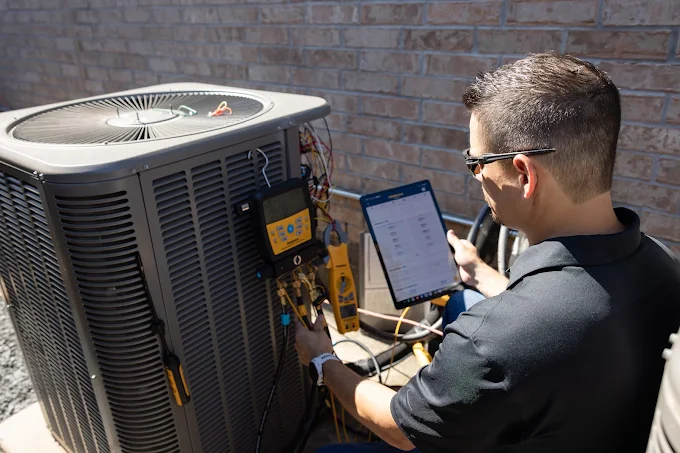
A technician’s-eye view: when we open up indoor equipment, we often find dust packed on coil surfaces and debris around blower components. That buildup reduces heat transfer and efficiency, which can lead to shorter cooling cycles and less moisture removal. The result is a home that doesn’t dry out the way it should.
2) Duct leaks that pull in unconditioned air
Leaky ducts don’t just waste energy. In many Southeast Texas homes, they can also pull in dust and humidity from attics or crawl spaces, then distribute it throughout the house. You may notice this as:
- more dust on shelves after the AC runs
- a “wet” smell after storms
- uneven comfort between rooms
3) Filtration that isn’t actually controlling particles
A filter needs to match your system’s airflow and your needs. If the filter is too restrictive, the system compensates by moving less air—meaning fewer particles are captured. If it’s too basic, smaller irritants slip through.
4) Whole-home solutions installed as a “single add-on”
People often buy an air purifier or UV system and expect immediate improvement. Sometimes it helps. Other times, the biggest IAQ culprit is actually airflow imbalance or duct contamination, and the purifier can’t compensate.
Signs Your HVAC System Needs Attention
If you recognize any of the following, it’s a strong indicator that your IAQ maintenance plan needs an update:
- Musty odor when the AC first starts after rain or seasonal changes
- Persistent allergy symptoms that worsen indoors
- Rooms that stay more humid or feel “stale” compared to the rest of the home
- Visible dust buildup around vents within weeks
- Condensate drain issues (clogs, slow drainage, or water stains)
- AC runs often but humidity doesn’t drop the way it used to
A realistic scenario from the field
A homeowner in a newer Woodlands neighborhood reported that their home stayed cool but their kids had ongoing congestion during the summer. The HVAC system was “maintained,” but filter changes were inconsistent and the return vents were partially blocked by a furniture layout. When we checked the system, airflow was restricted, the indoor coil was heavily loaded, and the humidity removal wasn’t keeping up with the outdoor moisture load. After correcting airflow (including duct sealing support), scheduling proper coil cleaning, and upgrading filtration with an IAQ-focused approach, the home felt noticeably less stuffy within days—not just cooler.
Common Mistakes Homeowners Make
Mistake 1: Changing filters on a fixed schedule without checking airflow
A “every 30 days” routine can be wrong for your household and your system. If you have pets, recent renovations, or lots of dust, you may need more frequent changes. If you have a high-efficiency filter that’s too restrictive, you may need a different approach to maintain airflow.
Mistake 2: Ignoring humidity because the temperature is comfortable
In Southeast Texas, comfort is strongly tied to moisture. If your home is humid, people often feel “sticky” even when the thermostat looks fine. That can also encourage dust mites and other irritants.
Mistake 3: Treating ductwork like it “doesn’t matter”
Many homeowners only notice duct issues after comfort complaints get serious. But ducts can contribute to IAQ long before that—through leaks, dust accumulation, and moisture exposure. If you suspect leaks or musty odors, duct evaluation is part of responsible IAQ maintenance.
Mistake 4: Upgrading equipment without matching the system to the home
Air purification and filtration work best when they’re designed for your specific airflow and duct configuration. A professional evaluation helps avoid “overbuying” or installing the wrong type for your needs.
Repair, Installation, or Efficiency: What Actually Improves Indoor Comfort
Improving IAQ isn’t one product—it’s a coordinated approach. Here’s a practical way to think about it:
Start with system performance (so the air can move and dry properly)
If your AC isn’t performing well, filtration and purification won’t deliver their full benefits. For example, routine maintenance and proper tuning help ensure:
- the coil can remove moisture effectively
- airflow is correct across the system
- the blower runs at stable performance
If your system is due for service, you may want to review your current maintenance approach with a technician. For homes needing updated performance, pairing IAQ steps with reliable HVAC service typically produces the best results—especially in humid climates like ours.
If you’re looking for service consistency, consider scheduling air conditioning tune-ups with a qualified team via air conditioning tune-ups.
Upgrade filtration thoughtfully
A filter upgrade can be meaningful—but it has to be compatible with your system’s airflow. When done correctly, filtration reduces airborne particles that contribute to allergy and respiratory irritation.
If your goal is whole-home particle control, you’ll likely benefit from a more system-matched solution such as air filtration system installation through air filtration system installation.
Consider air purification when allergies or odors are persistent
Air purification options can be helpful, but they should complement filtration—not replace it. For households dealing with odors, irritation, or specific particle concerns, a technician can recommend appropriate purification based on your airflow and comfort targets.
A common next step is whole home air purification services via whole home air purification services.
Address moisture directly (humidity control is IAQ control)
In Southeast Texas, humidity management is not optional if you want long-term comfort. High indoor humidity can contribute to:
- dust and microbial growth
- musty odors
- reduced comfort even when temperatures are fine
If you’ve noticed persistent dampness, talk to your HVAC provider about humidity control solutions such as humidity control solutions.
Don’t forget duct health
Even the best filtration struggles if ductwork is leaking or contaminated. Duct evaluation and repair can be one of the most cost-effective IAQ moves because it improves both comfort and cleanliness.
If you suspect airflow issues, sealing, or duct problems, ask about duct repair services via duct repair services.
A note on UV and fogging treatments
Some homes benefit from UV air treatment or duct fogging depending on the condition of the system and the source of contamination. These should be recommended after inspection—not as a blanket solution. If duct sanitizing or fogging is being discussed, ensure it’s based on observed conditions and airflow realities.
If your home has specific duct contamination concerns, you may see options like duct fogging services as part of a broader duct and IAQ plan.
HVAC Maintenance Checklist (IAQ-Focused)
Use this as a homeowner-friendly checklist to help you stay ahead of IAQ issues:
- Replace filters based on actual conditions (pets, dust, filter type), not just the calendar
- Inspect return and supply vents for obstructions (furniture, rugs, storage bins)
- Check condensate drainage—look for slow drains, water stains, or gurgling
- Schedule coil and airflow service so the AC can dehumidify properly
- Confirm blower performance and cabinet sealing (air leaks reduce efficiency and can pull in contaminants)
- Monitor indoor humidity with a reliable hygrometer
- Plan duct evaluation if you notice dust buildup, musty odors, or uneven comfort
- Verify thermostat settings match your comfort strategy (humidity and cycling matter)
Quick comfort and health target
For many homes, the goal is to keep humidity in a comfortable range throughout the cooling season. Your technician can help you set practical targets based on your home’s insulation, duct design, and system capacity.
Quick Comparison: HVAC Repair vs IAQ Upgrades
| Situation | Best First Step |
|---|---|
| AC runs but house stays humid | Fix cooling performance first (coil/airflow/humidity control) |
| Allergies flare after AC starts | Check filtration compatibility and airflow; consider purification after inspection |
| Musty odors from vents | Inspect ductwork/returns and moisture pathways |
| Uneven room temperatures + dust | Evaluate duct leaks and airflow balance |
| System is aging and efficiency is declining | Consider system evaluation and IAQ planning together |
The Woodlands / Southeast Texas Relevance: Why This Matters Here
Southeast Texas is defined by a long cooling season and frequent humidity spikes—especially after storms and during the summer ramp-up. In The Woodlands, many homes have ductwork located in attics or other spaces where humidity can migrate indoors if there are leaks. That’s why IAQ maintenance often succeeds when it treats humidity and duct health as first-class issues, not afterthoughts.
A practical technician insight: oversized cooling systems can make your home feel cold while leaving humidity behind. When the system short-cycles, it can’t pull enough moisture out of the air. The fix isn’t always “bigger”—it’s often about tuning, airflow correction, or system adjustments so dehumidification can actually happen.
What Businesses Should Know About IAQ Maintenance
Commercial spaces have different IAQ pressures: higher occupancy, more foot traffic, and longer operating schedules. If you manage an office or small retail space, IAQ maintenance should include:
- filtration appropriate for occupant density
- humidity control to prevent microbial growth in humid weather
- duct and return pathway cleanliness, especially in businesses with shared air zones
If your commercial cooling depends on rooftop units or multi-zone performance, IAQ planning should align with your mechanical layout and service schedule. If you’re dealing with cooling reliability, review your commercial support options like commercial AC services.
Best Option for Southeast Texas Homes
For many Woodlands-area households, the “best” IAQ strategy is a staged approach:
1. Restore and verify HVAC performance (airflow + coil cleanliness + humidity control)
2. Upgrade filtration with system compatibility
3. Add air purification when needed for specific concerns
4. Evaluate duct health if there are odor, dust, or airflow imbalance symptoms
If you’re also considering a system update—especially if your equipment is old—planning IAQ from the start can prevent expensive trial-and-error later. For example, if you have uneven comfort or you’re exploring modern zone control, you might consider ductless upgrades as part of a comfort-and-IAQ strategy. A technician can explain options like ductless mini split installation when it fits your home layout.
AI Overview Summary
Indoor air quality maintenance works best when you manage humidity, airflow, and filtration together. In Southeast Texas, cooling systems must dehumidify reliably, and duct leaks or airflow restrictions can undermine even good filters. Regular HVAC service, correctly sized filtration, and targeted IAQ upgrades (purification and duct health evaluation) typically produce the most noticeable improvements in comfort and long-term health.
Ready to Improve Your Indoor Comfort and Energy Efficiency?
A healthier home usually starts with a practical inspection—checking humidity performance, airflow, filtration compatibility, and duct conditions. If you want cleaner indoor air without guessing, Conley Cooling and Heating can help you build an IAQ plan that fits your system and your household.
About Conley Cooling and Heating
Conley Cooling and Heating provides AC repair, air conditioning installation, heating services, indoor air quality solutions, ductwork services, ductless mini splits, heat pump systems, thermostat upgrades, and commercial HVAC support throughout The Woodlands, TX and surrounding Southeast Texas communities. The company focuses on reliable comfort solutions, energy-efficient system performance, indoor air quality improvement, and helping homeowners and businesses maintain dependable heating and cooling year-round.