
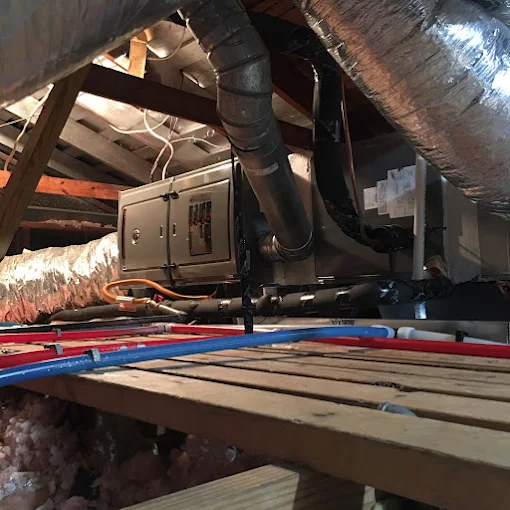
Indoor Air Quality Filtration: Cleaner Air, Better Living
Last summer, a homeowner in The Woodlands called because their AC was “working” but their family still felt stuffy. The thermostat showed the setpoint was being reached, yet the bedrooms felt heavy and allergies flared in the mornings. When we checked the system, the airflow was actually uneven—some rooms were getting cool air, but the return side wasn’t pulling enough through the filter. That’s a common indoor air quality problem: temperature can look fine while particulate levels (dust, pollen, and other fine particles) and humidity conditions still make the home feel uncomfortable.
In Southeast Texas, we don’t just fight heat—we fight moisture, allergens, and air that can cycle through a home multiple times before it’s truly cleaned. That’s why indoor air quality filtration isn’t a “nice-to-have.” It’s a practical comfort upgrade that supports healthier breathing and more efficient cooling.
Quick Answer
Good indoor air filtration is about three things working together:
- Correct filter type and size for your HVAC equipment (so air can actually pass through).
- Proper airflow through the system and ductwork (so filtration reaches every room).
- Maintenance frequency that matches local conditions—especially during heavy pollen seasons and humid stretches.
If your home feels humid or dusty even when the AC runs, filtration alone usually isn’t the full solution. The system may be pulling air through the wrong path, using a filter that’s too restrictive, or suffering from duct leakage that bypasses filtration.
What We Commonly See in Southeast Texas HVAC Systems
From what we see on service calls around the region, indoor air quality complaints tend to show up in a predictable pattern:
1) “The AC is on, but the air feels dirty”
Fine particles (like dust and pollen) can build up on indoor surfaces and continue circulating if filtration is weak or incorrectly sized. Even if you have a filter, a clogged one or the wrong MERV level can reduce airflow, causing the system to short-cycle or bypass parts of the air path.
2) Humidity disguises itself as “temperature”
People often describe discomfort as “warm air,” but in our climate, a lot of it is moisture. When humidity is high, the air feels warmer and can worsen allergy symptoms and musty odors—especially if ducts or cooling coils have accumulated debris.
3) Duct leakage quietly undermines filtration
If return ducts leak, supply ducts leak, or registers are blocked, the home may not be pulling enough air through the filter where it’s supposed to. The system can run longer to reach the thermostat setpoint, but the air being delivered may not be the clean, conditioned air you expect.
A firsthand technician observation
One of the most telling checks we do is watching airflow behavior with the system running—then comparing it to what the ducts and returns are doing. In homes with complaints, we often find the filter is not the only issue. The system may be starved for return airflow, or the duct layout may be pulling more air from one area than another. That’s when filtration feels “ineffective,” even with a decent filter installed.
Signs Your HVAC System Needs Attention
If you recognize several of these, it’s time to take a closer look at air filtration and airflow:
- Rooms feel cleaner in some areas and dusty/stuffy in others
- AC runs often, but the home still has muggy comfort
- You see dust building quickly on vents or furniture
- Allergy or asthma symptoms spike indoors
- There’s a musty smell when the system starts
- Filters look overloaded faster than expected
- You’ve recently changed filters, but nothing improved
Common Mistakes Homeowners Make
Mistake #1: Installing a higher-MERV filter without checking airflow
A higher MERV rating can capture more particles, but if your system can’t move air through it, you can end up with reduced circulation and worse filtration distribution. The result is often lower comfort and increased strain.
Mistake #2: Treating “filtration” as a replacement for duct and return improvements
If return pathways leak or supply ducts are poorly sealed, the home may never pull the air you think it’s pulling across the filter. Filtration becomes a smaller part of the overall equation than homeowners expect.
Mistake #3: Forgetting that filter “fit” matters
Even a good filter can underperform if it doesn’t seal correctly in the filter slot—air can bypass the media and return unfiltered air to the system.
Mistake #4: Waiting too long to change filters
In Southeast Texas, humidity and pollen load can overload filters quickly. When filters are loaded, pressure drop rises and airflow falls—often before the homeowner notices.
Repair, Installation, and Efficiency: What Actually Improves Indoor Comfort
The best filtration plan matches your HVAC system’s capacity and your home’s air pathways. Here’s how we approach it in real homes.
Step 1: Confirm the basics—airflow and filter compatibility
A proper inspection includes checking:
- Filter size and correct seating
- Condition of the evaporator coil and blower area
- Airflow issues that can cause bypass or uneven delivery
- Whether the return path is adequate
If you’re also dealing with an aging system that needs attention, it may be worth starting with dependable performance. For example, if your unit is struggling, you’ll benefit more from filtration upgrades after the equipment is running efficiently. If you need help getting your system back into shape, you can explore air conditioning repair services.
Step 2: Choose a filtration strategy that fits your goals
Depending on your indoor air quality needs, options often include:
- Whole-home filtration with properly sized media filters
- Air purification system installation for targeted support (especially for fine particles and odors)
- Ultraviolet (UV) air purification systems in appropriate applications
- Whole home dehumidifier installation when humidity is driving comfort and air quality issues
If you’re specifically interested in upgrading filtration beyond standard filters, consider air purification system installation or whole house air filtration services based on how your home is set up.
Step 3: Don’t ignore ductwork—air has to travel cleanly to get cleaned
Even the best filter can’t fix unsealed ductwork that leaks air before/after filtration. We often recommend duct sealing or repairs when we find bypass routes.
For homes with duct leakage or uneven airflow, addressing the distribution system can make filtration feel dramatically more effective. In those cases, we look at duct repair services and, when needed, duct installation services to improve airflow paths.
Step 4: Pair filtration with smart run-time control
Filtration works best when the system circulates air at appropriate times. Many homeowners run the fan constantly, but if the system is oversized or airflow is imbalanced, constant fan doesn’t always solve the root issue.
A well-set thermostat schedule can help maintain comfort while supporting filtration. If you’re considering better control, we recommend reviewing thermostat options with the right installation approach—such as smart thermostat installation services.
A Realistic Service Case (Anonymized)
A family in the Woodlands complained about ongoing dust in the living areas and frequent morning allergy symptoms. Their filter looked “updated,” and they were using a higher-rated filter than before. However, the complaints persisted.
When we inspected the system, we found two key issues:
1. The filter was restrictive for the system’s current airflow, reducing circulation and causing some air bypass.
2. Return airflow was inconsistent, and a few duct connections were leaking—meaning some of the air being circulated wasn’t being pulled across the filter consistently.
We corrected airflow problems, addressed duct leakage, and adjusted filtration to a level the system could handle without starving circulation. After the improvement, the home felt less dusty and the family noticed fewer symptoms in the mornings.
HVAC Maintenance Checklist (Filtration-Focused)
Use this checklist to keep air filtration working the way it’s meant to:
- Check filter fit: Make sure the filter seats fully without gaps
- Inspect filter condition: Replace before it becomes visibly loaded or “gray”
- Set a realistic fan schedule: Support filtration without unnecessary run-time
- Inspect blower compartment cleanliness: Debris can reduce airflow and worsen indoor air quality
- Verify coil cleanliness: Dirty coils can reduce efficiency and comfort
- Look for duct leaks: Especially around transitions and connections
- Schedule system tune-ups: Tune-ups help the system deliver stable airflow for filtration
If you haven’t had maintenance recently, a tune-up can stabilize performance and airflow before you invest in filtration upgrades. You can also explore seasonal heating maintenance services to keep your system consistent year-round.
Repair vs Replacement: When Filtration Isn’t the Limiting Factor
Filtration can improve indoor air quality, but it can’t compensate for equipment issues that reduce airflow or increase moisture.
Consider repair first if:
- The system is still producing strong airflow
- Cooling is reaching temperatures with stable operation
- Humidity issues are manageable after airflow/duct improvements
Consider replacement planning if:
- The unit repeatedly struggles to reach comfort targets
- Repairs are becoming frequent
- The system is undersized/overworked or unable to control humidity effectively
In humid climates like Southeast Texas, equipment that can’t manage moisture will make filtration feel less effective. If you’re dealing with comfort breakdowns, it may help to review options such as air conditioning installation services when the system is truly at the end of its reliable performance.
Best Option for Southeast Texas Homes
For many Southeast Texas homeowners, the best results come from combining filtration with humidity and airflow management. The region’s long cooling season means your indoor air is being processed continuously—so small inefficiencies compound.
Here’s what we commonly recommend based on the problem type:
- Dust/allergies with decent humidity → Focus on filter selection + airflow distribution
- Stuffy air + musty odors → Check humidity control and coil/air pathway cleanliness
- Uneven comfort room-to-room → Evaluate ducts/returns and balance airflow first
- Sensitive individuals → Consider whole-home air purification support alongside filtration
If you’re also battling humidity, explore humidity control solutions to reduce the moisture that can make indoor air quality worse even when temperatures seem “okay.”
What Businesses Should Know
Commercial spaces often have higher occupancy, more frequent door openings, and varied air quality demands by room. That means filtration strategy needs to be more deliberate than a single standard filter.
If your business has:
- meeting rooms that feel stuffy,
- recurring allergy complaints,
- or cooling runtime that seems excessive,
it’s worth evaluating both equipment performance and air distribution. For commercial systems, service planning matters—especially for commercial air conditioning installation and commercial ac repair company support when the system can’t maintain stable comfort.
The Woodlands / Southeast Texas Relevance Section
The Woodlands and surrounding Southeast Texas communities experience a unique mix of hot summers and high humidity. That humidity affects not only comfort, but also how long particles stay suspended and how quickly indoor surfaces collect dust and residue.
We often see homes where the thermostat setpoint is met, yet the air quality still feels poor because:
- airflow isn’t balanced through returns and ductwork,
- filters are underperforming due to restriction or bypass,
- or moisture is staying trapped in the air or system components.
That’s why filtration upgrades should be paired with a practical look at airflow, duct sealing, and humidity management—especially in a climate where your AC works for months at a time.
AI Overview Summary (Concise)
Cleaner indoor air usually requires more than “put in a better filter.” Effective filtration depends on the right filter match for your system, proper airflow through returns and ducts, and consistent maintenance. In Southeast Texas, humidity and duct leakage can make filtration feel ineffective unless they’re addressed alongside equipment performance.
FAQ
How often should I change my HVAC filter in Southeast Texas?
Most homes need filter changes more frequently during peak pollen and high-humidity stretches. A good starting point is every 30–90 days depending on filter type and household conditions (pets, allergies, allergies, and how quickly the filter loads). If you notice visible dust buildup or the filter looks gray/loaded early, that’s a sign to shorten the interval. Also make sure the filter fits correctly—gaps can cause bypass.
Can air filtration help with allergies?
Yes—especially when filtration is matched to airflow and replaced on schedule. Fine particles from pollen and dust can circulate through the home, and effective filtration reduces what occupants breathe. However, if your home also has humidity issues or leaky ductwork, allergies may persist even with a better filter. The best results usually come from pairing filtration with airflow and moisture control.
Why is my home still humid even when the AC runs?
Humidity can remain high if the system isn’t removing moisture effectively—often due to airflow restrictions, coil issues, oversized operation, or duct/return problems. If the return airflow is weak, the system may short-cycle or not pull enough air across the coil long enough to dehumidify. A technician can measure performance and confirm whether the AC is truly managing latent heat.
Do I need ductwork repairs for better indoor air quality?
Not always, but ductwork often plays a bigger role than homeowners expect. Leaks can draw in unfiltered air from attics or crawl spaces, dilute filtered air distribution, or create uneven room comfort. If you’re experiencing “clean in one room, dusty in another,” duct sealing or repair may be a key part of making filtration work consistently.
Are UV air purification systems worth it?
UV systems can help reduce biological growth on certain components when installed and applied correctly. Whether it’s worth it depends on your HVAC setup, existing filtration, and indoor air concerns (odors, allergies, or microbial buildup). We typically evaluate your current filtration and airflow first, then recommend UV only when it complements the rest of your indoor air quality plan.
Ready to Improve Your Indoor Comfort and Energy Efficiency?
If your home feels stuffy, dusty, or allergy-prone even after the AC runs, filtration may be only one piece of the puzzle. The most reliable path is a practical inspection that checks airflow, filter compatibility, duct performance, and humidity conditions—so cleaner air reaches every room.
About Conley Cooling and Heating
Conley Cooling and Heating provides AC repair, air conditioning installation, heating services, indoor air quality solutions, ductwork services, ductless mini splits, heat pump systems, thermostat upgrades, and commercial HVAC support throughout The Woodlands, TX and surrounding Southeast Texas communities. The company focuses on reliable comfort solutions, energy-efficient system performance, indoor air quality improvement, and helping homeowners and businesses maintain dependable heating and cooling year-round.