
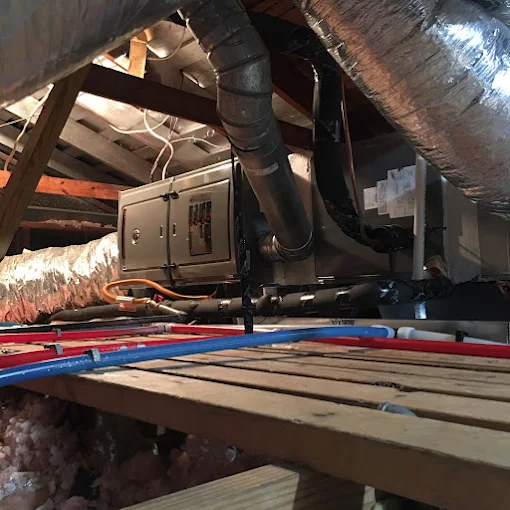
Indoor Air Quality Essentials: Freshness You Can Feel
On a humid August afternoon in The Woodlands, most people assume that stepping indoors means instant relief. But many homes and businesses across Montgomery County have air that’s actually less healthy inside than outside. The EPA estimates indoor air can be two to five times more polluted than outdoor air—sometimes even higher in tightly sealed, energy-efficient buildings.
Between pollen from the pines, Gulf Coast humidity, and long cooling seasons, indoor air quality (IAQ) in our area isn’t just a comfort issue. It affects allergies, asthma, energy bills, and even productivity at work. If you’ve ever noticed a musty smell when the AC kicks on, lingering dust no matter how much you clean, or headaches that fade when you leave the building, IAQ may be the missing piece.
This guide walks through the essentials of cleaner, fresher indoor air—what’s really in the air you breathe, how your HVAC system helps (or hurts), and practical upgrades that make a measurable difference for homes and businesses in The Woodlands.
Key Insight: Healthy indoor air isn’t an accident. It’s the result of the right equipment, smart humidity control, and consistent maintenance working together as a system.
What’s Really in Your Indoor Air (And Why It’s Worse in The Woodlands)
Indoor air issues often start small and build over time. In our climate, three major factors tend to collide:
- High outdoor humidity
- Long cooling seasons with heavy AC use
- Tight building envelopes designed to save energy
That combination can trap pollutants inside while creating ideal conditions for mold, dust mites, and bacteria.
Common indoor contaminants we see in local homes and businesses include:
- Tree and grass pollen tracked in from yards, parks, and golf courses
- Fine dust and debris from undersized or leaky ductwork
- Volatile organic compounds (VOCs) from cleaning products, furniture, and flooring
- Mold spores in damp closets, attics, and poorly drained areas
- Pet dander and hair that recirculate through the HVAC system
A recent service visit to a family near Creekside Park is a good example. They complained of “heavy” air, morning congestion, and a faint odor when the system started. Their filters were changed regularly, but their ducts were original to the home and never cleaned or sealed. We found gaps in the return duct pulling dusty attic air directly into the system, plus visible microbial growth on some interior surfaces.
After sealing and repairing the ductwork, adding targeted filtration, and adjusting their AC settings, the homeowner reported noticeably fresher air within days—and fewer allergy flare-ups for their kids.
“Most IAQ problems are invisible. By the time you smell something, the issue has usually been there for a while.” — Senior Technician, Conley Cooling and Heating
How Your HVAC System Shapes Indoor Air Quality
Your air conditioner, heater, and ductwork do more than heat and cool. They decide what gets circulated through your building all day, every day.
A properly designed and maintained system should:
- Filter airborne particles effectively
- Control humidity within a healthy range (about 40–60%)
- Provide consistent air changes without drafts or hot/cold spots
- Avoid drawing in unconditioned, unfiltered attic or crawlspace air
When any piece is undersized, aging, or poorly installed, indoor air usually suffers.
System Design and Installation
Older or incorrectly sized systems often run too short a cycle to dehumidify properly. That’s a common issue we find when homeowners hire a low-bidder for air conditioning installation services who doesn’t perform a proper load calculation.
In one patio home off Research Forest, the previous contractor installed an oversized unit to “cool faster.” The result was a clammy, cold interior with persistent window condensation—perfect for mold growth. Replacing it with a right-sized, high-efficiency unit and correcting the duct layout stabilized both temperature and humidity.
Maintenance and Repair
Even the best equipment can’t maintain good air quality if it’s neglected. Clogged filters, dirty coils, and blocked condensate drains all contribute to musty odors and microbial growth.
A local medical office in The Woodlands Town Center called us for odor complaints in their waiting room. Our inspection uncovered a partially clogged condensate line and biologic buildup on the evaporator coil. With thorough cleaning and scheduling regular air conditioning repair services and tune-ups, complaints stopped—and the staff reported fewer afternoon headaches.
“Your HVAC system is the lungs of your building. If it’s struggling, your air quality will too.” — Conley Cooling and Heating
Filtration vs. Purification: What’s the Difference and What Do You Need?
Many people use “filters” and “purifiers” interchangeably, but they do different jobs—and the best IAQ strategies in The Woodlands often use both.
Filtration: Capturing Particles
Filtration focuses on trapping solid particles like dust, pollen, pet dander, and some smoke. Standard 1-inch filters catch large debris, but often let finer particles pass through.
Upgrading to enhanced filtration—such as media filters or whole house air filtration services—can:
- Reduce visible dust and improve cleanliness
- Help allergy and asthma sufferers breathe easier
- Protect your HVAC equipment from buildup
We recently helped a family in Alden Bridge whose son struggled with severe seasonal allergies. By installing a high-MERV media filter and sealing duct leaks, their airborne pollen levels dropped significantly. They noticed less dust on surfaces and fewer late-night coughing fits.
Purification: Neutralizing Contaminants
Purification typically addresses microscopic particles, odors, and biological contaminants like bacteria, viruses, and mold spores. Options include:
- UV lights inside the HVAC system
- Advanced air purification system installation integrated into ductwork
- Standalone room purifiers for targeted spaces
A local daycare near Panther Creek opted for whole home air purification services integrated into their existing system. Staff reported fewer lingering odors and parents appreciated the added layer of protection during cold and flu season.
Here’s a quick comparison:
| Approach | Best For | Typical Application |
|---|---|---|
| Basic 1″ Filter | Large dust, lint | Standard residential |
| High-MERV Media Filter | Dust, pollen, pet dander | Allergy-prone homes |
| HEPA-Style Filtration | Fine particulates, smoke | Medical, sensitive environments |
| UV Air Purification Systems | Microbes on coils & in airflow | Homes & businesses wanting extra protection |
| Whole-Home Purification Systems | Odors, VOCs, microbes & fine particles | Comprehensive IAQ solution |
“Filters catch; purifiers transform. The right combo depends on your building, your health concerns, and your budget.” — IAQ Specialist, Conley Cooling and Heating
Humidity Control: The Hidden Key to Comfort and Health
If you live in The Woodlands, you already know humidity is a big deal outdoors. Inside, it’s even more important—and more controllable.
When indoor humidity creeps above 60%, you’re more likely to experience:
- Musty odors and visible mold growth
- Dust mite proliferation (a major allergen)
- Sticky, uncomfortable rooms even at lower temperatures
- Warping of wood floors, cabinets, and trim
On the flip side, humidity that’s too low (less common here, but possible in over-dried buildings) can cause dry skin, nosebleeds, and static electricity.
Real-World Example
A small accounting firm off Woodlands Parkway called us about “stuffy air” and employee complaints of sinus irritation. Their thermostat read 72°F, but humidity hovered around 68–70% most days. The cause: an older AC system, oversized and short-cycling, plus minimal ventilation.
We recommended a right-sized replacement system paired with HVAC humidity control systems. After installation, indoor humidity stabilized around 50%, and the staff noticed that the office felt cooler at the same temperature setting. They also reported fewer afternoon slumps and headaches.
Tools for Better Humidity Management
Depending on your building and existing equipment, options might include:
- Whole home dehumidifier installation integrated into ductwork
- Smart thermostats with humidity monitoring and control
- Adjustments to fan speed and cycle times
- Sealing leaky ducts that pull in moist attic or crawlspace air
“In our climate, temperature is only half the comfort equation. If humidity is wrong, everything feels off.” — Conley Cooling and Heating Lead Installer
Ducts, Mini-Splits, and Heat Pumps: Choosing the Right Path to Cleaner Air
How air moves through your building matters just as much as how it’s cooled or heated. The Woodlands has a mix of newer, tightly built homes and older properties with aging ductwork—each with different IAQ challenges.
Ductwork: The Silent Player
Leaky or poorly designed ducts can:
- Draw in attic dust, insulation fibers, and outdoor pollutants
- Create hot and cold spots that encourage mold in damp rooms
- Force your system to work harder, increasing wear and tear
A homeowner in Cochran’s Crossing was battling dust despite frequent cleaning. Our inspection revealed several disconnected joints in the attic and undersized returns. With targeted duct repair services and sealing, dust levels dropped and the system ran quieter and more efficiently.
Sometimes, especially in renovations or additions, new HVAC ductwork installation contractor services are the best route to ensure proper airflow and filtration.
Ductless Mini-Splits
In garages, bonus rooms, or older homes without existing ducts, ductless systems can actually improve IAQ by avoiding dusty, contaminated ductwork altogether.
Benefits of ductless mini split installation include:
- Individual room control and filtration
- No duct losses or attic dust infiltration
- Great for home offices, sunrooms, or studio spaces
We installed a multi zone mini split system for a homeowner running a small home gym and office above their garage. Previously, a window unit struggled to keep up, leaving the space damp and musty. With the new system, they enjoy precise temperature and humidity control—and noticeably fresher air.
Heat Pumps and Dual Fuel Systems
Modern energy efficient heat pump systems offer year-round comfort with excellent dehumidification during cooling season. When paired with a well-designed duct system and quality filtration, they can be a cornerstone of healthier indoor air.
“The right equipment choice isn’t just about utility bills. It sets the foundation for how clean and comfortable your air can be.” — System Designer, Conley Cooling and Heating
Smart Controls, Maintenance, and Modern vs. “Set It and Forget It”
Technology has changed how we manage indoor air. Thermostats and controls used to focus on temperature alone. Now, smart systems can monitor humidity, filter status, and even air quality metrics.
Smart Thermostats and IAQ
Upgrading with thermostat installation services can:
- Help maintain ideal humidity levels
- Provide reminders for filter changes and maintenance
- Integrate with dehumidifiers, purifiers, and zoning systems
- Allow remote adjustments during sudden weather swings
A family in Sterling Ridge installed a smart thermostat and set up custom schedules for work and school hours. Not only did their energy use drop, but they caught a humidity spike early when the app alerted them to unusual readings—leading us to discover a developing condensate issue before it caused water damage.
Traditional vs. Modern IAQ Approach
| Aspect | Traditional “Set & Forget” | Modern IAQ-Focused Approach |
|---|---|---|
| Thermostat Control | Temperature only | Temp + humidity + scheduling |
| Filtration | Basic 1″ filter | Enhanced filtration + reminders |
| Maintenance | Reactive repairs | Planned tune-ups & inspections |
| IAQ Awareness | Odors & comfort only | Data-driven (humidity, runtime, etc.) |
| Response to Issues | After visible problems appear | Early detection & prevention |
“Smart controls don’t replace good equipment, but they help you get the most out of what you have—and spot IAQ issues sooner.” — Conley Cooling and Heating
Regular heating service and maintenance and AC tune-ups round out the picture, keeping coils clean, drains clear, and airflow balanced.
What This Means for Businesses in The Woodlands, TX
For local businesses—whether you’re running a medical office in Hughes Landing, a boutique in Market Street, or a warehouse near I-45—indoor air quality directly affects how people feel in your space.
Poor IAQ can lead to:
- Increased employee sick days and reduced productivity
- Customer complaints about odors, stuffiness, or discomfort
- Higher cleaning costs due to dust and residue
- Premature wear on sensitive equipment and inventory
A distribution facility near Oak Ridge North contacted us after noticing a recurring musty smell and visible dust accumulation on products. Their rooftop units were operating, but ductwork was leaking, filters were overdue for replacement, and humidity regularly hovered near 70%. By upgrading to properly sized rooftop equipment, improving commercial ac services, and adding enhanced filtration, they not only improved air quality but also reduced energy costs.
Local commercial clients often benefit from:
- Proactive maintenance contracts for both commercial heating services and cooling
- Targeted air duct disinfection services in high-traffic or sensitive areas
- Smart controls that integrate with building management systems
In a competitive market like The Woodlands, where customers have many options within a few miles, the comfort and freshness of your space can quietly influence how long they stay and how often they return.
For property managers and business owners, investing in IAQ isn’t just about meeting code—it’s about creating a healthier, more welcoming environment that supports your staff and protects your reputation.
Frequently Asked Questions
Q: How do I know if my home’s indoor air quality is actually a problem?
A: Many IAQ issues show up as symptoms before you see physical signs. Common red flags in The Woodlands include persistent dust despite regular cleaning, musty odors when the AC or heat starts, family members with ongoing congestion or headaches that improve when they’re away from home, and visible mold around vents or windows. Hot and cold spots, or rooms that feel damp or “heavy,” also point to airflow and humidity problems. A professional evaluation can include checking ductwork, measuring humidity, inspecting filtration and coils, and reviewing how your system was installed. From there, we can recommend targeted solutions like better filtration, sealing, or indoor air quality solutions tailored to your home.
Q: Will better indoor air quality really help my allergies or asthma?
A: While every person is different, many allergy and asthma sufferers in our area find significant relief when airborne triggers are reduced. Upgraded hepa air filtration systems, sealed ductwork, and proper humidity control work together to lower levels of pollen, dust mites, pet dander, and mold spores. For example, keeping indoor humidity around 50% makes it harder for dust mites and mold to thrive. High-quality filtration can capture fine particles that standard filters miss. We’ve seen families in The Woodlands report fewer nighttime flare-ups, less dependence on over-the-counter allergy meds, and improved sleep after making targeted IAQ upgrades. It’s not a cure, but it can be a powerful part of managing symptoms.
Q: Do I need a whole-home air purifier, or are better filters enough?
A: It depends on your goals and the specific issues you’re facing. For many homes, upgrading to a high-MERV media filter and ensuring ducts are sealed properly offers a big improvement in everyday air quality. However, if you struggle with strong odors, have immune-compromised family members, or want an extra layer of protection against microbes, whole home air purification services can be a smart investment. These systems work alongside filtration to address odors, VOCs, bacteria, and viruses. During assessments, we look at your current system, health concerns, and budget, then explain the pros and cons of filtration-only versus combined filtration and purification so you can make an informed choice.
Q: How often should my ducts be cleaned or treated?
A: There’s no one-size-fits-all schedule, but most homes in The Woodlands benefit from a thorough duct inspection every few years, especially if you’ve had remodeling done, own pets, or notice dust buildup around vents. If we find heavy debris, microbial growth, or signs of contamination, we may recommend cleaning and, in some cases, hvac duct sanitizing and fogging. Commercial spaces, medical facilities, and businesses with high foot traffic may need more frequent attention. Keep in mind: the goal isn’t just to clean once and forget it, but to pair duct care with proper filtration, sealing, and regular system maintenance so your ducts stay cleaner longer.
Q: Can improving IAQ also lower my energy bills?
A: Often, yes. Many steps that support cleaner indoor air also improve system efficiency. Sealing leaky ducts means more conditioned air reaches your rooms instead of your attic, so your equipment runs less. Replacing clogged filters and keeping coils clean reduces strain on the system. Upgrading to modern, efficient equipment—like professional ac system installation or residential heat pump replacement—can deliver better dehumidification and airflow with lower energy use. We often see homeowners in The Woodlands lower their monthly bills while also reporting fresher, more comfortable air after a well-planned IAQ and efficiency upgrade.
Q: Are ductless mini-splits better for indoor air quality than central systems?
A: “Better” depends on the situation. Ductless systems avoid the dust and leakage issues that come with old or poorly installed ductwork, which can be a big advantage in renovations, garages, or bonus rooms. Each indoor unit has its own filter, and systems provide precise control in specific areas. For homes with problem rooms or additions, ductless mini split installation can significantly improve comfort and cleanliness. However, a well-designed central system with quality ductwork, good filtration, and humidity control can deliver excellent IAQ throughout a whole home or business. We help clients compare both options based on their building, budget, and air quality goals.
Q: What’s the first step if I want to improve my indoor air but don’t know where to start?
A: Start with an assessment rather than a guess. We recommend a complete system check that looks at your existing equipment, duct condition, filter type, humidity levels, and any comfort or health complaints in the home or office. From there, we can prioritize solutions—from simple upgrades like better filters or wifi thermostat setup and repair to more comprehensive options like purification, dehumidification, or duct modifications. Many homeowners in The Woodlands are surprised at how much improvement they can achieve with a few focused changes instead of a full system overhaul.
Ready to Get Started?
The longer our cooling season stretches—and the more time we spend indoors—the more indoor air quality matters in The Woodlands. Pollen, humidity, and aging ductwork won’t fix themselves, and small issues tend to quietly grow into bigger, more expensive problems over time.
Right now is an ideal time to act, before the next big heat wave or cold snap pushes your system to its limits. A professional evaluation from Conley Cooling and Heating can pinpoint where your air is falling short and outline practical, budget-conscious steps to improve it. That might mean upgrading filtration, sealing ducts, adding humidity control, or planning for smarter equipment down the road.
You don’t have to tackle everything at once. We’ll help you prioritize changes that deliver the most comfort and health benefits first, and we stand behind our work with experienced technicians and a strong local reputation.
Take the first step toward cleaner, fresher air you can actually feel—at home or at work.
About Conley Cooling and Heating
Conley Cooling and Heating is a locally focused HVAC company serving The Woodlands, TX, and surrounding communities. Our team brings years of hands-on experience in air conditioning, heating, and indoor air quality—from residential homes to commercial buildings. We follow industry best practices, stay current with evolving IAQ technologies, and take the time to explain options in clear, straightforward terms. Whether you need routine maintenance, system upgrades, or a full indoor air quality strategy, we’re here to help you breathe easier.