
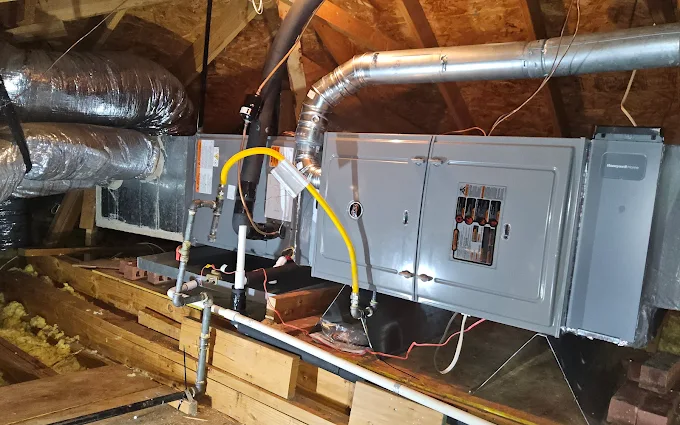
How Often Should Indoor Air Quality Be Checked?
If you have noticed musty odors, lingering dust, or allergies flaring up in The Woodlands, TX, you are not alone. This guide explains practical indoor air quality checks you can plan for, what to inspect first, and when to call a local HVAC pro. You will also find a simple customer checklist and common mistakes to avoid so you can keep your home’s air comfortable and healthier all year.
Last summer in The Woodlands, TX, a homeowner told us their air felt “fine” on the thermostat, but the house still smelled humid after the A/C ran. They also noticed more dust on shelves and more sneezing after the system cycled on. Even though the equipment was running, the indoor air did not seem to feel clean.
That is a common situation. Indoor air quality is influenced by more than temperature. It can be affected by humidity, filtration, duct conditions, and how your system delivers airflow through your home or business. This guide helps you understand what to check, how often to check it, and what signals mean it is time to troubleshoot rather than just change the thermostat.
- Quick answer
- What to check first
- Main things customers should understand
- Why this matters in The Woodlands, TX
- Common mistakes to avoid
- Customer checklist
- Frequently asked questions
Quick Answer
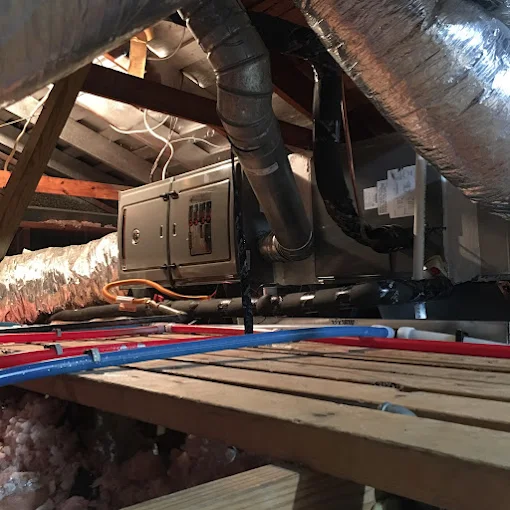
A practical starting point is to check indoor air quality at least twice a year: once before peak cooling season and once before peak heating season. If your home has noticeable humidity swings, visible dust buildup, persistent odors, or allergy symptoms, you should check more often and address the cause, not just the symptoms. When you are unsure where the problem is coming from, schedule an HVAC indoor air quality assessment so filtration, ductwork, and humidity-related issues can be evaluated together. For most households, consistent filter care plus periodic system checks provides the best balance of effort and comfort.
What to Check First
Start with the easiest, most telling checks. If you wait until the air feels “bad,” you often lose time chasing the wrong issue. Begin with what changes indoors the fastest, then move to the system side.
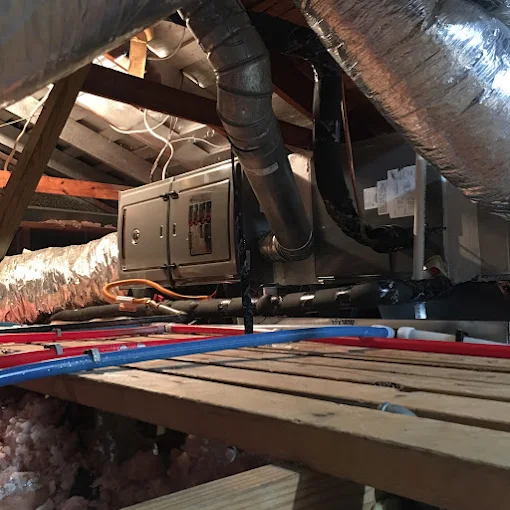
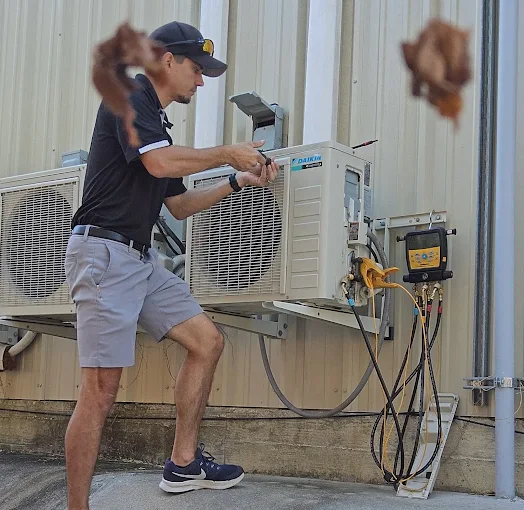
- Check your air filter condition and confirm it is installed correctly (direction matters).
- Look for signs of excess moisture: condensation on windows, musty smells, or damp spots.
- Notice airflow balance: rooms that never feel comfortable can indicate delivery problems.
- Pay attention to odor patterns: “stale” or “earthy” smells often point to humidity or duct-related concerns.
- Inspect vent areas: check for heavy dust accumulation near registers and returns.
Professional observation: In many homes across The Woodlands, TX, the indoor air quality issues we see start with humidity management and filtration. Even if the A/C keeps the temperature steady, high indoor moisture and clogged or mismatched filtration can make the air feel stuffy and trigger allergy symptoms.
Main Things Customers Should Understand
Indoor air quality checks are not just about one reading. They are about matching the right inspection frequency to your home’s conditions and your HVAC setup. Here are the main areas that usually determine how often you should check.
| What you are checking | Typical check timing | Signals you should check sooner |
|---|---|---|
| Air filtration performance (filter condition and fit) | Every 1 to 3 months, then reassess based on how quickly it loads | Faster-than-usual dust on surfaces, poor airflow, or filters that look clogged early |
| Humidity control and moisture sources | At least seasonally, with extra attention during humid months | Musty odors, condensation, or a “clammy” feeling even when temperature seems right |
| Airflow and duct contribution | During seasonal tune-ups or when comfort complaints change | Visible debris near vents, persistent odors, or rooms that are consistently under-ventilated |
| Whole-home air purification approach (if installed) | As part of regular maintenance cycles | Noticeable changes in odor or perceived air freshness after maintenance intervals |
One thing you can do right now
If you have not looked at your filter recently, do that first. Make sure the filter is the correct size and installed with the airflow direction arrow matching the airflow direction in your system. A filter that is dirty or not seated properly can reduce filtration and worsen indoor air quality even when the A/C is working normally.
Why This Matters in The Woodlands, TX
The Woodlands, TX experiences long stretches of humidity and warm weather where air conditioning runs frequently. In that environment, indoor moisture can build up faster than homeowners expect, and that can reduce comfort and make odors more noticeable. When humidity is not managed well, filtration alone may not solve the issue because moisture can affect how air feels and how contaminants behave indoors. That is why, in The Woodlands, TX, indoor air quality checks often pair well with humidity control and duct-focused inspections rather than treating air quality as a “temperature only” problem.
Humidity-first thinking
If you are dealing with a damp feeling or musty smells, explore humidity control services to address the comfort driver behind many IAQ complaints.
Filtration that matches the system
Healthy indoor air often depends on effective filtration. If you want to improve what your system captures, review air filtration options that fit your home’s needs.
When ducts play a role
If dust or odors seem tied to airflow, a duct-focused inspection can help. Consider duct repair services when airflow delivery appears uneven.
Common Mistakes to Avoid
Homeowners often try to “fix” indoor air quality with one change, but the root cause can be different. Here are common missteps we see in The Woodlands, TX homes and businesses.
- Changing the thermostat schedule while ignoring humidity and filtration issues.
- Replacing filters without checking whether the filter is the correct size and properly seated.
- Running the system continuously without addressing airflow delivery or duct conditions.
- Assuming that if the A/C is cooling, the indoor air is necessarily clean.
- Waiting until odors become strong before inspecting moisture sources or ductwork.
- Trying to improve air quality while skipping seasonal HVAC maintenance that supports consistent airflow.
Customer Checklist
Use this checklist to decide how often to check indoor air quality in your home or commercial space. It is designed to help you be consistent, not obsessive.
Recommended schedule: Plan a quick check every month during peak humid or dusty periods, and a deeper review twice per year during seasonal transitions.
- Monthly (or sooner if symptoms change): Check filter condition and airflow at a few vents.
- Seasonal (twice per year): Review humidity comfort and any musty or stale odors.
- Seasonal: Confirm your HVAC system is maintained, including tune-up priorities that support airflow.
- When symptoms persist: Ask for an indoor air quality assessment focused on filtration, humidity control, and duct-related factors.
- After any major change: Recheck IAQ after duct repairs, system upgrades, or comfort complaints begin.
Representative Scenario
A couple in The Woodlands, TX noticed that their bedroom always felt warmer and more humid than the rest of the house. They replaced the filter, but the problem returned quickly. Instead of assuming the thermostat was wrong, they scheduled an indoor air quality-focused conversation with their HVAC provider. The inspection helped connect the comfort issue to how air was being delivered and how humidity was being managed, leading to a more targeted fix rather than repeated filter changes that did not address the underlying cause.
Frequently Asked Questions
How often should I check indoor air quality in my home?
For many homeowners, a practical baseline is twice per year, typically before peak cooling and peak heating seasons. In The Woodlands, TX, you may want to check more often during humid periods, especially if you notice musty odors, condensation, or allergy symptoms. Also consider checking sooner if you have recently changed filters, repaired ducts, installed new equipment, or noticed a comfort shift in certain rooms. Consistency matters because air quality can change with moisture, airflow, and filtration over time.
What are the first signs indoor air quality needs attention?
Common early signs include lingering odors (often stale or musty), dust buildup that seems to arrive faster than before, and allergy or irritation symptoms that flare up when the HVAC runs. You might also notice uneven comfort, like certain rooms feeling stuffy or warmer despite normal thermostat settings. If you see condensation on windows or feel clammy air, humidity management may be a key factor. When you notice these patterns, it is usually better to investigate filtration, humidity, and airflow delivery rather than only adjusting temperature.
Does air conditioning automatically mean better indoor air quality?
Not necessarily. Air conditioning primarily controls temperature, and it can help reduce humidity when functioning properly. However, indoor air quality depends on filtration performance, duct and airflow condition, and how moisture is managed indoors. A system can cool the house while airflow is uneven or filtration is not capturing what it should. That is why homeowners in The Woodlands, TX often benefit from an IAQ-focused check when odors, dust, or humidity-related comfort issues persist.
Should I check humidity separately from air filters?
Yes. Filters and humidity control address different parts of indoor air quality. A filter can capture airborne particles, but if indoor humidity is high, the home may still feel uncomfortable and odors may become more noticeable. In humid climates like The Woodlands, TX, moisture can contribute to a “damp” feel even when the temperature looks correct. Checking humidity comfort and moisture signs seasonally helps you decide whether the next step is improved filtration, humidity management, or a duct and airflow inspection.
What should I do if I see dust coming from vents?
Dust near vents often points to a filtration or duct-related issue, or both. Start by confirming your filter is the correct size and properly installed. Then watch whether dust seems to correlate with certain rooms or airflow paths. If dust is persistent or odors accompany it, a duct-focused inspection can be useful to determine whether ductwork repairs or targeted indoor air quality solutions are needed. Addressing the cause is usually more effective than repeatedly swapping filters without checking fit, condition, and airflow delivery.
Want a practical indoor air quality plan for your home?
If you are in The Woodlands, TX and you want to know what to check first, we can help you narrow down whether your indoor air quality issue is tied to filtration, humidity control, or airflow delivery.
Contact Conley Cooling and HeatingFinal CTA
If you are weighing “how often should we check” and “what should we actually do,” it helps to use a simple schedule and match it to the symptoms you see. For most homes in The Woodlands, TX, checking twice per year plus monthly filter and airflow checks during peak conditions provides a realistic balance. When you notice odors, humidity discomfort, or repeated dust issues, bring in a local HVAC team to evaluate the system as a whole so you avoid chasing the wrong problem.
Schedule an indoor air quality-focused conversation
We serve The Woodlands, TX and surrounding areas. If you want help deciding what to inspect and how to keep your indoor air comfortable, reach out to Conley Cooling and Heating.
Explore air purification services
Conley Cooling and Heating
Conley Cooling and Heating helps homeowners and businesses in The Woodlands, TX and nearby areas keep comfort and indoor air quality on track through HVAC maintenance and indoor air quality solutions. From air filtration and humidity control to duct-focused service considerations, our goal is to connect what you feel indoors with what is happening in your system, so you can make confident next steps.