
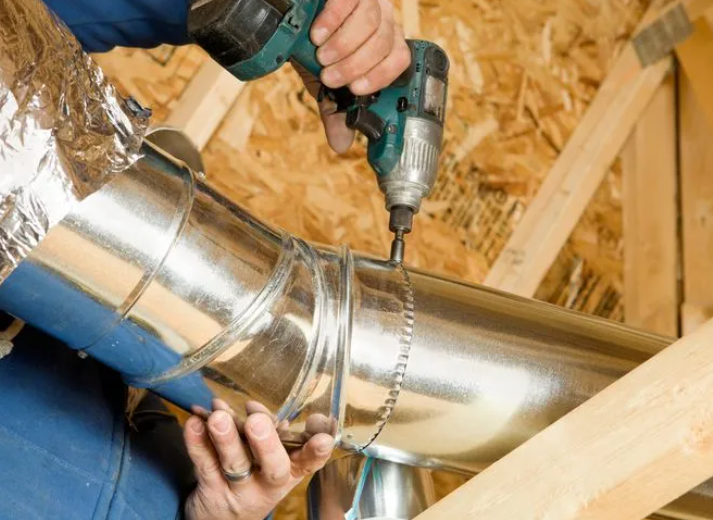
How often should ducts be installed or replaced in a home or business in The Woodlands, TX? This guide helps you spot the difference between “repairable” ductwork and the moments when replacing ducts makes more sense for comfort, airflow, and indoor air quality.
A few weeks after a summer thermostat change, you may notice one room stays warmer than the rest, or supply vents blow air that feels weaker than before. In The Woodlands, humidity and heat swings can make airflow problems show up fast, especially in older duct runs, additions, or homes with mixed insulation.
Before you assume it is your air conditioner, it is worth asking a more basic question: are your ducts doing their job? This post explains how to decide when ducts should be installed or replaced, what to check first, and what signs usually point to ductwork that needs more than a quick patch.
- Quick answer
- What to check first
- Main things customers should understand
- Why this matters in The Woodlands, TX
- Common mistakes to avoid
- Customer checklist
- Frequently asked questions
Quick Answer
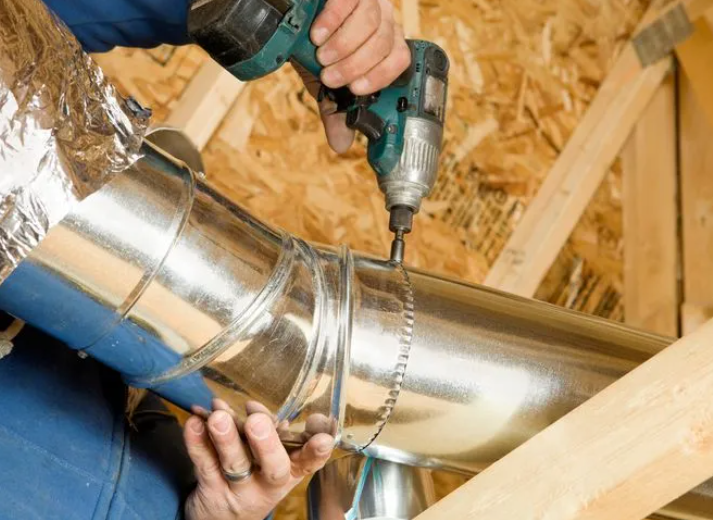
Ducts are typically not replaced on a simple “every X years” schedule. Instead, ducts should be installed or replaced when airflow is repeatedly uneven, when ducts are damaged or poorly connected, or when indoor air quality concerns keep coming back. In The Woodlands, TX, humidity can worsen problems like condensation or moisture intrusion, which can shorten the effective life of duct components. A practical next step is to have your ductwork inspected for leaks, damage, and airflow restrictions, then discuss repair versus duct installation based on what is actually found.
What to Check First
Start with the symptoms you can measure. If multiple rooms struggle at the same time, and you can hear rattling, whistling, or see visible duct damage near vents, the issue may be in the duct system rather than the cooling or heating equipment. If a single room is consistently off, check whether the supply register is blocked, misdirected, or undersized, which can happen after renovations or furniture/layout changes.
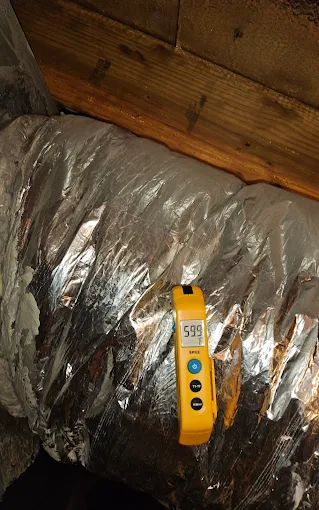
Then move to the duct system basics: look for disconnected joints, crushed sections, missing insulation on runs in unconditioned spaces, and signs of moisture. These details help determine whether ductwork needs duct repair services or whether a more involved duct installation is the better path.
Airflow clues
Weak supply, strong return pull, or rooms that never reach the set temperature consistently.
Physical condition
Cracks, loose seams, disconnected fittings, or sections crushed by construction work.
Moisture & comfort
Condensation staining or musty odors that return after cooling seasons.
Main Things Customers Should Understand
When people ask, “How often should ducts be replaced?” they usually want a simple number. In reality, duct lifespans depend on how the duct system was installed, the condition of the building envelope, and what happens when you run the HVAC in heat and humidity. A duct system can last a long time when everything is sealed, properly supported, insulated where needed, and kept dry. It can need major work sooner when ducts are damaged, poorly connected, or exposed to moisture.
Professional observation: In older The Woodlands homes and properties with additions, duct problems often show up as “mystery comfort issues.” The equipment may be working, but the duct system can still limit airflow or allow air leaks that reduce performance.
Here are the most common triggers that justify new duct installation or a duct replacement approach:
- Repeated airflow issues after HVAC maintenance. If tune-ups do not fix weak airflow or persistent imbalance, duct restrictions or leaks may be the driver.
- Visible duct damage or failure at joints. Loose connections, deteriorated sections, or crushed duct runs can reduce airflow and increase noise.
- Moisture-related duct concerns. Condensation in ductwork, wet insulation, or recurring musty odors can point to moisture intrusion that needs corrective work.
- Major remodels or system changes. New additions, duct re-routing, or switching system types can require duct updates so the airflow matches the new layout.
Why This Matters in The Woodlands, TX
In The Woodlands, TX, cooling seasons run long and humidity can be high. That means any duct leakage or insulation gaps can have a bigger effect than people expect. If conditioned air leaks into attics, crawl spaces, or other unconditioned areas, comfort can drop and the duct system can work harder than it should. In some cases, moisture and temperature swings can also create conditions that make indoor air quality issues more noticeable.
| Situation | Usually suggests | What to ask about |
|---|---|---|
| Small, localized damage at a connection or section | Repair | Whether a targeted duct repair services approach will restore airflow and sealing. |
| Multiple leaks or widespread poor connections | More extensive duct work | Whether duct installation services are needed to correct the layout and seal strategy. |
| Comfort complaints after renovations or system upgrades | Duct rebalancing or reconfiguration | Whether the duct sizing and routing match the updated home layout and HVAC equipment. |
| Recurring odors or moisture-related symptoms | Inspection first, then duct correction | Whether ductwork requires corrective work and whether indoor air quality services should be addressed alongside duct issues. |
Get a ductwork inspection tailored to your comfort complaints
If your airflow is uneven or you suspect duct leakage, a focused inspection can help you decide whether duct repair or duct installation is the practical next step for your property in The Woodlands, TX.
Contact Conley Cooling and HeatingCommon Mistakes to Avoid
One of the most frustrating homeowner experiences is fixing the wrong part of the system. When ductwork is the root cause, replacing or repairing the air conditioner alone can leave the underlying airflow and distribution problems unchanged. Another common issue is waiting until performance gets very bad, which can make it harder to isolate whether the issue is duct-related, equipment-related, or both.
- Assuming ductwork is fine because the vents blow. Air can move, but still be poorly distributed or restricted.
- Only addressing one room. If multiple rooms are off, the duct system is a likely contributor.
- Overlooking moisture signs. Condensation, wet insulation, or recurring musty odors are not “normal.” They deserve inspection.
- Skipping airflow and connection checks. Loose joints and leaks can reduce performance and increase noise.
Customer Checklist
- List rooms that run warm or cold and when the issue happens (morning, afternoon, after cycling).
- Note any visible duct damage near registers, basement/crawlspace runs, or access panels.
- Check for signs of moisture, staining, or damp insulation in areas where ducts are exposed.
- Listen for whistling or rattling that may indicate leaks or airflow restrictions.
- Confirm whether the problem started after a renovation, addition, or HVAC system change.
- Ask for an inspection that evaluates duct routing, connections, and sealing rather than focusing only on the thermostat.
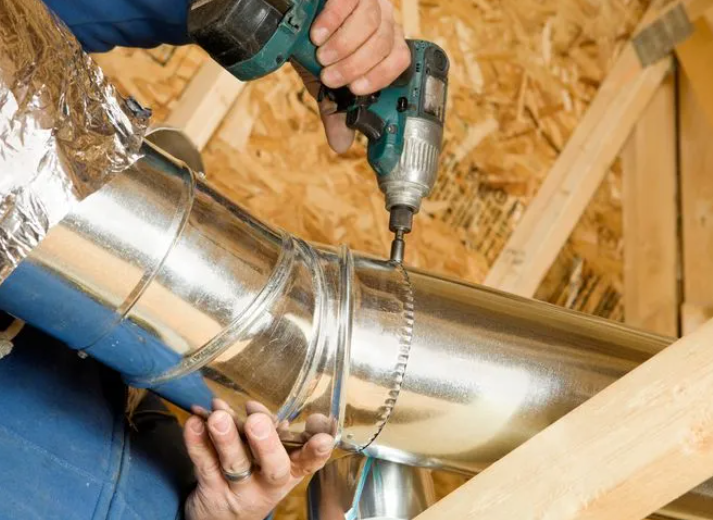
- Discuss whether duct repair is enough or whether duct installation is the better fix for your layout.
Representative Scenario
A homeowner in The Woodlands, TX noticed that bedrooms upstairs never felt as cool as the rest of the house during peak afternoon heat. The air conditioner was tuned, and the thermostat readings looked normal. During an inspection, the technician found sections where duct joints were loose and airflow was being restricted in the path to the affected rooms. Instead of swapping equipment again, the homeowner chose ductwork correction to improve distribution, which made the temperature differences more manageable without changing the HVAC unit.
Frequently Asked Questions
Do ducts need to be replaced if the air conditioner is new?
Not automatically. A new air conditioner can still deliver uneven temperatures if the duct system has leaks, crushed sections, poor connections, or routing that does not match the airflow needs of the home. If comfort issues persist after HVAC maintenance, it is reasonable to ask for a duct-focused inspection to confirm whether the ductwork is limiting airflow or distribution.
What signs suggest duct repair is better than full replacement?
Repair is often the practical choice when the problem is localized, such as a damaged connection, a small section with visible deterioration, or a limited number of joints that are leaking. If only part of the system is affected and the rest of the ductwork appears intact, repair can restore performance without the disruption of replacing everything.
How do humidity and condensation affect duct lifespan in The Woodlands?
When humidity is high, duct leakage and insulation gaps can have a bigger impact. Moisture-related symptoms, such as damp insulation or recurring odors, are reasons to inspect ductwork, not just the HVAC unit. Correcting the duct system and addressing indoor air quality concerns can help reduce repeat issues during cooling seasons.
Can duct sealing or cleaning solve all duct problems?
They may help in certain situations, but they do not replace structural fixes. If ducts are crushed, disconnected, or routed in a way that restricts airflow, sealing or cleaning alone usually will not correct the underlying performance issue. A good next step is an inspection to determine whether the duct problem is primarily sealing and airflow distribution, moisture-related, or structural.
When should I consider duct installation after a remodel?
Consider duct installation or reconfiguration when the remodel changes the layout of rooms, adds new living space, or alters how air needs to travel through the home. If you notice new comfort problems right after renovations, duct routing and balancing may need to be updated so the HVAC system can deliver airflow where it is needed.
Ready to figure out whether your ducts need repair or installation?
Conley Cooling and Heating can help you evaluate ductwork alongside your HVAC system so you do not end up paying for the wrong fix. If you are seeing uneven comfort in The Woodlands, TX, reach out and we will discuss the observations and next steps.
(936) 444-4534
About Conley Cooling and Heating
Conley Cooling and Heating provides cooling and heating services for customers in The Woodlands, TX and the surrounding areas. Our focus is helping homeowners and property managers get reliable comfort by addressing the full HVAC system, including ductwork and airflow issues.
If you are working through air comfort problems, you can also review related services such as air conditioning installation services, air conditioning repair services, or air filtration system installation.