
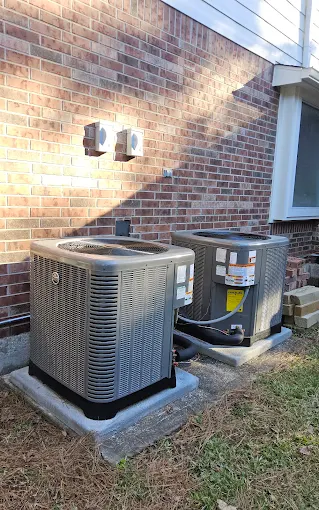
If your furnace or heating system in The Woodlands, TX starts acting up, it can be hard to tell whether a repair will fix the problem for good or if it is time to plan a heating installation. This guide helps you compare the two options based on what you can observe, what technicians typically diagnose, and what makes sense for local comfort through changing seasons.
Last winter, your thermostat may have called for heat, but the system took longer than usual to kick on. Or maybe it ran, but the temperature never felt right, especially in the rooms furthest from the air supply. In The Woodlands, TX, that discomfort is not just annoying. It also becomes a bigger decision the longer you wait.
When homeowners face a failing heating system, the question is usually the same: should you repair it, or should you move forward with a replacement? This article walks you through the practical differences, what to check first, and how to make a confident call based on the condition of the system, not just the symptom.
- Quick answer
- What to check first
- Main things customers should understand
- Why this matters in The Woodlands, TX
- Common mistakes to avoid
- Customer checklist
- Frequently asked questions
Quick Answer
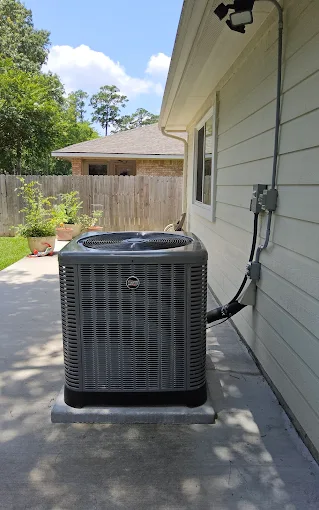
If your heating system has a clear, limited fault (like a controllable component issue) and the rest of the equipment appears to be in good shape, repair is often the better immediate move. If you are dealing with repeated breakdowns, major performance problems, or signs the system is nearing the end of its service life, a new heating installation may be the more cost-effective path over time. In The Woodlands, TX, the practical recommendation is to have a technician diagnose the cause first, then compare repair versus replacement using the same underlying findings. If the diagnosis points to broader wear, plan for replacement rather than repeated patchwork.
What to Check First
Before you decide between repair and installation, start with the basics you can verify safely. Then, use the results to ask more focused questions during your service visit. This keeps the conversation grounded in your actual symptoms, not guesswork.
1) Thermostat behavior
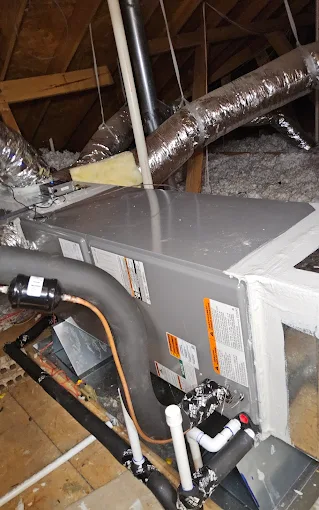
Confirm the thermostat is calling for heat and the display responds correctly. If the system short-cycles or fails to respond, the issue might be controls, wiring, or the heating system itself.
2) Airflow and temperature rise
Notice whether air moves through vents and whether the air feels warm. Weak airflow can affect comfort and combustion performance, especially in older duct setups.
3) Pattern of symptoms
Is the problem consistent, or does it happen intermittently? Repeated failures can point to multiple wear points, which often changes the repair versus replacement calculation.
Professional observation: In The Woodlands, TX, I often see heating issues show up after the system has been dormant through warmer months. Dust, airflow changes, or control glitches can create symptoms that look serious at first, but the diagnosis determines whether it is a contained fix or something broader.
Main Things Customers Should Understand
The right decision usually comes down to how many systems are involved in the fault. A repair can be the best choice when the problem is limited and the rest of the heating equipment can still perform reliably. But if the system is showing multiple signs of aging, a new heating installation may reduce the odds of another breakdown during the coldest stretches.
What “repair” typically means: fixing the specific failing part or correcting the root cause of the symptom, such as a control issue, a failing component, or a performance problem that can be corrected without replacing the entire unit.
What “installation” typically means: replacing aging equipment with a new heating system, restoring performance, and aligning the system with how your home needs to be heated and distributed.
| Decision factor | Leans toward repair | Leans toward installation |
|---|---|---|
| Scope of the problem | Single component or one clearly identified cause | Multiple issues affecting operation or comfort |
| Reliability after the fix | Expected to restore normal heating performance | Higher chance the system will continue to break down |
| Performance complaints | Improves once airflow and controls are corrected | Performance stays inconsistent due to broader wear |
| System condition | Equipment shows signs it can still operate effectively | Worn condition suggests limited remaining life |
| Home comfort priorities | You mainly need a reliable fix for this season | You want consistent comfort and fewer disruptions |
If you want a starting point for the types of problems that can come up, you can review how heating repair is handled in typical service calls at heating repair services. For homeowners planning for the future, the heating installation page explains what replacement-focused service commonly includes.
Why This Matters in The Woodlands, TX
The Woodlands has weather swings that can stress a heating system just when you need it most. Even if your heating season is shorter than in colder regions, equipment that has small performance problems can still feel “broken” when temperatures drop. That is why the decision is not only about whether heat turns on, but also whether the system can deliver steady warmth to the rooms you use most. For many homes here, comfort issues also involve airflow and ductwork behavior, which is worth factoring into the repair versus installation discussion.
Local comfort reality: When a system struggles to deliver even warmth, it is easy to keep chasing symptoms with repairs. A technician who looks at the whole heating setup can help you decide whether ductwork and distribution are part of the problem, or whether the heat source itself is at the root.
Ready to compare repair vs replacement for your heating system?
Conley Cooling and Heating can help you understand what is causing the problem and which option makes the most sense for your home in The Woodlands, TX.
Call (936) 444-4534Common Mistakes to Avoid
Most homeowners do not make “bad” decisions. They just do not have the information technicians use to separate a temporary fix from a pattern of wear. Here are common mistakes that can lead to repeat problems.
Customer Checklist (Use this before you approve repair or replacement)
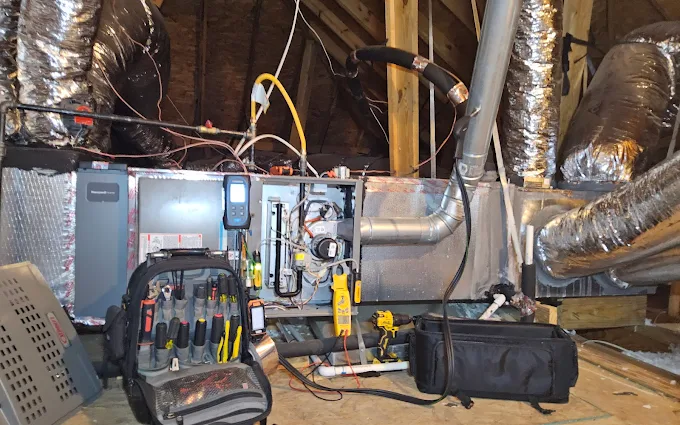
- Ask what the system is doing when it fails (for example, does it start, does it blow air, does it cycle).
- Request the diagnosis for the root cause, not just the part that was replaced.
- Clarify whether the issue is isolated or whether other components show wear signs.
- Confirm whether airflow problems could be contributing to poor heating comfort.
- Ask what to expect after the repair, including whether performance should return to normal for your home.
- If you are considering replacement, ask what installation approach fits your home’s heating needs and distribution.
A representative Woodlands homeowner scenario
Imagine a homeowner in The Woodlands, TX who notices their furnace starts, but it takes a long time to get the house warm. On the first visit, the thermostat setting is verified, and the technician checks heating operation and airflow. The repair addresses a controllable issue, and heat improves, but the homeowner still reports uneven warmth in certain rooms. After additional inspection, the conversation shifts from a one-part repair to whether the overall heating setup is worn enough that replacement would better restore consistent comfort.
That is the practical decision moment: when the symptoms stop being a simple one-time fault and start pointing to broader performance limitations. At that point, planning a heating installation can be more helpful than repeating repairs season after season.
If you also have questions about how heating and system controls work together, you may find it useful to review heating tune-ups and thermostat installation services as part of a comfort-focused system approach.
Frequently Asked Questions
How can I tell if my heating problem is worth repairing?
Repairs tend to make the most sense when the diagnosis points to a specific, limited cause and the rest of the system appears able to perform normally. If the technician identifies multiple wear points, repeated breakdown patterns, or performance concerns that persist even after correcting the main fault, that is usually a sign you should consider installation. The most practical approach is to ask what the root cause is, what parts are involved, and whether the fix should restore steady comfort for your home in The Woodlands, TX.
What symptoms usually lead to a replacement discussion?
Replacement conversations often come up when heating performance is consistently unreliable, when the system keeps cycling or fails to deliver expected warmth, or when the underlying condition suggests limited remaining life. If you have to call for service more than once for related issues, that pattern matters. A technician can help you compare repair versus replacement using the system’s condition and how your home is heating, especially if airflow or distribution is part of the comfort problem.
Should ductwork issues affect the repair vs installation decision?
Yes. Even if the heating unit itself is fixed, ductwork can still limit comfort by affecting airflow and temperature delivery. If your home has uneven hot or cold areas, it is worth discussing ductwork behavior during the service visit. Conley Cooling and Heating also provides duct installation and duct repair options, including duct repair services, which can influence whether repair alone will solve the comfort issue.
Can a thermostat problem look like a heating system failure?
Absolutely. A thermostat controls when the system should run, and when it is misreading conditions or not communicating properly, the heating system can appear unreliable. That is why a good service visit starts with verifying thermostat behavior and control operation. If your system is inconsistent, consider asking about thermostat-related checks and whether thermostat installation services or control updates could help restore stable heating performance.
What is the practical next step for homeowners?
The next step is to schedule a diagnostic-focused service call and ask the technician to explain the root cause clearly. Then compare repair versus replacement based on system condition and how the home needs to be heated in The Woodlands, TX. If you want to reduce the chance of repeat issues, ask what a properly repaired system should do after the visit and what signs would indicate it is time to plan a heating installation.
Get a clear recommendation for your heating system
If you are deciding between heating repair and heating installation, Conley Cooling and Heating can help you make the choice based on what is actually happening in your home.
Visit Conley Cooling and Heating
About Conley Cooling and Heating
Conley Cooling and Heating provides cooling and heating services for homeowners and businesses in The Woodlands, TX and surrounding areas. From heating installation services and furnace-related work to heating repair and maintenance, our goal is to help you restore comfort with practical solutions that match your system’s condition.