
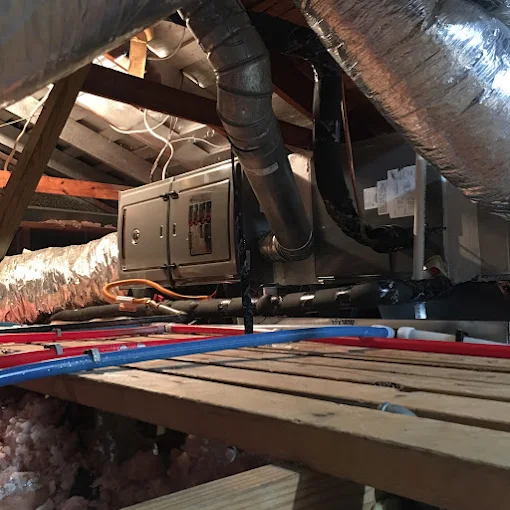
Heating Installation Timeline: From Consultation to Comfort
It’s a familiar scenario in The Woodlands: the first cool mornings arrive, the heater finally gets a workout, and suddenly your home doesn’t feel as warm as it should. Maybe a few rooms stay drafty, maybe your furnace short-cycles, or maybe the system just can’t keep up once temperatures dip after a humid stretch. When that happens, many homeowners assume heating installation is a single “show up and swap the unit” event.
In reality, a professional heating installation is a process—one that starts with the right assessment and ends with comfort you can measure. At Conley Cooling and Heating, we’ve found that the homes that get the smoothest transition are the ones where the timeline is planned, the ductwork is considered, and the controls are dialed in from day one.
Quick Answer
Most heating installations follow a predictable flow:
- Consultation & load evaluation (1–2 days to schedule; 1 visit to assess)
- Equipment sizing & system design (often 1–3 business days)
- Permitting/ordering (timing varies, usually 1–2 weeks)
- Installation day(s) (typically 1 day for many furnace swaps; 1–3 days for more involved ductwork or system changes)
- Testing, calibration, and thermostat setup (same day as install or within 24–48 hours)
- Walkthrough + maintenance guidance (included at closeout)
If you’re planning around a cold snap, the biggest variable is often lead time for equipment and whether ductwork repairs or upgrades are needed.
What We Commonly See in Southeast Texas HVAC Systems
Southeast Texas is humid, and that affects heating comfort more than people expect. Even though we don’t experience long, hard freezes like northern states, we still get cold fronts that change how indoor air feels.
Here’s a field observation we make often: a home may “heat” but still feel uncomfortable because the system is fighting airflow imbalance or duct leakage. In older homes (or homes with long duct runs), you can end up with:
- hot air moving through some rooms while others stay cool
- temperature swings at the thermostat because supply air isn’t reaching the right places
- higher humidity that makes the air feel colder than the temperature reading suggests
So when we talk about a heating installation timeline, we’re really talking about how quickly we can get the system and airflow working together—not just how fast a new furnace or heat pump can be set in place.
A Real-World Scenario: The “It Heats… But Not Evenly” Call
A homeowner recently told us their existing furnace “works,” but the living room is always colder than the hallway. On a quick check, we saw a pattern:
- the supply registers in certain areas had noticeably weaker airflow
- the return path didn’t match the actual airflow needs
- the thermostat location didn’t reflect how the home was experiencing heat
That combination often points to duct leakage, an undersized/blocked airflow path, or mismatched system sizing. In that case, the installation plan wasn’t just “replace the furnace.” We discussed options that included verifying airflow and addressing ductwork so the new system could heat evenly from day one.
The Heating Installation Timeline (From Consultation to Comfort)
1) Consultation & on-site assessment (usually 1 visit)
The goal here is to understand your current system and your comfort complaints. We typically review:
- current equipment condition and performance symptoms
- thermostat behavior and placement
- ductwork layout and visible issues (where accessible)
- airflow problems—because heating is airflow-driven, not just fuel-driven
If you have questions about whether your current unit can be repaired, it helps to start with a repair or tune-up check first. If you do need heating installation, that initial evaluation still matters because it informs sizing and design.
If you’re also dealing with cooling-related comfort issues, you may find it helpful to see how we approach system-level performance—similar principles apply to air conditioning and heating. For example, homeowners sometimes need professional heater installation company guidance because “bigger” isn’t always better.
2) Load calculation and system design (1–3 business days)
Once we gather measurements, we run the numbers. This is where we determine the heating capacity that matches the home—not just the square footage.
This step can add time, but it’s one of the most important parts of avoiding future comfort complaints. We also consider:
- insulation and building envelope factors
- ductwork condition and airflow limitations
- fuel type preferences (and efficiency goals)
- whether a heat pump is a better match for your comfort profile
3) Equipment selection, ordering, and scheduling (often 1–2 weeks)
This is where timelines vary. In Southeast Texas, demand spikes seasonally, and equipment lead times can shift.
During this phase, we help you compare options such as:
- furnace installation and replacement when ducted heating is the priority
- heat pump installation services if you want a year-round approach and efficient operation
If you’re considering heat pumps, it’s worth planning for the full system design—not just swapping the outdoor unit. (We often get calls after a DIY or “quick swap” where airflow and controls weren’t addressed.)
4) Pre-install prep (same week as install)
Before techs begin work, we confirm:
- access to equipment and electrical components
- ductwork connection points
- thermostat wiring compatibility (or whether we’ll upgrade controls)
- ventilation and safety checks
If you want a thermostat upgrade as part of the project, it’s best to include it in the planning so the system is calibrated correctly. You can explore thermostat installation services as an example of how we think about controls as part of comfort—not just a new screen on the wall.
5) Installation day(s) (typically 1–3 days)
On installation day, we focus on quality and safety, including:
- removing old equipment (if applicable)
- installing new furnace or heat pump components
- verifying electrical connections and gas line safety (where relevant)
- connecting ductwork with attention to sealing and airflow paths
If ductwork service is required, timelines can extend. For homes with older ducts, we may need to address leaks or repairs before final testing. In those situations, it’s common to include duct repair services so the new system doesn’t lose efficiency to leaks.
6) Testing, calibration, and thermostat setup (same day / within 24–48 hours)
This is the part homeowners often don’t see, but it’s where comfort is “made real.” We verify:
- airflow and temperature rise
- proper burner/operation behavior (for furnaces)
- correct heat delivery and run times
- thermostat operation and sensor accuracy
If you choose a smarter control, we’ll ensure it’s configured correctly for your home’s heating schedule and comfort preferences. A common request is smart thermostat installation company support because wrong settings can cause short cycles or comfort issues—even with brand-new equipment.
7) Walkthrough and maintenance guidance (included)
You should leave knowing:
- what was installed and why
- what to expect during the first few cycles
- how to maintain the system for longevity
If you’re already thinking ahead to long-term reliability, this is also a good time to schedule service. Many homeowners benefit from seasonal planning, especially in a climate where systems can be stressed by humidity and temperature swings. For example, if you want a combined approach, you can pair your heating install with seasonal heating maintenance services later to keep performance steady.
Common Mistakes Homeowners Make
Mistake #1: Choosing equipment based only on square footage
A unit that’s “right on paper” can still underperform if ducts, returns, or insulation don’t match the calculation. Heating comfort is a system outcome.
Mistake #2: Ignoring duct leakage until after installation
We frequently hear, “The new furnace was installed, and it still isn’t warm enough.” In many cases, the answer isn’t the furnace—it’s the duct system losing heated air before it reaches the rooms where you live.
Mistake #3: Installing a thermostat and walking away
Even a good thermostat can cause problems if it’s not configured for your system type, airflow characteristics, and comfort goals. Placement matters too—especially in homes with airflow imbalance.
Mistake #4: Skipping airflow checks during the install
Technicians may focus on the equipment itself and miss whether the supply/return balance supports proper heating operation. If airflow is restricted, the system can run longer, cycle oddly, or feel “weak” even when it’s technically working.
Repair, Installation, and Efficiency: What Actually Improves Comfort
The best move depends on your equipment condition and your comfort goals. Here’s a practical way to think about it:
Repair vs Replacement (quick guide)
| Situation | Usually the better choice |
|---|---|
| Minor issues, system is relatively new, and airflow is healthy | Repair + tune-up |
| Frequent breakdowns or repeated short-cycling | Repair may help, but replacement often makes more sense |
| Comfort issues persist after repairs | Replacement + duct/airflow evaluation |
| System is aging and efficiency is low | Replacement with a properly sized high-efficiency setup |
| You want year-round efficiency | Consider heat pumps and correct system design |
If you’re unsure where you land, a technician can help you evaluate whether the current system can be stabilized or whether a full installation is the better long-term plan.
HVAC Maintenance, Comfort, and Energy-Efficiency Checklist
Use this checklist to keep the new installation performing the way it should:
- Replace or service the air filter (and confirm the filter size fits correctly)
- Check airflow: supply registers should feel balanced and not blocked
- Inspect thermostat settings and heating schedules seasonally
- Verify venting and combustion safety (for gas furnaces)
- Listen for abnormal cycling or blower behavior
- Schedule annual heating service before the coldest weather hits
- Address duct leaks or poor returns if comfort is uneven
Energy efficiency isn’t only about the furnace rating. It’s about how effectively heated air reaches the living spaces—especially when humidity and temperature swings affect how quickly rooms feel comfortable.
The Woodlands / Southeast Texas Relevance: Why the Timeline Can Feel “Longer” Here
In Southeast Texas, heating demand often arrives in bursts. That means:
- homeowners wait until the first cold front to call
- equipment can be scheduled tightly
- duct systems that tolerated summer humidity start showing weaknesses under changing conditions
We also see attic heat buildup and humidity-driven duct issues that can affect both comfort and airflow. A well-planned installation timeline accounts for these realities so you don’t end up with “comfort delays” after the equipment is already installed.
Best Option for Southeast Texas Homes (Installation Planning Recommendation)
If your goal is consistent comfort with fewer surprises, the most reliable approach is:
1. Start with a load calculation
2. Evaluate ductwork and airflow paths
3. Select equipment sized for your home, not just the neighborhood average
4. Include thermostat setup and performance verification
5. Plan maintenance early so the system stays efficient
If you want to explore other comfort upgrades that often pair well with heating installs—like air purification for allergy-prone households or humidity management—those can be planned during the same broader comfort project. For example, many families benefit from indoor air improvements when seasonal changes trigger sensitivities. You can also review air purification system installation when indoor air quality is part of the comfort plan.
Example: A Typical Furnace Installation Closeout (Anonymized Case)
Here’s a realistic example of how the timeline plays out when everything goes smoothly:
- Day 1: Technician assessment and measurements; thermostat and airflow checks
- Day 3–5: Load calculation and equipment recommendation finalized
- Week 2: Equipment ordered and scheduled
- Install Day: Old furnace removed, new furnace installed, duct connections sealed, gas/electrical safety verified
- Same day: System tested for airflow and heating performance; thermostat configured
- Closeout: Homeowner walkthrough and filter/maintenance guidance provided
Even when ordering is on track, the difference between “warm enough” and “comfortable all season” usually comes down to the testing and airflow verification done at the end.
Signs Your HVAC System Needs Attention
If you’re experiencing any of the following, it’s a good time to schedule an evaluation:
- rooms are unevenly warm or cold
- the system runs longer than before
- you notice increased dust or dry/damp discomfort
- the thermostat cycles more than it should
- heating costs rise without a clear reason
- you hear strange blower or burner sounds
Addressing these early can reduce the likelihood of emergency repairs later in the season.
What Homeowners Should Know
A heating installation isn’t just about replacing hardware—it’s about matching equipment to your home’s airflow, insulation, and control needs. In Southeast Texas, humidity and duct performance can make “working” equipment feel inadequate. The best results happen when the installer treats airflow and comfort verification as part of the job scope.
What Businesses Should Know
If you manage a commercial property, the timeline matters even more. HVAC downtime can impact employee productivity, tenant comfort, and equipment wear.
Planning should include:
- scheduling around business hours
- assessing ductwork performance for occupied zones
- confirming controls and zoning logic (if applicable)
- budgeting for any necessary commercial heating support
If your building uses ducted heating systems, ductwork performance often shows up as “comfort complaints” before it shows up as equipment failure.
Ready to Improve Your Indoor Comfort and Energy Efficiency?
If you’re preparing for colder days and want a heating installation timeline you can actually plan around, Conley Cooling and Heating can help you evaluate your current system, confirm sizing, and design the right path to comfort.
About Conley Cooling and Heating
Conley Cooling and Heating provides AC repair, air conditioning installation, heating services, indoor air quality solutions, ductwork services, ductless mini splits, heat pump systems, thermostat upgrades, and commercial HVAC support throughout The Woodlands, TX and surrounding Southeast Texas communities. The company focuses on reliable comfort solutions, energy-efficient system performance, indoor air quality improvement, and helping homeowners and businesses maintain dependable heating and cooling year-round.