
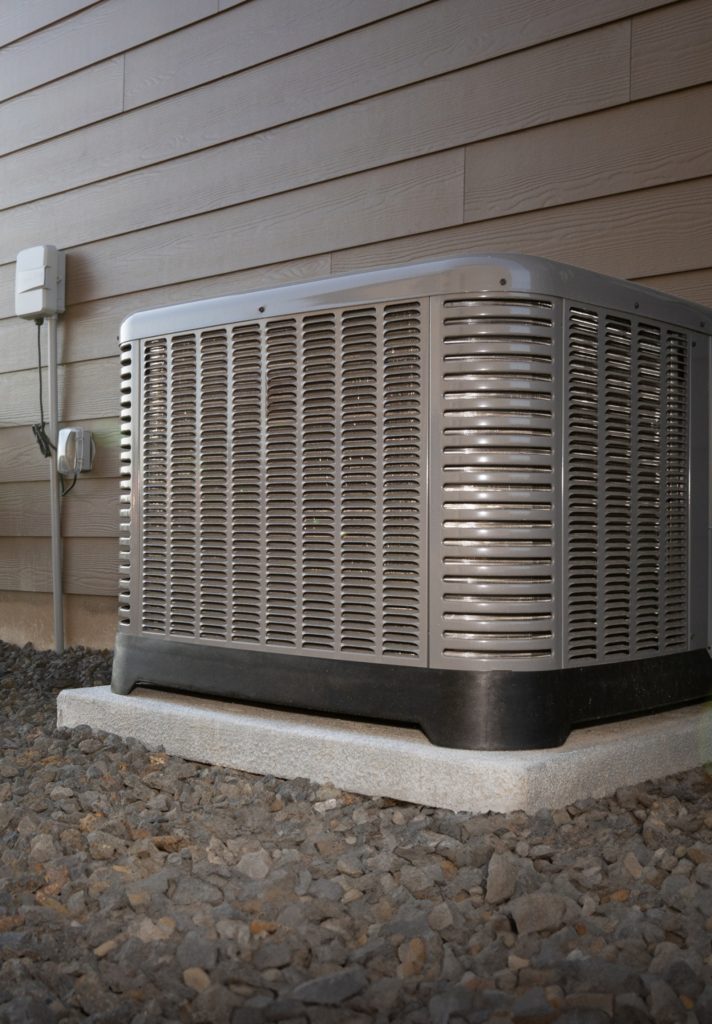
Heating Installation: Seamless Comfort From Day One
A cold front rolls through The Woodlands, and for the first time in years, temperatures dip into the 20s overnight. You set your thermostat… and nothing happens. For many homeowners and businesses in our area, that’s the moment they realize their aging heater has quietly reached the end of the line.
Even in a warm climate like Southeast Texas, properly designed and installed heating isn’t optional. The Houston metro sees below-freezing temps several times most winters, and pipes can begin to freeze at 28°F. According to the U.S. Energy Information Administration, heating and cooling still account for roughly 50% of a typical home’s energy use—so an inefficient or poorly installed system can cost you all year long.
This guide walks you through how to make your next heating installation smooth, efficient, and built for long-term comfort. You’ll learn what “right-sized” really means, how modern systems differ from older equipment, what to expect from a professional install, and how Conley Cooling and Heating helps homeowners and businesses in The Woodlands enjoy seamless comfort from day one.
Key Insight: A great heating system is not just the equipment you buy—it’s the design, installation, and ongoing care that determine your comfort and operating costs for the next 10–15 years.
Why Heating Installation Matters in a “Warm” Climate Like The Woodlands
Because The Woodlands is better known for scorching summers than harsh winters, heating often becomes an afterthought—until it fails. Yet our climate creates a unique challenge: systems must be efficient at mild temperatures, reliable during cold snaps, and integrated with your cooling equipment.
Why your installation quality matters more than you think
Industry studies consistently show that:
- Up to 70% of residential HVAC systems are improperly sized or installed.
- Poor installation can reduce system efficiency by 20–30%.
- Duct leakage alone can waste 20–40% of heated or cooled air.
In The Woodlands, where many homes are built with open floor plans and high ceilings, these issues are magnified. A heater that isn’t carefully matched to your home and ductwork may:
- Short-cycle and wear out early
- Leave rooms uneven—too warm upstairs, too cool downstairs
- Drive up gas or electric bills every winter
“Most comfort complaints are not about the equipment. They’re about design and installation.” — Veteran HVAC Designer
A local example
A homeowner off Research Forest called us after replacing their furnace with a low-bid contractor. The new system was technically “bigger and better,” but their upstairs bedrooms stayed chilly and the unit was noisier. Our inspection found:
- Oversized furnace
- Poorly sealed supply ducts in the attic
- No airflow balancing
We redesigned the ductwork, sealed leaks, and properly sized a new unit. Their gas usage dropped, noise levels went down, and the whole home finally felt consistently warm.
CALLOUT: In The Woodlands, the difference between a “working” heater and a well-designed system is often visible on your utility bill and in how comfortable your family feels on the coldest nights.
Choosing the Right Heating System: Furnaces, Heat Pumps, and Beyond
The best heating installation starts with selecting the right type of system for your home or business. In our climate, you often have more options than you realize.
Common heating options in The Woodlands
- Gas furnaces
Ideal for homes with natural gas service. Modern high-efficiency furnaces can reach 95–98% AFUE, converting nearly all fuel into usable heat.
- Heat pumps
A highly efficient option that both heats and cools. In our relatively mild winters, heat pump installation services can dramatically reduce energy use compared to electric resistance heaters.
- Dual-fuel systems
Combine a heat pump with a gas furnace. The heat pump handles mild weather; the furnace kicks in only on the coldest days. This is a smart design for The Woodlands’ variable winters.
- Ductless mini-splits
Perfect for bonus rooms, garages, additions, or homes without traditional ductwork. Modern energy efficient ductless systems offer zoned comfort and excellent efficiency.
Traditional vs. Modern Heating Options
| Feature/Factor | Older Standard Furnace | High-Efficiency Furnace / Heat Pump |
|---|---|---|
| Typical Efficiency | 78–80% AFUE | 95–98% AFUE / High HSPF |
| Comfort Level | Hot/cold swings | More even, consistent heat |
| Noise | Louder operation | Quieter, variable-speed options |
| Upfront Cost (local range) | Lower | Higher, but often with rebates |
| Operating Cost (The Woodlands) | Higher gas/electric bills | Noticeably lower bills each winter |
| Lifespan | 10–12 years | 12–15+ years with maintenance |
A real-world choice
A family near Creekside Park was deciding between a basic 80% furnace and a high-efficiency model. After we ran an energy comparison based on CenterPoint Energy rates and local weather data, the numbers showed the efficient furnace would pay back the cost difference in about five years. They opted for the high-efficiency system and paired it with a smart thermostat for even more control.
Sizing and Design: The Foundation of Seamless Comfort
Even the best furnace or heat pump can’t fix a poor design. Proper sizing and layout are where a professional installation really proves its value.
Why “bigger” is almost always worse
Oversizing is one of the most common mistakes we see from non-specialist installers or rushed new construction projects. An oversized system:
- Heats the space too quickly and shuts off
- Never runs long enough to balance temperatures
- Wears out components from constant cycling
Industry best practices (ACCA Manual J and Manual D) require careful load calculations that consider:
- Square footage and ceiling height
- Insulation levels and window quality
- Orientation to the sun
- Air leakage and duct location (attic vs. conditioned space)
“Rule-of-thumb sizing is a shortcut that usually leads to higher bills and comfort issues.” — Senior Installer, Conley Cooling and Heating
The role of ductwork
Your ducts are the highway your warm air travels. If they’re poorly designed, undersized, or leaky, no heater can fix the problem. That’s why we often pair new heating equipment with professional hvac ductwork installation contractor services or targeted residential ductwork repair services.
A business off I-45 called us about high gas bills and cold spots in their office. Their rooftop unit was properly sized, but the ductwork had never been balanced after an interior remodel. We:
- Re-calculated airflow needs by zone
- Adjusted dampers and added one new run
- Sealed key leaks in the attic
The result: more even temperatures and a noticeable drop in energy use.
CALLOUT: If your installer doesn’t talk about duct design, airflow, or load calculations, you’re not getting a true system design—just an equipment swap.
What a Professional Heating Installation Should Look Like
A quality heating installation is a process, not just a delivery and hookup. Understanding what should happen protects you from cut corners and costly problems later.
Before installation day
A caring, professional contractor will:
- Inspect existing equipment and ductwork
- Perform a load calculation (not just eyeball it)
- Discuss your comfort concerns, hot/cold spots, and future plans
- Present multiple options with clear pros and cons
We often integrate heating installs with related comfort upgrades—such as thermostat installation services or improved indoor air quality—so your whole system works together from day one.
On installation day
You should expect your crew to:
- Protect flooring and work areas
- Safely remove and dispose of old equipment
- Update gas lines, venting, and electrical as needed
- Install and level the new unit
- Connect and seal ductwork
- Program and test the thermostat
- Verify combustion safety and carbon monoxide levels (for fuel-burning systems)
“Commissioning is the difference between ‘it runs’ and ‘it runs right.’ Every new system deserves a full startup checklist.” — Conley Cooling and Heating Lead Technician
A Woodlands install done right
A homeowner in Alden Bridge upgraded to a high-efficiency furnace and smart thermostat. During commissioning, our tech noticed the supply air temperature was slightly out of spec. Instead of ignoring it, he:
- Checked gas pressure
- Adjusted fan speed
- Verified flue draft
That small attention to detail ensures the system runs safely, quietly, and efficiently for years.
Integrating Heating with Cooling, IAQ, and Controls
In The Woodlands, your HVAC system is truly year-round. Your heater doesn’t operate in isolation; it shares ductwork, controls, and often equipment with your cooling system.
Heating and cooling as one system
Many homes here use a gas furnace paired with a central AC or a heat pump that handles both functions. That’s why we often coordinate:
- air conditioning installation services
- seasonal heating maintenance services and AC tune-ups
- Smart hvac thermostat installation contractor solutions
A well-planned heating installation considers:
- How airflow will work for both heating and cooling
- Whether your ducts can handle upgraded equipment
- The best thermostat type for your schedule and lifestyle
Indoor air quality and humidity
Winter is also when indoor air can feel dry and stale. Modern systems can integrate:
- whole home air purification services
- whole house air filtration services
- indoor humidity control solutions
We recently worked with a family near Hughes Landing whose child struggled with allergies. During their furnace replacement, we added a high-MERV filtration cabinet and a UV air purification system. Within weeks, they reported fewer flare-ups and less dust buildup in the home.
Smart controls for real comfort
Pairing a new heater with a smart thermostat allows:
- Zoned schedules (different temps for sleeping vs. daytime)
- Remote access when you travel
- Energy reports to help you fine-tune usage
“Smart thermostats are only as good as their setup. A professional configuration ensures you get comfort and savings, not frustration.” — Controls Specialist, Conley Cooling and Heating
Cost, Value, and Long-Term Savings in The Woodlands
Upgrading your heating system is an investment. The real question isn’t just “What does it cost?” but “What does it return?”
Upfront vs. lifetime costs
Here’s a simplified comparison we often walk through with Woodlands homeowners:
| Factor | Basic 80% Furnace | High-Efficiency Furnace / Heat Pump |
|---|---|---|
| Typical Installed Cost (local) | Lower upfront | Higher upfront |
| Est. Annual Heating Cost | Higher | 20–40% lower |
| Comfort | Adequate | More even, quieter |
| Rebates/Tax Credits | Rare | Often available (varies by year) |
| Payback Period | N/A | 3–7 years in many homes |
\Based on typical Woodlands usage and energy rates; actual costs vary by home.
The value of professional installation
A low price from a cut-rate installer can be tempting, but hidden costs show up later:
- Higher utility bills
- More frequent repairs
- Shorter system lifespan
- Comfort complaints and “do-overs”
A local landlord learned this the hard way. They chose the cheapest bid for a rental home near Panther Creek. Within two years, they’d paid for multiple repairs and a full duct modification. The total outlay ended up higher than if they had chosen a quality contractor from the start.
What This Means for Businesses in The Woodlands
Commercial properties in The Woodlands—whether offices near Market Street, medical suites along I-45, or retail spaces in Creekside—have unique heating needs. Your system impacts not just comfort, but also productivity, customer experience, and operating costs.
Why commercial heating design is different
Commercial spaces often have:
- Large open areas and high ceilings
- Glass storefronts with significant heat loss
- Mixed-use zones (offices, storage, lobbies)
- Strict comfort expectations from tenants or customers
That’s where specialized commercial heating services come into play. A proper design considers:
- Zoning by usage (conference rooms vs. open office)
- Ventilation and fresh air requirements
- Integration with building automation systems
A professional commercial ac services and heating team can also coordinate rooftop unit selection, make-up air, and control strategies so your building stays comfortable year-round.
Real impact on your bottom line
A medical office we service in The Woodlands was struggling with:
- Cold exam rooms
- High gas bills
- Frequent complaints from staff
Our team evaluated their aging rooftop units and recommended a staged replacement with higher-efficiency models, improved zoning, and updated controls. Over the first full year:
- Comfort complaints dropped dramatically
- Utility costs decreased
- The practice reported better staff satisfaction and fewer rescheduling issues due to uncomfortable rooms
For businesses, heating installation isn’t just a facilities decision—it’s a customer and employee experience decision. In a competitive local market, that matters.
Frequently Asked Questions
Q: How do I know if I should repair or replace my existing heater?
A: Age, repair history, and performance are the main clues. If your furnace or heat pump is over 12–15 years old, needs frequent repairs, or struggles to keep your Woodlands home comfortable, it’s often more cost-effective to plan a replacement. A trusted contractor can compare the cost of ongoing heating repair services versus the savings from a modern, efficient system. We also look at safety (especially for gas furnaces), carbon monoxide risk, and whether your current heater is properly sized. Sometimes, a targeted repair is the right move; other times, replacement prevents you from “throwing good money after bad.”
Q: How long does a typical residential heating installation take?
A: Most standard furnace or heat pump installations in The Woodlands can be completed in a single day, assuming the ductwork and electrical are in decent shape. More complex projects—such as adding new zones, replacing major duct sections, or integrating ductless mini split installation—may take two days. A professional installer will walk you through the schedule, explain any downtime, and make sure your home is protected during the process. At Conley Cooling and Heating, we aim to minimize disruption, keep you informed, and leave the space cleaner than we found it.
Q: Will a new heating system really lower my energy bills in a mild climate?
A: Yes—especially if your existing system is older or improperly installed. Even in The Woodlands, you likely run your heater on numerous nights each winter. Modern high-efficiency furnaces and energy efficient heat pump systems use less energy to produce the same (or better) comfort. We’ve seen homeowners reduce their winter gas or electric usage by 20–40%. When paired with proper duct sealing, smart controls, and regular residential heating system service, the savings can be even greater and help offset your summer cooling costs.
Q: Do I need to replace my ducts when I install a new heater?
A: Not always, but it’s important to evaluate them. In many Woodlands homes, ducts run through hot attics and may be leaky, undersized, or poorly routed. If your ductwork is in good condition and correctly sized, we can often reuse it with minor hvac duct sealing and repair. However, if we find major leaks, damaged sections, or design flaws, upgrading with professional residential air duct installation may be the smartest long-term choice. The right ducts improve comfort, reduce noise, and help your new heater perform as designed.
Q: How can I make sure my new heating system lasts as long as possible?
A: Quality installation is step one; consistent maintenance is step two. We recommend annual inspections and tune-ups through a trusted furnace tune up company. During a visit, technicians clean components, check safety controls, verify gas or refrigerant levels, and catch small issues before they become major repairs. Pair that with clean filters, a properly programmed thermostat, and prompt attention to unusual noises or performance changes. Many of our Woodlands customers who follow this approach see their systems last 15 years or more with fewer unexpected breakdowns.
Q: What about indoor air quality when installing a new heater?
A: A heating installation is an ideal time to improve indoor air quality. We can integrate hvac air purifier installation, hepa air filtration systems, and even air duct disinfection services to reduce allergens, dust, and microbial growth. For homes and businesses in The Woodlands, where humidity and pollen are constant factors, these upgrades can make a noticeable difference in comfort and health. We also look at humidity control options to prevent air from feeling too dry or too damp during seasonal changes.
Q: My business has rooftop units. Is the process different than residential installation?
A: Commercial systems—especially rooftop units—require specialized expertise. A qualified commercial heating installation contractor will assess structural support, ventilation requirements, curb adapters, and control integration with your existing building systems. The process often involves a crane, coordination with property management, and careful planning to minimize downtime for tenants or customers. Our team has extensive experience with commercial ac repair company work and rooftop heating unit installation in The Woodlands area, and we’ll handle permitting, safety, and scheduling so your business can keep operating smoothly.
Ready to Get Started?
Cold weather in The Woodlands may not last long, but when it hits, you feel every draft, cold spot, and underperforming heater. Planning your heating installation before the next cold front is the best way to avoid emergency decisions, rushed work, and limited equipment options.
Right now is an ideal time to:
- Evaluate the age and condition of your current system
- Explore high-efficiency furnace, heat pump, or dual-fuel options
- Consider smart thermostats and indoor air quality upgrades
- Schedule an on-site assessment and detailed proposal
At Conley Cooling and Heating, our team designs and installs heating systems tailored to your home or business—not a one-size-fits-all package. We’re local to The Woodlands, understand our climate and building styles, and stand behind our work with strong warranties and ongoing support.
Take the next step toward seamless comfort from day one. Schedule a consultation, ask your questions, and see what a truly professional installation looks like.
About Conley Cooling and Heating
Conley Cooling and Heating is a locally owned HVAC specialist serving The Woodlands and surrounding communities. Our technicians are trained to current industry standards and focus on thoughtful system design, meticulous installation, and honest recommendations. From high-efficiency furnaces and heat pumps to smart controls and indoor air quality solutions, we help homeowners and businesses stay comfortable year-round with reliable, energy-conscious systems.