Heating Installation Safety: Best Practices That Matter
The Woodlands winter isn’t usually brutal like parts of North Texas, but it can still hit hard enough to make “it’ll warm up eventually” feel like wishful thinking. One morning you wake up to a thermostat that never seems to reach temperature, or you notice a faint burning smell the first time the heat kicks on. In a few cases, homeowners have also reported short cycling—hot air for a few minutes, then the system shuts down and won’t restart until it cools.
Those symptoms are exactly why heating installation safety isn’t optional. A properly installed furnace, heat pump, or boiler isn’t just about comfort—it’s about safe combustion (where applicable), correct electrical connections, safe gas venting, airflow balance, and carbon-monoxide risk prevention.
Below is how we approach heating installation safety in Southeast Texas homes, what we look for onsite, and the best practices that actually prevent problems months later.
Quick Answer
Safe heating installation comes down to four things: (1) correct sizing and airflow, (2) safe venting and combustion setup (for gas equipment), (3) correct electrical and thermostat wiring, and (4) proper startup testing and verification before the job is considered complete. The most common “later problems” we see are caused by shortcuts—like improper venting, loose electrical connections, incorrect ductwork connections, or failing to verify airflow and temperature rise during commissioning.
If you’re booking a new system, ask the contractor how they verify safe operation—especially during the first heating cycle—and whether they perform airflow and safety checks before leaving.
What We Commonly See in Southeast Texas HVAC Systems
In Southeast Texas, we deal with a year-round comfort balancing act. Even when heating season is “short,” homes can still have moisture in the air and airflow issues that show up immediately once the system runs.
From the field, here are the patterns that matter during installation:
- Airflow problems show up as “heating that feels weak.” If ductwork isn’t sealed or the return isn’t sized correctly, the system may heat inconsistently or trip safety controls.
- Gas venting and combustion air installation mistakes are more serious than most homeowners realize. They don’t always fail on day one, but improper slope, incorrect vent materials, or blocked termination can lead to unsafe operation.
- Thermostat wiring errors cause confusing behavior. A system can turn on, but run in the wrong mode, short cycle, or fail to communicate properly—especially with newer equipment.
- Humidity and filter conditions change the comfort outcome. Even with safe operation, poor filtration or restriction can reduce performance and make indoor air feel “dry” or “stuffy,” depending on the issue.
A firsthand technician observation
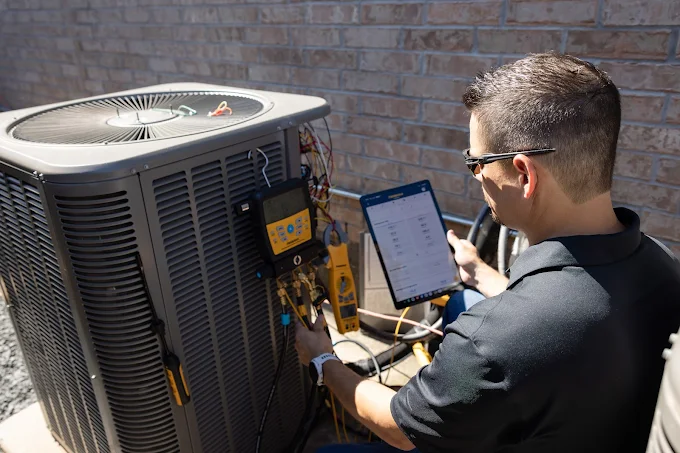
During a recent installation of a gas furnace in a humid-area home, the equipment physically fit and the homeowner’s first impression was “it’s working.” But on the first heating cycle, we measured airflow and temperature rise and found the duct connections weren’t fully seated. The furnace wasn’t operating the way it was designed to—safeguards kicked in intermittently. After reseating and sealing the connections and confirming proper airflow, the system ran steady and comfortable. The homeowner never would’ve guessed the “small” installation detail could have caused recurring shutdowns.
Signs Your HVAC System Needs Attention (Even After Installation)
If a system is new and you’re noticing any of the following, don’t ignore it:
- Burning or “hot metal” smell lasting beyond the first few minutes
- Frequent short cycling (turns on/off repeatedly)
- Cold rooms even when the main area feels warm
- Soot buildup around vents or near furnace connections
- Thermostat behavior that doesn’t match expectations (won’t hold temp, wrong mode, won’t restart)
- Unusual noises (rattling, banging, or whistling) that increase after the first heat run
These are not “normal growing pains.” They’re often installation verification issues—airflow, venting, electrical, or control settings.
Common Mistakes Homeowners Make
Here are the installation-related mistakes we most often see during “fix the problem” service calls:
1. Choosing a system based on price or tonnage alone, not on load calculations
- An oversized heating system can cycle too frequently, affecting efficiency, comfort, and safety behavior.
2. Skipping duct and airflow verification
- If ductwork doesn’t match the equipment’s airflow needs, the system may overheat, underheat, or trip limits.
3. Letting an installer proceed without commissioning
- “It fires up and blows air” isn’t commissioning. The contractor should verify operation, airflow, temperature rise, and safety controls as applicable.
4. Assuming the thermostat is “plug and play”
- Thermostat wiring errors can create mode conflicts or improper call signals. With modern systems, wrong wiring can create intermittent faults that are hard to diagnose later.
5. Using the wrong filters or airflow-restricting products
- A filter that’s too restrictive (or installed incorrectly) can reduce airflow and trigger safety shutdowns.
Repair, Installation, or Efficiency: What Actually Improves Safety and Comfort
Heating installation safety isn’t a single step—it’s a chain. Here’s the sequence we recommend homeowners and business owners look for, whether they’re installing a furnace, heat pump, or upgrading ductwork.
1) Start with correct equipment match and duct readiness
A safe installation starts before the equipment is set. We want ductwork that can deliver and return air properly.
If you’re dealing with old ductwork, disconnected runs, or inconsistent airflow, it’s worth addressing it during installation rather than waiting. For homes that need airflow restoration, professional ductwork installation support can make a measurable difference in both safety and comfort—especially when heating relies on correct airflow across the heat exchanger.
- If you’re currently missing returns or have poorly connected duct runs, consider guided improvements through duct installation services to ensure the system has what it needs to operate safely.
2) Confirm safety controls and airflow during the first heating cycle
During startup, technicians should verify:
- The system is operating in the correct mode
- Airflow is within required ranges (to prevent overheating or ineffective heat transfer)
- Safety switches (where applicable) behave normally
- No abnormal odors or abnormal venting behavior occur
This is also where we catch issues that don’t show up right away—like a duct connection that “seems tight” but isn’t fully sealed.
3) Address thermostat wiring before assuming comfort problems are “equipment issues”
Thermostats are the control center. A wrong wire, a loose connection, or a compatibility mismatch can make heating feel unreliable even if the furnace or heat pump is technically running.
If you’re upgrading or installing a thermostat as part of the heating project, we recommend professional setup through thermostat installation services. That includes verifying compatibility and making sure the system responds correctly to heating calls.
4) Commissioning includes checks that prevent “mystery shutdowns”
A lot of homeowner frustration comes from systems that work briefly and then stop. Those shutdowns are often safety-related—airflow, temperature rise, electrical contact issues, or improper setup.
If you’re facing reliability problems after installation, it’s not always a “repair” in the traditional sense. Sometimes the system needs verification and correction of the installation details. In those situations, targeted service like heating repair services can also uncover commissioning issues that were missed.
A realistic anonymized service case
A homeowner in Southeast Texas had a new furnace installed in late fall. The system would heat the hallway fine, but two bedrooms remained cool. After a couple weeks, the furnace started running longer than usual and occasionally shut down. When we inspected, the issue wasn’t the furnace itself—it was airflow imbalance from the duct connections and a return air pathway that wasn’t performing as intended. Once we corrected the duct connection sealing and verified airflow behavior, heating became steady and the shutdowns stopped.
That’s a good reminder: safety and comfort depend on the whole system working together, not just the equipment.
HVAC Maintenance Checklist (After Installation and Going Forward)
Even the safest installation can underperform if maintenance is neglected. Here’s a practical checklist you can use each season:
- Replace or check filters (and confirm they match the system’s airflow requirements)
- Inspect return air paths for blockage (especially during attic or storage rearrangements)
- Check thermostat operation: verify it calls for heat correctly and maintains temperature
- Verify vents and registers: no closed dampers blocking airflow unless the system is designed for it
- Listen for abnormal noises during startup and operation
- Schedule seasonal checks before peak heating demand and before spring humidity increases
- Document changes: if you change filter type or move furniture near vents, note it—airflow changes can reveal issues quickly
The Woodlands / Southeast Texas Relevance: Why This Matters Locally
Southeast Texas homes often face two realities that influence heating safety and comfort:
1. Long cooling seasons and humid air carry over into shoulder seasons. Moisture and indoor air conditions can make equipment behavior more sensitive to airflow and filter performance.
2. Many homes have older duct systems or attic heat exposure. If ducts leak or connections aren’t sealed, the heating system may struggle to maintain stable temperatures—and safety controls can respond to the resulting airflow conditions.
We also see many installs after attic renovations, duct modifications, or insulation changes. If those steps aren’t coordinated with HVAC airflow requirements, heating can feel “unsafe” even when the equipment is functioning—because the system is operating outside its ideal conditions.
Repair vs Replacement: When Installation Safety Should Prompt a Deeper Look
Sometimes homeowners assume that a new installation means “nothing can be wrong.” But safety isn’t judged by age—it’s judged by verified operation.
Best option for Southeast Texas homes (practical guidance)
- Repair/adjust if the equipment is new but symptoms indicate airflow, wiring, venting, or commissioning issues.
- Plan replacement if the equipment is repeatedly failing safety behavior due to underlying sizing mismatch, duct constraints that can’t be corrected economically, or persistent control faults that indicate deeper system incompatibility.
If you suspect an installation verification problem, start with a technician inspection rather than waiting for “it to work itself out.”
Quick Answer for Homeowners: What to Ask Your Installer
Before the final sign-off, a professional heating contractor should be able to answer these clearly:
- How will you verify safe operation during the first heating cycle?
- Will you check airflow and temperature rise (for systems where applicable)?
- Who confirms thermostat compatibility and correct wiring?
- How do you handle ductwork sealing and connection verification?
- What safety steps are included in startup/commissioning?
If the answers are vague, that’s a red flag.
FAQ
How soon should a new heating system be “fully working”?
Most systems should feel normal within the first day—no persistent odors, no repeated shutdowns, and stable temperature response. It’s normal to notice minor airflow changes as the duct system balances, but safety-related behavior (short cycling, shutdowns, or unusual smells) isn’t “normal.” If you see those signs, schedule an inspection promptly so the installer can verify airflow, wiring, and safety operation.
Can duct issues really affect heating safety?
Yes. Heating systems depend on correct airflow through the equipment. If duct connections aren’t sealed, returns are restricted, or airflow is imbalanced, the system may run hotter than intended or fail to transfer heat properly. That can lead to safety controls tripping and inconsistent comfort—especially in homes with older or poorly connected ductwork.
Should I upgrade my thermostat during a heating installation?
Often, yes—especially if you want better scheduling, remote control, or improved temperature stability. But the key is professional setup. Wrong wiring or compatibility issues can cause incorrect heating behavior. A proper installation of thermostat installation services helps ensure the system responds correctly to heating calls from day one.
Is emergency heating repair ever necessary in The Woodlands?
It can be, particularly during cold snaps or if a safety shutdown prevents operation. However, many “emergency” calls are avoided with pre-season inspection and proper commissioning during installation. If your system fails to restart after shutdown or you notice unusual odors, it’s safest to get help right away rather than troubleshooting on your own.
Ready to Improve Your Indoor Comfort and Energy Efficiency?
Safe heating installation is about verification, not just equipment replacement. If you’re planning a new furnace or heat pump—or you’ve noticed strange behavior after an install—getting a technician to confirm airflow, control operation, and safe startup can save you weeks of discomfort.
About Conley Cooling and Heating
Conley Cooling and Heating provides AC repair, air conditioning installation, heating services, indoor air quality solutions, ductwork services, ductless mini splits, heat pump systems, thermostat upgrades, and commercial HVAC support throughout The Woodlands, TX and surrounding Southeast Texas communities. The company focuses on reliable comfort solutions, energy-efficient system performance, indoor air quality improvement, and helping homeowners and businesses maintain dependable heating and cooling year-round.