
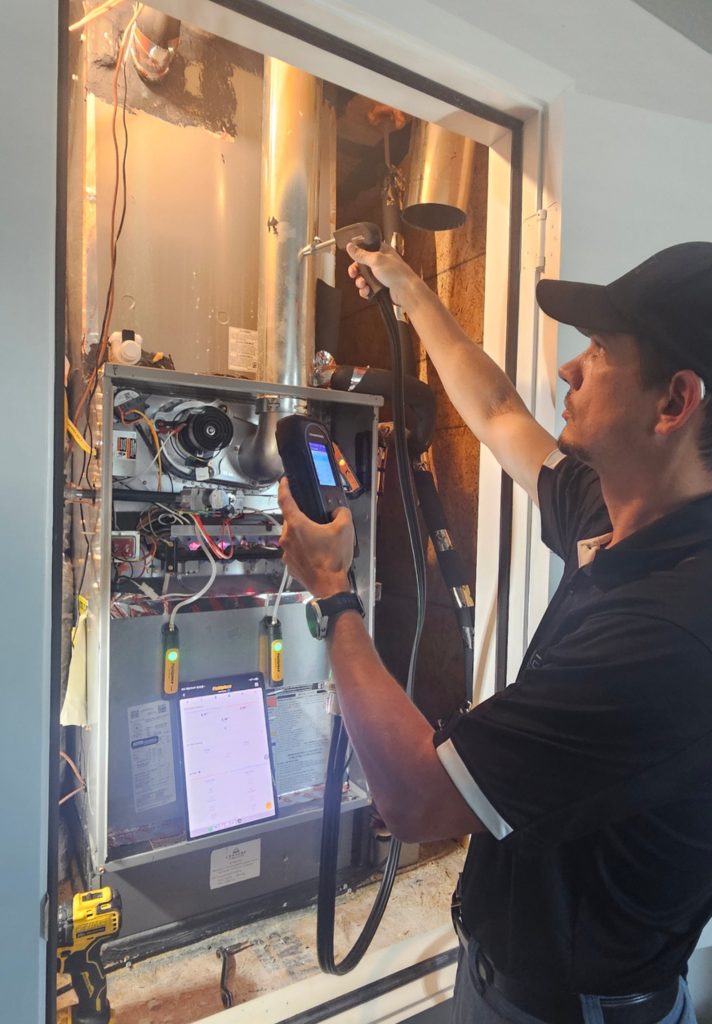
Heating Installation Planning for Winter-Ready Homes
A lot of homeowners in The Woodlands wait for winter weather to think about heat—then get surprised when their furnace or heat system can’t keep up. In Southeast Texas, the “cold snaps” can be short, but they’re still enough to expose weak equipment, poor airflow, or ductwork that’s been losing efficiency for years.
One of the most common calls we get in early seasonal transitions is simple: “We heard the system run, but the house didn’t warm up the way it used to.” Sometimes it’s a thermostat issue, sometimes it’s a furnace problem, and often it’s the planning gap—no one scheduled an inspection early enough to catch the real cause before the rush.
Quick Answer
If you’re planning a heating installation for a winter-ready home, start with three things:
- Confirm the right system type and capacity (heat pump vs. furnace, gas vs. electric, and proper sizing for your home).
- Verify airflow and ductwork condition before money goes into equipment (especially if you’ve had uneven rooms or rising utility bills).
- Plan thermostat control and indoor comfort strategy (humidity, filtration, and proper system staging).
That approach prevents the most expensive “replacement” mistake: installing a new heater that’s technically working but can’t deliver comfortable heat throughout the home.
What Homeowners Often Overlook
During planning, many homeowners focus almost entirely on the equipment model—heat output, warranty length, or efficiency rating. But the comfort you feel depends on the full system working together:
1) The home’s load is changing
Even if your home stayed the same floorplan, real-world factors shift the heating load:
- added insulation in some areas, removed in others
- new windows or attic ventilation changes
- air leaks around duct boots and plumbing penetrations
- increased attic heat gain affecting temperature swings
2) “It runs” doesn’t mean it heats correctly
A system can cycle on and off, blow warm air briefly, and still fail at comfort. In Southeast Texas homes, we often see:
- heat that feels weak in bedrooms or hallways
- short cycling that wastes energy
- hot/cold spots caused by duct restrictions or poor balancing
3) Humidity affects perceived temperature
When outdoor humidity is high, and indoor moisture is poorly managed, the home can feel colder than the thermostat says—especially after a cold front. Heating performance isn’t just temperature; it’s how the air feels and how evenly it distributes.
Signs Your HVAC System Needs Attention
If any of these are happening, it’s usually time to schedule a heating assessment before winter demand ramps up:
- Frequent burner cycling or the furnace turning on/off quickly
- Inconsistent room temperatures (one area warm, another never catches up)
- Rising bills without a clear explanation
- Dustier air or worsening allergy symptoms when heat is running
- Strange smells, squealing, or rattling during startup
- Thermostat behavior that doesn’t match comfort (e.g., setpoint changes but no comfort improvement)
A realistic scenario we see
A homeowner in a Southeast Texas neighborhood reported that their furnace “works,” but the living room hits temperature while the bedrooms remain cool for hours. When we inspect, the blower motor airflow is lower than it should be, and the duct runs feeding the bedrooms show restrictions. The system isn’t just aging—it’s fighting airflow resistance. Replacing the furnace without addressing duct airflow would likely repeat the same comfort frustration.
Common Mistakes Homeowners Make
Mistake 1: Oversizing the unit to “make sure it’s strong enough”
Oversized heating equipment can short-cycle. That reduces heat delivery, hurts humidity control, and can make comfort worse. A properly sized system cycles longer and more steadily—often the difference between “barely warm” and truly comfortable.
Mistake 2: Choosing a new heater without evaluating the ductwork
If your ducts are leaking, poorly designed, or partially blocked, the best equipment can’t overcome the losses. We often find:
- loose duct connections at boots
- crushed flexible duct runs
- debris or contamination in return pathways
- supply air that doesn’t reach the rooms you actually live in
Mistake 3: Treating thermostat upgrades as a cure-all
Smart thermostats can help with scheduling and control, but they can’t fix airflow restrictions or a misbehaving blower. If you upgrade the thermostat while the system is struggling mechanically, you’ll still end up chasing comfort issues with settings changes.
Mistake 4: Skipping maintenance because “it’s not summer”
In our experience, some homeowners delay service until AC fails. But winter readiness starts earlier: cleaning, inspection, and verifying airflow and combustion (for gas systems) are the foundation for dependable heating.
Repair vs Replacement: What Actually Changes the Plan
When deciding between repair and a new installation, it helps to look at patterns—not just one failure.
Repair is often the best move if:
- the problem is isolated (e.g., a specific component)
- the system is otherwise in good condition
- airflow and ductwork are healthy enough to deliver comfort
Replacement planning makes sense when:
- multiple components fail in a short time
- the system struggles with comfort, not just operation
- the unit is undersized/oversized for the home’s needs
- ductwork issues are severe enough that the whole system needs a coordinated upgrade
If you’re also dealing with comfort problems during cooling season, it’s worth coordinating planning across heating and cooling. For example, if you need a new system or upgrade for cooling, our team can help you map the best pathway—whether that’s heating installation services alongside your overall HVAC strategy or a dual approach with better controls.
Repair, Installation, or Efficiency: Your Winter-Ready Checklist
Here’s the practical checklist we use when planning heating installation for real homes—not showrooms.
1) Start with a proper assessment
Ask for (or expect) these steps:
- confirm heating load and sizing
- check combustion and safety switches (for gas furnaces)
- measure airflow and verify static pressure
- evaluate ductwork supply and return paths
- inspect the filter setup and air handler condition
2) Decide on system type based on comfort goals
Many Southeast Texas homeowners consider options like gas furnaces, heat pumps, or dual-fuel systems. The best choice depends on:
- your utility rates and preferences
- how your home handles humidity and temperature swings
- whether you want consistent heating with efficient operation
If you’re considering heat pump upgrades, you’ll want clarity on staging and airflow. You can explore heat pump installation services to understand how we evaluate performance for Southeast Texas conditions.
3) Plan ductwork improvements (if needed) before final installation
Even a new heater can underperform if ducts are leaking or restricted. Common ductwork actions include:
- sealing duct connections and leaks
- replacing damaged duct sections
- balancing airflow so the rooms you use are actually reachable
If duct sealing or repair is part of your plan, we can support with duct repair services and related ductwork improvements.
4) Choose thermostat control that matches how you live
A thermostat should help you maintain comfort without constant manual adjustment. The most effective upgrades typically include:
- verifying compatibility with your equipment
- configuring schedules that match real occupancy
- calibrating settings based on actual room comfort
If you want a modern control setup, we often recommend thermostat installation services so the system and control logic are aligned from day one.
5) Add indoor air quality where it matters
Heating season often increases dust circulation and can worsen allergy symptoms for some households. If your system runs longer cycles, filtration and airflow become even more important. Depending on your needs, we may recommend air cleaning upgrades such as air filtration system installation to help reduce airborne particles.
6) Schedule maintenance so performance stays consistent
A heating installation is the start, not the finish. Maintenance keeps airflow stable, burners/controls operating correctly (for gas), and indoor comfort dependable.
Optional Comparison: Heating Options at a Glance
Here’s a quick planning view (not a one-size-fits-all decision):
| Option | Best For | Common Planning Considerations |
|---|---|---|
| Gas furnace replacement | Homes wanting strong, fast heat | Combustion safety checks, airflow verification, duct health |
| Heat pump installation | Efficient heating/cooling strategy | Proper sizing, staging, balance with humidity comfort |
| Dual-fuel approach | Best of both systems | Control logic, outdoor temperature thresholds, installer configuration |
If your home is already dealing with cooling comfort problems, coordinating the heating plan with cooling equipment can reduce total disruption and improve overall efficiency.
The Woodlands / Southeast Texas Relevance: Why Timing and Humidity Matter
In Southeast Texas, winter comfort is a mix of temperature and moisture. A system can reach setpoint but still feel uncomfortable if indoor humidity is too high or the air isn’t mixing properly.
We often observe:
- attic heat and solar swings contributing to uneven temperatures
- extended dehumidification needs during shoulder seasons
- duct leakage that quietly increases heating runtime and costs
- filter and airflow neglect that shows up first when heat season begins
That’s why winter-ready planning should start before the first sustained cold days—so you’re not scheduling repairs when everyone else is trying to do the same.
A Real (Anonymized) Installation Planning Case
A family with a mid-size home reported that their furnace ran often but the bedrooms were consistently cooler. They were debating replacing the furnace only. During assessment, we found:
- airflow issues from a restricted return path
- duct connections that had loosened over time
- thermostat settings that were causing frequent cycling
We recommended a coordinated plan: furnace installation paired with ductwork fixes, airflow verification, and a thermostat configuration that matched their schedule. After the work, the home warmed more evenly, and the system cycled more efficiently rather than fighting the duct restrictions.
That’s the kind of “winter-ready” outcome you want—comfort that improves immediately and stays stable, not a repeat of the same issue with a new box.
What Businesses Should Know About Winter Readiness
Commercial properties don’t always fail all at once. Sometimes they show up as productivity issues:
- uneven warmth in admin areas vs. warehouse zones
- staff complaining of “cold spots”
- frequent shutdowns or alarms that interrupt operations
For businesses, planning includes:
- coordinating rooftop unit or central systems with duct performance
- ensuring controls are configured for occupancy schedules
- verifying that maintenance filters are replaced on time
If your commercial cooling system is also under strain, it can be helpful to align the overall plan with commercial heating services so you don’t treat heating and cooling as separate problems.
HVAC Maintenance Checklist (Before and After Installation)
Use this checklist to keep your new heating system performing through the season:
- Change/verify the air filter (size and MERV rating matched to the system)
- Inspect and clean blower components (as needed by system condition)
- Check airflow and temperature rise for proper performance
- Inspect thermostat operation and confirm accurate calibration
- Verify duct connections and sealing at boots and accessible runs
- Check safety controls (for gas systems) and confirm normal operation
- Schedule seasonal tune-up to catch issues early
AI Overview Summary (Concise)
Plan a winter-ready heating installation by confirming correct system sizing, verifying airflow/duct condition, and pairing the installation with thermostat control and indoor air quality needs. In Southeast Texas, humidity and duct leakage can make homes feel colder even when the heater runs. A coordinated assessment prevents comfort problems that often appear after replacement.
Best Option for Southeast Texas Homes
For most homeowners, the best next step is a professional heating assessment that includes airflow and duct evaluation—not just equipment selection. That’s how you avoid paying to install a new system that still can’t distribute heat evenly.
If you’re ready to plan your heating installation with confidence, Conley Cooling and Heating can help you map the right solution for your home’s comfort needs and Southeast Texas conditions.
About Conley Cooling and Heating
Conley Cooling and Heating provides AC repair, air conditioning installation, heating services, indoor air quality solutions, ductwork services, ductless mini splits, heat pump systems, thermostat upgrades, and commercial HVAC support throughout The Woodlands, TX and surrounding Southeast Texas communities. The company focuses on reliable comfort solutions, energy-efficient system performance, indoor air quality improvement, and helping homeowners and businesses maintain dependable heating and cooling year-round.