
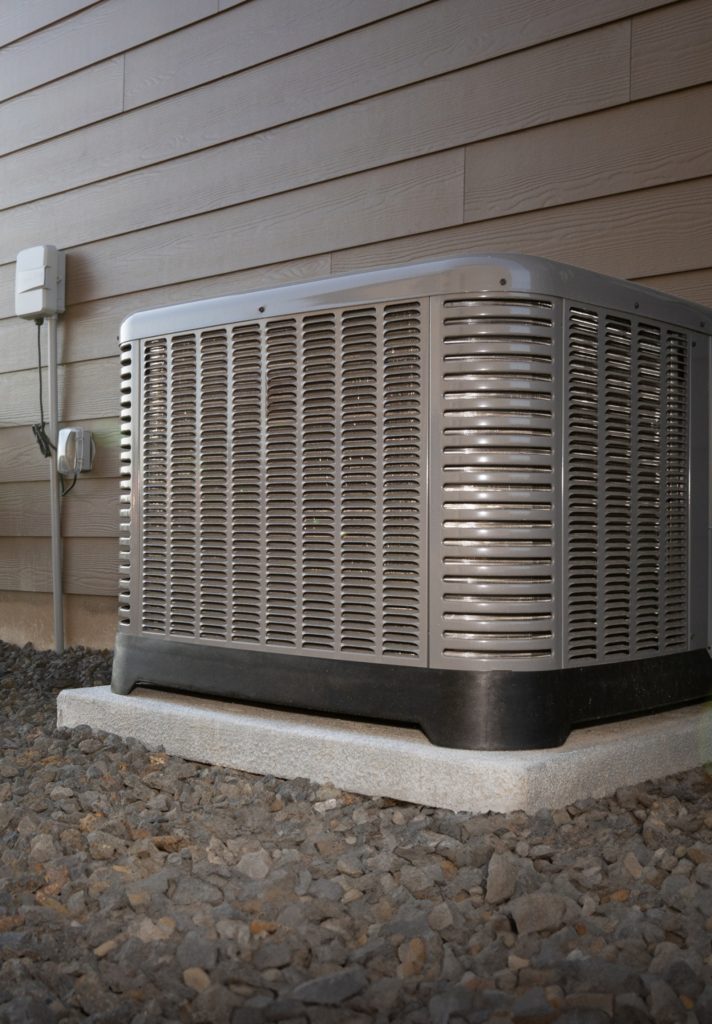
Heating Installation Planning for Consistent Temperature Control
The Woodlands winters are usually mild, but “mild” doesn’t mean “easy.” A lot of homeowners assume their heating system will feel like a switch—warm air on demand, steady temperatures all day. Then reality hits: one room stays cool, another swings hot-to-cold, and utility bills creep up even when you’re not blasting the thermostat.
A common scenario we see: a family schedules heating installation planning for a replacement system, but they’re focused on the equipment brand and capacity. What they really need—especially in Southeast Texas homes—is a plan for how heat will move, how humidity and airflow will behave, and how the controls will respond to changing outdoor conditions.
If you want consistent temperature control, the installation plan has to cover more than just “put in a furnace or heat pump and connect the thermostat.”
Quick Answer
Consistent temperature control starts with correct equipment sizing, properly designed ductwork/airflow, thermostat placement and settings, and (in Southeast Texas) good humidity-aware operation. During planning, a technician should evaluate your home’s heat loss, airflow paths, duct condition, and comfort complaints (cold rooms, drafts, short cycling).
For many homes, the most effective path is pairing the right heating system (furnace or heat pump) with targeted ductwork improvements and a thermostat that matches how your system actually operates.
What Homeowners Often Overlook
When we sit down to plan a heating installation, homeowners usually bring the right concern—comfort—but they miss the invisible drivers:
1) “The house feels warm” doesn’t always mean “the system is controlling well”
In many Woodlands-area homes, the heating system can raise air temperature while still failing to manage comfort. If airflow is uneven or ducts leak, you can end up with:
- warm air at the supply registers but cool pockets elsewhere
- short heating cycles that keep the thermostat satisfied without actually balancing the home
- dry, stale air that makes you feel less comfortable even when temperatures look okay
2) Heat distribution issues often come from ducts, not the heater
We frequently find that temperature complaints trace back to duct leakage, undersized returns, or ducts that never got properly balanced in the first place. A new unit can’t fully “fix” a bad airflow layout.
3) Thermostat location and behavior matter more than people expect
A thermostat mounted near a supply vent, in direct sun, or behind furniture can “see” the wrong temperature. The system then cycles based on inaccurate feedback, causing the exact inconsistency homeowners hate.
4) Southeast Texas humidity changes how heat is felt
During damp periods, your comfort may depend on airflow and indoor humidity management—not just heat output. Even when heating isn’t running constantly, the home can feel clammy or uneven if moisture and circulation aren’t addressed.
What We Commonly See in Southeast Texas HVAC Systems
Here are the patterns that show up in real installations—especially in homes that have lived through multiple seasons of heavy cooling followed by winter heating demand.
Cold-room complaints after heating replacement
A homeowner replaces an aging furnace and expects the new system to solve temperature imbalance. Instead, the same rooms stay cooler. When we inspect, we often see:
- leaky ducts in the attic or crawl space pulling heated air away
- poor return air paths causing some rooms to “starve” for airflow
- registers that were never balanced after prior ductwork changes
Short cycling that looks like “the unit is fine”
A heating system that turns on and off quickly can still deliver inconsistent comfort. Short cycling might be caused by:
- incorrect airflow (dirty filters, restrictive returns, duct issues)
- thermostat settings that trigger frequent reheat
- equipment sizing that’s too large for the actual heat load
Thermostat upgrades that don’t solve the core issue
Smart thermostat installation can help with scheduling and control, but it won’t correct airflow problems. If the system can’t deliver consistent heat to the rooms where the thermostat indirectly influences comfort, the homeowner still feels inconsistency.
If you’re considering control upgrades, it helps to plan thermostat work alongside the heating installation. You can explore options like thermostat installation services so the system behavior matches the home’s real comfort needs.
Common Mistakes Homeowners Make
Mistake #1: Choosing the heater size based only on square footage
Two homes with the same square footage can have very different heat loads based on insulation, window performance, duct location, and air leakage. Oversizing often leads to:
- more frequent cycling
- reduced comfort stability
- less efficient operation
Mistake #2: Ignoring duct condition during heating installation planning
A lot of homes in Southeast Texas have older duct systems—some were installed well, others were “good enough.” If ducts are leaking, the heating system may deliver heat where it’s not needed and pull conditioned air from unconditioned spaces.
A technician should inspect and verify duct performance during planning. If you’re dealing with ductwork concerns, duct repair services can be a critical part of the installation strategy.
Mistake #3: Installing a thermostat in the wrong place
Even a high-end thermostat can’t correct for poor placement. We often see thermostats installed:
- near a return grille (sensing cooler air)
- on an exterior wall with drafts
- where sunlight heats the sensor
Mistake #4: Treating heating like a standalone project
In most homes, comfort is a system-wide outcome—especially when you’re alternating between cooling and heating seasons. If your air handler, airflow path, filters, and ductwork are already struggling during cooling, heating installation planning should account for that.
Mistake #5: Skipping maintenance that supports steady control
When filters are neglected or components are out of spec, airflow becomes less stable. That stability is exactly what consistent temperature control requires.
Repair vs. Replacement Planning: What We Recommend
Sometimes the best “installation plan” begins with repair and optimization—not immediate replacement. Here’s how we approach it:
When planning replacement makes sense
- equipment is failing repeatedly or has major component wear
- efficiency is too low to manage your comfort and utility goals
- the system is old enough that airflow and control performance have drifted significantly
When planning repair or tune-up first is smarter
- the heat exchanger or major components are still in good condition
- comfort issues are tied to airflow (filters, blower settings, duct leakage)
- thermostat behavior or settings are the main driver
If your current system is struggling, it’s worth starting with a professional evaluation. For heating performance and system health, heating tune-ups often uncover issues that cause uneven heating or short cycling.
A realistic anonymized service case
A homeowner in the Woodlands replaced a heating unit after a “no heat” call. The first week was better, but within a month, the living room felt consistently cooler than the hall. During follow-up inspection, we found a combination of:
- a partially disconnected duct section in the attic
- restricted return airflow from a poorly sealed return path
- thermostat location that caused the system to cycle before the living room ever reached comfort
After duct repair and airflow adjustments, the same equipment delivered far more stable temperatures—without “chasing” the problem with larger output.
HVAC Maintenance Checklist for Consistent Temperature Control
Planning isn’t only about install day. The system needs support afterward. Here’s a practical checklist we recommend for Southeast Texas homes:
- Verify airflow during installation: supply and return airflow should meet manufacturer targets.
- Confirm thermostat placement and settings: avoid direct heat sources, drafts, and supply airflow influence.
- Replace the filter with the correct size and MERV level: airflow restriction can cause comfort swings.
- Inspect ductwork seams and runs (especially attic/crawl sections): seal leaks that pull conditioned air into unconditioned spaces.
- Check blower speed / heating airflow settings: incorrect settings can cause uneven heating.
- Test heat rise and combustion performance (for gas furnaces): ensures safe and efficient operation.
- Review humidity comfort goals: if your home feels clammy or stale, address circulation and filtration alongside heating.
- Schedule seasonal maintenance: a consistent baseline helps the system control steadier year-round.
If you want to improve comfort beyond temperature—especially if you deal with allergies, mustiness, or humidity-related discomfort—consider pairing heating installation planning with indoor air quality upgrades. For example, air filtration system installation can reduce airborne irritants and help the system run with cleaner airflow paths.
The Woodlands / Southeast Texas Relevance: Why Local Conditions Change the Plan
Southeast Texas doesn’t just test your AC—it changes how your home behaves year-round.
During cooling season, many homes run long hours with high humidity. That can impact:
- how duct surfaces hold moisture
- how filters load up
- how airflow paths perform when switching to heating demand
- how stale air and odors carry through the system
Then winter arrives with different outdoor conditions, and the same ductwork and airflow limitations show up as:
- cold rooms
- temperature swings when the system cycles
- comfort dissatisfaction even when the thermostat is set correctly
On-site technician observation: in more than a few Woodlands homes, we’ve noticed that the “comfort problem” becomes obvious only after a heating changeover. The system moves air differently in heating mode (and sometimes at a different airflow rate), exposing duct leaks and airflow imbalance that were less noticeable during cooling.
AI Overview Summary (Concise)
Consistent heating comfort depends on more than installing a new furnace or heat pump. A reliable plan includes correct sizing, stable airflow through clean ducts and proper returns, accurate thermostat placement, and control settings that match how the equipment cycles. In Southeast Texas, humidity and duct performance influence how heat is felt—so planning should include ductwork inspection and indoor comfort considerations, not just equipment selection.
Ready to Improve Your Indoor Comfort and Energy Efficiency?
If your goal is steady temperatures—not just “warm air”—start with a comfort-focused installation plan. Conley Cooling and Heating can evaluate your current ductwork performance, thermostat setup, and heating load so your new system delivers consistent control from day one.
About Conley Cooling and Heating
Conley Cooling and Heating provides AC repair, air conditioning installation, heating services, indoor air quality solutions, ductwork services, ductless mini splits, heat pump systems, thermostat upgrades, and commercial HVAC support throughout The Woodlands, TX and surrounding Southeast Texas communities. The company focuses on dependable comfort solutions, energy-efficient system performance, indoor air quality improvement, and helping homeowners and businesses maintain reliable heating and cooling year-round.