
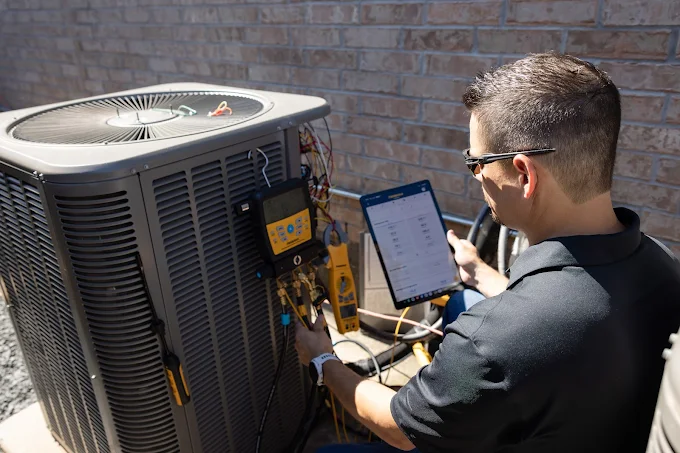
Heating Installation Innovations for Modern Homes
A cold snap hits The Woodlands overnight. By morning, your older furnace is struggling, some rooms are chilly, others too warm, and your energy bill is climbing month after month. At the same time, neighbors in newer homes talk about zoning, smart thermostats, and ultra-quiet systems that barely touch their utility costs.
That contrast isn’t an accident. Heating technology has advanced dramatically in the last 10–15 years, and modern homes in The Woodlands, TX are being built—and retrofitted—to take advantage of it. According to the U.S. Department of Energy, high‑efficiency systems can cut heating costs by 20–40%, and smart controls can trim another 8–15% when used correctly.
This guide walks through the latest heating installation innovations, what they mean in a warm‑climate market like ours, and how Conley Cooling and Heating helps local homeowners design systems that are efficient, flexible, and ready for the next decade—not just the next season.
Key Insight: Modern heating installation is no longer about “just a furnace.” It’s about integrated, smart, and efficient systems tailored to your home, your lifestyle, and our unique Gulf Coast climate.
Beyond the Basic Furnace: How Modern Heating Systems Are Designed
For many homes in The Woodlands, “heating” used to mean a single gas furnace in the attic and one thermostat in the hallway. That basic setup still works, but it doesn’t match how modern families actually use their homes—or how builders now design them.
Today’s heating installation services often combine:
- High‑efficiency gas furnaces
- Heat pumps for mild‑weather heating and cooling
- Zoning controls for different areas of the home
- Smart thermostats and sensors
- Improved duct design and sealing
A recent project in Creekside Park is a good example. A family was adding a second story and a home office over the garage. Rather than upsizing an older furnace, we designed a new system with a high‑efficiency furnace downstairs and a dedicated zoned system for the new space. With modern controls, they can heat only the office during early‑morning work hours instead of the entire house.
“Homeowners increasingly expect comfort to follow them, not just flood the whole house with heat.” — Senior Installer, Conley Cooling and Heating
This kind of design reduces wasted energy and creates more even temperatures from room to room. It also sets the stage for future upgrades like smart thermostat installation company services or additional zoning if your household grows or your needs change.
High‑Efficiency Furnaces and Dual Fuel Systems: More Comfort, Less Waste
Energy efficiency isn’t just a buzzword—it’s built into the latest generation of furnaces and hybrid systems. In a market like The Woodlands, where winters are relatively short but can include sharp cold fronts, choosing the right level of efficiency is about balancing upfront cost with long‑term savings.
Modern options include:
- High‑efficiency furnaces (up to 96–98% AFUE)
These units convert nearly all the fuel they burn into usable heat, wasting very little up the flue.
- Variable‑speed blowers
Instead of turning on full blast and then shutting off, they ramp up and down to maintain steady temperatures and quieter operation.
- Dual fuel (hybrid) systems
These combine a heat pump with a gas furnace. The heat pump handles mild‑weather heating efficiently; the furnace takes over only when it’s truly cold.
We recently worked with a homeowner in Alden Bridge whose 20‑year‑old furnace was driving winter gas bills higher each year. Rather than a like‑for‑like replacement, we installed a high‑efficiency furnace paired with a new heat pump. On typical 40–60°F winter days, the system uses the efficient heat pump; when temperatures drop into the 30s, the furnace kicks in automatically. Their winter utility costs dropped by about 25% compared to the previous year.
Here’s how traditional furnaces compare to modern hybrid systems for a typical Woodlands home:
| Feature | Older Standard Furnace | High‑Efficiency / Dual Fuel System |
|---|---|---|
| Typical AFUE | 80% or less | 95%+ (furnace) + high‑efficiency heat pump |
| Comfort level | Temperature swings | Steady, even heat with variable-speed blowers |
| Operating noise | Louder on/off cycles | Quieter, smoother operation |
| Typical lifespan impact | More wear from hard cycling | Less stress due to modulating operation |
| Upfront cost | Lower | Higher, but offset by long‑term savings |
For homeowners who also need cooling upgrades, combining heat pump installation services with a high‑efficiency furnace can be one of the smartest investments you can make in your home’s mechanical systems.
CALLOUT: In climates like ours, where cooling loads dominate but heating still matters, hybrid systems often deliver the best year‑round value.
Ductless and Zoned Heating: Tailoring Comfort to Every Room
Not every space in a home needs the same amount of heat—or needs it at the same time. That’s where ductless systems and zoning strategies come in.
Ductless Mini‑Splits for Additions and Problem Rooms
Ductless mini‑splits are small, efficient systems that provide heating and cooling without traditional ductwork. They’re ideal for:
- Bonus rooms and game rooms over the garage
- Home offices or gyms
- Sunrooms and enclosed patios
- Older homes where running new ducts is difficult
In a recent Panther Creek home, the upstairs game room was always several degrees colder in winter and hotter in summer. Rather than reworking the entire duct system, the homeowner opted for a ductless mini split installation. The result: precise temperature control for that space and less strain on the main system.
“Zoning is no longer a luxury feature; it’s become a practical necessity in larger, multi‑story homes.” — Lead System Designer, Conley Cooling and Heating
Whole‑Home Zoning with Ductwork
For homes with existing ducts, zoning uses motorized dampers and multiple thermostats to divide the home into separate “zones.” For example:
- Zone 1: Main living areas
- Zone 2: Bedrooms
- Zone 3: Upstairs or guest suite
A family in Sterling Ridge with a 3,500‑square‑foot two‑story home struggled with upstairs bedrooms that ran 3–4 degrees cooler than the first floor in winter. We added zoning to their existing duct system and installed a second thermostat upstairs. Now, they can warm the bedrooms in the evening without overheating the downstairs living room.
Ductless systems and zoning also work hand‑in‑hand with modern hvac ductwork installation contractor services to ensure the whole system is balanced, efficient, and tailored to how your family actually uses each space.
Smart Thermostats and Connected Controls: The Brain of Your System
Hardware efficiency is only part of the story. Control technology—how you manage your heating system day to day—has advanced just as quickly.
Smart thermostats and connected controls offer:
- Remote access from your phone
- Learning algorithms that adapt to your schedule
- Geofencing (adjusting temperatures based on your location)
- Energy usage reports and alerts
- Integration with voice assistants and other smart devices
In The Woodlands, we see a lot of households where both adults commute, kids are in activities, and schedules change week to week. A traditional programmable thermostat often isn’t flexible enough for that lifestyle. With a modern smart control, your system can:
- Turn back the heat when everyone leaves
- Warm the house before the first person gets home
- Adjust based on real‑time occupancy and weather
One client in Cochran’s Crossing upgraded to a smart thermostat as part of a broader professional heater installation company project. Their thermostat now sends alerts when it detects unusual run times. Last winter, it flagged a possible issue; a quick inspection found a failing component before it turned into a no‑heat emergency.
Here’s a quick comparison of traditional vs. smart controls:
| Feature | Traditional Thermostat | Smart / Connected Thermostat |
|---|---|---|
| Programming | Manual, fixed schedules | Adaptive, learning, app-based |
| Remote access | None | Full control via smartphone |
| Energy insights | None | Usage reports and recommendations |
| Integration | Standalone | Works with other smart home devices |
| Alerts and diagnostics | Limited | Alerts for maintenance, unusual behavior |
| Typical energy savings locally | Minimal | 8–15% potential with proper use |
Paired with expert hvac thermostat installation contractor support, smart controls turn a high‑efficiency furnace or heat pump into a truly optimized system.
CALLOUT: The smartest thermostat in the world can’t fix a poorly designed system—but it can help a well‑designed system reach its full potential.
Ductwork, Air Quality, and Humidity: The Hidden Side of Modern Heating
Modern heating installation isn’t just about the furnace or heat pump. The “supporting cast”—ductwork, filtration, and humidity control—has a huge impact on comfort, health, and efficiency.
Ductwork: The Distribution Network
Leaky, poorly designed ducts can waste 20–30% of the heated air your system produces. In The Woodlands, where many homes have attic ductwork, heat loss and air leakage are common.
We often pair new furnaces with:
- Properly sized and sealed ducts
- Improved insulation around duct runs
- Redesigned layouts to reduce long, restrictive runs
In a 1990s‑era home near Market Street, we discovered major leakage in the attic duct system during a replacement project. By combining new equipment with hvac duct sealing and repair, the homeowner saw more even temperatures and lower run times immediately.
Indoor Air Quality and Humidity
Winter in The Woodlands can swing from damp and chilly to cool and dry. Modern systems can integrate:
- Advanced filtration and hepa air filtration systems
- hvac air purifier installation with UV or other technologies
- Humidity control to prevent dry air or excess moisture
“Comfort is a combination of temperature, humidity, and air cleanliness. Ignore any one of those, and the others can’t fully make up for it.” — Indoor Air Quality Specialist, Conley Cooling and Heating
Many of our heating installation projects now include options for indoor humidity control solutions, especially for families with allergies, respiratory concerns, or sensitive wood furnishings and floors.
Planning for the Future: Electrification, Resilience, and Long‑Term Value
The final piece of modern heating innovation is about looking ahead. Codes, energy prices, and homeowner expectations are all shifting, and The Woodlands is no exception.
Electrification and Heat Pumps
Across Texas, there’s growing interest in reducing reliance on gas where practical, especially in newer, tighter homes. High‑efficiency heat pumps now operate effectively even on colder nights, making them a viable primary heat source for many local homes.
Pairing a heat pump with a backup gas furnace (dual fuel) provides:
- Flexibility to choose the most efficient fuel source based on temperature
- Redundancy in case of supply issues
- Compatibility with future grid and incentive programs
Homeowners who recently upgraded their cooling with professional ac system installation often find that adding a modern heat pump is a natural next step when it’s time for a heating upgrade.
Resilience and Backup Strategies
The 2021 winter storm changed how many Texans think about heating. While no system can fully guarantee comfort during extended grid outages, thoughtful design can improve resilience:
- Systems that can run on backup generators (with appropriate sizing)
- Zoning that allows focusing heat in critical areas
- Equipment placed to avoid flood‑prone locations
We’ve worked with several Creekside and Grogan’s Mill homeowners to plan systems that integrate with whole‑home generators, ensuring key areas can stay heated during shorter outages.
CALLOUT: A modern heating installation is an opportunity to future‑proof your home—not just replace what’s already there.
What This Means for Homeowners in The Woodlands, TX
The Woodlands is a unique market: relatively mild winters, hot and humid summers, and a housing mix that ranges from 1980s builds to brand‑new custom homes. That mix creates both challenges and opportunities for modern heating design.
For older homes, upgrading your heating system is often the perfect time to:
- Correct long‑standing comfort issues (cold rooms, uneven temperatures)
- Address leaky or undersized ductwork
- Add zoning or ductless solutions for additions and converted spaces
- Integrate smart controls and better filtration
For newer homes, the focus is often on:
- Fine‑tuning already efficient systems for even better performance
- Adding zones as families grow or spaces are repurposed
- Upgrading to high‑efficiency or hybrid systems at the right replacement point
Local energy costs and building standards make it increasingly worthwhile to look beyond a “simple swap” when your old furnace or heat pump fails. A thoughtfully designed system can:
- Lower your monthly bills
- Reduce noise and temperature swings
- Improve indoor air quality and humidity control
- Add value and appeal if you ever decide to sell
As a local company serving The Woodlands and surrounding communities, Conley Cooling and Heating understands both the climate and the housing stock here. We see, day in and day out, how modern heating innovations can transform older, uncomfortable homes into spaces that feel consistently warm, quiet, and clean—without punishing utility bills.
Frequently Asked Questions
Q: My furnace still runs. How do I know if it’s worth upgrading to a modern system?
A: Age, repair history, and comfort are the three big indicators. If your furnace is over 12–15 years old, needs frequent repairs, or leaves some rooms cold while others overheat, it’s a strong sign that you’d benefit from a modern replacement. In The Woodlands, we often find older systems running at 70–80% efficiency or less. Upgrading to a high‑efficiency furnace or hybrid setup can significantly reduce energy use while improving comfort. A professional evaluation can compare the cost of keeping your current system (including likely repairs and energy waste) to the long‑term value of a new installation.
Q: Will a high‑efficiency furnace really make a difference in a mild climate like The Woodlands?
A: Yes—though the benefits go beyond just fuel savings. While our heating season is shorter than in colder regions, high‑efficiency equipment offers steadier temperatures, quieter operation, and better compatibility with modern controls. Many homeowners who contact us initially for heating repair services ultimately choose replacement once they see how much comfort and efficiency have improved in the last decade. The savings may not be as dramatic as in northern climates, but when combined with improved comfort and indoor air quality, the upgrade often pays off in multiple ways.
Q: Do I really need zoning, or is that just an upsell?
A: Zoning isn’t for every home, but it’s extremely helpful in certain situations: two‑story homes with temperature differences between floors, large open‑plan layouts, or homes with finished spaces over garages. In The Woodlands, many homes fit one or more of these categories. Zoning lets you heat different areas independently instead of over‑conditioning the whole house to satisfy one problem room. That often reduces run time and energy use. A good contractor will evaluate your floor plan, duct layout, and comfort complaints to determine whether zoning or a targeted energy efficient ductless systems solution makes the most sense.
Q: How do smart thermostats work with modern heating systems?
A: Smart thermostats act as the “brain” for your system, adjusting temperatures based on your schedule, occupancy, and even local weather. When installed and configured correctly, they can help high‑efficiency furnaces and heat pumps operate at their best—avoiding unnecessary cycling and taking advantage of slower, more efficient operation modes. In many Woodlands homes, pairing a new system with thermostat installation services is one of the most cost‑effective upgrades, because it improves both comfort and efficiency without changing the major equipment. Professional setup is important to ensure compatibility and to customize settings for your home and lifestyle.
Q: Should I consider a heat pump instead of a traditional furnace?
A: For many homeowners in The Woodlands, a heat pump—or a dual fuel system that combines a heat pump with a gas furnace—offers an excellent balance of comfort and efficiency. Heat pumps are very efficient during our typical 40–60°F winter days and also provide cooling in summer. A gas furnace can then take over on the coldest nights if needed. If your cooling system is also aging, it may make sense to look at a combined upgrade with residential heat pump replacement as part of the plan. A professional assessment can compare the operating costs of gas vs. electric heating based on your actual usage patterns.
Q: What about indoor air quality when I upgrade my heating system?
A: A heating upgrade is an ideal time to address indoor air quality because the equipment is already being replaced and ducts are accessible. In our humid Gulf Coast environment, we often recommend combining new heating systems with indoor air quality solutions such as advanced filtration, UV or electronic air cleaners, and humidity management. This can help reduce allergens, dust, and airborne contaminants, while keeping humidity in a range that feels comfortable and protects your home’s finishes. Many homeowners notice less dust, fewer odors, and better respiratory comfort after integrating IAQ upgrades with their new heating system.
Q: How disruptive is a modern heating installation, and how long does it take?
A: For a typical furnace replacement in The Woodlands, most projects can be completed in a single day, especially if we’re working with existing ductwork and similar equipment locations. More complex projects—such as adding zoning, installing ductless systems, or reworking duct layouts—may take two to three days. We plan installations to minimize disruption, protect your home, and keep you informed throughout the process. If you’re dealing with an urgent situation, we can often provide temporary solutions while we design and schedule your full installation, drawing on the same responsiveness we use for same day heating repair service calls.
Ready to Get Started?
Heating technology has moved far beyond the one‑size‑fits‑all systems many of us grew up with. Whether your current furnace is nearing the end of its life, you’re planning a renovation, or you’re simply tired of cold spots and rising bills, now is the ideal time to explore modern options.
In The Woodlands, the most cost‑effective upgrades often happen before a complete breakdown. That timing gives you space to compare systems, consider high‑efficiency or hybrid options, and integrate ductwork, zoning, and air quality improvements without the pressure of a no‑heat emergency. Seasonal demand also affects scheduling, so planning ahead can secure better timelines and more flexibility.
Conley Cooling and Heating can assess your current system, listen to your comfort concerns, and design a solution tailored to your home and budget—from straightforward furnace and heating system installation to advanced hybrid and zoned setups. You’ll know exactly what to expect in terms of cost, comfort, and long‑term value.
About Conley Cooling and Heating
Conley Cooling and Heating is a locally owned HVAC specialist serving The Woodlands, TX and surrounding communities. Our team brings years of hands‑on experience in heating installation, repair, and indoor air quality, with a focus on solutions that match our Gulf Coast climate and local homes. From high‑efficiency furnaces to smart controls and ductless systems, we design and install systems that prioritize comfort, reliability, and long‑term performance. Learn more about our services and story at our website.