
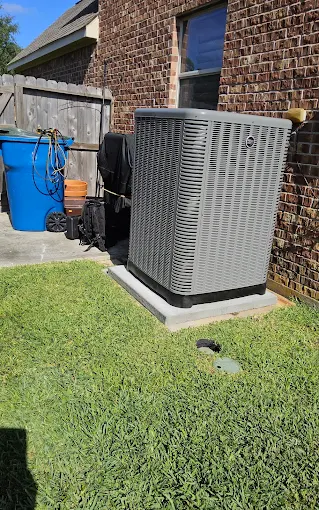
Heating Installation Efficiency: Get More Warmth, Less Waste
Last winter, a homeowner in The Woodlands called because their new thermostat was set to a comfortable temperature—but the upstairs still felt chilly and the living room never quite warmed up the way it used to. The heating equipment was “working,” but the system seemed to run longer than normal and still delivered uneven comfort. When a furnace or heat pump replacement doesn’t solve comfort problems, the issue is often efficiency-related: airflow, duct performance, correct sizing, and proper commissioning—not just the brand of the equipment.
In Southeast Texas, heating may not run 24/7 like it does in colder climates, but humidity and duct leakage still affect how warm (and how evenly warm) your home feels. A high-efficiency system installed poorly can waste energy, shorten equipment life, and keep you chasing comfort settings instead of enjoying stable warmth.
Quick Answer
Heating installation efficiency isn’t only about installing a “high-SEER” or “high-AFUE” system. Real-world performance depends on:
- Correct equipment sizing for your home’s heat loss (not just square footage)
- Proper ductwork design and sealing
- Correct airflow (supply/return balance and static pressure)
- Thermostat setup that matches how the system actually cycles
- Commissioning checks—measuring temperatures and verifying airflow at the registers
If these pieces aren’t handled during installation, you can end up with higher bills, short cycling, hot/cold rooms, and higher humidity levels that make indoor air feel uncomfortable.
What We Commonly See in Southeast Texas HVAC Systems
From what we see on installation follow-ups and warranty callbacks, the most common efficiency killers aren’t “mystery failures.” They’re installation details that homeowners can’t easily see:
1) The system is sized “close enough,” but not accurate
In our area, heat loss can vary widely depending on insulation quality, window exposure, and how much air is leaking through attic penetrations or duct runs. Two homes with the same square footage can need very different heating capacity.
A technician can look at the equipment label and calculate airflow targets, but the most important step is the heat-load evaluation. Without it, installers may pick a unit that’s too small (more runtime, less comfort) or too large (short cycling and poor humidity control).
2) Ducts restrict airflow—especially in older homes
Many older Southeast Texas homes have duct systems that were never designed for the airflow requirements of newer equipment. When a furnace or heat pump is installed with the wrong blower speed or the ducts can’t deliver enough air, the system can run longer while still failing to warm consistently.
3) Returns and registers aren’t balanced
A “cold room” isn’t always a heating problem. Sometimes it’s a distribution problem: supply air is delivered, but return air isn’t pulling evenly, or the system isn’t pushing enough air through that zone.
4) Thermostat setup is incomplete
Even the best equipment can feel inefficient if the thermostat is configured incorrectly—especially with heat pumps or variable-speed systems. Incorrect staging settings, fan control behavior, or sensor placement can lead to unnecessary runtime or temperature swings.
A Real Technician Observation (What Often Tells Us It’s an Installation Efficiency Issue)
During a post-install service visit, we tested a system that was “installed recently” and yet the supply air felt weak at the registers. The furnace would ignite and run, but the airflow was noticeably reduced compared to what the system should deliver for the measured external static pressure.
When we inspected the ductwork, we found a combination of:
- a restrictive return path,
- a partially disconnected flex section,
- and a duct run that had been compressed during installation.
That kind of restriction can increase runtime and reduce heat delivery—so the system “works,” but it wastes energy and still doesn’t deliver comfort. This is why efficient heating installations are as much about airflow and duct performance as they are about equipment.
Common Mistakes Homeowners Make
Mistake 1: Choosing equipment based on “efficiency rating” alone
A higher AFUE (furnace) or better heat pump efficiency rating won’t guarantee lower bills if airflow is off or ducts are leaking.
Mistake 2: Ignoring ductwork until after the install
Many comfort complaints start after replacement—especially in homes with older ducts. If duct sealing or repairs weren’t addressed, the new system can deliver less heat than expected.
Mistake 3: Setting thermostat expectations without verifying system behavior
Some homeowners assume the thermostat should “hold temperature” perfectly. In reality, variable-speed and staged equipment needs correct configuration to cycle efficiently and avoid temperature swings.
Mistake 4: Skipping commissioning checks
A proper installation includes performance verification: airflow, temperature rise, ignition behavior, safety controls, and—on heat pumps—defrost and refrigerant operation checks where applicable.
Repair, Installation, or Efficiency: What to Do (and What to Ask)
Here’s what we recommend homeowners and property managers do to make sure they get more warmth and less waste from a heating installation.
Heating Installation Efficiency Checklist
Ask your installer to confirm the following during and after installation:
- Load calculation performed (heat loss estimate based on insulation, windows, and air leakage)
- Correct equipment size and staging plan (avoids short cycling and long runtimes)
- Airflow verified (supply/return balance and duct static pressure within manufacturer requirements)
- Temperature rise checked (furnace) or airflow targets confirmed (heat pump/air handler)
- Ductwork inspected and sealed where leaks are found
- Thermostat configured properly for the system type
- System tested in real conditions (not just “it turns on”)
- Clear operating guidance (what “normal” runtime looks like and how the system should respond)
Ductwork recommendation (often the missing piece)
If you have uneven warmth, rooms that stay cooler, or noticeable drafts, duct performance is a prime suspect. In many cases, targeted duct sealing and repair improves comfort immediately—and reduces wasted heating energy.
If you need duct repair support, you can review how air duct repair services are typically approached (leaks, disconnections, and airflow restrictions).
Optional Comparison: What Better Efficiency Looks Like in Practice
| Problem after install | What it often indicates | Efficiency impact |
|---|---|---|
| Runs longer but rooms stay cool | Low airflow, restricted ducts, wrong sizing | Higher heating bills |
| Hot downstairs, cold upstairs | Airflow imbalance, poor duct distribution | Uneven comfort, wasted runtime |
| Temperature swings | Thermostat misconfiguration, staging issues | Comfort complaints, inefficient cycling |
| Dry comfort problems / lingering humidity | Poor airflow/ventilation balance | Less “feel-warm,” possible moisture issues |
The Woodlands / Southeast Texas Relevance: Why This Matters Here
In Southeast Texas, you’re dealing with humid outdoor air, long cooling seasons, and homes that often have duct systems running through attics or crawl spaces. Even when heating isn’t the primary season, humidity and airflow still affect comfort. A system that delivers heat but doesn’t manage airflow effectively can create “warm in some rooms, damp and chilly in others” discomfort.
We also see a lot of homes where ductwork was added or modified over time—sometimes with well-intended upgrades that didn’t include a full airflow redesign. That’s why installation efficiency should be treated as a system-wide project: equipment + ductwork + thermostat + commissioning.
Best Option for Southeast Texas Homes: Pair Heating Efficiency With Airflow and Controls
If your goal is to reduce waste, the most reliable approach is to ensure the entire heating delivery system is tuned. That often includes thermostat configuration and—where needed—duct improvements.
For example, if you’re upgrading controls, you may want to consider smart thermostat installation services that align the thermostat’s behavior with how your furnace or heat pump actually cycles. The right configuration can reduce unnecessary staging and improve comfort consistency.
If you’re dealing with comfort issues that seem “heating-related” but start with air delivery, duct sealing and repair can be a turning point. For new construction or replacement duct planning, you may also find value in residential air duct installation guidance—especially if duct layout or register placement is part of your comfort problem.
An anonymized service case (typical of what we see)
A family replaced their aging furnace with a newer high-efficiency unit. The first week was better—but after a few cold fronts, the second floor stayed noticeably cooler. During our inspection, we found the supply air wasn’t reaching the upstairs branches because of duct restrictions and an imbalanced return path. We corrected airflow and addressed duct issues, and the comfort improved without needing to “turn the thermostat way up.” Their heating runtime became steadier, and the temperature felt more consistent across rooms.
Signs Your HVAC System Needs Attention
Look for these patterns after installation—or if you’re planning a replacement:
- Heating runs continuously but comfort doesn’t improve
- Certain rooms are always colder, even with airflow “open”
- You feel drafts near registers or returns
- The system cycles too frequently or seems to struggle to maintain temperature
- Utility bills spike after replacement
- Humidity feels off (clammy or uneven comfort) even when temperatures are set correctly
What Homeowners Should Know (Repair vs Replacement)
A lot of people assume a new system automatically fixes comfort and cost. Sometimes replacement is the right move. But if the comfort issue stems from duct restrictions, airflow imbalances, or thermostat configuration, replacing equipment without correcting the delivery system can repeat the problem.
A reasonable approach is:
- If the equipment is failing or inefficient, replacement may be justified.
- If comfort is inconsistent, investigate ducts and airflow before blaming the new unit.
- If the system is new but performance is off, schedule a verification visit—commissioning matters.
HVAC Maintenance Checklist (So Efficiency Stays High)
Even the best installation loses efficiency when maintenance is neglected. Use this seasonal checklist:
- Replace or clean filters on schedule
- Check blower operation and verify airflow feel at registers
- Inspect for unusual noises, vibration, or ignition behavior
- Confirm thermostat operation and sensor placement
- Visually check for duct disconnections or airflow leaks
- Schedule a heating tune-up before the coldest weeks
- Document any comfort changes and note room-by-room differences
If you’re planning maintenance, you can also explore heating tune-ups to understand what technicians typically verify during a seasonal service visit.
Optional FAQ
How do I know if my heating system was installed efficiently?
The simplest indicators are even comfort, reasonable runtime, and stable indoor temperature without constant thermostat adjustments. A more technical indicator is whether airflow and performance were verified during installation—static pressure, temperature rise, and duct distribution checks. If you notice weak airflow, short cycling, or persistent hot/cold room differences, it’s worth scheduling a performance and duct inspection.
Can ductwork affect my heating bills even if I installed a new furnace/heat pump?
Yes. Leaky or restricted ductwork can reduce how much heat reaches living spaces. The system then runs longer to compensate, which increases energy use. In Southeast Texas homes, where ducts may run through attics or other less-conditioned spaces, leakage and poor insulation can also waste heat before it ever reaches the room.
What thermostat changes improve heating efficiency?
Efficiency improvements usually come from correct configuration for your system type and behavior. That includes staging logic, fan settings, and accurate sensor placement. If the thermostat was installed but the system still cycles inefficiently, the issue may be configuration rather than the device itself. A technician can confirm the thermostat is set up to match the heating equipment.
Should I consider duct sealing or duct repair with a new heating installation?
If you have uneven temperatures, drafts, or visible duct problems, duct sealing and repair are often a high-return upgrade—especially for comfort and efficiency. It’s most effective when addressed during installation planning, but it can also be improved after the fact with targeted repairs.
Ready to Improve Your Indoor Comfort and Energy Efficiency?
Efficient heating is a whole-system job. If you’re planning a replacement—or worried your new system isn’t performing the way it should—Conley Cooling and Heating can help verify airflow, duct performance, and thermostat setup so you get real warmth with less waste.
About Conley Cooling and Heating
Conley Cooling and Heating provides AC repair, air conditioning installation, heating services, indoor air quality solutions, ductwork services, ductless mini splits, heat pump systems, thermostat upgrades, and commercial HVAC support throughout The Woodlands, TX and surrounding Southeast Texas communities. The company focuses on reliable comfort solutions, energy-efficient system performance, indoor air quality improvement, and helping homeowners and businesses maintain dependable heating and cooling year-round.