
Heating Installation Checklist for Cozy Confidence
On the first chilly morning in The Woodlands, phones at local HVAC companies start ringing before sunrise. Homeowners who thought they could “get one more season” out of an older heater suddenly find themselves wrapped in blankets, hoping the system will kick on. In a climate that’s hot most of the year, heating can feel like an afterthought—until a cold front blows in off the Gulf and the house just won’t warm up.
Yet a new heating system is a long-term investment, affecting comfort, safety, energy bills, and even home value. According to the U.S. Energy Information Administration, heating accounts for roughly 29% of a typical home’s energy use. Installed correctly, a high-efficiency system can trim that significantly; installed poorly, it can lock you into years of higher bills and uneven comfort.
This checklist is designed to help homeowners in The Woodlands and surrounding communities approach heating installation with “cozy confidence”—knowing what to ask, what to expect, and how to get it done right the first time.
Key Insight: A great heater isn’t enough. The real comfort, safety, and savings come from a careful, step-by-step installation process tailored to your home and our Texas climate.
Step 1: Evaluate Your Home, Not Just the Equipment
Before anyone talks brands, models, or SEER/HSPF ratings, a proper heating installation starts with understanding your home. Square footage alone is not enough. A thorough assessment should look at:
- Home size, layout, and ceiling heights
- Insulation levels and window quality
- Existing ductwork condition and design
- Air leakage (drafts, gaps, attic access)
- How you actually live in the space (occupied rooms, schedules)
In The Woodlands, many homes were built with cooling as the primary focus. That means ductwork and system sizing may have been optimized for summer loads, not for efficient, balanced winter heating. A good residential heating installation contractor will perform a Manual J load calculation (the industry standard) rather than relying on rules of thumb.
“Any contractor who suggests a system size after a quick walk-through is guessing, not designing.” — HVAC Design Principle
Real local example
A family in Alden Bridge called for a quote on a furnace and energy efficient heat pump systems. Their old unit short-cycled constantly and left upstairs bedrooms cold. Instead of just replacing it with the same size, a full load calculation and duct inspection revealed:
- Oversized existing system
- Leaky return duct in the attic
- Poor airflow to the far bedrooms
By right-sizing the system and planning duct repairs alongside the new equipment, they gained quieter operation, better comfort, and lower bills.
CALLOUT: The first item on your heating installation checklist should be: “Has my contractor evaluated the house, not just the old unit?” If the answer is no, pause the process.
Step 2: Choose the Right Heating System for Our Climate and Your Goals
Once your home’s needs are clear, it’s time to talk system types. In The Woodlands, you’ll commonly see:
- Gas furnaces
- Electric furnaces
- Heat pumps (including dual fuel systems)
- Ductless mini-splits for targeted spaces or additions
Each option has pros and cons depending on gas availability, energy prices, comfort preferences, and whether you’re pairing with existing air conditioning installation services.
Traditional vs. Modern Heating Options in The Woodlands
| Option | Best For | Upfront Cost (Local Range) | Operating Cost | Comfort & Flexibility |
|---|---|---|---|---|
| Standard Gas Furnace | Homes with gas line, traditional setups | $$ | $-$$ | Strong heat, simple controls |
| High-Efficiency Gas Furnace | Long-term homes, lower utility bills | $$$ | $ | Quieter, more even temperatures |
| Heat Pump System | Mild winters, energy-conscious homeowners | $$$ | $ | Heating + cooling in one system |
| Dual Fuel Heat Pump | Max efficiency, gas backup for cold snaps | $$$$ | $ | Automatically chooses cheapest fuel |
| Ductless Mini-Split | Additions, bonus rooms, no ducts or zoning | $$-$$$ per zone | $ | Room-by-room control, very efficient |
\Local ranges vary by size, brand, and installation complexity.
In many Woodlands homes, a heat pump paired with a gas furnace as a backup (a dual fuel heat pump installation) delivers excellent comfort and low operating costs. You get efficient electric heating in mild weather and gas backup when temperatures dip.
Local case in point
A homeowner in Creekside Park with high electric bills and an aging furnace worked with Conley Cooling and Heating to explore heat pump installation services. After comparing a straight furnace replacement to a dual fuel setup, they chose the latter. Their winter bills dropped, and the system automatically shifts between heat pump and gas based on temperature and efficiency.
CALLOUT: Don’t just ask, “What’s the best system?” Ask, “What’s the best system for my house, my utility rates, and how long I plan to live here?”
Step 3: Don’t Ignore Ductwork—It’s Half the System
In many Texas homes, the ducts are the weakest link. Even a top-of-the-line furnace or heat pump will underperform if air can’t move efficiently and quietly through the home.
A proper heating installation checklist must include:
- Duct sizing and design review
- Inspection for leaks, disconnections, and crushed sections
- Balancing supply and return air
- Insulation levels in the attic and any exposed duct runs
ENERGY STAR estimates that typical duct systems lose 20–30% of the air moving through them because of leaks and poor connections. In The Woodlands, where much of the ductwork lives in hot attics, this can translate to big energy waste and uncomfortable rooms.
“Upgrading equipment without addressing ducts is like putting a racing engine in a car with flat tires.” — HVAC Performance Expert
Local example
A Panther Creek homeowner upgraded to a high-efficiency furnace but kept the original ducts. After the install, they still had cold spots and noisy airflow. A follow-up evaluation found undersized returns and significant leaks. After hvac duct sealing and repair and adding a new return in the master suite, the system finally performed as advertised.
Ductwork options to consider
- New homes or major remodels may need full hvac ductwork installation contractor services.
- Existing homes might benefit from strategic duct modifications and residential ductwork repair services.
- Bonus rooms or problem areas sometimes call for ductless mini split installation to avoid costly duct extensions.
CALLOUT: Your heating system is only as good as the ductwork that delivers the air. Make duct evaluation non-negotiable on your checklist.
Step 4: Plan for Comfort Controls, Air Quality, and Humidity
A modern heating system is more than a box in the attic. The “comfort ecosystem” includes your thermostat, air filtration, purification, and humidity control. Addressing these during installation is far easier and more cost-effective than trying to retrofit later.
Smart thermostats and controls
In our area, temperature swings can be dramatic—warm afternoons and chilly nights. Smart controls help manage these swings efficiently. During installation, consider:
- wifi thermostat setup and repair for remote control and scheduling
- Zoning options for two-story or spread-out floorplans
- Compatibility with your chosen heating and cooling equipment
A Creekside Park family upgraded to a new furnace and added a smart thermostat installation company service at the same time. With better scheduling and geofencing, they reduced energy use while keeping bedrooms warmer at night without overheating the rest of the house.
Air quality and humidity
Winter in The Woodlands is often damp, but heating can still dry out indoor air, especially with gas furnaces. At the same time, our region’s humidity and allergy seasons make air quality a year-round concern.
During installation, discuss:
- whole house air filtration services and HEPA options
- uv air purification systems to help with viruses and bacteria
- hvac humidity control systems for year-round comfort
CALLOUT: Add “thermostat and air quality plan” to your checklist. The right controls and filtration can make a good system feel great.
Step 5: Verify Proper Installation, Safety, and Code Compliance
The day of installation is where all the planning becomes reality. This is also where cutting corners can create long-term problems—comfort issues, breakdowns, or even safety risks.
A professional heater installation company should:
- Pull any required permits and schedule inspections where applicable
- Follow manufacturer specifications to protect your warranty
- Use proper gas piping, venting, and combustion air (for gas furnaces)
- Confirm electrical supply, breakers, and disconnects are correct
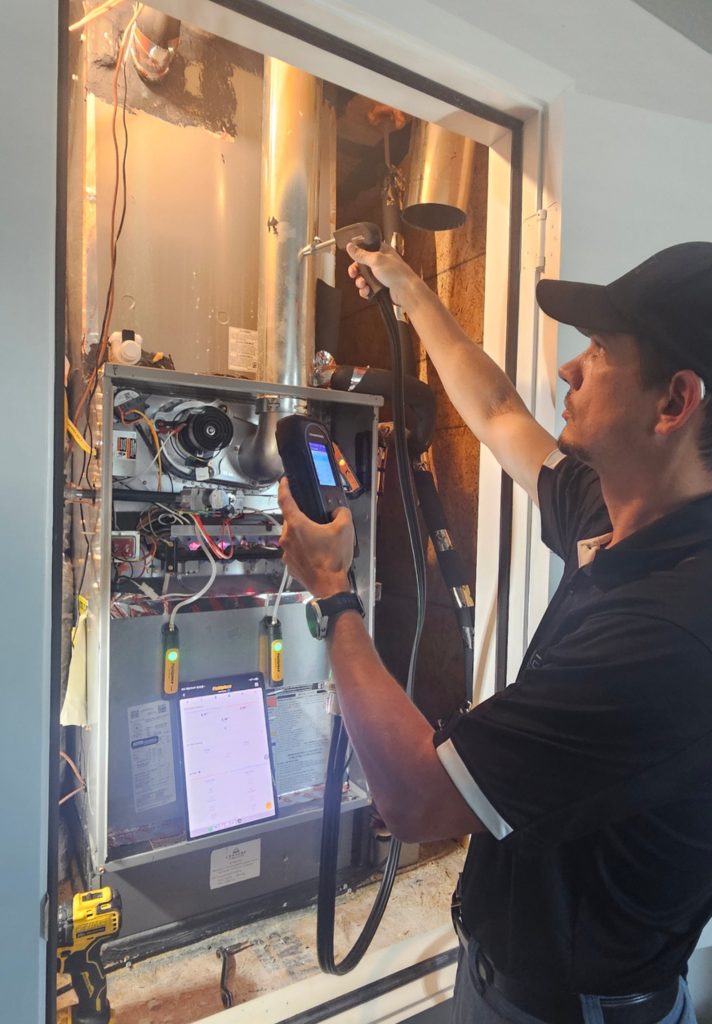
- Test for carbon monoxide and verify safe operation
Traditional vs. Thorough Installation Approach
| Installation Style | What It Looks Like | Risks |
|---|---|---|
| “Swap and Go” | Old unit out, new unit in, minimal testing | Shortened equipment life, hot/cold spots, higher bills |
| Code-Only | Meets basic code, limited performance testing | System works, but may not be efficient or quiet |
| Performance-Focused (Best) | Full testing, measuring, and homeowner education | Maximum comfort, efficiency, and safety |
“Installation quality can change system performance by 20% or more—up or down.” — National Comfort Institute
Local example
A Town Center homeowner hired a low-bid contractor for furnace replacement. Within a year, they noticed soot marks around vents and headaches after the system ran. A safety inspection revealed improper venting and backdrafting. After a proper reinstallation and testing by a licensed contractor, the issues disappeared—but the homeowner paid twice for the same job.
During your installation, expect to see:
- Technicians using gauges, manometers, and thermometers
- Documentation of combustion readings (for gas)
- Airflow measurements and temperature rise checks
CALLOUT: Add “request post-installation performance report” to your checklist. It’s your proof that the system was set up correctly.
Step 6: Plan for Maintenance, Repairs, and Long-Term Protection
A new heating system should come with more than a manufacturer’s warranty. Think of installation day as the beginning of a long relationship between your system, your home, and your HVAC company.
In The Woodlands’ climate—where systems sit idle for months and then work hard during cold snaps—regular maintenance is critical. Dust, humidity, and attic heat can all shorten equipment life if not managed.
Your checklist should include:
- Annual or seasonal seasonal heating maintenance services
- Filter replacement schedule (and who is responsible)
- What to do if you need heating repair services or emergency support
- Warranty registration and documentation
Real example
A Sterling Ridge homeowner installed a high-efficiency furnace but skipped annual tune-ups. After a few years, they noticed rising gas bills and intermittent shutdowns. A service call found a dirty flame sensor, clogged filter, and restricted condensate line. After a thorough tune-up and enrollment in a maintenance plan, the system returned to smooth, efficient operation.
For homes with integrated systems—like combined heating and air conditioning repair services or whole-home filtration—keeping everything inspected together helps prevent surprise breakdowns.
CALLOUT: A complete checklist doesn’t end on installation day. Add “maintenance plan in place” as your final step for true cozy confidence.
What This Means for Homeowners in The Woodlands, TX
The Woodlands has a unique mix of factors that make thoughtful heating installation especially important:
- Hot, humid summers and mild but sometimes sharp winter cold fronts
- Many homes with attic equipment exposed to extreme heat
- Floorplans with high ceilings and open spaces that challenge even temperature control
- A community that values energy efficiency and comfort, not just the lowest upfront price
Cutting corners on heating installation here can mean:
- Rooms that never quite feel warm
- Systems that struggle during our rare but memorable freezes
- Higher-than-necessary utility bills year-round
- Premature repairs or replacements
On the other hand, a carefully planned and executed installation—backed by proper ductwork, smart controls, and a maintenance strategy—can give you:
- Even, quiet comfort throughout the home
- Lower utility bills in both heating and cooling seasons
- Peace of mind during cold snaps and storm-related power events
- A system that lasts longer and performs better
For homeowners in The Woodlands, partnering with a local expert like Conley Cooling and Heating means working with a team that understands our building styles, utility rates, and climate quirks. Whether you’re upgrading a furnace, exploring a dual fuel heat pump, or addressing problem rooms with energy efficient ductless systems, the right checklist keeps the process organized and stress-free.
Frequently Asked Questions
Q: How do I know if I need a new heating system or just repairs?
A: Age, performance, and repair history are your main clues. If your furnace or heat pump is over 12–15 years old, needs frequent repairs, or struggles to keep up with demand, it may be time to consider replacement. In The Woodlands, systems also deal with attic heat and humidity, which can shorten life expectancy. A trusted technician can compare the cost of ongoing residential heater repair contractor work to the long-term savings of new equipment. If repair costs exceed 30–40% of a new system and your energy bills are climbing, replacement often makes more financial sense.
Q: What size heater do I need for my home in The Woodlands?
A: Proper sizing is based on a Manual J load calculation, not just square footage or what’s currently installed. This calculation accounts for insulation, windows, orientation, ductwork, and more. Oversized systems short-cycle and create uneven temperatures; undersized units run constantly and still leave you cold. Ask your residential heating installation contractor to provide the load calculation and explain the recommended size. This is especially important if you’ve added rooms, upgraded windows, or improved insulation since the last system was installed.
Q: Should I replace my AC and heater at the same time?
A: In many cases, yes. If your air conditioner is also older or showing signs of wear, replacing both with a matched system can improve efficiency, comfort, and reliability. Shared components like the air handler and ductwork are optimized when designed together. Homeowners in The Woodlands often pair new heating with professional ac system installation for better dehumidification and smoother operation year-round. You’ll also typically save on labor by doing both at once and simplify future maintenance and repairs.
Q: Are heat pumps really a good choice for our climate?
A: Absolutely. Heat pumps excel in mild climates, and The Woodlands fits that profile, with relatively few deep-freeze days. Modern residential heat pump replacement options deliver efficient heating and cooling in one system. For added peace of mind on the coldest nights, you can pair a heat pump with a gas furnace as part of a dual fuel system. The system automatically chooses the most efficient heat source based on outdoor temperature, helping control energy costs while keeping you comfortable.
Q: What about rooms that stay cold even with a new system?
A: Persistent cold rooms usually point to duct design or installation issues, not the heater itself. Before or during installation, have your contractor evaluate airflow, duct sizing, and potential restrictions. In some cases, minor duct modifications or balancing can solve the problem. For bonus rooms, sunrooms, or additions built after the original system, a mini split ac installation contractor can add targeted heating without overloading the main system. The goal is to match the delivery system (ducts or ductless) to the room’s needs.
Q: How much disruption should I expect during installation?
A: A typical furnace or heat pump replacement in The Woodlands can often be completed in one day, though more complex projects involving duct changes or zoning may take two. You can expect some noise, technicians moving in and out, and short periods without heating. A professional residential heating installation contractor will protect floors, clean up thoroughly, and keep you informed throughout the day. Ask ahead about start times, estimated duration, and any preparation you should do, such as clearing access to the attic or equipment area.
Q: How do I keep my new system running efficiently for years?
A: Consistent maintenance is the key. Schedule annual furnace tune up company visits, change filters on the recommended schedule, and address unusual noises or performance issues promptly. In The Woodlands, where systems deal with dust, pollen, and humidity, it’s also wise to consider upgraded filtration and hvac filter replacement services. A maintenance plan with a trusted local contractor keeps your warranty intact and often includes priority service if you ever need same day heating repair service during a cold snap.
Ready to Get Started?
Cold fronts don’t wait for your schedule, and the busiest weeks for heating installation in The Woodlands are always the first real cold spells of the season. Planning now—before your system fails—gives you more options, better pricing, and the chance to choose what’s truly best for your home instead of what’s simply available.
If your heater is aging, noisy, or struggling to keep up, this is the ideal time to walk through the checklist in this guide with a trusted expert. Conley Cooling and Heating can help you evaluate your current system, discuss options from high-efficiency furnaces to dual fuel heat pumps, and review your ductwork, controls, and air quality needs as a complete package.
You’ll know exactly what you’re getting, why it was recommended, and how it will be installed and maintained. That’s what cozy confidence feels like: stepping into winter with a system you trust and a team that stands behind it.
About Conley Cooling and Heating
Conley Cooling and Heating is a locally owned HVAC specialist serving The Woodlands, TX, and surrounding communities. Our team brings years of hands-on experience in heating installation, repair, and maintenance for the unique homes and climate of our area. We follow industry best practices, from Manual J load calculations to detailed post-installation testing, and stand behind our work with transparent communication and reliable service. Learn more about our services and commitment to comfort at our website.