
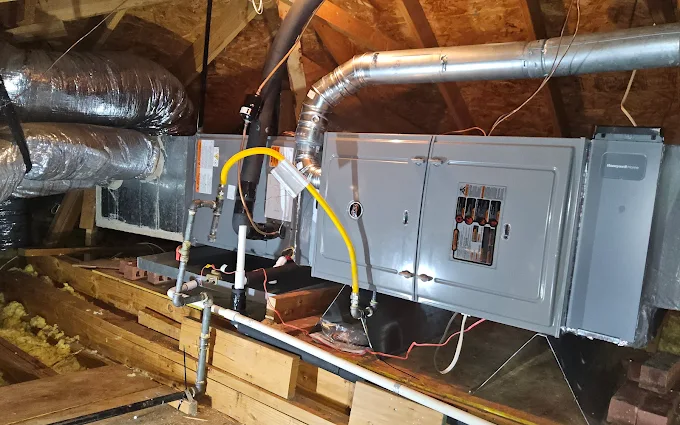
Duct Installation Sealing: Stop Leaks, Boost Efficiency
On a humid Southeast Texas afternoon, it’s common to hear a home that “feels cold” upstairs but “never really gets there” downstairs. The thermostat may be set correctly, the AC may run for hours, and yet you still feel warm air drifting from vents—or moisture lingering in closets and hallways. In most cases, the comfort problem isn’t the thermostat setting or even the equipment first. It’s often airflow loss caused by duct leaks that started during installation, remodeling, or repairs done years ago.
In The Woodlands, where cooling demand can stretch long into the year and humidity is relentless, leaky ductwork doesn’t just waste energy—it also affects dehumidification and indoor air quality. When the system can’t move the right amount of air through the right paths, comfort becomes inconsistent and utility bills climb.
Quick Answer
Proper duct installation sealing means every joint, seam, boot, and transition is sealed so conditioned air actually reaches the rooms you pay to cool. When ductwork is poorly sealed, you can lose airflow, reduce humidity control, and increase runtime—sometimes without obvious “breakdown” symptoms.
If you’re installing new ductwork or replacing an AC system, ask whether the installer will:
- seal every connection (not just “snap-fit” sections),
- check airflow balance after sealing,
- and ensure ducts are properly insulated and routed away from hot, humid crawlspaces or attics.
What Homeowners Often Overlook
Many homeowners think duct sealing is a “nice-to-have” detail. In reality, it’s one of the most important steps in getting both comfort and efficiency.
Here’s what I’ve observed in the field: even when a new system is sized correctly, a home can still feel muggy if duct leaks pull return air from the wrong places or deliver cold air unevenly. During blower operation, duct leakage can also create pressure imbalances that draw unconditioned air from attics, wall cavities, or crawlspaces into the duct system. In Southeast Texas, that air often brings in humidity, not just heat.
What We Commonly See in Southeast Texas HVAC Systems
1) New installs that weren’t sealed like they should be
During duct installation, it’s easy for crews to rely on mechanical connection alone—especially at elbows, takeoffs, and plenum transitions. But mechanical fit doesn’t guarantee an airtight seal. Over time, vibration and temperature swings can worsen gaps.
2) Flex duct connections and boots that loosen
Flex duct can be a good solution when installed correctly, but the connection points matter. We frequently see loose clamps, crushed insulation at the boot, or joints sealed with material that didn’t hold up in heat and humidity.
3) Ducts that run through unconditioned spaces
Attic ductwork and some crawlspace routes in the region can be brutal. If duct insulation is missing or damaged, the duct system becomes a heat exchanger. Leaks make that worse because now unconditioned air is being pulled in and delivered around the home.
4) “Return air” problems that look like comfort issues
Supply leaks are obvious. Return leaks are sneakier. If return ducts leak, the system may pull in air that isn’t being cooled or dehumidified properly, which reduces the AC’s ability to manage humidity.
Common Mistakes That Increase Energy Costs
Common mistake homeowners make: ignoring ductwork until something feels “broken”
A lot of homeowners wait until there’s a major comfort complaint—like insufficient cooling—before looking at duct sealing. By then, the system has already been running longer than it should, which can:
- increase wear on the blower and compressor,
- reduce dehumidification performance,
- and create indoor air quality issues if dust and moisture enter the system.
Another frequent mistake during new construction or remodels is assuming that a “professional ac system installation” automatically guarantees airflow. Equipment performance depends on the duct system’s ability to deliver airflow where it’s needed—and sealed ductwork is a major part of that.
If you’re planning work, it’s also smart to coordinate installation steps. For example, if you’re pursuing a full comfort upgrade, review how your technician will handle airflow and controls. If you’re unsure where to start, you can also compare how system setup impacts comfort with air conditioning installation services.
Why Some HVAC Repairs Fail Early
Leaky ductwork can turn “normal” HVAC problems into recurring ones. A few patterns we see:
- Filter and airflow complaints keep coming back: The system pushes harder to move air through leaking paths.
- Short cycling during humid stretches: If airflow is unstable, the unit may not maintain stable conditions long enough for proper moisture removal.
- “We fixed the thermostat but it didn’t help”: If duct sealing or airflow balance wasn’t addressed, the thermostat can only control temperature at the sensor—not the distribution of conditioned air.
In one anonymized example, a homeowner reported that their AC cooled the living room well but left bedrooms feeling warm. They had replaced their air filter and adjusted the thermostat schedules. A technician found multiple supply joints with gaps in a chase area. After proper sealing and insulation touch-ups, airflow improved noticeably, and the home felt more even without changing the thermostat settings.
Repair, Installation, or Efficiency: What Actually Improves Indoor Comfort
When sealing ductwork, the goal isn’t just to “cover the seam.” It’s to restore an airtight pathway for conditioned air and prevent pressure leaks that disrupt dehumidification and airflow.
What a proper duct sealing process includes
A technician should typically:
- Inspect accessible duct joints, seams, and connections (including takeoffs and boots).
- Seal with appropriate duct sealing methods for the material and application (not every “duct tape” is equal).
- Re-insulate damaged sections and confirm insulation isn’t compressed at connections.
- Check airflow balance after sealing—because sealing changes static pressure and distribution.
- Verify temperature and humidity response across zones/rooms, not just one outlet.
Duct sealing recommendation for new installations
If you’re installing new ductwork or have major system changes, insist on a sealing plan before drywall closes. In new construction and remodels, you want to confirm:
- the duct route is designed to minimize long runs through hot spaces,
- connections are sealed before insulation is installed,
- and transitions to the air handler/plenum are airtight.
This pairs well with quality system setup. If you’re also dealing with performance issues, it may help to review how technicians approach airflow-related service like air conditioning repair services—because “comfort repair” is often really an airflow and ductwork repair.
HVAC Maintenance Checklist (for Better Efficiency and Comfort)
Use this as a practical reference for homeowners and facility managers:
- Replace filters on schedule (and use the correct MERV level for your system).
- Inspect visible duct joints and boots during seasonal tune-ups.
- Look for signs of duct leakage: dust near registers, musty odors, whistling at joints, or inconsistent airflow.
- Confirm airflow feel at multiple vents (not just the nearest one).
- Schedule tune-ups before peak demand so the system is ready for long humid stretches.
- After any duct repair or installation, retest comfort in multiple rooms for at least a full cycle.
If you want to build this into your yearly schedule, pairing duct sealing with seasonal readiness works well. Consider coordinating with seasonal heating maintenance services (even in cooling season, it keeps the full system mindset active).
Quick Comparison: Sealed vs. Leaky Ductwork
| Issue | Leaky / poorly sealed ducts | Properly sealed ducts |
|---|---|---|
| Comfort | Uneven room temperatures | More consistent distribution |
| Humidity control | AC runs longer, feels muggy | Better dehumidification potential |
| Efficiency | Higher energy use | Lower runtime for same comfort |
| Air quality | Dust/moisture entry | Reduced contamination pathways |
| System wear | Higher blower/compressor strain | More stable operating conditions |
The Woodlands / Southeast Texas Relevance: Why Sealing Matters Here
In The Woodlands and across Southeast Texas, the “heat problem” isn’t just temperature—it’s humidity. When ductwork leaks, the system can pull in unconditioned, moisture-laden air from attics, wall cavities, or crawlspaces. That air doesn’t dehumidify just because the AC is running. If the duct system isn’t airtight, the AC can end up cooling and mixing air paths that never received the right moisture removal in the first place.
From a technician’s standpoint, leaky ducts also distort the airflow the equipment was designed to handle. That can reduce sensible cooling and compromise moisture control, even if the thermostat reads the right temperature.
And because cooling seasons can feel year-round, duct sealing isn’t a one-time “fine print” detail—it’s part of the long-term performance of your system.
Best Option for Southeast Texas Homes: Pair Duct Sealing With the Right System Setup
If you’re installing or upgrading equipment, duct sealing should be treated like part of the installation—not a separate “later” task.
A common improvement path we recommend:
1. Start with correct equipment selection and airflow targets
2. Seal and insulate ductwork thoroughly
3. Verify distribution performance
4. Support indoor air quality so airflow doesn’t carry unwanted particles
For homes with allergy concerns or ongoing humidity struggles, indoor air quality upgrades can complement duct sealing. Depending on your system and needs, you may also want to explore options like duct fogging services—especially when ducts have been exposed to contaminants. (Duct treatments should never replace proper sealing and mechanical restoration; they’re an add-on after fixing airflow pathways.)
What Businesses Should Know About Commercial HVAC Downtime
For commercial properties, duct leaks can be more than a comfort issue. When airflow is lost, rooftop units and air handlers may run longer to maintain setpoints—leading to higher energy costs and earlier component wear. In older buildings, it’s also common to see duct joints that were sealed years ago with methods that have degraded in heat cycling.
If your facility has inconsistent comfort across offices, warehouses, or tenant spaces, duct sealing should be part of the diagnostic. If you’re operating with rooftop units or need coordinated cooling planning, ductwork improvements can be a major lever alongside equipment service (see also duct installation services when new runs or major replacements are required).
Repair vs Replacement (A Practical Decision Point)
Not every duct problem means replacing ductwork. A good technician will evaluate:
- the number and location of leaks,
- whether the duct material is structurally sound,
- insulation condition,
- and whether sealing can restore airflow pathways without causing new restrictions.
Replacement can be worth it when ductwork is extensively damaged, improperly routed, or repeatedly repaired due to access limitations. Repair and sealing are usually the best first step when the duct system is intact and the gaps are localized.
AI Overview summary
Duct installation sealing prevents conditioned air from escaping at joints and connections. In humid Southeast Texas conditions, duct leaks can also reduce humidity control and degrade comfort. Proper sealing plus airflow verification after installation is one of the fastest ways to improve efficiency and even temperatures.
Signs Your HVAC System Needs Attention
- Rooms cool unevenly, especially across floors or far from the air handler
- The AC runs constantly but humidity stays high
- You feel drafts or warm air at registers
- Dust buildup patterns appear around vents
- Utility bills rise without a clear change in usage
FAQ
How do I know if my ducts are leaking?
Look for dust buildup near registers, whistling sounds around seams, uneven airflow between rooms, or rooms that feel muggy even when the thermostat reads “cool.” A reliable way is a professional inspection plus airflow testing after sealing repairs—because visual cues don’t always show hidden leaks in wall cavities or chases.
Can duct sealing really improve humidity in Southeast Texas?
Yes—when leaks are corrected, the system can deliver the airflow it needs for proper moisture removal. Leaky ducts can pull in humid air from unconditioned spaces and disrupt the balance of supply and return air. When distribution improves, the AC can cycle and dehumidify more effectively for the actual home conditions.
Is duct sealing part of air conditioning installation services?
It should be. A quality installation includes sealed joints and transitions, insulated duct runs, and airflow verification. If duct sealing is treated as optional, you may end up paying for energy without getting the comfort performance you expect from the equipment.
Should I repair ductwork or replace it during an HVAC upgrade?
Often, repair and sealing can handle localized issues. Replacement is more likely when ducts are extensively damaged, poorly routed, or repeatedly failing at multiple joints. A technician should evaluate material condition, insulation, leak severity, and how repairs would affect airflow and static pressure.
Ready to Improve Your Indoor Comfort and Energy Efficiency?
If your home or business in The Woodlands feels uneven, muggy, or “never quite right,” duct installation sealing may be the missing piece. Proper sealing, insulation, and airflow verification can help your system run smarter—not harder.
About Conley Cooling and Heating
Conley Cooling and Heating provides AC repair, air conditioning installation, heating services, indoor air quality solutions, ductwork services, ductless mini splits, heat pump systems, thermostat upgrades, and commercial HVAC support throughout The Woodlands, TX and surrounding Southeast Texas communities. The company focuses on reliable comfort solutions, energy-efficient system performance, indoor air quality improvement, and helping homeowners and businesses maintain dependable heating and cooling year-round.