
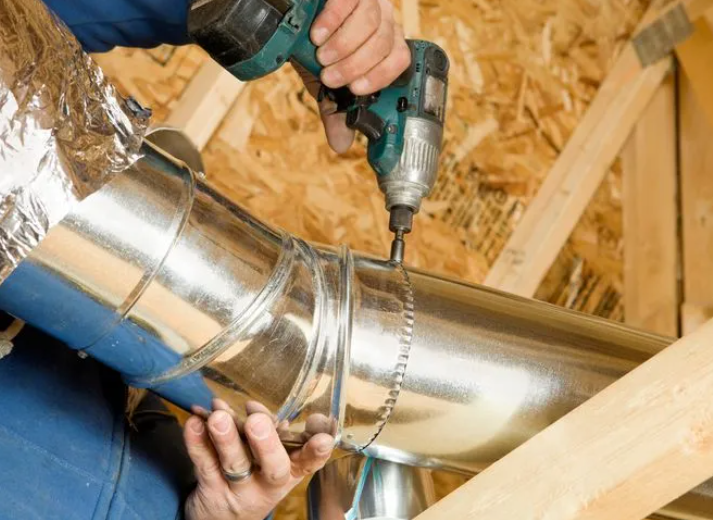
Duct Installation Safety Tips to Prevent Air Leaks
If your home in The Woodlands, TX feels unevenly cooled, it’s often not the thermostat. Air leaks around duct joints can waste conditioned air, pull in humidity, and make your system work harder. This guide walks you through what to inspect, what to ask during installation, and how to reduce the risk of leaky ductwork.
Your AC runs, the air coming out of some vents feels strong, and other rooms still feel warm. You might even notice that dust seems to collect faster near certain registers. After a recent duct installation or ductwork update, it can be tempting to assume everything is fine because the system is “on.”
But leaky duct connections can quietly undermine comfort and efficiency. Below, you will learn how to spot common leak points, what installation practices help prevent air loss, and how to plan ductwork safety checks around the realities of The Woodlands’ hot, humid summers.
- Quick answer
- What to check first
- Main things customers should understand
- Why this matters in The Woodlands, TX
- Common mistakes to avoid
- Customer checklist
- Frequently asked questions
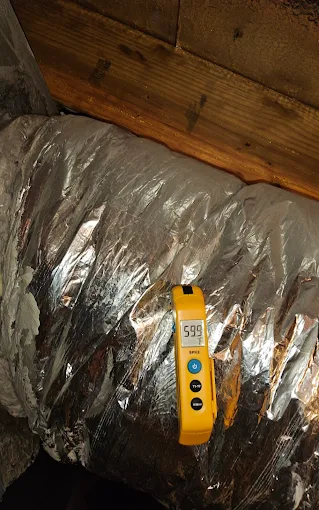
Quick Answer
To prevent air leaks during duct installation, focus on the duct joints and penetrations where air can escape: sealed connections, properly supported duct runs, and correct insulation coverage. Ask your installer how they plan to seal seams and transitions, how they prevent damage to insulation during assembly, and how they verify airflow once the system is running. In Conley Cooling and Heating’s experience around The Woodlands, TX, the safest path is a thorough ductwork installation process that includes careful sealing and a post-install performance check, not just “turning on the AC.”
What to Check First
Before you get too deep into design details, start with the practical leak-prone areas. Most air leakage happens where ducts meet, where they pass through walls or ceilings, and where insulation is cut, compressed, or left uncovered. If you are evaluating an existing system, look for obvious signs like loose duct sections, gaps at boots, or insulation that looks uneven or torn. If you are hiring for a new duct installation, use the questions below to confirm the installation plan is leak-focused.
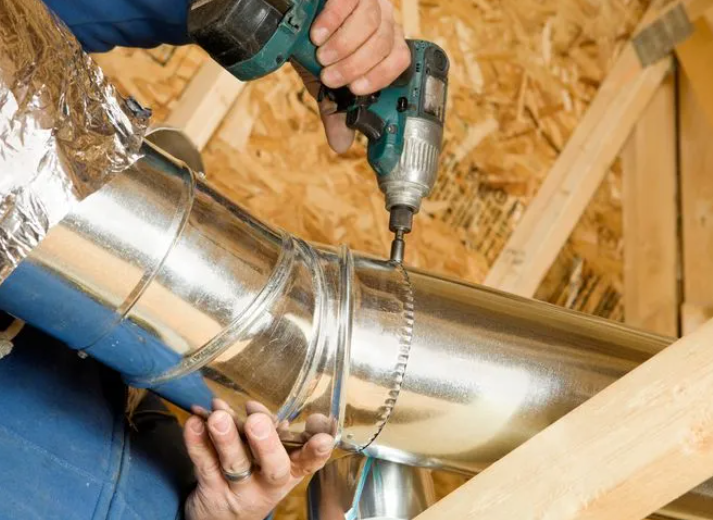
Joints and seams
Connections should be sealed and mechanically secured so they do not separate as the system cycles.
Transitions and boots
Where ducting transitions to registers and grilles, alignment and sealing matter for airtight airflow.
Insulation coverage
Insulation that is incomplete or compressed can increase leakage and worsen humidity effects.
Main Things Customers Should Understand
Leaky ductwork is rarely one single “problem spot.” It is usually the result of several small issues that stack up: a joint that was not sealed consistently, a duct run that is not supported, insulation that was disturbed during installation, or a penetration that was patched quickly. When ducts leak, the system may pull air from places you do not want it to, such as unconditioned attic or wall cavities, which can make comfort worse room to room.
Professional observation: During duct installation, the most common leak risks show up at the “in-between” steps. Even when the duct material is correct, air can escape if connections are rushed, insulation gets compressed during assembly, or penetrations are not sealed as carefully as the main runs.
Safety and workmanship that reduce leak risk
“Safety” in duct installation is not only about personal protection. It also includes safe handling of materials and careful workmanship that keeps ducting stable and sealed. Ask about how the team will secure duct sections so they do not sag, how they will protect duct insulation from damage while installing, and how they will seal duct penetrations to prevent air from escaping into unconditioned spaces.
How to think about airflow, not just “more sealing”
Sealing is essential, but it must be paired with correct airflow. If ductwork is installed with improper sizing or poor routing, you can end up with weak airflow at registers even if everything is “sealed.” That is why a professional installation typically includes a performance check after ductwork is in place. If you are also planning to upgrade equipment, pairing duct installation with the right system matters. For example, if you are considering a replacement and want to align ductwork with your equipment setup, you can review central air conditioning installation options with your contractor.
| Area of focus | What good looks like | Why it prevents air leaks |
|---|---|---|
| Sealed duct connections | Consistent sealing at seams and joints, plus mechanical stability where sections meet | Reduces gaps that open and close as the system cycles |
| Proper support and routing | Ducts are secured to prevent sagging and movement | Prevents joints from pulling apart over time |
| Insulation protection | Insulation remains intact around the duct and is not left compressed or exposed | Helps limit temperature-driven airflow losses through small openings |
| Penetrations and transitions | Where ducts pass through cavities or connect to boots, sealing and alignment are carefully finished | Stops air from escaping into attic/wall spaces |
Why this matters in The Woodlands, TX
The Woodlands’ long hot season and high humidity can amplify the comfort problems caused by leaky ductwork. When air leaks from ducts into unconditioned areas, that leakage can bring in moisture and reduce dehumidification performance, especially when the system cycles. In homes across The Woodlands, TX, ductwork often runs through attics, crawl spaces, soffits, or wall cavities that are not fully climate-controlled. That makes sealing and insulation coverage more than a “nice to have.”
If you also notice humidity-related discomfort, ductwork integrity can play a role alongside dedicated indoor air quality work. You may want to explore humidity control services as part of a full comfort plan.
Want a duct installation walkthrough for your home?
Conley Cooling and Heating can help you understand the key leak points in your duct layout and what to prioritize during installation and system commissioning.
Contact Conley Cooling and HeatingCommon Mistakes to Avoid
Most homeowners do not see ductwork every day, so it is easy for small oversights to slip by. Here are the mistakes that most often contribute to air leaks and recurring comfort issues after duct installation. Use these as a checklist when you are reviewing the plan or inspecting work.
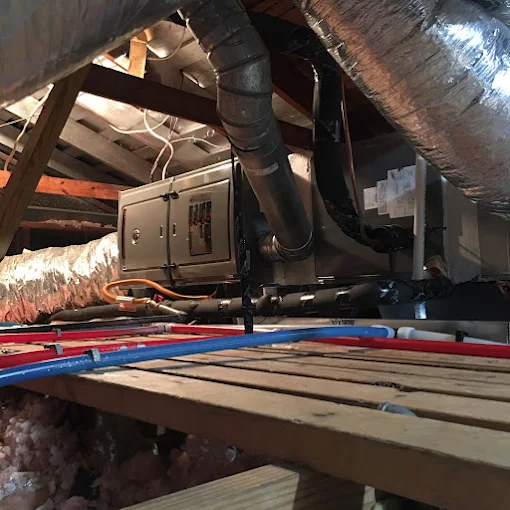
- Assuming “it feels sealed” means the joints are airtight, without checking the connection points and transitions.
- Letting duct runs sag or shift after installation, which can open gaps at seams over time.
- Leaving insulation incomplete around duct sections, especially where ducts pass through ceilings or walls.
- Rushing penetrations and takeoffs where ducts connect to registers, boots, or other components.
- Ignoring airflow balance after ductwork changes, which can create uneven temperatures even with decent sealing.
Customer Checklist
Use this checklist before and during duct installation to reduce the chance of air leaks. If a question makes your contractor pause, that is a useful sign to slow down and confirm details.
- Confirm the duct layout includes stable routing and support so sections do not move or sag.
- Ask how joints, seams, and transitions will be sealed and how consistency will be maintained across the whole system.
- Verify insulation will be protected during installation and coverage will not be left exposed or compressed.
- Check that all penetrations (ceilings, soffits, wall cavities) are finished with attention to sealing and alignment.
- Request a post-install performance check so you can verify airflow and comfort outcomes, not just completion of the work.
- If you are upgrading or repairing, coordinate ductwork with your equipment plan, especially if you are changing airflow requirements.
A representative scenario (The Woodlands homeowner)
Imagine a homeowner in The Woodlands, TX who schedules duct installation alongside new HVAC work. After the install, two rooms near the back of the house feel warmer than the rest. The homeowner notices that some vents appear slightly misaligned and that insulation around one duct run looks thin where it passes through a ceiling cavity. In a careful follow-up, the contractor identifies a few joint gaps near transitions and verifies that duct support is preventing movement. Once the connection points and insulation coverage are corrected, airflow evens out and the home feels more consistent during peak humidity days.
Frequently Asked Questions
How can I tell if duct installation created air leaks?
Air leaks often show up as uneven temperatures, rooms that feel warmer or cooler than expected, and recurring dust or air movement near registers. If ductwork was recently installed, pay attention to areas around boots, takeoffs, and ceiling or wall penetrations. A professional check typically involves inspecting visible duct connections and then verifying airflow and comfort results once the system is operating.
Why do air leaks feel worse during humid weather in The Woodlands?
When ductwork leaks into unconditioned spaces, it can allow moisture-laden air to mix with the air inside your home. That can reduce overall comfort and make dehumidification feel less effective. In The Woodlands, TX, where humidity is a regular factor for many months, duct sealing and insulation coverage help limit the air exchange that contributes to discomfort.
Should I repair leaky ducts or reinstall new ductwork?
It depends on how extensive the leakage risk is and what condition the duct system is in. If the issue is localized, duct repair may address the specific connection or insulation problem. If multiple joints, sections, or routing areas are affected, a more complete duct installation can provide a cleaner baseline. If you are deciding between options, you can review duct repair services and compare that to a full installation plan.
Does duct sealing affect energy efficiency?
Yes. When ducts leak, conditioned air escapes before it reaches the rooms you’re trying to cool or heat. Sealing and stabilizing the duct system helps keep airflow where it belongs, which can improve comfort consistency and reduce wasted run time. However, sealing should be done alongside correct airflow design and a post-install performance check.
Can duct issues be confused with AC problems?
They can. A weak or uneven airflow complaint can point to equipment issues like refrigerant performance or blower problems, but it can also come from duct leakage, poor balance, or damaged insulation. A systematic inspection helps determine whether the problem is primarily ductwork routing and sealing or primarily system performance. If you think your air conditioning performance is off, you can also review air conditioning repair services to understand the likely causes.
Get duct installation done right the first time
If you are planning duct installation in The Woodlands, TX, talk through sealing priorities and safety-focused workmanship before the work starts. Conley Cooling and Heating can help you align ductwork with your comfort goals and reduce the risk of air leaks.
(936) 444-4534
Conley Cooling and Heating provides cooling and heating services for homeowners and businesses in The Woodlands, TX and surrounding areas. Our focus is on practical comfort outcomes, including ductwork installation and repair work that supports efficient airflow and consistent temperatures.
Explore duct installation services or review related comfort options like heating installation when you are planning seasonal upgrades.