
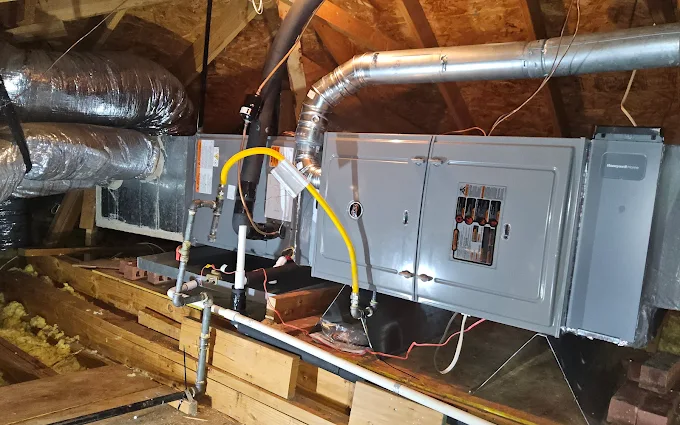
Duct Installation Planning for Streamlined Air Distribution
On a 98-degree afternoon in The Woodlands, two office buildings on the same street can have completely different comfort levels—despite having similar air conditioning systems. The difference often comes down to one invisible factor: duct design. Poorly planned ductwork can leave hot spots in open offices, overcool corner rooms, and force equipment to work overtime just to keep up.
Studies from the U.S. Department of Energy show that leaky or poorly designed ducts can waste 20–30% of the air moving through an HVAC system. In a climate like ours—where long cooling seasons are the norm—that waste shows up month after month on your energy bill and in reduced comfort for employees, customers, or tenants.
This guide walks you through how thoughtful duct installation planning creates streamlined air distribution, better comfort, and lower operating costs. You’ll learn what goes into a solid duct design, how it ties into your air conditioning and heating equipment, and what businesses in The Woodlands should ask for before signing off on a new system.
Key Insight: Smart duct installation planning is as important as the AC or furnace itself. When ducts are designed, sized, and installed correctly, you get even temperatures, quieter operation, and a more efficient building—without constant service calls.
Why Duct Planning Matters as Much as the Equipment
Most people focus on the brand of their AC or furnace, but the duct system is the highway that delivers conditioned air. If that highway is undersized, full of sharp turns, or leaking at every seam, even the best system will struggle.
For commercial spaces and larger homes in The Woodlands, three factors make duct planning especially critical:
- High cooling demand: Our long, humid summers keep systems running hard. Any duct inefficiency compounds over thousands of hours of operation.
- Mixed-use buildings: Medical offices, retail spaces, restaurants, and open-plan offices all have different load profiles and ventilation needs.
- Growth and remodeling: Many buildings here have been expanded or reconfigured, often without updating the original duct design.
“Your ductwork is not just a set of pipes—it’s an engineered system that must match your building and your equipment.” — Senior HVAC Designer, Conley Cooling and Heating
A recent example: A two-story professional office near Market Street had chronic hot spots on the second floor. Their system was only five years old, but the original contractor reused old ductwork from a previous layout. Our team performed a load calculation, redesigned the ducts with proper zoning, and balanced the system. The result: temperature differences dropped from 5–7°F between rooms to 1–2°F, and the building’s summer electric bill fell by nearly 15%.
Core Principles of Efficient Duct Design
Thoughtful duct installation starts long before a technician cuts the first piece of metal. It begins with engineering and planning. Several core principles guide an efficient duct system:
1. Accurate Load Calculations
Using industry-standard Manual J and Manual D calculations, a designer determines:
- How much heating and cooling each room needs
- Required airflow (CFM) per room
- Proper duct sizes and layouts to deliver that airflow
Skipping this step leads to the all-too-common problem of oversized or undersized ducts.
2. Short, Direct Runs
The best design uses the shortest, straightest path from the air handler to each space. Long, twisting runs increase resistance and reduce airflow.
- Fewer elbows and transitions
- Proper radius on turns
- Avoiding unnecessary branches
3. Proper Duct Sizing and Balancing
Ducts that are too small cause noise and high static pressure. Ducts that are too large can lead to poor air velocity and uneven temperatures. Balancing dampers are placed strategically to fine-tune airflow after installation.
In a recent new construction project in Creekside Park, we were brought in after the framing stage. The builder wanted to ensure the home’s central system could compete with energy efficient ductless systems in comfort and efficiency. By carefully sizing supply and return ducts and using dedicated returns in key rooms, we achieved excellent air distribution and quiet operation without upsizing the equipment.
CALLOUT: A well-designed duct system can often allow for a smaller, more efficient system—saving upfront and long-term costs.
Matching Ductwork to Your HVAC System Type
The type of heating and cooling equipment you choose directly affects how the duct system should be designed. Planning both together prevents a mismatch that can cause comfort issues and premature wear.
Central Air Conditioners and Furnaces
Traditional split systems and gas furnaces rely heavily on well-sealed, balanced ductwork. For these systems:
- Supply and return ducts must be sized for the blower’s capacity.
- Return air paths should be as generous as supplies to avoid negative pressure.
- Zoning may be needed for multi-story homes or large commercial spaces.
Upgrading to a new system? Coordinating heating installation services and duct modifications at the same time can prevent bottlenecks and improve efficiency.
Heat Pumps and Dual Fuel Systems
Modern energy efficient heat pump systems often run longer cycles at lower output. They need ducts that support consistent airflow and low static pressure.
For dual fuel systems (pairing a heat pump with a gas furnace), the duct system has to handle both high and low airflow modes. That means:
- Careful sizing of trunk lines
- Proper placement of supply registers for both heating and cooling comfort
- Thoughtful zoning for different building areas
Ductless and Hybrid Approaches
Some buildings in The Woodlands use a combination of central ducts and ductless mini split installation for additions, server rooms, or glass-heavy spaces.
“Hybrid systems let you solve problem areas without overhauling the entire duct system.” — Lead Installer, Conley Cooling and Heating
For example, a local boutique in Hughes Landing added a glass-front display area that overheated every afternoon. Rather than redesign the entire duct system, we kept the main ducts for the core space and installed a small mini split for the display zone. This targeted approach kept renovation costs down while dramatically improving comfort.
Traditional vs. Modern Duct Installation Approaches
Many older buildings across Montgomery County still have duct systems based on rules of thumb rather than engineering. Comparing traditional practices to modern standards highlights why upgrades can make such a difference.
| Aspect | Traditional Approach | Modern, Engineered Approach |
|---|---|---|
| Duct Sizing | Rule-of-thumb, often oversized or undersized | Manual D calculations based on load and airflow |
| Layout | Follows easiest path through structure | Designed for shortest, straightest runs and minimal restrictions |
| Sealing | Taped joints, minimal testing | Mastic sealing, tested for leakage |
| Zoning | One or two large zones, if any | Multiple zones matched to use and exposure |
| Return Air | Few central returns | Distributed or dedicated returns for balanced pressure |
| Verification | Comfort judged by “feel” | Airflow measurements, static pressure readings, commissioning |
In a medical office near St. Luke’s in The Woodlands, the owner complained of chilly waiting rooms but stuffy exam rooms. The existing ducts were based on a rough layout from 20 years ago. By redesigning the trunk and branch lines, adding zoning, and sealing leaks, we brought the system up to modern standards. Complaints dropped, and the practice reported fewer thermostat adjustments during the day.
Integrating Indoor Air Quality and Humidity Control into Duct Planning
Streamlined air distribution is not just about temperature. In The Woodlands’ humid climate, indoor air quality and moisture control are just as important for comfort and building health.
Air Filtration and Purification
High-performance filters and purification systems add resistance to airflow. If they’re added after the fact, they can choke a duct system that wasn’t designed for them. When we plan ducts, we account for:
- Filter type and size (standard vs. HEPA or media filters)
- Placement of air filtration system installation
- Space for air purification system installation (UV lights, ionization, etc.)
One local daycare facility wanted whole home air purification services to reduce illness transmission. Their existing return duct was undersized for the higher-resistance media filter they requested. We enlarged the return duct and plenum, then added a UV system. Airflow stayed within manufacturer specs, and staff reported noticeably fresher air within weeks.
Humidity Management
Proper duct design supports hvac humidity control systems by:
- Ensuring enough runtime over the evaporator coil for moisture removal
- Delivering conditioned air to problem areas like kitchens, restrooms, and glass-heavy zones
- Avoiding oversized ducts that reduce air velocity and dehumidification
“Comfort in The Woodlands is a blend of temperature and humidity. Ducts that move the right amount of air to the right places make dehumidifiers and ACs far more effective.” — IAQ Specialist, Conley Cooling and Heating
For a high-end home in Carlton Woods, we designed the duct system and a whole-home dehumidifier together. Supply and return locations were chosen to pull moist air from closets and baths and distribute dry air evenly. The homeowners noticed fewer musty odors and better comfort at higher thermostat settings.
Practical Steps for Planning a New Duct System
Whether you’re building, remodeling, or correcting long-standing comfort problems, a structured planning process leads to better outcomes and fewer surprises.
1. Start with a Comprehensive Assessment
For existing buildings, a thorough evaluation should include:
- Room-by-room load calculations
- Existing duct inspection (size, layout, insulation, and leakage)
- Airflow measurements at key registers
- Static pressure readings
If you’re also dealing with frequent breakdowns, combining this with air conditioning repair services or heating repair services can identify whether the duct system is contributing to equipment stress.
2. Define Zones Based on Use
Zoning should reflect how different areas are used:
- Office vs. warehouse
- Kitchen vs. dining vs. bar
- East- vs. west-facing spaces
- First vs. second floor
Smart zoning pairs nicely with thermostat installation services, especially when using smart or programmable controls for scheduling.
3. Coordinate with Other Trades
In new construction and major remodels, duct routing must be coordinated with plumbers, electricians, and framers. Early planning avoids:
- Ducts squeezed into too-small cavities
- Long detours around structural elements
- Last-minute compromises that hurt performance
We recently worked with a local builder on a retail shell build-out in The Woodlands. By joining coordination meetings early, we secured straight runs for main trunks and proper space for returns, reducing installation time and later change orders.
Long-Term Performance: Maintenance, Upgrades, and ROI
Even the best-planned duct system needs care. Dust, minor shifting, and building changes over time can affect performance. A proactive approach protects your investment and keeps air distribution smooth.
Regular Inspections and Tune-Ups
Pairing duct checks with seasonal HVAC service keeps everything in sync. During air conditioning tune ups or seasonal heating maintenance services, a thorough technician should:
- Inspect accessible ducts for damage or disconnections
- Check for signs of condensation or moisture
- Measure static pressure and compare to baseline readings
- Verify airflow at problem areas identified by occupants
Cleaning, Sanitizing, and Sealing
Over time, dust and microbial growth can accumulate in ducts—especially in our humid climate. Planned hvac duct sanitizing and fogging can:
- Improve indoor air quality
- Help reduce odors
- Support healthier environments in medical, childcare, and hospitality settings
If leaks are discovered, targeted hvac duct sealing and repair often pays for itself quickly by reducing wasted conditioned air.
ROI for The Woodlands Properties
For many local businesses and homeowners, duct upgrades are one of the most cost-effective improvements available. Typical benefits include:
- 10–30% reduction in heating and cooling energy use
- Fewer hot/cold complaints from staff or family
- Longer equipment life due to reduced runtime and stress
| Project Type | Typical Investment (Local Range) | Common Payback Period (Energy + Comfort) |
|---|---|---|
| Duct sealing and minor rebalancing | Low to moderate | 1–3 years |
| Full redesign and replacement (select) | Moderate | 3–7 years |
| New construction duct design + install | Built into project cost | Immediate comfort + lower lifetime costs |
A restaurant off Research Forest opted for a partial duct redesign and sealing rather than a full system replacement. Their summer bills dropped by around 18%, and kitchen staff reported a noticeable improvement in air movement and comfort.
What This Means for Businesses in The Woodlands, TX
For businesses and property owners in The Woodlands, duct installation planning is not a luxury—it’s a key part of running an efficient, comfortable building in a demanding climate.
Local commercial spaces compete for tenants and customers who expect hotel-like comfort. An office with stuffy conference rooms or a retail space with hot corners near the windows can quietly erode productivity and sales. With our long cooling season, any duct-related inefficiencies are multiplied over thousands of operating hours.
Because The Woodlands has a mix of newer developments and older buildings, many properties are working with legacy duct systems that were never engineered for today’s occupancy patterns, technology loads, or indoor air quality expectations. As companies remodel, add staff, or reconfigure floor plans, the original duct design often gets out of sync with how the space is used.
Thoughtful duct planning allows you to:
- Support modern systems like commercial air conditioning installation and commercial heating services without overtaxing equipment.
- Integrate advanced filtration, purification, and humidity control that customers increasingly expect.
- Create distinct comfort zones for front-of-house, back-of-house, and specialty areas like server rooms or labs.
For growing businesses along I‑45 and in Town Center, planning ducts with future expansion in mind can prevent costly rework later. For medical, dental, and professional offices, it can mean fewer patient complaints and a more professional environment. And for local homeowners, it’s the difference between constantly fiddling with the thermostat and simply enjoying a consistently comfortable home.
Frequently Asked Questions
Q: How do I know if my building needs new ductwork or just repairs and balancing?
A: The decision starts with a detailed inspection and performance testing. If your ducts are relatively new, structurally sound, and accessible, targeted residential ductwork repair services, sealing, and balancing may solve issues like uneven temperatures or noisy airflow. However, if we find crushed flex duct, undersized trunks, major layout flaws, or extensive leakage—common in older buildings around The Woodlands—full or partial replacement may be more cost-effective long term. We’ll typically perform airflow and static pressure tests, visually inspect key runs, and discuss your comfort history before recommending either a surgical repair approach or a more comprehensive redesign.
Q: Can better duct planning reduce how often I need AC or heating repairs?
A: Yes. Poor duct design can cause high static pressure, short cycling, and excessive runtime, all of which stress components and increase the need for residential air conditioner repair or furnace repair company visits. In The Woodlands’ climate, systems already work hard; adding duct-related stress accelerates wear on blowers, compressors, and heat exchangers. By planning ducts to match the equipment’s airflow requirements, we help systems operate within manufacturer specs, which can reduce nuisance breakdowns and extend service life. Many clients who previously relied on same day ac repair service during peak season see fewer emergency calls after duct corrections.
Q: How do smart thermostats and zoning interact with my duct system?
A: Zoning and controls must be designed hand-in-hand with the duct layout. Adding multiple zones to a duct system that wasn’t planned for it can lead to airflow imbalances and equipment issues. When we install zoning with smart thermostat installation company services, we evaluate duct sizes, damper locations, and bypass strategies to ensure each zone gets enough airflow in all operating modes. In multi-tenant or multi-story buildings in The Woodlands, this can dramatically improve comfort and give you more granular control. We also verify that the system’s blower and safeties are compatible with zoning to avoid short cycling or coil freezing.
Q: Are ductless mini splits a better option than ducts for my space?
A: It depends on your building and goals. Ductless mini split installation is excellent for additions, server rooms, older structures without existing ducts, or spaces with very specific comfort needs. For open-plan offices or larger homes in The Woodlands, a well-designed central duct system can still be the most practical and cost-effective option. Many local properties benefit from a hybrid approach: ducts for core areas and mini splits for hot spots or specialized zones. During a consultation, we’ll compare both options—including operating costs, aesthetics, and maintenance—so you can choose between centralized ducts, ductless systems, or a mix of the two.
Q: How much disruption should I expect during a duct replacement in an occupied building?
A: We plan duct projects around your operations to minimize disruption. For offices and retail spaces in The Woodlands, that may mean after-hours or phased work in sections of the building. Ceiling access, noise, and temporary temperature swings are the main impacts, but we take steps to control dust and keep areas safe and clean. Before starting, we’ll review a detailed schedule, identify any areas that must remain operational, and coordinate with your team. Many businesses are surprised at how manageable the process is when it’s carefully staged. In some cases, we can keep your existing system running in parallel while new ducts are installed, then perform a quick switchover.
Q: Will upgrading my ducts really make a noticeable difference in comfort?
A: For many properties, yes—especially in The Woodlands where cooling loads are high. Customers often report that rooms that were always “too hot” or “too cold” suddenly feel normal, and they stop arguing over thermostat settings. Improved duct design reduces drafts, evens out temperature differences between floors or exposures, and can make the system quieter. In businesses, that translates to fewer employee complaints and a more professional environment for clients. We often measure before-and-after temperature and airflow to verify improvements, but the most convincing feedback usually comes from the people occupying the space every day.
Ready to Get Started?
The longer your building runs on an inefficient or poorly planned duct system, the more you pay in energy, discomfort, and wear on your equipment—especially through our long, humid summers in The Woodlands. Planning or upgrading your ductwork ahead of peak season gives you time to make smart decisions, coordinate schedules, and integrate improvements with other projects like professional ac system installation or furnace and heating system installation.
Conley Cooling and Heating designs and installs duct systems tailored to your building, not a generic template. Our team evaluates your current comfort challenges, performs proper calculations, and presents clear options—from targeted repairs to complete redesigns. Whether you manage a busy office near Town Center, own a retail space along Research Forest, or need a more comfortable home, we can help you move from hot spots and high bills to smooth, efficient air distribution.
Take the first step by scheduling a consultation and duct assessment. You’ll get actionable recommendations and a clear path to a more comfortable, efficient property.
About Conley Cooling and Heating
Conley Cooling and Heating is a locally focused HVAC contractor serving The Woodlands, TX and surrounding communities. Our team specializes in engineered comfort solutions, from custom duct installation and residential air duct installation to advanced indoor air quality and high-efficiency heating and cooling systems. With years of experience in the unique climate and building styles of this area, we design systems that balance comfort, efficiency, and reliability. Learn more about our services and approach at our homepage.