
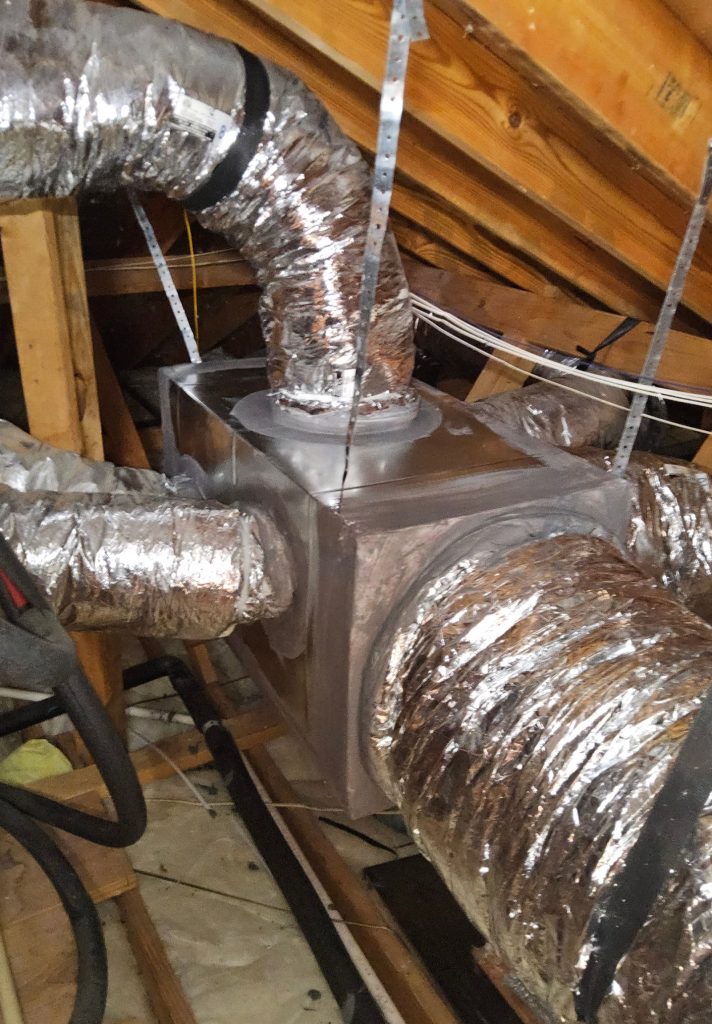
Duct Installation Done Right: Better Airflow Dreams
On a 98-degree afternoon in The Woodlands, two homes on the same street can feel completely different inside—one cool and comfortable, the other with hot upstairs bedrooms and a system that never seems to shut off. Often, the difference isn’t the air conditioner itself. It’s the ductwork.
National energy studies show that poorly designed or leaky ducts can waste 20–30% of your conditioned air before it ever reaches the rooms you’re trying to cool. In our hot, humid Gulf Coast climate, that’s not just a comfort issue—it’s money out of your pocket and extra strain on your HVAC system.
This guide unpacks what “duct installation done right” really means for homes and small businesses in The Woodlands, TX. You’ll learn how proper duct design affects comfort, energy bills, air quality, and equipment life—and what to look for in a contractor so your next project delivers the airflow you’ve always wanted.
Key Insight: Thoughtful duct design and professional installation can turn an underperforming HVAC system into a high-comfort, high-efficiency setup—without necessarily replacing your equipment.
Why Ductwork Matters More Than Most People Realize
Most people focus on the air conditioner or furnace, assuming that’s where comfort problems start and end. In reality, your duct system is the “circulatory system” of your HVAC. If it’s undersized, poorly routed, or leaky, even the best equipment will disappoint.
ASHRAE (the leading HVAC standards organization) estimates that duct leakage alone can add 10–20% to cooling and heating costs. In The Woodlands, where AC can run 8–10 months a year, that’s a serious hit to your energy budget.
We often get calls that sound like this:
“The downstairs is freezing, but the upstairs bedrooms are unbearable at night. Do I need a new air conditioner?”
In one Panther Creek home, the homeowner was convinced they needed a full system replacement. After inspection, we found:
- Undersized trunk line feeding the second floor
- Several long, kinked flex ducts
- Supply vents poorly placed behind furniture
We redesigned and replaced about half of the ductwork, added a few strategic returns, and sealed all connections. Their existing system suddenly “felt” brand new. Their summer electric bill dropped by almost 18%, and those once-hot bedrooms became the most comfortable rooms in the house.
Ducts are not just metal or flex tubes hidden in the attic; they’re a precision system that must match your equipment size, home layout, and local climate. Getting that match right is where real comfort begins.
Designing Ducts for Texas Heat: What “Right-Sized” Really Means
Proper duct installation starts long before anyone cuts a hole or hangs a trunk line. It begins with design. In The Woodlands, we have unique challenges: attic temperatures that soar well above 120°F, high humidity, and a mix of older and newer construction.
A professional design process typically includes:
- Manual J load calculation – Determines how much heating and cooling each room needs
- Manual D duct design – Sizes and lays out ducts for balanced airflow
- Manual S equipment selection – Matches the system to the home’s load and duct design
Without this, installers often guess duct sizes or copy what was there before—even if the old system never worked well.
In a Sterling Ridge new construction project, a homeowner wanted to avoid the “hot game room” problem they’d experienced in their last house. We:
- Ran a full room-by-room load calculation
- Sized ducts to account for west-facing windows and high ceilings
- Included additional returns upstairs for better circulation
- Used short, direct runs to reduce static pressure
The result? Even on triple-digit days, the upstairs game room stayed within 1–2 degrees of the rest of the house, with quieter operation and lower fan speeds.
Here’s how thoughtful duct design compares to the “rule-of-thumb” approach:
| Aspect | Traditional “Rule-of-Thumb” Ducts | Professionally Designed Ducts |
|---|---|---|
| Sizing method | Guesswork / copy old system | Manual J & Manual D calculations |
| Room-by-room airflow | Often unbalanced | Precisely matched to each room |
| Comfort in extreme heat | Hot/cold spots common | Even temperatures throughout |
| Energy efficiency | 10–30% energy loss typical | Optimized airflow & static pressure |
| Equipment strain | Short cycling / long run times | Longer lifespan, smoother operation |
| Long-term operating costs | Higher, unpredictable | Lower, more stable bills |
“Design is where 80% of system performance is won or lost—long before the first piece of duct goes in.” — HVAC Design Principle
When you pair a solid design with expert air conditioning installation services, you’re setting your home up for decades of better comfort and lower operating costs.
Materials, Sealing, and Insulation: The Hidden Details That Make or Break Performance
Even the best design can fail if the installation is sloppy. In The Woodlands, where ducts are often run through blazing hot attics or tight crawlspaces, details like sealing and insulation are critical.
Choosing the Right Materials
Common duct materials include:
- Rigid metal ducts – Durable, smooth interior, great for main trunks
- Flexible duct (flex) – Best for short runs from trunks to registers
- Ductboard – Insulated fiberboard, often used for plenums and some trunks
A quality installation uses each material where it performs best, not just what’s cheapest or fastest to install.
Why Sealing Matters So Much
Every joint, seam, and connection is a potential leak. In one Indian Springs attic, we measured over 25% duct leakage in a 10-year-old home—much of it from unsealed connections and deteriorated tape. We:
- Sealed all joints with mastic
- Replaced failing tape with UL-181 rated products
- Verified leakage reduction with a duct blaster test
The homeowner noticed immediately: stronger airflow at distant rooms and a shorter time to cool the house in the evening.
Insulation in a Gulf Coast Climate
Uninsulated or poorly insulated ducts running through a 130°F attic will:
- Lose cooled air before it reaches your rooms
- Create condensation risks on cold ducts
- Force your system to run longer
We routinely upgrade older, under-insulated duct systems to higher R-value insulation, especially on supply runs. Pairing this with an energy-efficient system or heat pump installation services can dramatically improve seasonal performance.
These “invisible” details—materials, sealing, and insulation—are where professional duct installation quietly pays you back month after month.
Solving Real-World Comfort Problems: Case Studies from The Woodlands
Every home and small business in The Woodlands has its own quirks: vaulted ceilings, glass-heavy offices, bonus rooms above garages. Good ductwork adapts to those quirks instead of ignoring them.
Case Study 1: The Hot Office Over the Garage
A Creekside Park homeowner used a bonus room as a home office. In summer, it was practically unusable after 2 p.m. The central system was fairly new, installed by a large central air conditioning installation company, but the comfort issue remained.
We discovered:
- A single 6″ flex duct feeding the entire room
- No dedicated return air
- Long, poorly routed duct run over a hot garage
Our solution:
- Installed a larger, properly sized supply duct
- Added a small dedicated return to improve circulation
- Re-routed and shortened the duct run
- Properly sealed and insulated the new ducts
The office temperature dropped by 6–8 degrees on hot afternoons, and the homeowner avoided the cost of a second system.
Case Study 2: Restaurant with Uneven Dining Room Temperatures
A local restaurant near Market Street struggled with complaints: some tables were freezing, others uncomfortably warm. Their system had seen multiple “band-aid” fixes from different commercial ac services, but no one had addressed the duct layout.
What we found:
- Supply vents clustered in certain areas
- Returns poorly located, causing short-cycling of air
- Duct branches not balanced for the space layout
We:
- Redesigned the supply and return layout
- Added balancing dampers to fine-tune airflow
- Adjusted diffuser types and locations
“Once the airflow was balanced, comfort complaints dropped to almost zero, and the owner reported more consistent customer satisfaction across seating areas.”
Whether it’s a small office, retail space, or a two-story home, the principle is the same: ductwork must be tailored to how people actually use the space.
When to Repair, When to Replace: Making Smart Duct Decisions
Not every duct problem requires a full replacement. In many The Woodlands homes, a thoughtful combination of repair, modification, and partial replacement delivers excellent results without a full tear-out.
Signs You May Need Duct Repair
- Certain rooms are always too hot or too cold
- Weak airflow from some vents
- Rattling, whistling, or banging sounds in the ducts
- High dust levels or musty odors from vents
- Utility bills that seem too high for your home size
In these cases, targeted duct repair services can address:
- Crushed or kinked flex ducts
- Disconnected or loose joints
- Leaky boots at ceiling registers
- Poorly sealed plenums
When Replacement Makes More Sense
Full or significant duct replacement is often the better option when:
- Ducts are severely undersized or poorly laid out
- There’s extensive damage from rodents, moisture, or age
- You’re upsizing or changing equipment type (e.g., to high-efficiency systems)
- You’re doing a major remodel or addition
In an older Grogan’s Mill home, the original ducts were a patchwork of metal and flex added over decades. Airflow was inconsistent, and the system struggled in summer. Rather than continuing to patch, the homeowner opted for new construction-style duct installation. We:
- Designed a modern, efficient duct layout
- Installed new trunks and branches with proper sizing
- Balanced the system room by room
Their energy usage dropped, noise decreased, and the home finally felt consistently comfortable.
Here’s a quick comparison:
| Scenario | Best Option | Typical Benefit |
|---|---|---|
| A few weak rooms, rest are fine | Targeted repair | Lower cost, focused comfort fixes |
| Mixed old/added-on duct sections | Partial replacement | Better balance, reduced leakage |
| Major remodel or addition | New duct installation | System tailored to new layout |
| Chronic comfort + high bills | Full redesign + new ducts | Long-term savings, maximum comfort |
If you’re unsure which category your home falls into, a thorough inspection and airflow testing by an experienced hvac ductwork installation contractor can provide a clear path forward.
Integrating Ducts with Modern HVAC: Zoning, Mini-Splits, and IAQ
Ductwork doesn’t exist in isolation. The best systems in The Woodlands integrate ducts with modern HVAC technologies for finer control, better efficiency, and healthier air.
Zoning and Smart Controls
In larger or two-story homes, zoning can dramatically improve comfort and efficiency. This involves:
- Motorized dampers in the ducts
- Multiple thermostats or sensors
- A control panel to manage airflow to different zones
Pairing this with thermostat installation services—especially smart or Wi-Fi models—lets you:
- Set different temperatures for upstairs vs. downstairs
- Schedule setbacks when rooms aren’t in use
- Monitor and adjust from your phone
Ductless Options for Problem Areas
Some spaces simply aren’t well-served by existing ducts: sunrooms, garage apartments, finished attics. In those cases, ductless mini split installation offers:
- Independent temperature control
- High efficiency (often better than traditional systems)
- No need for invasive duct runs
We often combine central duct systems with ductless units in tricky spaces, giving homeowners the best of both worlds.
Air Quality and Ducts
Your ducts also play a major role in indoor air quality. Pairing a well-sealed duct system with:
- air purification system installation
- air filtration system installation
- duct fogging services
can reduce dust, allergens, and microbial growth. In our humid climate, controlling moisture inside ducts is especially important to discourage mold and mildew.
“Clean, dry, well-sealed ducts are the foundation of a healthy indoor air quality strategy.”
When ducts are designed and installed with these modern options in mind, your system becomes more comfortable, efficient, and healthier to live with.
What This Means for Businesses in The Woodlands, TX
For local businesses—from boutique shops at Hughes Landing to professional offices and restaurants near Market Street—ductwork directly affects customer comfort, employee productivity, and operating costs.
In commercial spaces, poor duct design can create:
- Hot and cold spots that drive customers away from certain tables or displays
- Drafty offices where staff plug in space heaters (spiking energy use and creating safety risks)
- Excess humidity that makes spaces feel clammy even at lower temperatures
A thoughtful duct design integrated with commercial ac services or commercial heating services helps:
- Distribute air evenly across open-concept spaces
- Account for heat loads from kitchen equipment, computers, and large windows
- Maintain consistent temperatures across long operating hours
For example, a small medical office off Research Forest had chronic comfort complaints: exam rooms were stuffy, while the reception area was freezing. We:
- Evaluated the existing rooftop unit and ducts
- Rebalanced airflow with new duct branches and diffusers
- Coordinated controls with a modern thermostat
Patient comfort improved, staff stopped battling over the thermostat, and the owner noticed more consistent utility bills.
In The Woodlands’ competitive business environment, providing a consistently comfortable indoor climate is part of your brand experience. Well-designed, professionally installed ducts are a quiet but powerful tool to support that.
Frequently Asked Questions
Q: How do I know if my home’s comfort issues are from the ducts or the AC unit itself?
A: Many comfort problems that feel like an “AC issue” actually trace back to ductwork. Warning signs of duct-related problems include: some rooms always being too hot or cold, noticeable differences between floors, weak airflow from certain vents, or whistling/rattling noises in the ceiling. A qualified contractor can perform airflow measurements, inspect ducts for size and layout issues, and test for leakage. Often, addressing duct design and sealing alongside any needed air conditioning repair services delivers far better results than replacing equipment alone.
Q: Is it worth replacing ducts if my system is older and I may replace it soon?
A: In many The Woodlands homes, ducts outlast one or two generations of equipment—but older systems often have undersized or inefficient ductwork. If your duct system is in poor shape and your equipment is nearing the end of its life, it can be smart to plan both together. That way, your new system and ducts are properly matched. However, if there are severe comfort issues now, targeted residential ductwork repair services or partial replacement can still be worthwhile, especially if you’ll reuse parts of the system with your next furnace and heating system installation or AC upgrade.
Q: How disruptive is a duct replacement project in an existing home?
A: Most residential duct replacement in The Woodlands can be done with minimal disruption inside your living spaces. Much of the work happens in the attic, crawlspace, or mechanical room. You may see some access points at supply registers or returns, but contractors work to keep dust and debris contained. Typical projects range from one to three days, depending on home size and complexity. If you’re combining duct work with new air conditioner installation near me or new heating system installation near me, your contractor will schedule work to minimize downtime.
Q: Can better ducts really lower my energy bills that much?
A: Yes. Studies and field experience show that sealing, insulating, and properly sizing ducts can cut duct-related losses by 20–30%. In our climate, where systems run hard most of the year, that translates to noticeable savings. We’ve seen The Woodlands homeowners trim summer bills by 10–20% after comprehensive duct upgrades, especially when combined with energy efficient heat pump systems or modern high-efficiency furnaces. The added benefit is reduced wear and tear on your equipment, which can extend its life.
Q: How do ducts affect indoor air quality and allergies?
A: Leaky, dirty, or poorly designed ducts can pull dust, insulation fibers, attic air, and even garage fumes into your living spaces. They can also create stagnant areas where moisture and contaminants accumulate. A well-sealed, properly filtered system—often paired with whole home air purification services or whole house air filtration services—helps remove particulates and allergens before air reaches your rooms. In some cases, we also recommend air duct disinfection services or antimicrobial duct fogging treatment to address microbial concerns, especially after water damage or long-term neglect.
Q: Are ductless mini-splits a better option than new ducts?
A: It depends on your space and goals. For whole-home systems in typical single-family homes, well-designed ducts paired with efficient equipment remain a very effective solution. However, for specific problem areas—like garage apartments, additions, or rooms far from the main system—ductless systems can be ideal. Energy efficient ductless systems and multi zone mini split installation allow precise temperature control without extensive duct runs. Many The Woodlands homeowners use a hybrid approach: central ducts for most of the home, plus ductless in challenging spaces.
Q: How often should ducts be inspected or maintained?
A: While ducts don’t need annual “tune-ups” like equipment, they should be visually inspected every few years, and more often if you notice changes in comfort or air quality. During regular seasonal heating maintenance services or AC tune-ups, a good technician will check for obvious duct issues: disconnected runs, crushed flex, or major leaks. If your home has undergone renovations, pest issues, or roof work, it’s especially important to verify that ducts weren’t damaged or altered.
Ready to Get Started?
In The Woodlands, where your HVAC system works overtime against heat and humidity, your ducts quietly determine whether you get your money’s worth from every kilowatt and every BTU. If you’re living with hot rooms, uneven temperatures, or a system that never seems to shut off, now is the ideal time to address your ductwork—before the next heat wave or cold snap hits.
Conley Cooling and Heating can evaluate your existing ducts, discuss repair vs. replacement options, and design a system tailored to your home or business. Whether you’re planning a remodel, adding a new space, or pairing ducts with a professional ac system installation or furnace installation and replacement, we’ll help you make smart, long-term decisions.
You don’t have to live with “good enough” airflow. With the right design and installation, better airflow, quieter operation, and lower bills are all within reach. Schedule a consultation, walk us through your comfort concerns, and we’ll show you what “duct installation done right” can do for your space.
About Conley Cooling and Heating
Conley Cooling and Heating is a locally owned HVAC contractor serving The Woodlands, TX, and surrounding communities. Our team specializes in custom duct design, duct installation services, and full-service heating and cooling solutions for homes and small businesses. With years of experience in Gulf Coast conditions, we understand the unique demands our climate places on HVAC systems and ductwork. From hvac duct sealing and repair to high-efficiency system upgrades, we focus on comfort, craftsmanship, and long-term value for our neighbors in The Woodlands.