
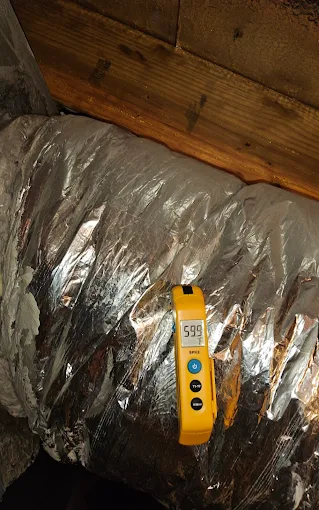
Duct Installation Costs and Value for Homeowners
If your airflow feels uneven, rooms take too long to cool, or you are planning a renovation in The Woodlands, TX, duct installation is one of those projects where “price” is only half the decision. This guide breaks down what drives duct installation cost, what “value” really means for comfort and efficiency, and what to ask before you commit.
You notice it every summer in The Woodlands: the living room feels fine, but the bedrooms run warm, and the hallway never seems to get the same airflow. Maybe you are adding an addition, replacing an aging system, or moving to better filtration. Either way, the ductwork becomes the “hidden” variable that can make a new system perform well or struggle.
When homeowners start comparing duct installation options, they often get stuck on cost without a clear way to judge value. This guide helps you understand what affects duct installation cost, which measurements and details matter most, and how to choose a duct approach that fits your home’s layout and airflow needs.
- Quick answer
- What to check first
- Main things customers should understand
- Why this matters in The Woodlands, TX
- Common mistakes to avoid
- Customer checklist
- Frequently asked questions
Quick Answer
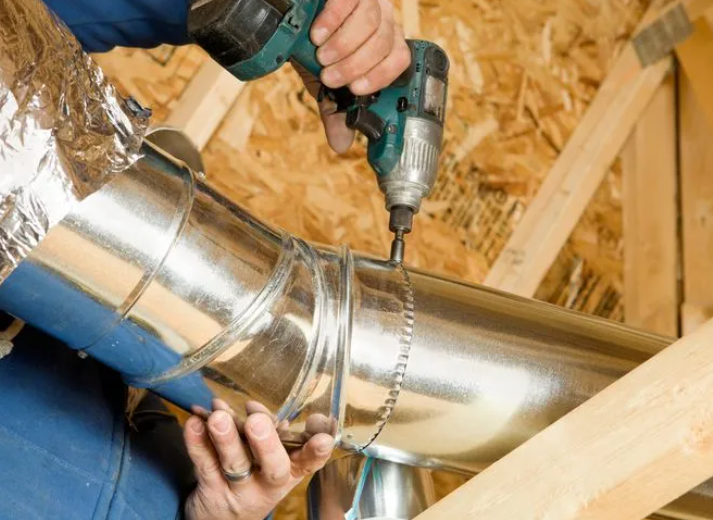
Duct installation cost depends mostly on how much ductwork needs to be added or replaced, how complex the routing is, and whether the job includes proper duct sizing, sealing, and balancing. The best “value” is not the lowest line item. It is ductwork that matches your HVAC airflow requirements and delivers consistent comfort room to room. Before you choose an option, ask your contractor about duct design details, airflow testing or balancing, and how they will handle sealing and long-run efficiency. Conley Cooling and Heating can walk through duct installation services for your home in The Woodlands, TX.
What to Check First
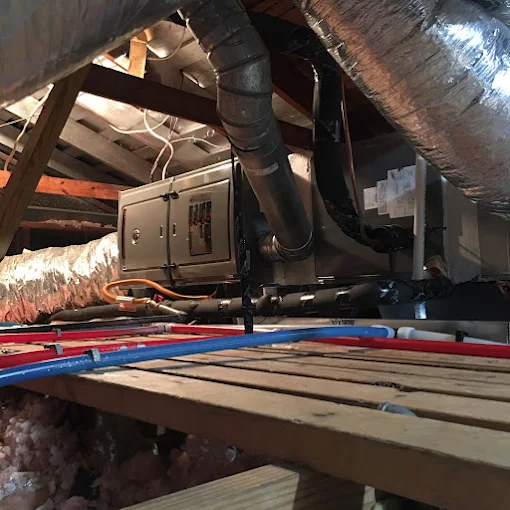
Before talking dollars, confirm what problem you are solving. Uneven temperatures, weak airflow, noisy vents, or persistent hot and cold spots often point back to duct design, duct damage, or airflow restrictions. If you already have an existing system, note whether the issue is worse on certain days or seasons, and whether filter changes or thermostat settings make a difference.
1) Identify the symptoms
Hot bedrooms, cold rooms, or airflow that seems “blocked” can signal duct leakage, poor layout, or undersized runs.
2) Look for duct condition clues
Crushed sections, disconnected joints, or visible gaps under registers often mean the current system is not distributing air as designed.
3) Confirm the end goal
Are you improving comfort, preparing for a new system, or adding space? The answer changes the duct plan.
Main Things Customers Should Understand
Duct installation is more than “putting ducts in.” The cost and results are strongly influenced by duct sizing, routing, sealing quality, and how the system is balanced after installation. In many homes, especially older or renovated layouts, ductwork may need to be redesigned so the HVAC system can deliver the right air to each room.
Professional observation: Ductwork value shows up after install, not during a quick walkthrough. When ducts are sized and sealed correctly and the airflow is balanced, you typically see more consistent temperatures and steadier comfort across the home.
What drives duct installation cost
While every home is different, these are common cost drivers homeowners should expect to discuss during an on-site review:
- Amount of ductwork: Adding new runs for a renovation will cost more than repairing or reworking limited sections.
- Routing complexity: Long runs, tight pathways, and finished ceilings or floors can increase labor time.
- Duct sizing and layout: Proper sizing helps avoid problems like low airflow at registers or short-cycling caused by airflow imbalance.
- Sealing and connections: Joint quality and sealing practices impact how much conditioned air actually reaches the rooms.
- Compatibility with your HVAC system: Duct design should match the equipment’s airflow needs.
- Basement, attic, and crawlspace access: Installation method depends on where ducts can be routed.
What “value” looks like for homeowners
Instead of focusing only on the duct installation line item, evaluate value by how the ductwork supports comfort and system performance. Practical value indicators include:
- Room-to-room consistency: Fewer hot or cold spots after the HVAC runs.
- Better register airflow: Vents deliver air more evenly where you need it.
- Reduced frustration with adjustments: Less reliance on constantly changing thermostat settings to “make it work.”
- Cleaner indoor airflow paths: When ductwork is installed or maintained with good practices, it supports whole-home indoor air quality goals.
| Home situation | What ductwork action usually fits best | Why it can be the better value |
|---|---|---|
| Renovation or new addition that needs new airflow paths | Duct installation or new duct runs | Extends comfort to new spaces instead of forcing the HVAC to “push harder.” |
| Disconnected joints, visible gaps, or duct sections that appear compromised | Duct repair or targeted duct replacement | Addresses leaks and airflow restrictions without replacing everything. |
| Persistent comfort issues with unclear causes | Duct evaluation paired with system airflow balancing | Helps prevent paying for duct work that does not solve the root airflow problem. |
Why This Matters in The Woodlands, TX
The Woodlands is known for humid summer conditions, which means your HVAC system is often running longer cycles to keep indoor comfort steady. In that environment, ductwork problems can feel louder because air that leaks or fails to distribute evenly makes the system work against the clock.
From a practical standpoint, homeowners in The Woodlands typically want two things from duct installation: consistent cooling across floors and rooms, and indoor air quality that supports how the home is lived in day to day. If you are also thinking about filtration, humidity control, or whole-home air cleaning, ductwork quality can affect how well those goals translate through the HVAC system. For related options, you may want to explore air filtration services alongside duct work planning.
Firsthand-style industry observation
In many duct projects I have seen, the turning point is not the equipment itself. It is the duct path. Homes with older duct routes, tricky attic access, or renovations that changed room layouts often end up with airflow mismatches. When the ductwork is corrected for airflow distribution and connections are sealed properly, the HVAC system usually starts behaving the way it was supposed to from day one.
Plan duct installation with a clear, home-specific scope
If you are comparing options in The Woodlands, TX, ask for a duct plan that addresses routing, sealing, and how airflow will be balanced after installation. Conley Cooling and Heating can review your duct situation and recommend the right duct approach for your home.
Talk to Conley Cooling and HeatingCommon Mistakes to Avoid
Homeowners often lose value when duct decisions are made without enough detail. These are the most common missteps to watch for during duct installation planning in The Woodlands, TX.
- Choosing based on duct “quantity” alone: Longer duct runs can increase cost, but the bigger issue is whether the duct size and layout match the system’s airflow needs.
- Skipping a duct condition review: If joints are leaking or duct sections are damaged, simply adding more ductwork without addressing the problem can still leave you with uneven comfort.
- Not planning for balancing: Even well-installed ductwork may deliver uneven temperatures if the system is not balanced for your home.
- Assuming new equipment fixes old ductwork: A new HVAC system can mask duct issues briefly, then comfort problems return when the system tries to meet real demand.
- Overlooking indoor air quality goals: If allergies, dust, or humidity comfort are part of your reason for duct work, consider pairing duct installation with appropriate indoor air quality solutions.
Customer Checklist
Use this checklist when you talk with a contractor about duct installation in The Woodlands, TX. It keeps the conversation practical and helps you compare scopes more accurately.
- What rooms or zones are currently uncomfortable, and what airflow symptoms do we see at the vents?
- How much ductwork will be newly installed versus repaired or reworked?
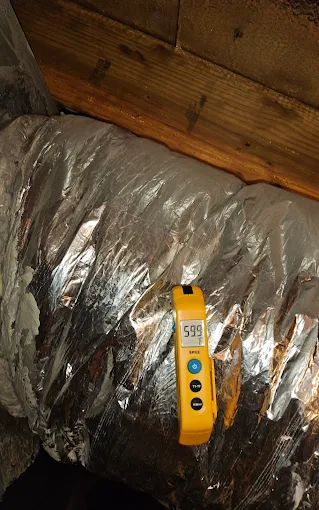
- How will the duct layout account for your home’s routing constraints (attic, crawlspace, finished areas)?
- What duct sizing approach will be used to match the HVAC system’s airflow needs?
- How will duct connections and joints be sealed to reduce leakage?
- After installation, how will airflow balancing be handled so temperatures stabilize across rooms?
- If you are upgrading HVAC too, which order makes sense for ductwork and system installation planning?
- Are there any duct repair options that could solve the issue without full replacement?
Representative Scenario
Consider a homeowner in The Woodlands, TX who added a second-story bedroom and noticed that the original hallway vents felt weak even before the new space was fully occupied. The HVAC ran often, but temperatures were inconsistent. After a duct evaluation, the plan focused on adding new duct runs for the added rooms, correcting routing where airflow had been restricted, and sealing key connections. Once the ductwork was installed and the system was balanced for the updated layout, the home delivered steadier comfort across both levels.
Frequently Asked Questions
These are common questions homeowners ask when planning duct installation. The answers below are designed to help you prepare for a clear, home-specific conversation.
How do I know if I need duct installation instead of duct repair?
Most homeowners consider duct installation when the duct layout must change, such as during a renovation, an addition, or when existing ductwork cannot be reworked to deliver airflow to the right rooms. Duct repair is often considered when problems are limited to specific sections like disconnected joints, damaged runs, or localized leaks. A duct evaluation typically clarifies whether the issue is a small failure point or a broader airflow distribution problem.
Will new ductwork make my HVAC system run differently?
Yes. Ductwork quality affects how much conditioned air reaches each room and how evenly it is distributed. When ducts are properly installed, sealed, and matched to airflow requirements, the system can meet demand more consistently. That often reduces the “fight” between thermostat settings and uneven airflow. If your system is already struggling due to airflow restrictions, duct installation can help it perform as intended.
What should I ask about sealing and connections?
Ask how duct connections will be handled and what sealing approach will be used at joints and transitions. Sealing matters because even small leaks can reduce the amount of conditioned air reaching registers. A good contractor will also explain how they intend to minimize air loss at the points where duct segments meet and where airflow paths change. If you are also planning indoor air quality improvements, consistent duct performance helps those goals travel through the system more effectively.
Does duct installation affect indoor air quality?
Duct installation can influence indoor air quality because it changes the pathways air takes through your home. When ductwork is installed and connected properly, airflow can be more consistent, which supports filtration and air cleaning strategies. If your goals include reducing dust or managing air cleanliness, it can help to pair duct planning with indoor air quality services like air purification or filtration options.
How can I compare duct installation quotes fairly?
Compare the scope, not just the total. Look for details about what will be installed versus repaired, how routing will be handled, how duct sizing will be matched to the HVAC system, and what sealing and balancing steps are included. If one quote is vague about balancing or connection quality, that is a red flag. Asking the contractor to describe the process step by step usually reveals whether quotes are truly apples-to-apples.
Ready for a duct plan that fits your The Woodlands home?
If you are dealing with uneven comfort, renovation airflow challenges, or ductwork concerns, Conley Cooling and Heating can help you understand the right path forward. Contact us to discuss duct installation services and what your home needs for steady, room-to-room comfort.
Call (936) 444-4534
Conley Cooling and Heating
Conley Cooling and Heating provides cooling and heating services for homeowners across The Woodlands, TX & surrounding areas. Whether you are planning duct installation, repairing ductwork, or upgrading parts of your HVAC system, our goal is to help you make decisions that improve comfort and performance in your home. Explore related services like duct repair services or central air conditioning installation to coordinate your duct and system plan.