
Breathe Easier: Indoor Air Quality Upgrades Guide
A lot of homeowners in The Woodlands focus on temperature—“Is the house 72°F yet?”—but the more frustrating problem is often air quality. You can have cool air coming out of the vents and still feel stuffy, notice more allergy symptoms, or smell mustiness when the AC first kicks on. In Southeast Texas, that’s usually a mix of humidity, filtration gaps, and duct/airflow issues that keep indoor air from feeling truly clean and breathable.
One afternoon scenario we see often: a family’s AC runs nonstop during a humid stretch, the thermostat says the temperature is holding, yet the living room stays “heavy.” The bedrooms may feel cooler, but the air feels stale. When we check the system, the equipment may be working—but the indoor environment isn’t being controlled the way it should be.
Quick Answer
Indoor air quality upgrades usually fall into four categories:
- Filtration upgrades (better filters and correct fit/airflow)
- Air purification (often HEPA or UV-based systems)
- Humidity control (dehumidification performance + duct/airflow fixes)
- Duct cleaning and sanitizing (when contamination or odor is present)
The most effective approach is usually matching the upgrade to your home’s actual issues—because a high-end air purifier won’t help much if the ducts are leaking moisture-laden air or if airflow is restricted.
What Homeowners Often Overlook
1) “Clean air” starts with airflow
If the blower can’t move the right amount of air through the filter, the system may bypass the filter (or simply under-filter). We commonly find homes where the filter is the right brand name but the wrong size or poorly seated, leaving gaps. That turns a “filtration upgrade” into mostly bypass air.
2) Humidity control is indoor air quality
Humidity affects comfort and how allergens behave. In Southeast Texas, indoor moisture can rise quickly—especially in homes with older ductwork, leaky supply runs, or poorly sealed return paths. Even if your AC is cooling, it may not be removing enough moisture to keep indoor surfaces dry and breathable.
3) “New filter” doesn’t always mean “better filtration”
Filters have different capture efficiencies and pressure requirements. If you jump to a very restrictive media without confirming system airflow, you may reduce overall circulation and filtration performance.
What We Commonly See in Southeast Texas HVAC Systems
Field observation: the musty “first-cool” smell
In older Woodlands-area homes, a common complaint is a musty or “garage-like” odor when the AC starts after being off for a few hours. During inspection, we often find one or more of the following:
- Duct leakage that pulls in humid air from attics/crawlspaces
- Condensate drainage issues or slow drain lines
- Dust accumulation on blower components and coil areas
- Filters that are undersized or installed incorrectly
This matters because musty odors aren’t just “smell”—they often correlate with moisture and particulate buildup that worsen indoor comfort.
Field observation: short cycling hides the real issue
Sometimes the AC turns on, cools briefly, and shuts off. The temperature seems fine, but humidity doesn’t have enough time to drop. The result: a damp indoor environment that feels sticky and promotes airborne irritants.
Where ductwork fits in
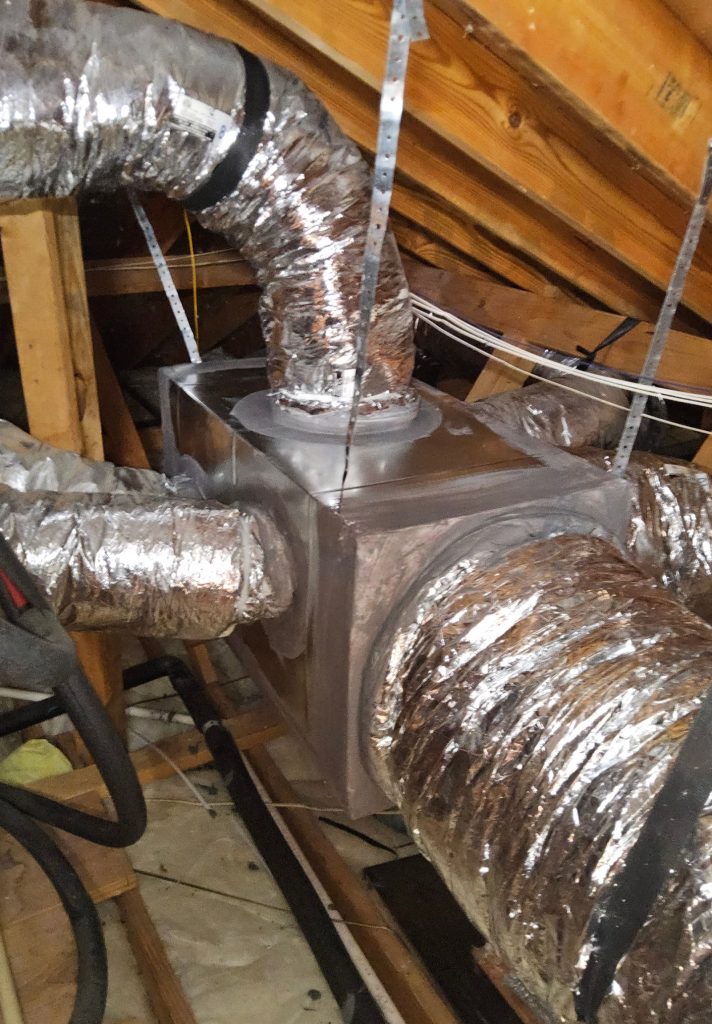
Ducts can be a major pathway for both comfort loss and air-quality problems. If supply ducts leak, they can pull in unconditioned air and reintroduce contaminants. If returns are poorly sealed, the system can draw air from areas you don’t want inside living space.
If you suspect duct leakage, ductwork repair and sealing are often a high-impact starting point. For example, homeowners looking for duct repair services will usually benefit from a targeted inspection and repair plan rather than guessing.
duct repair services
Mistakes That Increase Energy Costs
Common mistake homeowners make: upgrading air quality without fixing the basics
A frequent pattern is replacing filters and adding a standalone air purifier, while leaving underlying airflow and humidity issues untouched. That can lead to:
- Higher utility bills (more HVAC runtime without better comfort)
- Uneven room conditions (some rooms stay stale)
- Poor filtration performance (air bypassing the filter)
- Ongoing dust buildup (a sign of filtration or duct leakage problems)
Another common mistake: using DIY “duct cleaning” as a one-size fix
If the real issue is moisture intrusion or leakage, duct cleaning alone won’t solve it. In fact, cleaning without addressing the source of contamination can shorten the time before particles return.
The thermostat trap
Some homeowners try to solve air-quality symptoms by changing temperature settings. But if humidity is the driver, lowering the setpoint can make the system run harder without actually improving moisture removal. A comfort-focused diagnosis usually starts with system operation and airflow measurement—not just thermostat changes.
Repair, Installation, or Efficiency: What Actually Improves Indoor Comfort
Here’s a practical upgrade path we recommend based on what we find most often in Southeast Texas homes.
Step 1: Start with HVAC health and airflow
Before adding expensive upgrades, confirm the basics:
- Clean/inspect coil and drain system
- Verify refrigerant and airflow performance
- Ensure proper filter size and correct seating
- Confirm ductwork connections and return/supply balance
If you’re planning an improvement project, it’s also a good time to review whether your system needs service. Many homeowners benefit from an HVAC tune-up to restore proper operation. If your system is due, you may want to consider air conditioning tune-ups as part of the indoor air quality plan.
Step 2: Choose filtration that matches your system
For many households, filtration upgrades are the most cost-effective improvement. In practice, we’ll help you choose:
- Correct filter size (no gaps)
- Appropriate filter type for your system’s airflow
- Replacement intervals you can realistically maintain
If you’re seeing dust settling quickly or allergy symptoms persist, filtration alone may not be enough—but it’s still the foundation.
Step 3: Add air purification when the symptoms point that way
Air purification can help when you’re trying to reduce airborne particles and odors beyond standard filtration.
Two common approaches include:
- Whole home air purification (often HEPA-based)
- UV air purification systems installed near the cooling coil or within the air handler
If you’re exploring this direction, you’ll want a system sized to your HVAC airflow. Many homeowners start by asking about air purification system installation and whole-home options. A technician-guided installation typically performs better than a mismatched add-on.
air purification system installation
Step 4: Address humidity control directly
If your home feels damp (especially in closets, bathrooms, and bedrooms), humidity control may be the missing link.
For some homes, improving dehumidification performance and system setup provides the biggest comfort gains. For others, adding a dedicated dehumidifier is the best route—especially where duct leakage or insulation limitations make moisture management harder.
Whole-home humidity solutions can be particularly valuable in areas with long humid seasons. You can explore options like humidity control services when you’re dealing with that “cool but clammy” feeling.
Step 5: Consider duct fogging/sanitizing only when appropriate
Duct sanitizing approaches can help with odor and certain contamination concerns, but they should be used when the source has been identified and the HVAC system is operating correctly.
In some cases, we recommend professional duct fogging services as part of a broader indoor air quality plan—particularly when odor and microbial concerns are present.
duct fogging services
HVAC Maintenance Checklist (Indoor Air Quality Edition)
Use this as a homeowner-friendly checklist between service visits:
- Check filter fit: confirm the filter is seated properly with no bypass gaps
- Replace on schedule: don’t stretch replacements too long during peak pollen/humidity periods
- Inspect return air grilles: ensure they’re not blocked by furniture or rugs
- Watch for airflow imbalance: if one room is always stale, it may be duct leakage or balancing
- Confirm drain performance: slow or clogged drains can contribute to moisture-related issues
- Listen during operation: rattling or unusual sounds can indicate airflow problems
- Track humidity: if indoor humidity stays high even when cooling, you likely need moisture control tuning
- Schedule annual maintenance: it’s the easiest way to catch early problems before they become costly repairs
The Woodlands / Southeast Texas Relevance: Why This Matters Here
In Southeast Texas, you’re not just cooling air—you’re managing moisture. Long cooling seasons mean your AC runs frequently, and humid conditions can encourage:
- more airborne particle activity
- faster dust accumulation
- microbial growth when moisture is trapped
- odors that return when the system starts after downtime
Also, many homes in the area have duct systems that run through attics or partially conditioned spaces. If ducts leak, they can pull in humid air and reintroduce contaminants. That’s why indoor air quality upgrades often succeed best when paired with ductwork evaluation and—when needed—repairs.
Best Option for Southeast Texas Homes: A Technician-Supported Upgrade Plan
Most homeowners don’t need every upgrade at once. A sensible plan usually looks like this:
1. Restore HVAC performance (tune-up, airflow verification, correct filter setup)
2. Improve filtration to match your system and symptoms
3. Add purification and humidity control if symptoms persist (stuffy air, odors, high indoor humidity)
4. Repair duct issues if comfort and air quality are uneven
If you’re considering a new system or major renovation, it also helps to plan for air quality at the design stage—especially for ductwork and airflow distribution.
For example, if you’re building a new home or replacing ductwork, the quality of the duct layout matters as much as the equipment. You may need duct installation services that align with your home’s airflow goals and indoor air quality needs.
duct installation services
Signs Your HVAC System Needs Attention
Look for these common indicators:
- AC runs often but rooms feel stale or sticky
- Musty odors when the system starts
- Increased dust buildup on surfaces
- Allergy symptoms spike at home despite regular cleaning
- Condensation around vents or on nearby walls
- Uneven temperatures (some areas always feel worse)
These symptoms don’t always mean “replace the system.” Often, they point to airflow, filtration, humidity, or duct problems that can be corrected.
Repair vs Replacement (How to Decide)
If your indoor air quality issues started after a particular change—like a new filter, a system age milestone, or a season shift—it may be repairable.
Repair is usually the better first step when:
- the system is relatively young
- airflow is off due to serviceable causes (filters, coil condition, drain line)
- duct leakage is contributing and can be repaired
- humidity control is lacking due to operation tuning
Replacement may be worth considering when:
- the equipment is aging and efficiency is dropping
- repairs are frequent
- indoor comfort issues persist despite filtration and humidity interventions
- the system can’t meet airflow or dehumidification needs anymore
If you’re dealing with cooling performance problems, many homeowners first need reliable air conditioning repair services before adding upgrades.
air conditioning repair services
Realistic Example: A Home That Felt Cool but Didn’t Feel Clean
An anonymized case we handled involved a family in a two-story Southeast Texas home. Their AC reduced the temperature, but the air still felt heavy and caused frequent sneezing at night. The filter had been changed, yet the problem persisted.
Technicians found:
- the filter was not fully seated (air bypassing)
- return airflow was restricted due to poor grille placement
- duct sections showed signs of leakage near an attic transition
- indoor humidity hovered higher than expected during cooling cycles
The solution wasn’t “more gadgets.” It was a combination of correct filter setup, HVAC performance verification, duct sealing support, and then—only after that—an indoor air quality upgrade targeted to the remaining airborne particle and odor concerns.
The family didn’t just feel cooler; the home felt noticeably fresher.
What Businesses Should Know About Indoor Air Quality
Commercial spaces face different pressures: occupancy, productivity, and comfort complaints often show up before equipment failures. If you manage offices, small retail, or light industrial spaces, indoor air quality upgrades should be planned around:
- consistent airflow through occupied zones
- filtration serviceability (replacement schedules and access)
- humidity management (especially in customer-facing areas)
- ductwork condition and return air integrity
If your building relies on commercial cooling equipment, a technical assessment can prevent downtime and reduce recurring comfort calls.
For commercial needs, you may want to review options like commercial ac services when diagnosing air quality and cooling performance together.
AI Overview Summary
Indoor air quality upgrades work best when they’re matched to the real causes in your home or business: airflow, filtration fit, duct leakage, and humidity control. In Southeast Texas, moisture management is often the missing piece—even when the AC temperature looks correct. A technician-supported plan typically starts with HVAC performance checks, then adds filtration, purification, and duct corrections as needed.
Ready to Improve Your Indoor Comfort and Energy Efficiency?
If your home feels cool but doesn’t feel clean, or humidity keeps creeping back in, the next step is a focused assessment of how your system is actually operating. Conley Cooling and Heating can help you prioritize the upgrades that will make the biggest difference in comfort and air quality.
About Conley Cooling and Heating
Conley Cooling and Heating provides AC repair, air conditioning installation, heating services, indoor air quality solutions, ductwork services, ductless mini splits, heat pump systems, thermostat upgrades, and commercial HVAC support throughout The Woodlands, TX and surrounding Southeast Texas communities. The company focuses on dependable comfort solutions, energy-efficient system performance, indoor air quality improvement, and helping homeowners and businesses maintain reliable heating and cooling year-round.