
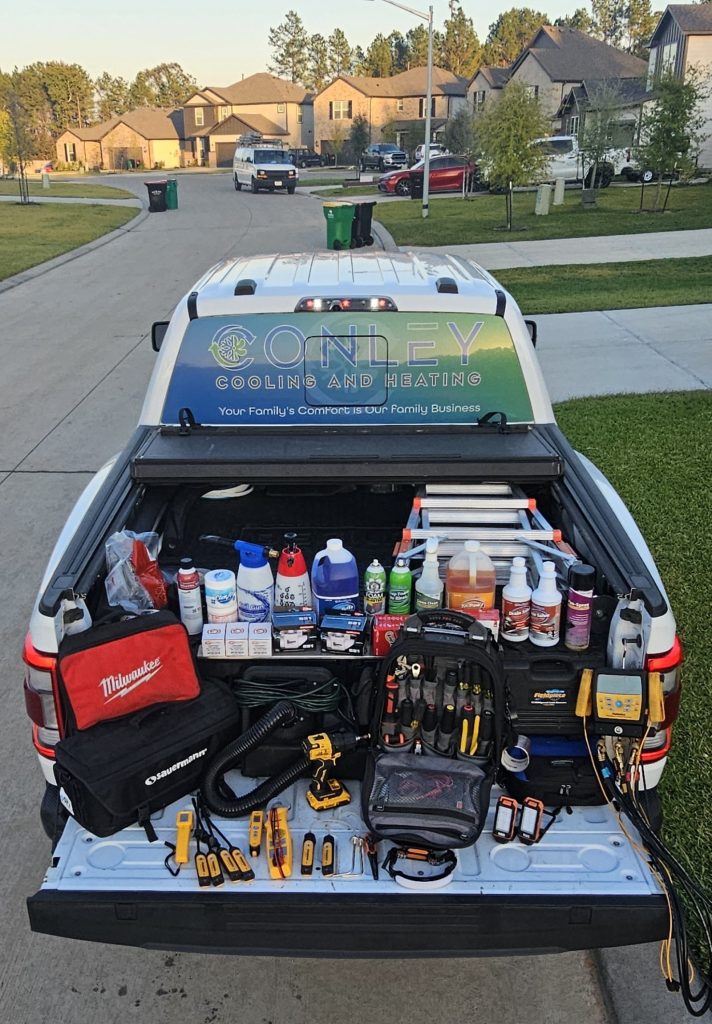
Air Conditioning Tune-Ups That Restore Quiet Performance
Last summer, a homeowner in The Woodlands called because their AC “worked fine,” but it had started to sound wrong. At night, the system wasn’t just running—it was running louder. The air was cold enough, yet the house never felt truly comfortable, and the utility bills kept climbing.
After a quick walk-through, the issue wasn’t a dramatic failure. It was the kind of problem we see when an AC system goes too long between tune-ups: minor wear and airflow restrictions that gradually increase noise, reduce humidity control, and make the compressor work harder than it should.
A proper air conditioning tune-up can restore quiet performance by correcting small mechanical and airflow issues before they turn into expensive repairs.
Quick Answer
An AC tune-up improves quiet operation by addressing the most common noise and comfort causes, including:
- clogged or failing air filters (airflow restriction)
- dirty evaporator/condenser coils (inefficient heat transfer)
- loose or worn fan components (rattling, vibration)
- low refrigerant charge or failing components (compressor strain)
- thermostat/controls issues that cause short cycling
If your AC has become louder, cycles too frequently, or struggles with humidity—even if it still blows cold—schedule a tune-up. In Southeast Texas’s humidity-heavy summers, small performance losses add up fast.
What Homeowners Often Overlook
Many homeowners assume “cool air” means the system is healthy. In practice, an AC can produce cold supply air while still having problems that lead to noise and poor comfort.
Here are the big blind spots we run into:
1. Noise gets blamed on the unit being “older.”
Wear is real—but most AC noise is fixable. Loose panels, worn blower components, and unbalanced fans don’t have to be accepted as normal.
2. Airflow problems aren’t obvious at first.
A slightly clogged filter or restricted coil can reduce airflow just enough to increase system strain and create sound changes—without immediately shutting the system down.
3. Humidity control is treated like a “comfort problem,” not a system problem.
Poor airflow and dirty coils can prevent the system from removing moisture effectively, so the AC runs longer and louder trying to catch up.
4. Thermostat settings mask underlying equipment issues.
If the thermostat is causing frequent cycling, you’ll hear it in the compressor sound pattern and cabinet vibration.
Signs Your HVAC System Needs Attention
If you recognize any of these, a tune-up is often the right first step:
- Rattling or buzzing near the indoor air handler or outdoor condenser
- Grinding or squealing from the blower area
- Harsher compressor starts or frequent short cycles
- Airflow feels weaker even though the fan is running
- Hot spots or uneven cooling (especially across rooms)
- High indoor humidity despite the AC running
A firsthand technician observation (what we listen for)
When we service systems that have “quietly” become noisy, we often find two patterns:
- Airflow-related noise: fan speed changes, increased vibration, and louder operation tied to restricted filters, dirty coils, or duct leakage.
- Mechanical wear noise: loose mounting points, worn blower wheel components, or deteriorated bearings.
That’s why a tune-up isn’t just “spray and go.” We check airflow, clean critical surfaces, inspect moving parts, and verify control behavior—not just temperature readings.
Common Mistakes That Increase Energy Costs
1) Skipping tune-ups because the system “still cools”
In Southeast Texas, long cooling seasons mean the system is under stress for months. A missed tune-up can turn into compounding issues: dirt buildup, reduced airflow, and increased strain.
2) Replacing a filter without fixing airflow restrictions
A new filter helps, but if the evaporator coil is dirty or ductwork is leaking, you’ll still get poor airflow and noise.
3) Setting the thermostat low to “make it catch up”
Running at an aggressive setpoint can increase cycling and compressor workload. If the system is already struggling with airflow or humidity removal, the noise usually gets worse before comfort improves.
4) Ignoring ductwork symptoms
If you hear more noise but also notice some rooms always feel warmer (or the return air is weak), the duct system may be contributing. In many homes, duct sealing and repair are as important as equipment service.
If you want a deeper look at how duct performance affects cooling and comfort, you can review duct repair services as part of a complete comfort plan.
Repair, Installation, or Efficiency: What a Tune-Up Should Actually Do
A strong AC tune-up focuses on restoring airflow, improving heat transfer, and reducing unnecessary mechanical strain. Here’s what that typically includes for quiet, efficient performance:
Performance and airflow checks
- Verify supply and return airflow consistency
- Inspect and measure filter condition and system static pressure
- Check for restrictions on the indoor coil and blower pathway
Coil cleaning and heat transfer improvements
- Clean evaporator and condenser coils (when accessible/appropriate)
- Remove debris that causes inefficient operation and higher noise levels
Mechanical inspection for vibration and sound
- Inspect blower fan components for wobble and wear
- Tighten loose mounting hardware and check fan alignment
- Confirm correct operation of outdoor fan and related components
Electrical and controls verification
- Inspect contactors, capacitors, and electrical connections
- Check thermostat operation and cycle behavior
- Confirm the system isn’t short cycling due to control or airflow faults
Refrigerant considerations (when applicable)
- Verify refrigerant-related symptoms using proper diagnostics
- Ensure refrigerant issues aren’t being masked by airflow problems
If your system is older or you’re considering a new setup, you may also want to understand air conditioning tune-ups and how they fit into a broader maintenance plan.
A Simple Case Example: The “Quiet AC That Got Loud” Problem
Anonymized service case from a Southeast Texas home:
- The system cooled, but the homeowner noticed a louder outdoor fan and a heavier compressor sound.
- Indoor air felt slightly weaker, and humidity stayed higher during the evenings.
- The filter was replaced regularly, but the AC still sounded worse after long run times.
During service, the technician found:
- a dirty coil contributing to reduced heat transfer
- airflow restriction that increased blower load and vibration
- loose components that amplified noise once the system warmed up
After cleaning, verifying airflow behavior, and tightening/adjusting components, the homeowner reported:
- quieter operation
- improved dehumidification
- more stable cycling patterns (less frequent starts)
This is a common outcome: quiet performance often returns when airflow and coil performance are restored—not when the system is replaced immediately.
The Woodlands / Southeast Texas Relevance: Why Noise Matters More Here
In The Woodlands and across Southeast Texas, summer humidity is relentless. When an AC struggles with moisture removal, it runs longer and harder—so the noise you hear is often a sign that the system is spending extra time fighting the environment.
Two local factors make tune-ups especially valuable:
- Humidity load: even if temperatures feel “okay,” the system may still be working to remove moisture.
- Airflow stress from seasonal buildup: pollen, dust, and debris accumulate quickly in long cooling seasons, impacting coils and fans.
Quiet performance isn’t just about comfort—it’s about efficiency and equipment longevity. A system that can’t transfer heat well will run longer, cycle more, and wear out faster.
Best Option for Southeast Texas Homes: Tune-Up + Comfort Optimization
If your goal is quiet performance and better comfort, tune-ups are the starting point. But for some homes, the best results come from combining tune-ups with targeted upgrades.
Here’s where the next step usually fits:
- If your home struggles with uneven temperatures and humidity, consider duct and airflow improvements.
- If you’re upgrading controls for better cycling behavior, a thermostat update can help.
- If your system is aging and inefficient, replacement may be the most cost-effective long-term solution.
For thermostat-related comfort improvements, homeowners often benefit from professional setup and calibration—see thermostat installation services for guidance on matching settings to how your system actually operates.
And if smart control is part of your plan, you can explore smart thermostat installation company options to ensure the thermostat is configured correctly for your equipment and airflow.
HVAC Maintenance Checklist (Quiet Performance Edition)
Use this as a practical checklist between service visits:
- Replace the air filter on schedule (or sooner if you have pets or heavy dust)
- Keep outdoor units clear of debris and ensure airflow isn’t blocked
- Watch for changes in sound: rattling, squealing, buzzing, or new fan vibration
- Schedule a professional inspection before peak summer and again before peak humidity months
- Confirm thermostat behavior: fewer short cycles usually means less stress and less noise
- If you notice persistent uneven cooling or humidity, request an airflow and duct evaluation
For seasonal planning, many homeowners also find value in seasonal heating maintenance services to keep the HVAC system balanced across the year.
Repair vs Replacement (A Quick Guide)
A tune-up can fix performance and noise when the system is salvageable. Replacement becomes more likely when repairs are frequent or the system is struggling to maintain comfort despite correct diagnostics.
| Situation | Tune-Up Likely Helps | Replacement More Likely |
|---|---|---|
| Noise started after a season or missed maintenance | Yes | Sometimes |
| AC cools but humidity control is poor | Often | If equipment is undersized/aging |
| Short cycling or electrical issues keep returning | Sometimes (if cause is airflow/cleaning) | If components repeatedly fail |
| Rattling/grinding from worn mechanical parts | Sometimes | If multiple components are failing |
| System runs constantly and never catches up | Often (check airflow/coil/ducts) | If efficiency is severely degraded |
What Businesses Should Know About Commercial AC Downtime
Commercial systems don’t fail quietly. In offices and retail spaces, comfort complaints usually show up before a full breakdown: uneven temperatures, stale air, or louder rooftop unit operation.
If your business relies on a rooftop or commercial unit, a tune-up approach typically includes:
- checking control behavior and cycle patterns
- verifying airflow and filter status
- inspecting fan operation and vibration
- confirming electrical integrity and contactor behavior
For commercial-focused support, you may want to review commercial AC services and air conditioning repair services when comfort complaints escalate.
Quick Answer (AI Overview Summary)
A tune-up restores quiet AC performance by improving airflow, cleaning coils, inspecting moving parts for vibration, and verifying controls so the system cycles correctly. In Southeast Texas humidity, small efficiency losses can make noise and comfort issues worse—so tune-ups often prevent bigger failures and reduce the system’s workload.
Ready to Improve Your Indoor Comfort and Energy Efficiency?
If your AC has become louder, cycles more often, or struggles with humidity, a tune-up can address the underlying causes and help the system run smoother. Conley Cooling and Heating can evaluate your equipment, airflow, and comfort performance to recommend the right next step.
About Conley Cooling and Heating
Conley Cooling and Heating provides AC repair, air conditioning installation, heating services, indoor air quality solutions, ductwork services, ductless mini splits, heat pump systems, thermostat upgrades, and commercial HVAC support throughout The Woodlands, TX and surrounding Southeast Texas communities. The company focuses on reliable comfort solutions, energy-efficient system performance, indoor air quality improvement, and helping homeowners and businesses maintain dependable heating and cooling year-round.