
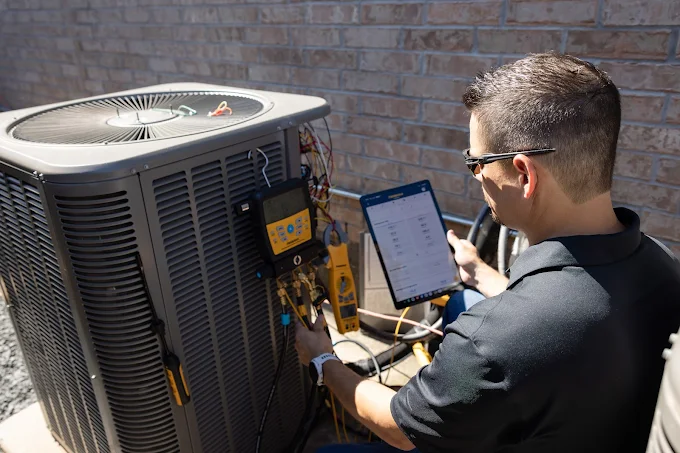
Air Conditioning Tune-Up Cost and Long-Term Value Explained
If your AC feels a little louder, cycles on and off sooner, or struggles to keep up during hot Woodlands afternoons, a tune-up is often the first service decision that protects comfort and helps avoid bigger repairs later.
It starts small: the system runs longer than usual, the air output feels weaker, or you notice that the thermostat setting you rely on does not hold steady. In The Woodlands, those signs can show up fast when humidity and heat load climb.
When you are weighing “Is a tune-up worth it?” the real question is not only the cost of the visit. It is what the tune-up can help prevent, and how it supports more efficient operation over the months ahead. This guide breaks down what typically drives tune-up pricing and how to think about long-term value for your home.
- Quick answer
- What to check first
- Main things customers should understand
- Why this matters in The Woodlands
- Common mistakes to avoid
- Customer checklist
- Frequently asked questions
Quick Answer
A typical air conditioning tune-up is designed to catch small problems before they turn into repairs and to keep airflow and electrical components operating as intended. The “cost” can vary based on what your system needs, the condition of the unit, and whether the tune-up reveals additional issues. A practical approach is to schedule a tune-up when your system is still running reliably, then follow up with repair work only when diagnostics show a real need. If your AC is already struggling, prioritize air conditioning repair services first, since tune-ups are not a substitute for fixing faults.
What to Check First
Before you decide whether a tune-up is the right next step, take a few minutes to confirm what the system is doing. Look for patterns: does it cool well for a short period, then weaken? Is it short-cycling, meaning it turns on and off quickly? Are you noticing more dust near vents, or a musty odor that seems to appear when the AC runs?

Airflow and register feel
Weak airflow or warm air at the vents can point to dirty components, airflow restrictions, or an issue that may require service beyond basic maintenance.
Thermostat behavior
If the thermostat setting does not match how the house feels, verify the system is responding properly and consider whether thermostat settings need adjustment or installation support via thermostat installation services.
Visible system condition
Condensate drainage problems, clogged surroundings around the outdoor unit, or airflow blockage can all affect performance and tune-up outcomes.
Main Things Customers Should Understand
When homeowners ask about tune-up cost, the most helpful way to think about it is “What work is being performed and what condition was found?” A tune-up typically focuses on cleaning, inspection, and adjustments that support steady cooling performance and protect key parts from premature wear. If a technician finds issues during diagnostics, the scope may change because safety and correct operation come first.
Professional observation: In homes around The Woodlands, tune-ups often pay off because the AC runs in long cooling seasons. That means small airflow losses, minor component wear, or drainage restrictions can build up over time. Catching them early usually costs less than troubleshooting after comfort complaints turn into a full repair.
Here are common factors that can influence how a tune-up ends up being priced for your specific system:
- System condition: A unit that is already running well may need fewer corrective steps than a unit showing performance problems.
- Parts accessibility and layout: Some equipment setups take longer to inspect thoroughly, especially when access is limited.
- Airflow needs: If filters, indoor coil surfaces, or duct airflow are restrictive, the tune-up may involve more cleaning and verification steps.
- Electrical and control components: Technicians check for proper operation of components that keep cooling stable.
- Refrigerant-related symptoms: If troubleshooting suggests refrigerant performance is not normal, that is typically beyond “maintenance only” and may require repair.
How tune-up value shows up over time
Long-term value is not just about avoiding one repair. It is about reducing the chance that your system operates inefficiently for weeks or months. When cooling performance is steady, you often see improved comfort consistency, fewer “mystery” temperature swings, and less strain on components that endure high run times during summer.
| What you notice | What a tune-up may help | When to plan repair instead |
|---|---|---|
| Air feels slightly weak, but system still cools | Inspection and cleaning to support airflow and stable operation | If temperatures do not reach comfort targets consistently |
| System cycles on and off more than expected | Verification of operation and common service items | If the cause points to failing components or control problems |
| Odor or moisture concerns appear when AC runs | Cleaning-related checks and operational verification | If drainage or indoor air issues require targeted service |
| Frequent breakdowns or parts not responding normally | Limited value if the system is already failing | When diagnostics indicate repair is required |
Why This Matters in The Woodlands
The Woodlands, TX homeowners often run air conditioning through extended hot and humid stretches, and that sustained demand can expose maintenance gaps. Even when an AC is “working,” it may not be working efficiently. A tune-up performed at the right time helps verify that the system is moving air properly, managing indoor moisture, and maintaining stable cooling performance when outdoor conditions are at their toughest.
If you are also thinking about indoor air comfort, tune-up time can connect to broader indoor air quality goals. For example, if humidity comfort is a concern, humidity control services may be a better match than repeating maintenance alone, depending on what the diagnostics show.
Want a clear maintenance plan for your AC?
Have Conley Cooling and Heating inspect your system and explain what a tune-up can do for your specific setup in The Woodlands, TX. You will get practical guidance on whether maintenance is the right next step or if repair work is needed first.
Schedule with Conley Cooling and HeatingCommon Mistakes to Avoid
Most AC tune-up issues come from mismatched expectations. A tune-up is not a universal fix for every symptom, and it is not the same thing as replacing worn-out components. Here are common mistakes that lead to higher costs later:
- Waiting until the AC is failing: If the system is already struggling to cool, tune-up work alone may not solve the root cause.
- Ignoring airflow problems: When filters, ducts, or airflow restrictions are the real issue, maintenance may not deliver the comfort improvement you expect.
- Overlooking indoor air concerns: Musty odors, persistent moisture, or uneven comfort can point to an indoor air quality issue that needs targeted attention.
- Assuming “no problems” means “no service needed”: Many performance losses are gradual. Tune-ups help confirm the system is operating within normal behavior.
- Skipping service after repairs: If your system has already had work done, following through with the right maintenance checks helps keep improvements stable.
Customer Checklist
Use this checklist when you contact a technician or when you are preparing for your next AC service visit. It helps you describe symptoms clearly and makes the inspection more efficient.
- Confirm when the issue started and whether it happens all day or only at certain times.
- Note temperature comfort issues (for example, “cooling slows down after the first hour”).
- Check and replace the air filter if it is dirty or overdue.
- Observe airflow at multiple vents (strong airflow vs weak airflow).
- Look for unusual noises or frequent on-off cycling.
- Pay attention to moisture or odor when the AC runs.
- Share any recent repairs or thermostat changes, including whether you have thermostat installation services in place.
- If you have duct concerns, mention it so the technician can evaluate ductwork performance and service options such as duct repair services if needed.
Representative Scenario
Imagine a Woodlands homeowner who runs their AC consistently in summer and notices that the house feels colder at first, then gradually not as cool. The system is not completely failing, so the homeowner schedules a tune-up thinking it will “reset” performance. During inspection, the technician finds that airflow is not matching what the system should be doing. The tune-up includes cleaning and verification steps, and the technician also recommends targeted ductwork attention to support better distribution. In this kind of scenario, the long-term value comes from fixing the small performance bottleneck, not just servicing the unit itself.
Frequently Asked Questions
How do I know if I need an AC tune-up or AC repair?
If your system struggles to reach or maintain comfort temperatures, cycles abnormally, or shows symptoms like odor or moisture concerns, repair diagnostics are often the better first step. A tune-up is a strong choice when the AC still cools but you want to prevent gradual performance loss and catch wear early. The fastest way to decide is to have a technician inspect the system and explain what they find, then focus on the service that matches the actual cause.
What does a tune-up usually focus on for central air?
A tune-up typically includes cleaning and inspection of key components, verification of proper operation, and adjustments that support stable cooling performance. The goal is to help the system run as intended, with airflow and electrical operation behaving normally. If you have duct-related airflow restrictions or indoor moisture symptoms, the technician may recommend additional service beyond basic maintenance to address the underlying issue.
Will a tune-up help with humidity comfort?
It can, depending on the cause. If the system is running and cooling but not managing moisture correctly, tune-up checks may help identify and correct service items that influence dehumidification performance. If humidity symptoms persist, you may need targeted work connected to indoor air quality, such as humidity control services. A technician can explain which path fits your home based on what they observe.
Is it worth scheduling maintenance before the hottest weeks?
Yes, for most homeowners. Scheduling tune-ups before peak heat gives you a chance to address small wear and airflow issues before the system is under maximum demand. In The Woodlands, where cooling run time can be extended, earlier service supports steadier performance and reduces the chance that a minor problem turns into a bigger repair later. If you wait until comfort problems start, you may still benefit, but repairs may take priority.
What if I recently had ductwork work done?
After ductwork service, it is still valuable to verify system operation because HVAC performance depends on both the air conditioner and how air moves through the home. If you have had duct installation or repairs, a tune-up can help confirm airflow behavior and support consistent comfort. If symptoms continue, the technician can compare what is expected versus what is happening and recommend the next step, including additional ductwork service if needed.
Ready to protect AC comfort in The Woodlands?
If you are weighing tune-up cost versus the risk of future breakdowns, the most practical next move is a focused inspection. Conley Cooling and Heating can help you understand what your system needs now and what to watch for next.
(936) 444-4534
Conley Cooling and Heating
Conley Cooling and Heating provides cooling and heating service for homeowners and businesses across The Woodlands, TX and nearby areas. From air conditioning tune-ups and repairs to ductwork support and indoor air quality solutions, our goal is to help you make informed decisions based on how your system is actually performing. If you want a maintenance plan that fits your home, we are ready to help.