
Air Conditioning Startup Guide: First-Cool Season Success
The first truly hot day in The Woodlands has a way of exposing weak air conditioners. One week your system is sitting idle after a mild spring; the next, it’s battling 90°+ heat and Gulf humidity for 10 hours straight. That “first cool” switch-on is when small issues turn into no-cool emergencies, higher bills, or surprise breakdowns.
Studies from energy agencies show that poorly maintained systems can use 15–20% more energy than properly serviced ones, and a large share of AC failures happen at seasonal startup. In a climate like ours—where cooling can account for over half of a home’s summer energy use—that’s a big hit to both comfort and your wallet.
This guide walks you through how to prepare your air conditioner for its first heavy cooling season run. You’ll learn what you can safely check yourself, when to call a pro, how modern systems compare to older setups, and how to avoid the common mistakes we see every year across The Woodlands, Conroe, and surrounding communities.
Key Insight: A smart, step-by-step startup routine can prevent breakdowns, cut energy costs, and extend the life of your cooling system—before the Texas heat really hits.
Step One: Give Your System a Safe, Smart Pre-Season Check
Before you crank the thermostat down to 72°F, it pays to give your system a careful once-over. Think of this as a safety and sanity check, not a replacement for professional service.
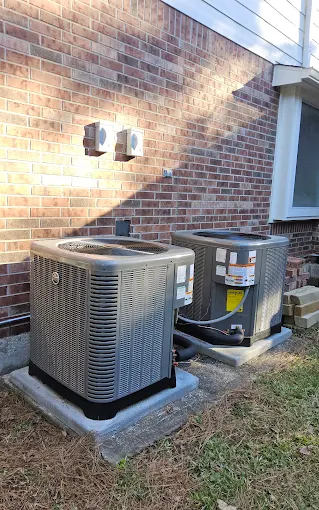
Start outside at the condenser (the big unit in your yard):
- Clear at least 2 feet of space around the unit.
- Gently remove leaves, grass clippings, and debris.
- Visually inspect the refrigerant lines for obvious damage or missing insulation.
Inside, make sure your return vents and supply registers are open and unobstructed by furniture or rugs. Then check your air filter. If you can’t remember the last time you replaced it—or it’s clearly gray—swap it out before that first long cooling cycle.
“Up to 80% of performance issues we see at startup are related to airflow: dirty filters, blocked vents, or duct problems.” — Senior Technician, Conley Cooling and Heating
We recently visited a home off Research Forest where the owners thought they needed air conditioning repair services. Their system was short-cycling and struggling to cool. The problem turned out to be a severely clogged filter and several closed supply vents in bedrooms. Once we restored proper airflow and completed a tune-up, their AC performed like new.
A basic homeowner check helps you catch obvious issues early. If anything looks or sounds “off”—ice on lines, loud grinding, or a burnt smell—pause and schedule a professional inspection before the first heat wave.
Why a Professional Startup Tune-Up Pays Off in The Woodlands
Once your basic checks are done, the most valuable step you can take is a professional preseason tune-up. Our climate is hard on equipment: long run times, high humidity, and pollen-heavy spring air all strain your system.
A thorough tune-up goes far beyond a quick visual check. A trained technician will:
- Measure refrigerant levels and system pressures
- Test electrical components and safety controls
- Clean the outdoor coil and inspect the indoor coil
- Check temperature splits and airflow
- Verify condensate drainage and inspect for microbial growth
This is where partnering with a local expert matters. A crew that understands Woodlands neighborhoods, from older homes near Panther Creek to newer builds in Creekside, knows how different duct designs, attic conditions, and insulation levels affect your system.
One homeowner in Alden Bridge scheduled air conditioning tune-ups after noticing their system ran constantly every spring. We found a partially blocked evaporator coil and a weak capacitor—issues that would likely have led to a mid-summer breakdown. After cleaning and repairs, their runtime dropped, and their next energy bill was nearly 18% lower than the previous May.
Here’s how a “wait and see” approach compares to a planned tune-up:
| Approach | Pros | Cons in The Woodlands Climate |
|---|---|---|
| Run It Until Something Breaks | No upfront service cost | Higher bills, more breakdowns, shorter equipment life |
| Annual Professional Tune-Up | Lower energy use, fewer repairs | Small yearly investment of time and money |
“Preventative maintenance is the single most cost-effective step homeowners can take to protect their comfort and their equipment.” — ACCA Best Practices
If your system is older, or you’ve had frequent issues, a tune-up also gives you honest insight into whether it’s time to start planning for air conditioning installation services before an emergency forces your hand in peak season.
Testing Thermostats and Controls Before the Heat Arrives
Your thermostat is the “brain” of your comfort system. If it’s not calibrated or installed correctly, even a brand-new air conditioner can underperform.
Start your first-cool test by setting your thermostat 3–4 degrees below room temperature. Listen: you should hear the indoor blower start, followed by the outdoor unit within a minute or two. After 10–15 minutes, check a supply vent—air should feel noticeably cooler than the room.
If the system doesn’t respond, short cycles, or overshoots the temperature, you may have a control issue, not a mechanical failure. In many homes across The Woodlands, older thermostats are either poorly located (in direct sunlight, near ovens, or by exterior doors) or simply outdated.
A family in Sterling Ridge called us for “uneven cooling” upstairs. The real culprit? An aging thermostat with failing internal sensors that was misreading the temperature by 4–5 degrees. Upgrading through our thermostat installation services to a modern smart thermostat not only fixed the comfort issue but allowed them to create schedules around their kids’ school and activity times.
Modern controls also matter for energy savings:
| Thermostat Type | Typical Features | Potential Benefit in Our Climate |
|---|---|---|
| Manual / Non-Programmable | Basic temperature set | Often leads to “set it and forget it” waste |
| Programmable | Time-based schedules | 5–10% energy savings if used correctly |
| Smart / Wi-Fi | Learning schedules, remote control, alerts | Greater comfort, optimization, and diagnostics |
A smooth first-cool startup is the perfect time to confirm your thermostat, zoning, and controls are working together as they should—before the hottest days of June and July.
Evaluating System Performance: When Is Repair Enough, and When to Replace?
Once your system has run for a bit, pay attention to how it behaves—not just whether it turns on.
Key questions to ask yourself:
- Does the system run constantly without reaching the set temperature?
- Are there rooms that never seem to cool, no matter how low you set the thermostat?
- Do you hear new noises—rattling, grinding, or loud buzzing?
- Has your energy bill climbed noticeably year over year?
We were called to a home off Kuykendahl where the owners had an older unit that struggled every first-cool season. They’d been relying on residential air conditioner repair almost every summer—capacitors, contactors, refrigerant leaks. After reviewing their last three years of electric bills and repair invoices, it was clear they were spending more trying to keep a failing system alive than they would on a planned replacement.
A good local technician will walk you through a repair-versus-replace discussion that considers:
- Age of the system (10–15+ years is often a tipping point)
- Frequency and cost of recent repairs
- Energy efficiency compared to modern options
- Comfort complaints (humidity, hot spots, noise)
- Your longer-term plans for the home
Sometimes, targeted fixes and duct improvements are enough. Other times, the most responsible recommendation is a new, properly sized system from a trusted central air conditioning installation company.
“Rule of thumb: If a repair costs more than 25–30% of a new system and the unit is over 10 years old, it’s time to seriously consider replacement.” — Residential HVAC Best Practices
For homeowners who want to avoid emergency decisions in peak summer, we often schedule planned professional ac system installation in shoulder seasons, when schedules are more flexible and incentives may be available.
Exploring Modern Cooling Options: Ductless, Heat Pumps, and Beyond
The first heavy cooling run is also when many homeowners realize their current setup isn’t ideal for how they actually live. Maybe the upstairs game room never cools. Maybe you’ve added a home office over the garage. Or maybe you’re tired of high bills from an aging system.
Modern options can solve these issues more elegantly than just “a bigger unit.”
Ductless Mini-Splits for Targeted Comfort
Ductless systems are excellent for:
- Bonus rooms and garages
- Sunrooms and additions
- Rooms with chronic hot/cold problems
We recently installed a system for a homeowner in Creekside who had converted their garage into a home gym. Their main system couldn’t keep up. A ductless mini split installation gave them independent control and efficient cooling without touching the existing ductwork.
Because these units don’t lose energy through ducts in hot attics, energy efficient ductless systems can be a smart complement to your main AC.
Heat Pumps and Dual-Fuel Systems
For many homes in The Woodlands, modern heat pumps can provide both cooling and efficient heating. Paired with a gas furnace in a dual-fuel system, you get the best of both worlds: electric efficiency in mild weather and gas reliability when it’s cold.
A client in Cochran’s Crossing opted for heat pump installation services during a planned replacement. Their new energy efficient heat pump systems reduced their shoulder-season bills and gave them quieter, more even comfort year-round.
These modern options can be considered during a first-cool evaluation, especially if your existing system is nearing the end of its expected life.
Don’t Forget Ductwork and Indoor Air Quality at Startup
Many first-cool complaints—uneven temperatures, dusty air, musty smells—trace back to ducts and indoor air quality, not the equipment itself.
Ductwork: The Hidden Backbone of Comfort
Leaky, poorly designed, or damaged ducts can waste a huge portion of your cooling output. In our area, ducts often run through hot attics, which magnifies any issues.
Common duct-related startup symptoms:
- One or two rooms never cool properly
- Excessive dust on surfaces after the first few runs
- Whistling or rattling noises in the ceiling
We helped a family near Hughes Landing who thought they needed a bigger system. After a careful inspection and hvac duct sealing and repair, their existing unit finally delivered cool air evenly throughout the home. Their comfort issue was a duct issue, not an equipment problem.
For new builds or major renovations, proper hvac ductwork installation contractor support ensures your system is correctly sized and balanced from day one.
Indoor Air Quality and Humidity
Our Gulf-influenced climate means humidity is as much a comfort factor as temperature. At first startup, pay attention to how your home feels, not just the thermostat reading. Sticky air, fogged windows, or that “clammy” feeling can indicate a need for better indoor humidity control solutions.
We often recommend:
- Whole-home dehumidifiers
- Enhanced filtration or hepa air filtration systems
- uv air purification systems for microbial control
- Periodic air duct disinfection services in homes with allergy or asthma concerns
“Healthy air isn’t a luxury in Southeast Texas—it’s part of staying comfortable during long cooling seasons.” — Indoor Air Quality Specialist
First startup is the ideal time to evaluate whether your system is not only cooling, but also supporting cleaner, healthier air for your family.
What This Means for Homeowners in The Woodlands, TX
In a master-planned community like The Woodlands, with a mix of older homes and new high-efficiency builds, there’s no one-size-fits-all approach to seasonal startup. Yet the stakes are similar for everyone: high humidity, long cooling seasons, and rising energy costs.
Local utilities and energy reports consistently show that air conditioning is one of the largest drivers of summer electric bills in our area. A neglected system, undersized ducts, or an outdated thermostat can quietly add hundreds of dollars per year in wasted energy—while still leaving you uncomfortable.
By treating the first-cool season as a checkpoint rather than an afterthought, you:
- Catch small issues before they become major breakdowns
- Gain a clear picture of whether repair or replacement makes more sense
- Improve comfort in hard-to-cool rooms and upstairs spaces
- Make smarter decisions about upgrades like ductless systems or heat pumps
- Protect your indoor air quality during months when windows stay closed
Local context matters too. A contractor who works daily in neighborhoods from Grogan’s Mill to Indian Springs understands the common construction styles, attic conditions, and duct layouts that affect performance. That familiarity helps pinpoint problems faster and recommend solutions that fit how homes here are actually built and lived in.
Ultimately, “first-cool season success” in The Woodlands means your system starts clean, runs efficiently, keeps humidity in check, and gives you confidence that it will carry you through the long, hot stretch ahead.
Frequently Asked Questions
Q: How early should I schedule a preseason AC tune-up in The Woodlands?
A: For our climate, late February through early April is ideal for seasonal heating maintenance services and cooling tune-ups. You’ll beat the rush that happens when the first 90° week hits and everyone flips their systems on at once. Scheduling early gives you more appointment options and time to address any issues we find—whether that’s a simple part replacement or planning for new air conditioner installation near me. If you’ve missed that window, it’s still worth scheduling a tune-up before peak summer; the benefits in efficiency and reliability apply all season long.
Q: My AC turns on, but some rooms stay warm. Is that a startup issue or a bigger problem?
A: Uneven cooling can show up right at first startup, but it usually points to underlying duct or design problems. Common causes include unbalanced ducts, leaks in attic runs, closed or undersized vents, or changes to the home (additions, remodels) that the original system wasn’t designed for. During a service visit, we’ll measure airflow and inspect ductwork; sometimes residential ductwork repair services and balancing solve the issue. In other cases, targeted solutions like mini split ac installation contractor options for problem rooms provide the best long-term fix.
Q: How do I know if I should repair my older system or replace it before summer?
A: We look at age, repair history, performance, and energy use. If your unit is over 10–12 years old, has needed frequent same day ac repair service, and still struggles to keep up—even after maintenance—it may be more cost-effective to replace it. High summer bills compared to neighbors with similar homes can also be a clue. During a startup evaluation, we’ll provide honest numbers: estimated remaining life, repair vs. replacement costs, and projected savings from a modern system installed by a residential ac installation contractor, so you can make an informed decision.
Q: What should I do if my AC fails on the first hot weekend of the year?
A: First, turn the system off at the thermostat to prevent further damage. Check your breaker panel and air filter—if both are fine and the unit still won’t run or is making unusual noises, it’s time for professional help. In The Woodlands, early-season heat waves can overload older systems, so we keep capacity for emergency ac repair near me calls. Our technicians arrive with stocked trucks to handle most common issues on the spot. If we find a major failure, we’ll help you weigh immediate repair versus fast-track replacement through professional ac system installation.
Q: Are ductless mini-splits a good option for my Woodlands home, or should I stick with central AC?
A: Both have their place. Central AC is typically best for whole-home comfort when properly sized and paired with good ducts. However, ductless systems shine in specific situations: rooms over garages, additions, sunrooms, or homes where adding new ductwork is difficult. Many homeowners here choose a hybrid approach—central AC for most of the house plus ductless mini split repair services and installations for problem areas. Because energy efficient ductless systems avoid attic duct losses, they can be very cost-effective for targeted spaces.
Q: How important is humidity control at startup, and can my AC handle it alone?
A: On mild but humid days—common in spring here—your AC may not run long enough to pull out sufficient moisture, even if it’s sized correctly. Over time, that can lead to a “clammy” feeling, musty odors, or even mold concerns. While a properly designed system helps, many Woodlands homeowners benefit from dedicated hvac humidity control systems or whole-home dehumidifiers. During a startup check, we look at both temperature and humidity performance. If your home feels sticky or your thermostat shows high indoor RH, we’ll discuss residential humidity management services that complement your existing equipment.
Q: Do I really need to worry about ducts and air quality if my AC seems to run fine?
A: Even if your system cools, neglected ducts and poor filtration can impact comfort, health, and efficiency. Leaky ducts in a hot attic can pull in dust, insulation fibers, and hot air, forcing your system to work harder. We often recommend periodic inspections and, when needed, antimicrobial duct fogging treatment for homes with allergy sufferers, plus upgrades like whole house air filtration services. Addressing these issues at startup helps your system deliver cleaner, more comfortable air all season.
Ready to Get Started?
The first truly hot week in The Woodlands doesn’t send out a calendar invite. It just arrives—and that’s when underperforming systems, hidden duct issues, and aging components reveal themselves. Preparing now means you’re not scrambling for help when every local local ac repair company is booked solid and the temperature inside your home is climbing.
By scheduling a professional preseason visit, you give yourself options: time to handle minor fixes before they escalate, the opportunity to plan a well-thought-out upgrade if needed, and the peace of mind that your system is ready for long, humid Texas afternoons. Our team at Conley Cooling and Heating focuses on practical, honest recommendations—whether that’s a simple tune-up, targeted duct repairs, or a carefully designed new system.
If you’re in The Woodlands or nearby communities and want your first-cool season to be a non-event—in the best way—reach out today to schedule your checkup or consultation. Your future self, enjoying a comfortably cool home on that first 95° day, will be glad you did.
About Conley Cooling and Heating
Conley Cooling and Heating is a locally owned HVAC company serving The Woodlands, TX, and surrounding areas. Our licensed technicians bring years of hands-on experience with local homes, from older properties to new high-efficiency builds. We specialize in honest diagnostics, quality installations, and long-term comfort solutions tailored to our climate. To learn more about our services and history in the community, visit our homepage.