
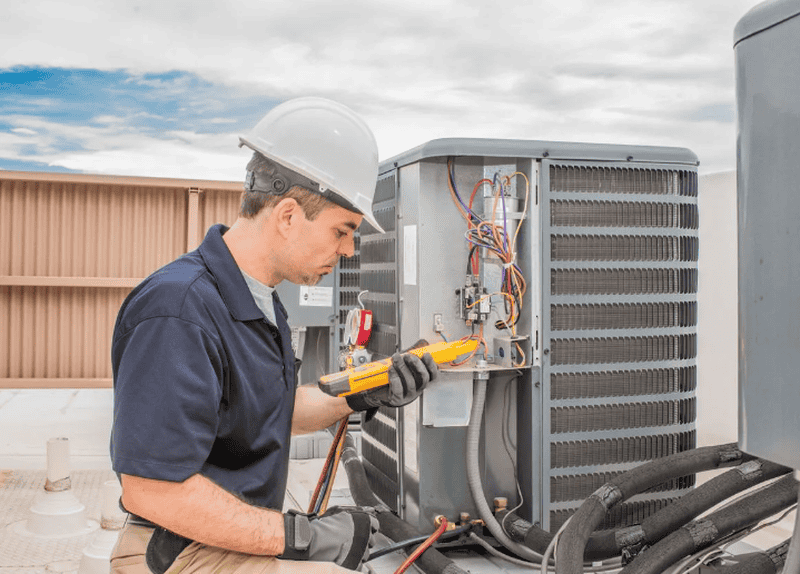
Air Conditioning Service for Safety and Preventing Leaks
If you notice water around vents, damp ceilings, or a musty smell after your AC runs, you are not alone. This guide explains what AC leaks usually mean, what you can check right away, and when it makes sense to call Conley Cooling and Heating in The Woodlands, TX.
Last week, you step into the hallway and see a small wet spot near an air vent. By evening, the area feels clammy, and the air conditioning still seems to run fine. In The Woodlands, TX, where humidity is part of daily life, it is easy to assume “condensation is normal,” but water where it should not be can point to a drainage or airflow issue.
This article helps you understand the difference between normal condensation and conditions that can lead to leaks, moisture damage, or poor indoor comfort. You will also get a clear checklist for what to inspect and a practical decision path for repair versus other options.
- Quick answer
- What to check first
- Main things customers should understand
- Why this matters in The Woodlands, TX
- Common mistakes to avoid
- Customer checklist
- Frequently asked questions
Quick Answer
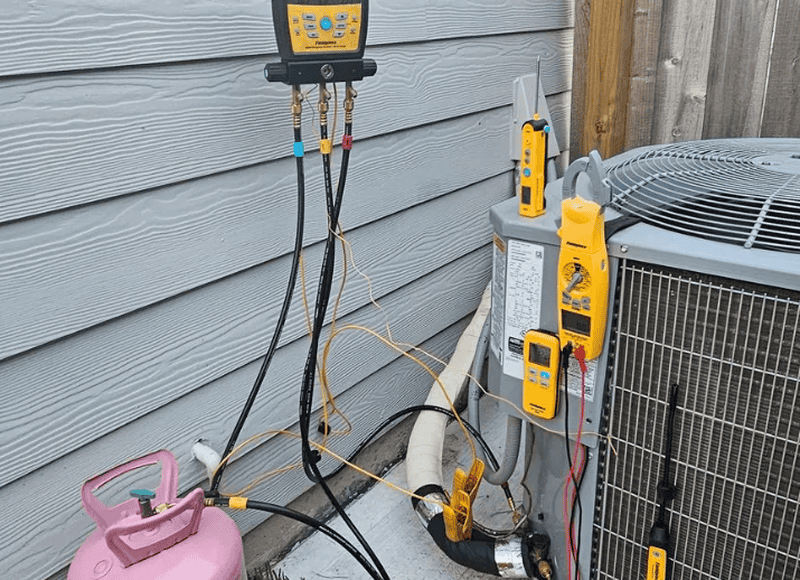
If you see water after the AC runs, start by checking the drain line and the indoor air handler area for standing water, clogs, or blocked condensate pans. If the wet spot is near ceilings or walls, or you notice recurring moisture, freeze-like buildup, or musty odors, schedule AC service. A technician can inspect airflow, condensate drainage, and system operation to find the cause rather than just cleaning up the symptom. For The Woodlands homes, pairing proper air conditioning repair services with preventive tune-ups is often the most reliable way to avoid repeat leaks. If the area is actively wet, contact Conley Cooling and Heating at (936) 444-4534.
What to Check First
Before you call, you can gather useful clues that help the technician diagnose faster. Focus on where the water shows up, when it appears, and whether it correlates with certain AC settings or weather conditions. Small observations can narrow down whether you are dealing with condensate drainage, airflow, or a refrigerant-related problem.
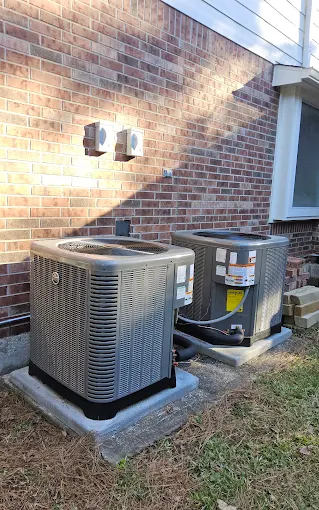
Practical observation: If the water appears after cooling cycles and you can see or hear condensate draining, the issue is often drainage-related. If you also notice icy coil symptoms or reduced airflow, the cause can be different and deserves prompt service.
Here is a simple order of checks that homeowners can do safely:
- Confirm the timing: Does the moisture start only when the AC is running, or does it show up even when the system is off?
- Locate the source area: Check around the indoor air handler, condensate drain line route, and any nearby access panels.
- Look for water path clues: Follow the “wet trail” upward and outward. Water often travels along structural seams.
- Check the thermostat settings: Make sure you are not running the system in a way that causes longer runtimes than expected for your home’s humidity level.
- Inspect for airflow restrictions: Make sure supply vents are open and filters are not heavily clogged.
Main Things Customers Should Understand
In most cases, “AC leaks” in an occupied home are tied to condensation management. Air conditioners remove moisture from indoor air as they cool, and that water must drain properly. When drainage, airflow, or system operation is off, water can end up where you do not want it.
Condensate drainage problems
Clogs, damaged drain lines, improper slope, or a full condensate pan can cause overflow. This is common when moisture production is high or when airflow is restricted.
Restricted airflow
When supply airflow is weak, coils can behave differently, increasing condensation issues. Dirty filters and blocked returns can contribute.
System operation mismatches
Short cycles, incorrect thermostat operation, or equipment that is not tuned to the home can lead to inconsistent moisture control.
If you want to be proactive, it helps to think of AC service as more than a one-time repair. A tune-up often addresses performance and maintenance items that can reduce the chance of recurring moisture problems. You can explore AC tune-ups here: air conditioning tune-ups in The Woodlands.
| What you notice | Likely direction | What a technician typically checks |
|---|---|---|
| Water shows up near the indoor unit or access area | Condensate drainage path | Drain pan condition, drain line routing, blockage or overflow conditions |
| Water appears on ceilings or walls after cooling | Condensation travel or overflow | Where overflow is occurring and how moisture is moving through the home |
| Reduced airflow and dampness during cooling | Airflow restriction | Filter and duct airflow issues, supply/return balance |
| Musty smell plus recurring moisture | Moisture control and maintenance | Indoor air quality factors and humidity management |
| Visible ice or unusual coil behavior | System performance issue | Operational conditions that can affect condensation patterns |
Why This Matters in The Woodlands, TX
In The Woodlands, TX, homeowners often run cooling systems for long stretches because humidity stays high. That means your AC is not only cooling the air, it is continuously removing moisture. When drainage capacity and airflow are balanced, condensate should handle that moisture safely. When something is off, the system can produce water quickly, and even a small drainage restriction can lead to overflow or damp areas.
Local insight: Many Woodlands homes are built with ductwork and indoor unit configurations that work well when the system is maintained. After seasons of heavy use, small issues like clogged drain lines or airflow changes can show up as water near vents and ceilings.
If you are also concerned about humidity control, indoor air quality services can complement standard AC service. For example, humidity control options are available through humidity control services.
Get help identifying the leak source
If you are seeing recurring moisture after your AC runs, Conley Cooling and Heating can help you pinpoint the cause and restore safe, comfortable cooling. Call today to schedule a visit in The Woodlands, TX.
Call Conley Cooling and HeatingCommon Mistakes to Avoid
People often try to solve AC leaks by only cleaning up the visible water. That can help temporarily, but it usually does not address the underlying cause. In humid areas like The Woodlands, TX, moisture issues can return quickly if drainage or airflow problems remain.
- Assuming all water is “normal condensation”: Condensation is expected, but overflow or water near ceilings and walls is not something to ignore.
- Ignoring airflow limits: A clogged filter or restricted return can change how the system manages moisture.
- Waiting too long after the first damp spot: Moisture can spread through materials, making the next round of repairs more complex.
- Covering wet areas instead of investigating: If the underlying cause persists, the moisture problem can keep growing behind surfaces.
- Overcorrecting thermostat settings: Constantly changing settings without diagnosing the moisture source can make cycles longer and increase condensation volume.
Customer Checklist
Use this checklist to document what is happening. When you call Conley Cooling and Heating, these details help us narrow down whether the issue is drainage, airflow, or another performance factor.
- Record when you first noticed water (date and time).
- Note where the water is located (vent, ceiling corner, near indoor unit, around return).
- Check whether the moisture appears during cooling only, or also when the system is off.
- Confirm the filter condition and whether vents and returns are unobstructed.
- Look for signs of standing water near the indoor air handler area.
- Pay attention to any musty odor that shows up along with the dampness.
- Write down your thermostat settings (mode, temperature, and fan operation).
Representative Scenario
A homeowner in The Woodlands, TX reported a small drip near a supply register every evening. The system ran normally, but the damp spot started spreading across drywall paint within a few days. After inspecting the indoor unit area, the technician found a drainage restriction that prevented condensate from clearing as intended during higher humidity periods. The fix restored proper condensate flow, and the homeowner also reviewed airflow and humidity control settings to reduce repeat moisture buildup.
Frequently Asked Questions
Is water from my AC always a sign of a problem?
Not always. Air conditioners commonly produce condensation because they remove moisture from indoor air while cooling. The difference is where the water ends up. Water should drain away through the condensate system, not accumulate around vents, ceilings, or walls. If you see overflow, damp drywall, or recurring wet spots, it typically points to a drainage path issue, airflow restriction, or equipment operation that needs service.
What should I do right away if I see a leak?
Keep the area dry as best you can and document what you see. Note the location, when it appears, and whether it happens only during cooling. If the area is actively wet or the moisture is spreading, do not wait. A technician can inspect the condensate pan and drain line, check airflow conditions, and verify the system is operating correctly for safe moisture removal.
Could a thermostat issue cause AC leaking or moisture problems?
It can contribute indirectly. If thermostat operation leads to extended runtimes, frequent short cycling, or inconsistent indoor conditions, the system may produce more condensation than the drainage path can handle smoothly. In many homes, the thermostat is not the only cause, but confirming settings and how the system responds can help a technician narrow down the real source of the moisture problem.
How do duct problems relate to AC moisture?
Ductwork can affect airflow balance, which changes how the system manages condensation. If airflow is restricted or ducts are not performing as intended, you may see weak cooling, dampness near certain rooms, or comfort issues that appear alongside moisture. If you suspect duct-related concerns, Conley Cooling and Heating can review ductwork service needs, including options like duct repair services.
When would I consider ductless mini splits instead of fixing a central system?
Some homeowners explore ductless mini split installations when their layout or comfort goals do not match a central system’s performance. The key is diagnosis first. If your current issue is a leak tied to condensate drainage, repair may solve the problem. If you are dealing with broader comfort and zoning needs, a ductless approach could be part of the solution. You can review ductless mini split installation to understand how the options compare.
Ready to protect your home from moisture damage?
Conley Cooling and Heating serves The Woodlands, TX and surrounding areas. If you are seeing AC-related water, damp spots, or recurring condensation, schedule service so the cause is addressed, not just the symptom.
Visit Conley Cooling and Heating
Conley Cooling and Heating
Conley Cooling and Heating provides cooling and heating service for homeowners and businesses in The Woodlands, TX and surrounding areas. From air conditioning repair services to installation and maintenance support, our focus is helping customers protect indoor comfort and reduce the risk of moisture-related problems. If you need help with air conditioning installation services, air conditioning repair services, or related indoor air quality solutions, you can reach us at (936) 444-4534 or through our website.