
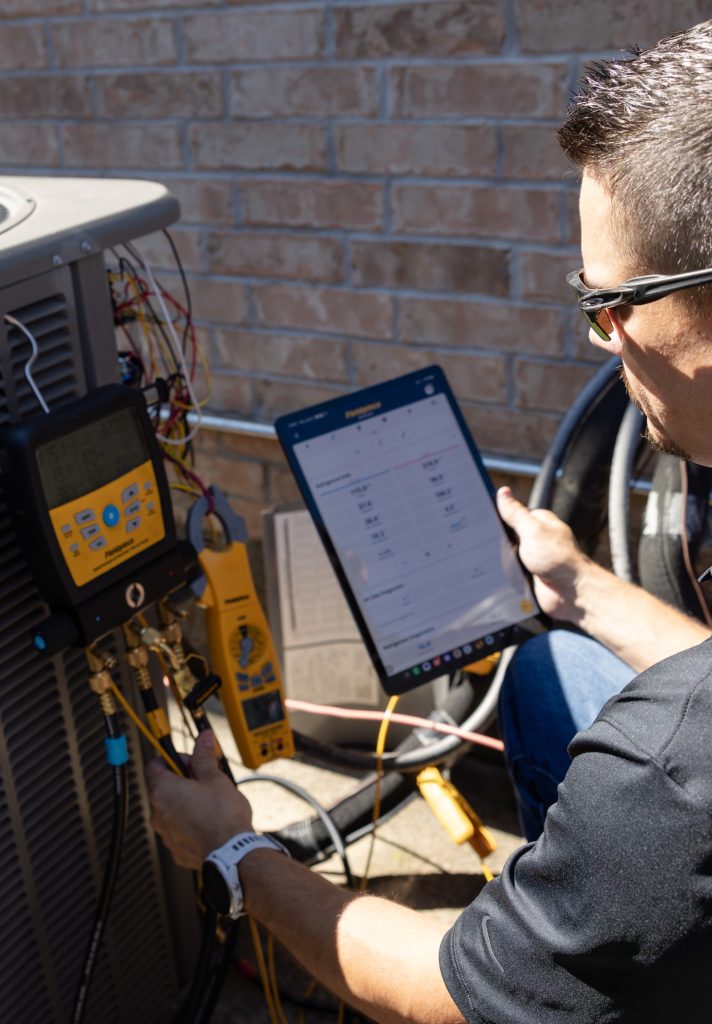
Air Conditioning Safety Tips for Worry-Free Summers
By late May in The Woodlands, it’s not unusual to see afternoon temperatures pushing into the 90s with humidity to match. On days like that, your air conditioner isn’t just about comfort—it’s about health and safety, especially for kids, older adults, and anyone with respiratory issues. But a system that’s running hard all summer also faces more stress, higher electrical demand, and a greater risk of breakdowns or safety issues if it’s not maintained properly.
Nationally, HVAC equipment is involved in thousands of home fires each year, and the U.S. Department of Energy estimates that poorly maintained systems can use 20–30% more energy than necessary. In a community like The Woodlands, where AC runs for much of the year, that’s a serious safety and cost concern.
This guide walks you through practical, real-world air conditioning safety tips—rooted in local experience—to help you enjoy a worry-free summer. You’ll learn what you can safely check yourself, when to call a professional, and how to lower risks while keeping your home cool and comfortable.
Key Insight: A safe air conditioning system is a maintained, monitored system. Small, routine steps—combined with professional care—dramatically reduce breakdowns, fire risk, and health hazards during our Texas summers.
Electrical Safety: The First Line of Defense in a Texas Summer
Every safe air conditioning system starts with safe electricity. Your AC is one of the largest power consumers in your home, and during peak summer in The Woodlands, it can run for 10–14 hours a day. That continuous load exposes any weak electrical connection, undersized breaker, or aging component.
What to Watch for Around Your System
You don’t need to be an electrician to spot possible trouble:
- Warm or discolored outlets near window units
- A breaker that trips more than once in a season
- Flickering lights when the AC cycles on
- A faint burning or “hot plastic” smell near the indoor unit or breaker panel
If you notice any of these, it’s time to shut the system down and call a professional. A licensed technician can confirm if the problem lies in the AC equipment itself or the home’s electrical system.
“Any repeated breaker trip is a safety signal, not an inconvenience to ignore.” — Senior Technician, Conley Cooling and Heating
A Local Example
Last August, a homeowner in The Woodlands called us for what they thought was a simple cooling issue. Their unit would start, run for a few minutes, then shut off. The breaker had tripped three times that week. They kept resetting it.
Our technician found a failing compressor relay that was overloading the circuit. Left unchecked, it could have overheated the wiring and led to a serious hazard. A relatively simple repair and inspection of the disconnect box turned a potential emergency into a same-day fix.
How Professional Installation Helps Prevent Electrical Issues
Improperly sized wiring or breakers is a common problem when systems are installed by unqualified contractors or as DIY projects. A licensed team ensures:
- Correct breaker size and wire gauge for the system
- Properly installed disconnects near the outdoor unit
- Secure, code-compliant connections
If you’re considering a new system, choosing a professional ac system installation provider helps protect both your comfort and your safety.
Filters, Airflow, and Fire Safety: Small Parts, Big Impact
It’s easy to think of filters and vents as comfort issues, but they’re also tied to safety. Restricted airflow makes your AC work harder, run hotter, and draw more current—especially dangerous during high-demand days in The Woodlands when the grid is already under stress.
Why Dirty Filters Are More Than a Nuisance
A clogged filter:
- Forces the blower motor to work harder, increasing heat and wear
- Can cause coils to freeze, leading to water overflow and potential ceiling or wall damage
- Contributes to poor indoor air quality, aggravating asthma and allergies
In extreme cases, a severely restricted system can overheat motors and components, increasing the risk of electrical failure.
Most homes in our area need filter changes every 30–60 days in summer, especially if:
- You have pets
- Someone in the home has allergies
- You’re near construction or heavy pollen
Real-World Case: The “Dust Blanket” System
We recently serviced a townhome in The Woodlands where the AC had started making a high-pitched noise and occasionally shutting off. The filter hadn’t been changed in over six months. The blower motor was caked with dust, and the evaporator coil was nearly blocked.
The system was overheating and triggering internal safeties. We cleaned the components, replaced the filter, and recommended a maintenance plan. A relatively low-cost air conditioning tune-up prevented an expensive motor replacement—and removed a serious strain on the electrical system.
Don’t Block the Breathing of Your System
Beyond filters, make sure:
- Supply and return vents are not blocked by furniture, curtains, or rugs
- The area around your indoor unit has at least a few feet of clearance
- The outdoor unit has 2–3 feet of open space on all sides
Outdoor Units, Heat, and Storm Safety in The Woodlands
Your outdoor condenser unit faces the harshest conditions: heat, humidity, storms, and debris. Protecting it is a key part of keeping your system safe and reliable.
Heat and Overload Protection
On extremely hot days, your outdoor unit works at its limits. All modern systems have built-in safeties, but they’re not foolproof if neglected. Common risks:
- Overheated compressors from dirty coils
- Fan motors failing under heavy load
- Loose connections expanding and contracting with heat cycles
A seasonal air conditioning repair services visit or tune-up includes cleaning coils, checking refrigerant levels, and testing safeties. That’s not just about cooling efficiency—those steps help ensure the unit can safely endure our longest heat waves.
Storms, Flooding, and Debris
The Woodlands sees its share of severe thunderstorms and tropical systems. After a major storm:
- Inspect the area around your outdoor unit for branches, leaves, or damage.
- If water has risen above the base of the unit, do not turn it back on until it’s inspected.
- Look for any signs of impact damage from flying debris.
One local family called us after a summer storm when their system started making a grinding noise. A small branch had been pulled into the fan blade, bending it and causing strain on the motor. We replaced the fan and checked for additional damage, preventing a motor burnout or electrical short.
Traditional vs. Modern Outdoor Protection
| Aspect | Older/Neglected Systems | Modern & Maintained Systems |
|---|---|---|
| Coil cleanliness | Often clogged, poor heat transfer | Clean coils, better cooling, less strain |
| Storm readiness | No surge protection, loose debris nearby | Surge protection, clear perimeter |
| Electrical connections | Corroded or loose | Inspected and tightened annually |
| Overload protection response | May trip or fail unexpectedly | Tested during tune-ups, predictable performance |
| Expected summer lifespan | Shortened by 3–5 years due to stress | Full expected lifespan, often extended with care |
Thermostats, Settings, and Smart Safety
Thermostats do more than set the temperature; they control how hard and how often your system runs. Poor settings can overwork equipment, drive up bills, and increase the chance of failure on the hottest days.
Safe and Smart Temperature Ranges
For most homes in The Woodlands, safe and efficient summer settings are:
- 74–78°F when you’re home and awake
- 78–82°F when you’re away for the day
- No more than a 5–7 degree change at a time for older systems
Cranking the thermostat down to 65°F doesn’t cool your home faster; it just forces the system to run longer and harder, increasing wear and potential overheating.
Benefits of Smart Thermostats for Safety
A well-installed smart thermostat can:
- Monitor system performance and flag unusual run times
- Send alerts if your home temperature rises unexpectedly (useful if you’re traveling)
- Reduce strain by automatically managing temperature setbacks
We installed a smart thermostat installation company solution for a family that travels frequently. One summer, they received an alert that their home temperature had climbed to 82°F while the system was calling for 75°F. They contacted us, and we discovered a failing capacitor. Because they caught it early, we repaired the system before it fully failed—and before indoor temperatures became unsafe for their pets.
“Smart controls don’t just add convenience; they add another layer of safety monitoring for your home.” — Lead Installer, Conley Cooling and Heating
If your thermostat is older, inaccurate, or poorly located (like in direct sun), consider a professional thermostat installation services visit. Correct placement and wiring are essential to safe, reliable operation.
Indoor Air Quality, Health, and AC Safety
Comfort and safety aren’t just about temperature. In a humid, heavily treed area like The Woodlands, indoor air quality plays a big role in health—especially when doors and windows stay closed for months.
How Your AC Interacts with Air Quality
Your air conditioning system constantly circulates air. If that air carries dust, mold spores, or other contaminants, they can spread through every room. Common indoor air concerns include:
- Mold growth in ducts or on coils from persistent moisture
- High humidity leading to musty odors and structural damage
- Fine particles aggravating allergies or asthma
We’ve seen homes where a minor condensate drain clog went unnoticed. Water pooled in the drain pan, humidity rose, and mold started forming around vents. The homeowners first noticed a persistent smell and increased allergy symptoms.
Solutions That Support Both Health and Safety
Professional indoor air quality solutions can include:
- Air purification system installation to neutralize bacteria, viruses, and VOCs
- Whole home air purification services integrated with your existing HVAC
- Humidity control services to maintain ideal indoor humidity (around 40–50%)
- Duct fogging services to disinfect ducts and reduce microbial growth
In one Woodlands home with recurring respiratory issues, we combined a coil cleaning, drain line flush, and hvac duct sanitizing and fogging treatment. We also added a whole-house dehumidifier. Within weeks, the musty smell disappeared, and the family reported fewer allergy flare-ups.
Professional Maintenance vs. Reactive Repairs: Safety and Cost in Perspective
Many homeowners call only when something breaks. But in a climate like ours, that reactive approach can be more expensive—and less safe—than a planned maintenance strategy.
Cost/Benefit Comparison for The Woodlands
| Approach | Typical Scenario in The Woodlands | Safety & Cost Impact |
|---|---|---|
| Reactive “fix it when it fails” | System runs hard all summer, fails on a 98°F day | Higher emergency costs, risk of unsafe indoor temps |
| Annual professional tune-up | Spring check, cleaning, and testing before peak heat | Lower breakdown risk, safer, more predictable bills |
| DIY only | Filter changes, no professional checks | Some benefit, but hidden issues often go unnoticed |
| Maintenance + smart controls | Tune-ups plus smart thermostat monitoring | Early warnings, maximum safety and efficiency |
What a Professional Tune-Up Really Covers
A thorough air conditioning tune-ups visit typically includes:
- Electrical safety checks and tightening connections
- Verifying refrigerant levels and checking for leaks
- Cleaning coils for better heat transfer and lower strain
- Testing safety controls and capacitors
- Clearing the condensate drain to prevent overflows and mold
One Woodlands homeowner on a maintenance plan avoided a major midsummer breakdown when our technician spotted a bulging capacitor during a routine spring visit. A part that costs relatively little to replace could have caused a full system shutdown—or worse, damaged the compressor—if left in place.
“Most serious AC failures start as small, inexpensive issues months earlier.” — Service Manager, Conley Cooling and Heating
What This Means for Businesses in The Woodlands
While much of this advice applies to homes, commercial properties in The Woodlands face even higher stakes. A failed system in a retail space, restaurant, or office doesn’t just mean discomfort—it can lead to lost revenue, product spoilage, or even temporary closure.
Local businesses often rely on rooftop units and larger systems that run nearly nonstop during summer. Those systems need structured commercial ac services and, for winter reliability, coordinated commercial heating services as well.
Key considerations for businesses include:
- Regular inspections to reduce the chance of system failures during business hours
- Proper sizing and zoning to avoid overloading any single unit
- Emergency response plans with a trusted commercial ac repair company
- Indoor air quality strategies to protect employee and customer health
A small office park in The Woodlands we service implemented a semi-annual maintenance plan for their rooftop units. Before that, they faced at least one major mid-summer breakdown every year. Since adopting a structured plan, they’ve gone three summers without an emergency call, and their tenants report more consistent comfort.
Investing in professional care isn’t just a maintenance line item—it’s part of your risk management strategy. For both homes and businesses, safety, comfort, and operational continuity all depend on a well-maintained, properly monitored HVAC system.
Frequently Asked Questions
Q: How often should I have my AC professionally inspected for safety in The Woodlands?
A: For our climate, once a year is the bare minimum, and many homeowners benefit from twice-yearly checks—once in spring for cooling and once in fall for heating. A spring visit allows a technician to test electrical components, clean coils, verify refrigerant levels, and clear condensate drains before the system is under peak stress. If you use a heat pump, a combined heat pump installation services and maintenance plan ensures both heating and cooling modes are safe and efficient. Regular inspections reduce surprise breakdowns and catch small issues before they turn into larger, more expensive problems.
Q: Is it safe to run my AC if it’s making unusual noises or smells?
A: No. Unusual noises—grinding, screeching, loud banging—or smells like burning, melting plastic, or strong chemicals are clear warning signs. Running the system anyway can damage components or create safety risks. For example, a burning smell may indicate an electrical problem, while a sweet chemical odor could suggest a refrigerant leak. In those cases, shut the system off at the thermostat and contact a trusted local ac repair company for a prompt inspection. Waiting can turn a minor repair into a major failure, especially during high-demand summer days in The Woodlands.
Q: What can I safely do myself, and what should always be left to a professional?
A: Homeowners can and should handle basic tasks like changing filters regularly, keeping supply and return vents clear, and gently clearing leaves and debris around the outdoor unit. You can also check your thermostat settings and verify that your condensate drain line is not visibly clogged. Anything involving refrigerant, internal electrical components, or disassembly of major parts should be left to a trained technician. Tasks like coil cleaning, capacitor replacement, and hvac ductwork installation contractor services require proper tools, training, and licensing to be done safely and to code.
Q: Are ductless mini-split systems safer or more reliable than central AC?
A: Both can be very safe and reliable when properly installed and maintained. Ductless systems avoid some issues associated with leaky or contaminated ductwork and can provide excellent efficiency, especially in additions or rooms that are hard to cool. A professional ductless mini split installation ensures correct electrical connections, line set routing, and condensate management. For many homes in The Woodlands, mini-splits offer flexible, zoned cooling and can be a safer option than using multiple window units, which often rely on overloaded outlets and extension cords.
Q: How does humidity affect AC safety and performance here in The Woodlands?
A: High humidity makes your home feel warmer and forces your AC to work harder to remove moisture. If your system can’t keep up—due to size, condition, or design—you may see condensation on windows, musty odors, or even mold growth. These conditions can affect both health and the building’s structure. Adding whole home dehumidifier installation or other indoor humidity control solutions can reduce strain on your AC, improve comfort at higher thermostat settings, and lower the risk of moisture-related damage or air quality issues.
Q: Is it worth upgrading my old furnace or heater for safety reasons, even if it still runs?
A: If your furnace or heater is over 15 years old, the answer is often yes. Older systems may lack modern safety features, can develop cracks in heat exchangers, and are generally less efficient. A professional evaluation can identify whether your current equipment poses any safety risks. Many homeowners in The Woodlands choose furnace and heating system installation or high efficiency furnace systems not just for energy savings but for peace of mind. Newer systems come with improved safeties, better combustion control, and more reliable performance during our occasional cold snaps.
Q: How do I know if my ducts are affecting safety or performance?
A: Warning signs include rooms that are consistently hotter or colder than others, visible gaps or disconnected ducts in the attic, high dust levels, or whistling sounds when the system runs. Leaky or damaged ducts can pull hot, dusty attic air into your home, overwork your system, and worsen indoor air quality. In some cases, they can also create negative pressure issues that affect combustion appliances. A professional duct repair services or residential ductwork repair services visit can test for leaks, seal problem areas, and ensure your system is distributing air safely and efficiently.
Ready to Get Started?
The hottest days in The Woodlands rarely give you a warning before they arrive. The safest, most comfortable homes and businesses are the ones that prepare in advance—with clean, inspected systems ready to handle the load. Waiting until your AC struggles or fails on a 98°F afternoon means more stress, higher repair costs, and riskier indoor conditions, especially for vulnerable family members or customers.
Now is the ideal time to schedule a safety-focused system check, discuss options like smart thermostats or improved filtration, or explore upgrades such as energy-efficient heat pumps or ductless systems where they make sense. Whether you need routine maintenance, targeted repairs, or a completely new system, Conley Cooling and Heating offers local expertise tailored to the specific demands of The Woodlands climate.
Take a proactive step toward a safer, more reliable summer. Our team can help you prioritize what matters most for your home or business—and put a clear, affordable plan in place before the next heat wave hits.
About Conley Cooling and Heating
Conley Cooling and Heating is a locally trusted HVAC company serving The Woodlands and surrounding communities. Our licensed technicians specialize in residential and commercial comfort systems, from central AC and heat pumps to indoor air quality and ductwork. With years of hands-on experience in Texas heat and humidity, we focus on safety, reliability, and honest recommendations that fit your needs and budget. Learn more about our services and local commitment at our website.