
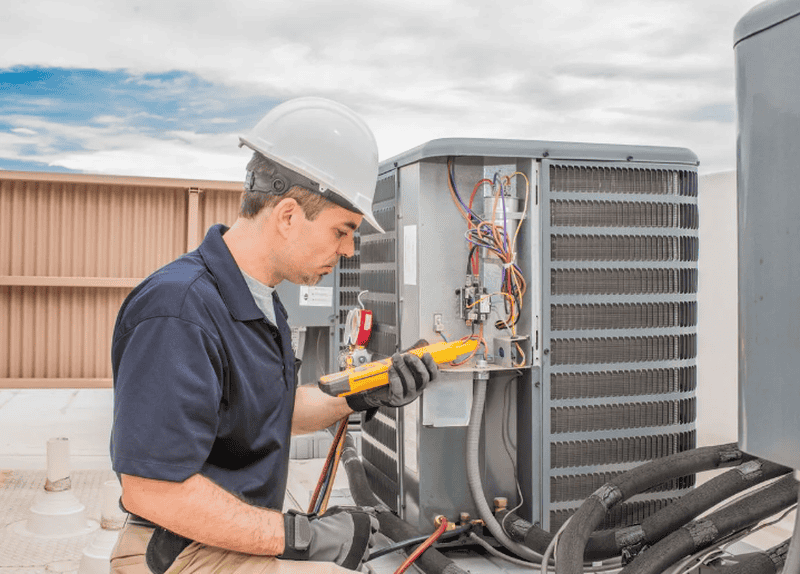
Air Conditioning Repair Near Me for Sudden Warmth
If your AC starts blowing warm air, the comfort problem can feel immediate, especially in The Woodlands, TX. This guide walks you through the most common causes, what you can check safely right away, and when it is time to call for air conditioning repair services.
You set the thermostat, the system clicks on, and the air coming out feels warmer instead of cooler. In The Woodlands, that usually does not last long before you notice the humidity building and rooms not cooling the way they should.
Sudden warmth can come from something simple, like thermostat settings or airflow issues, but it can also point to a refrigerant, electrical, or component problem. Below, you will learn how to narrow down the cause and what to expect when you contact a local ac repair company.
- Quick answer
- What to check first
- Main things customers should understand
- Why this matters in The Woodlands, TX
- Common mistakes to avoid
- Customer checklist
- Frequently asked questions
Quick Answer
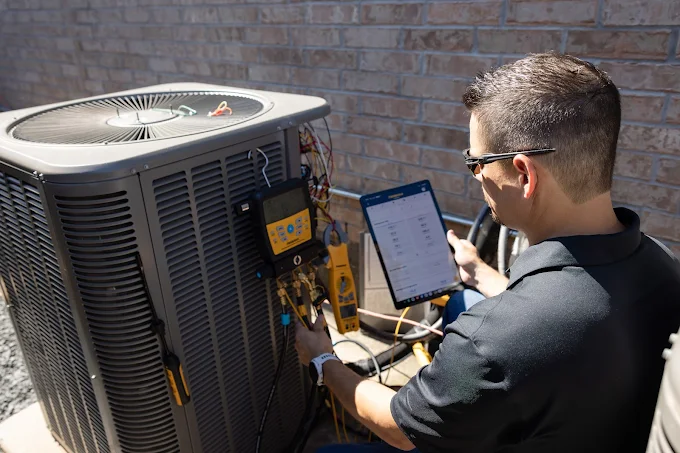
If your AC suddenly blows warm air, start by checking the thermostat mode and setpoint, then confirm the outdoor unit is running and that indoor vents are not blocked. If the system runs but air stays warm, or if you notice short cycling, unusual noises, or a strong odor, it is usually a sign of a component or airflow problem that needs professional diagnosis. For The Woodlands, TX homes, humidity and ductwork airflow issues can make the problem feel worse fast. Contact Conley Cooling and Heating for air conditioning repair services so the root cause is found, not just the symptom.
What to Check First
Before you call, you can do a few quick checks that help you avoid guessing. These steps are also useful when you describe the issue to a technician, because they narrow down whether the problem is more likely electrical, airflow, or control-related.
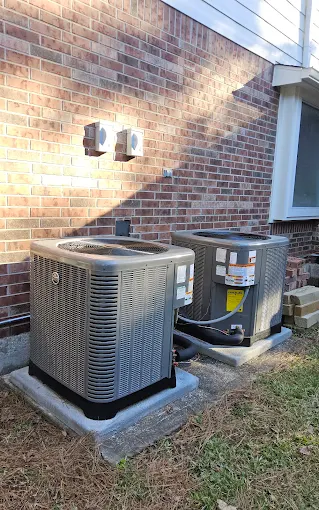
Professional observation: In many warm-air calls, the system is “running” but not moving the right amount of air or not cooling the right way. That often traces back to airflow restrictions, thermostat/control settings, or a failing component that only shows up under load.
- Confirm thermostat settings. Make sure you are in Cool mode, the temperature setpoint is below the current room temperature, and any scheduling or “hold” feature is not overriding the call for cooling.
- Check for air handler fan operation. If your thermostat shows the system should be cooling but the indoor fan does not respond, it points toward a control or electrical issue.
- Look at the outdoor unit behavior. When cooling is called, the outdoor unit should normally start and run. If it does not run at all, the issue is often electrical, a safety control, or a failure preventing operation.
- Verify airflow path. Check for closed vents, blocked returns, or furniture or rugs that may be restricting airflow. In homes with ductwork issues, restricted airflow can make supply air feel warm even when cooling is attempted.
If these checks do not restore cooling, the next step is to have the system evaluated. Refrigerant-related problems, capacitor issues, compressor faults, and airflow restrictions usually require proper testing and safe handling.
Main Things Customers Should Understand
Sudden warmth is not always one single cause, but most scenarios fall into a few predictable categories. Understanding these categories helps you communicate clearly and helps you avoid unnecessary parts swapping.
| What you notice | Most likely category | Why it matters |
|---|---|---|
| Outdoor unit runs, indoor air feels warm | Cooling performance or refrigerant/coil issue | Even with power to the system, the indoor coil may not be removing heat effectively. |
| Indoor fan runs, but cooling effect is weak | Airflow restriction, filter/return issue, or ductwork problem | Low airflow can prevent the system from achieving the temperature drop you expect. |
| Short cycling or system turns on then off quickly | Safety controls, electrical component, or airflow-related protection | Frequent cycling can worsen performance and may indicate a fault that needs attention. |
| Thermostat shows cooling, but nothing happens | Controls, wiring, or equipment safety | When cooling does not start, the issue is often before the refrigeration cycle begins. |
| Warm air plus humidity discomfort | Cooling capacity or indoor airflow mismatch | In humid conditions, comfort problems often show up fast even if the temperature change seems small. |
Once a technician evaluates the system, they can determine whether the fix is a repair, a tune-up, thermostat-related correction, or an airflow/ductwork correction. If your system struggles to cool efficiently, it may also be worth discussing related comfort improvements like indoor air quality solutions such as humidity control.
Why This Matters in The Woodlands, TX
In The Woodlands, TX, the heat and humidity can make a failing AC feel worse than it would in a drier climate. When airflow is restricted or cooling capacity drops, the indoor humidity may stay higher, and you will feel it on the skin even before the temperature becomes unbearable.
Another local factor is the variety of home styles and duct configurations found across The Woodlands area. Some homes have duct runs that are more sensitive to airflow changes, and when a system starts underperforming, warm air can appear suddenly as the system can no longer keep up. That is why proper diagnostics and accurate airflow evaluation are so important.
Get your system checked before the problem spreads
If your AC is blowing warm air and you cannot find an obvious thermostat or blockage issue, a professional inspection helps pinpoint the cause quickly and accurately.
Contact Conley Cooling and HeatingCommon Mistakes to Avoid
When AC problems hit, it is normal to try troubleshooting fast. The risk is that a few common moves can delay the real repair or even make the situation worse.
- Leaving the thermostat in the wrong mode. Switching between Cool, Heat, or Off can make it seem like the system is failing even when the control is the issue.
- Ignoring restricted airflow. A dirty filter or blocked return can reduce cooling performance dramatically, especially in humid conditions.
- Continuing to run the system when it is clearly malfunctioning. If you notice repeated short cycling, unusual smells, or the outdoor unit not operating properly, prolonged operation can increase stress on components.
- Assuming every warm-air problem is a “thermostat problem.” Thermostat issues can happen, but refrigerant, coil, electrical components, and airflow problems are common too.
- Overlooking ductwork airflow. If your home has duct problems, the AC may run but still deliver warm air. In that case, duct evaluation matters, not just temperature adjustments.
Customer Checklist
This checklist is designed for homeowners and property managers who need to document what they see. It helps technicians diagnose faster and helps you decide what to do next.
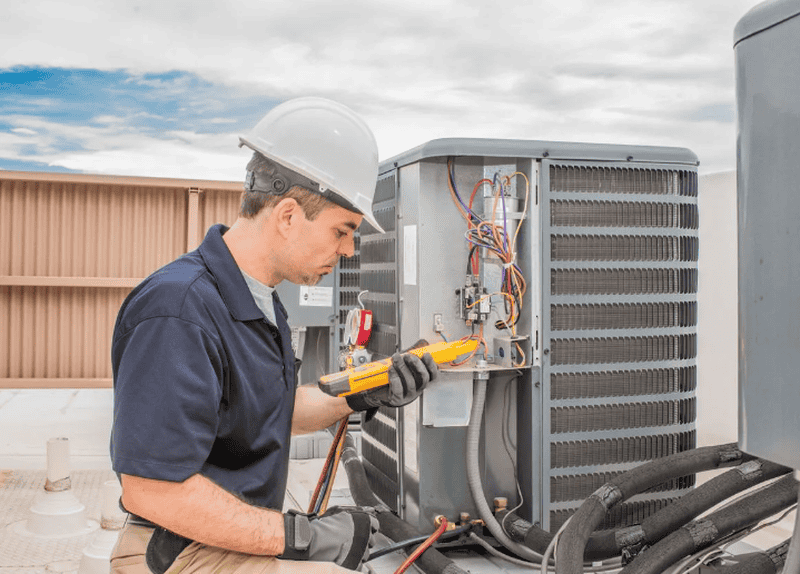
- Confirm thermostat is set to Cool and the setpoint is below the room temperature.
- Check indoor fan response: does the blower run when cooling is called?
- Check outdoor unit behavior: does it start when cooling is requested?
- Inspect vents and returns for obstructions (closed vents, blocked returns, furniture/rugs).
- Note timing: does the system cool briefly then stop, or is warmth constant?
- Listen for unusual sounds (banging, grinding, rattling) and note whether they occur during startup.
- Observe any visible signs around the equipment area (anything that looks out of place).
- Write down what changed right before the issue started (recent thermostat changes, filter replacement, or weather events).
Representative Scenario
A homeowner in The Woodlands, TX set the thermostat to cool the house in the afternoon. The system turned on, but within minutes the air coming from the vents felt warm and the rooms did not drop in temperature. The homeowner checked the thermostat mode and setpoint and confirmed the indoor fan was running. The outdoor unit also appeared to start, but cooling performance was inconsistent.
Based on those observations, a technician would typically focus on cooling performance and airflow paths. That can involve checking the indoor coil and components involved in heat removal, and verifying that airflow is adequate through the system. If ductwork airflow is restricting performance, addressing ductwork repair services can restore comfort and reduce the chance of repeated warm-air cycles.
Frequently Asked Questions
Here are answers to common questions homeowners and business owners ask when AC repair starts with sudden warmth.
Why is my AC blowing warm air even though it turns on?
Warm air while the system runs often points to a cooling performance problem or an airflow limitation. The outdoor unit may be operating, but the system might not be removing heat effectively from the indoor coil, or the air delivery may be restricted. In humid climates like The Woodlands, TX, the comfort issue can show up quickly. A technician can confirm whether airflow is correct, whether the system is cooling as expected, and whether any electrical or control components are preventing full operation.
What can I check at home before calling for air conditioning repair?
Start with thermostat settings: confirm the system is in Cool mode and the setpoint is below the room temperature. Next, check whether the indoor fan runs when cooling is called. Then look for outdoor unit operation. Finally, inspect vents and returns for blockage or closed registers. If the system runs but still delivers warm air, or if it short cycles, it is usually time for professional diagnosis rather than repeated thermostat adjustments.
Could ductwork issues cause my AC to feel warm?
Yes. If ductwork problems reduce airflow to the right rooms or reduce total circulation, the AC can run without delivering the cooling effect you expect. That can feel like warm air even when the system is attempting to cool. In some cases, duct repair services or duct installation services become part of restoring comfort. If you notice certain rooms are always warmer or airflow seems weak, it is worth having the system evaluated for proper air distribution.
Is a thermostat issue a common cause of sudden warmth?
Thermostat-related issues can happen, especially if the mode or settings were changed accidentally or if the thermostat is not calling for cooling correctly. However, thermostat problems are only one piece of the puzzle. Many warm-air calls trace back to cooling performance, airflow restrictions, or component faults. A technician can verify thermostat operation and then move through the system to identify what is preventing the AC from meeting the temperature demand.
How do I choose an air conditioning repair service near The Woodlands, TX?
Choose a local provider that can diagnose the system rather than guessing. Look for clear service focus such as air conditioning repair services and ask how they will approach airflow and cooling performance checks. If your home has ductwork or comfort-related concerns, providers who also handle duct work and indoor air quality solutions can be helpful. Conley Cooling and Heating serves The Woodlands, TX and nearby areas and can help you get clarity on the cause.

About Conley Cooling and Heating
Conley Cooling and Heating is a cooling and heating company serving The Woodlands, TX and surrounding areas. Our focus is helping homeowners and businesses restore comfort by diagnosing what is actually happening in the system, whether the need is air conditioning tune-ups, repairs, duct-related fixes, or other comfort solutions. If your AC is blowing warm air, we can help you sort out the cause and choose the most practical next step for your home.
Considering a new air conditioner installation near me? We can also discuss professional ac system installation options when replacement makes more sense than repeated repairs.
Ready to get your AC back to cooling?
When your system starts blowing warm air, quick, accurate diagnosis is the difference between guessing and fixing. Call Conley Cooling and Heating to evaluate your cooling performance and airflow in The Woodlands, TX.
(936) 444-4534