
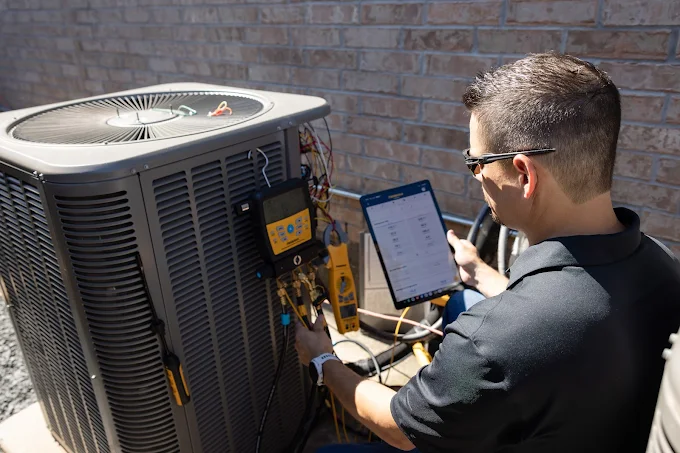
If your AC runs but the house never feels truly cool, the cause is usually something practical you can identify early. This guide breaks down the most common reasons air conditioners struggle, what to check first, and when it is time to call Conley Cooling and Heating in The Woodlands, TX.
Last summer in The Woodlands, you expect the AC to keep up once the thermostat calls for cooling. But you notice the air coming out of the vents feels lukewarm, or the temperature drops for a little while and then stalls.
Before you assume the whole system is failing, it helps to understand the most common failure points. This guide will help you pinpoint likely causes, avoid a few common missteps, and know what to ask for when you schedule service with a local HVAC team.
- Quick answer
- What to check first
- Main things customers should understand
- Why this matters in The Woodlands, TX
- Common mistakes to avoid
- Customer checklist
- Frequently asked questions
Quick Answer
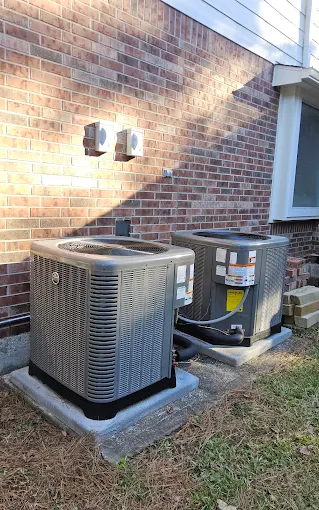
If your air conditioner is running but not cooling properly, the most common causes are airflow problems (dirty filter or blocked vents), thermostat or control issues, low refrigerant or a system imbalance, or a failing capacitor/part that prevents the system from cycling correctly. Start with the basics: confirm the thermostat is set to COOL and the fan setting is correct, check the air filter, and make sure registers are open and unobstructed. If airflow and settings are fine, the next step is a professional diagnostic, since refrigerant and component issues require proper tools and safe testing. For The Woodlands homes, airflow and duct-related problems are especially common.
What to Check First
Before calling for service, do a quick, safe walkthrough. You are looking for obvious causes that can mimic a “bad AC” even when the unit itself is mostly okay.
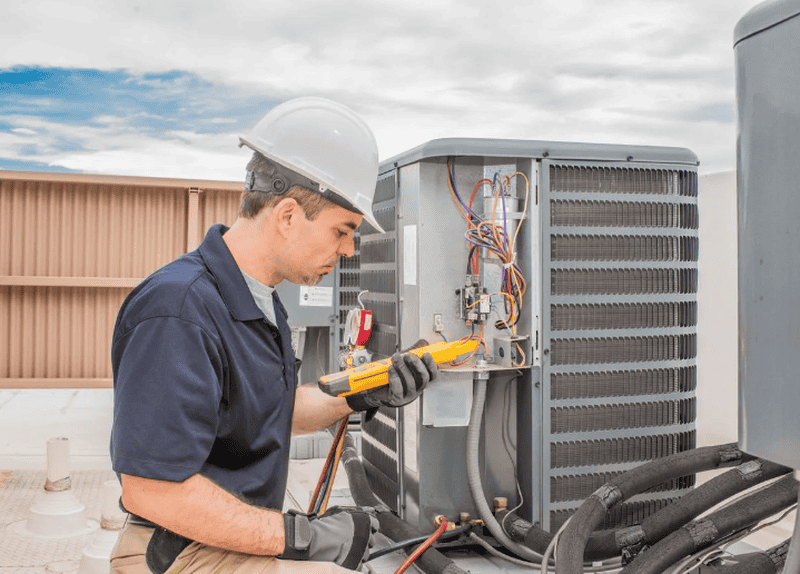
Professional observation: In many The Woodlands homes, “not cooling” complaints turn into “airflow is restricted” or “controls are not calling for the right mode” after a careful check of filters, registers, and thermostat settings.
Here are the most useful first checks:
- Thermostat settings: Confirm the system mode is set to COOL (not HEAT), and check whether the fan is set to ON or AUTO. A wrong fan setting can change how the system runs.
- Air filter condition: If the filter is clogged or very dirty, the system can run longer without pulling enough heat out of the home.
- Blocked or closed vents: Make sure return air pathways are unobstructed. Closed doors, furniture, or rugs over vents can reduce airflow.
- Airflow consistency: If some rooms are much warmer than others, it often points to ductwork or airflow distribution rather than only the outdoor unit.
- Basic operation: Notice whether the outdoor unit starts when cooling is called for, and whether indoor airflow feels weak.
If these checks do not explain what you are seeing, it is usually time to move from “home checks” to a full system diagnosis.
Main Things Customers Should Understand
When an AC does not cool properly, the challenge is that multiple issues can create similar symptoms. The key is separating airflow problems from control issues from system performance problems.
| What you notice | Common cause category | What a technician will typically verify | Best next step |
|---|---|---|---|
| Air is weak from vents or airflow feels restricted | Airflow restriction | Filter and return airflow, duct condition, and whether the blower is moving enough air | Inspect ductwork and system airflow, then correct restrictions |
| System runs, but cooling feels delayed or inconsistent | Thermostat/control or cycling issue | Mode and control signals, thermostat operation, and whether the system is responding correctly | Have controls tested and corrected |
| Outdoor unit starts but indoor cooling is still weak | Performance or balance issue | Refrigerant-related performance indicators and key operating measurements | Schedule a professional diagnostic |
| Some rooms are much warmer than others | Duct distribution or zoning imbalance | Airflow distribution across ducts and any multi-zone behavior | Evaluate ductwork and system setup for balanced comfort |
| System short cycles (starts, then stops quickly) | Component or protection response | Key components that influence safe operation and stable cycling | Get the unit inspected before the issue worsens |
One firsthand-style detail we see often: homeowners will say the AC “turns on” but the house does not feel like it is dropping in temperature. In practice, that frequently means the unit is either not moving enough air across the cooling coil, or the system is not operating at the conditions needed for effective cooling. Ductwork problems, thermostat setup, and failing parts can all produce that “it runs but it does not cool” feeling.
If you are troubleshooting and you suspect duct issues, you may want to review duct repair services as a starting point, especially when comfort is uneven across rooms.
Why This Matters in The Woodlands, TX
In The Woodlands, TX, humidity and long cooling seasons put real strain on air conditioning systems. Even if your unit is technically “working,” restricted airflow and comfort imbalance can show up as warm spots, slow recovery after the sun hits the house, and rooms that never feel as comfortable as the rest.
Many local homes also have layouts where a supply vent in one area is not matched by return airflow in another. When the system cannot pull and circulate air efficiently, it may run more often, yet still struggle to remove heat effectively. That is why a proper diagnosis includes more than turning the thermostat up and waiting.
If your system uses ducts and you suspect airflow problems, it can be helpful to understand options like duct installation services when the existing duct setup is a limiting factor.
Get a clear diagnosis for weak cooling
If your AC runs but the temperature does not drop, a trained technician can check airflow, controls, and system performance so you do not waste time guessing.
Contact Conley Cooling and HeatingCommon Mistakes to Avoid
Most homeowners want to fix the issue quickly, but a few common decisions can make comfort worse or delay the real repair.
- Assuming “it is low on refrigerant” without testing: Low refrigerant can be a symptom of another problem. A proper diagnostic is needed to avoid repeating the same issue.
- Replacing a thermostat without confirming the rest of the system: If cooling is weak, controls may be one factor, but airflow and system performance issues can be the real driver.
- Running the system with clogged filters: This can reduce cooling effectiveness and increase wear on components that have to work harder to move air.
- Ignoring uneven comfort: Warm rooms often point to airflow distribution, ductwork, or system setup. Treating only the thermostat may not solve the underlying cause.
- Closing vents to “fix” the problem: Closing vents can reduce return airflow and make cooling less efficient across the home.
If you are considering thermostat-related solutions, you can explore thermostat services to understand how correct setup and operation can affect cooling performance.
Customer Checklist
Use this checklist to organize what you observe. It helps a technician quickly narrow down the likely cause and reduces back-and-forth.
- Thermostat mode is set to COOL, not HEAT
- Fan setting matches what you expect (AUTO is commonly used for comfort)
- Air filter is clean enough for normal airflow
- Supply and return vents are open and not blocked
- Airflow from vents feels strong enough (not weak or unusually slow)
- Outdoor unit starts when cooling is called for
- Cooling is consistent across rooms or only in certain areas
- Any unusual sounds, odors, or frequent short cycling
Representative Scenario: When “It Runs” Still Means “Not Cooling”
A homeowner in The Woodlands reports that the AC starts after the thermostat clicks on, but the house never reaches the set temperature. The vents blow air, yet the overall feel stays warm, especially in the afternoon. After checking the filter and confirming the thermostat is on COOL, airflow still seems weaker than expected. In cases like this, the system may be circulating air without achieving the cooling performance needed. A technician typically checks airflow pathways, system operation, and how the unit cycles so the repair targets the real cause.
Frequently Asked Questions
Why does my AC run but not cool the house?
When cooling feels weak, the issue is often airflow restriction, incorrect thermostat/control behavior, or a system performance problem that prevents the unit from removing heat effectively. A clogged filter, blocked vents, or reduced return airflow can make the system run longer without cooling well. If those basics check out, the next step is a professional diagnostic because refrigerant and component issues require safe testing and proper measurement.
Could a dirty filter cause poor cooling even if the AC is on?
Yes. A dirty filter can reduce airflow across the cooling system, which means the unit struggles to move enough air through the coil. The result is often air that feels lukewarm and a house that does not drop in temperature as expected. In humid climates like The Woodlands, reduced airflow can also affect comfort because the system cannot operate at the conditions needed for effective cooling.
What should I check on my thermostat first?
Start with the basics: confirm the mode is set to COOL and verify the fan setting. If your thermostat is set to the wrong mode, or the fan behavior is not what you expect, the system may not run the way you think it is. If everything is correct and the air still does not cool well, the thermostat may still be involved, but you will want a broader system check to avoid guessing.
Why is one room colder or warmer than the rest?
Uneven comfort often points to airflow distribution. That can involve ductwork condition, blocked or restricted vents, or how air is balanced through the system. In some homes, duct layout and room placement can make certain areas more sensitive to airflow changes. A technician can evaluate how air is moving throughout the home and recommend next steps based on what is actually limiting comfort.
When should I stop troubleshooting and call a professional?
If you have checked thermostat settings, confirmed the filter and vents are not restricting airflow, and cooling still does not improve, it is time for a professional diagnostic. Continued operation with unresolved airflow or performance problems can make the system work harder than necessary. A technician can test key operating conditions and identify the real cause so the repair addresses the root issue.
Ready for dependable cooling in The Woodlands?
Conley Cooling and Heating can help you get to the real cause of weak cooling and restore comfort efficiently. If your AC is not cooling properly, the best next step is a service visit.
(936) 444-4534
Conley Cooling and Heating
Conley Cooling and Heating provides cooling and heating services for homeowners and businesses in The Woodlands, TX and surrounding areas. If your air conditioner is running but not cooling properly, the team focuses on practical diagnosis and clear next steps so you can get back to comfortable indoor temperatures.
To explore related options, you can review air conditioning repair services or learn about air conditioning tune-ups.