
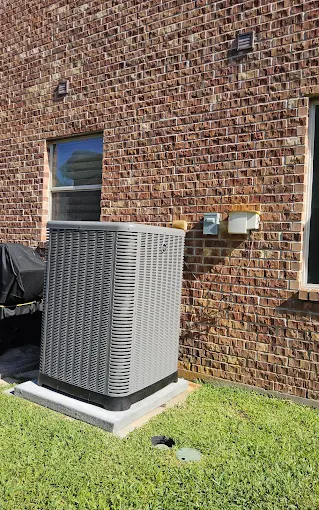
Air Conditioning Efficiency Tips Using Proper Ductwork
If your AC runs longer but some rooms stay warm, the culprit is often not the air conditioner itself. In The Woodlands, TX, airflow and humidity control depend heavily on how well your ductwork is installed, sealed, and balanced. This guide explains what to inspect, which duct issues most affect comfort, and how to make ductwork decisions that support efficient cooling.
It starts with a familiar complaint during Texas heat: the thermostat hits the set temperature, but the living room still feels sticky and warm. Meanwhile, bedrooms closer to the system feel colder, sometimes “too cold,” even when you try to balance it.
Most homeowners assume the fix is a bigger or newer air conditioning installation. But when ductwork is leaky, poorly sized, or not routed for proper airflow, the system can cool the wrong areas or lose conditioned air before it reaches the rooms you use most.
Below, you will learn how proper ductwork affects efficiency, what to check first, and when it makes sense to repair or update ducts to improve whole-home comfort in The Woodlands, TX.
Quick Answer
If your AC seems inefficient, focus on ductwork first. Look for leaky connections, damaged or poorly insulated ducts, airflow restrictions (like crushed duct sections), and vents that are blocked or mismatched. Proper duct sealing and balanced airflow help conditioned air reach the right rooms at the right rate, which can reduce runtime and improve comfort. If you suspect duct issues, schedule an inspection with Conley Cooling and Heating in The Woodlands, TX so the team can evaluate duct installation and repair options alongside your air conditioning system.
What to Check First
Start with the fastest, most practical checks. These won’t replace a full duct evaluation, but they help you narrow down whether the issue is airflow delivery, thermostat behavior, or equipment performance.
1) Notice the pattern
Do warm rooms stay warm regardless of fan speed or run time? Uneven comfort often points to duct leakage, airflow imbalance, or supply/return problems.
2) Check registers and returns
Make sure vents aren’t blocked by furniture, rugs, or closet doors. Also confirm return paths are clear so the system can pull air back efficiently.
3) Look for obvious duct damage
If you can access attic, crawlspace, or utility areas, inspect for disconnected joints, crushed sections, or missing insulation around duct runs.
If you notice persistent temperature swings, it can also be helpful to confirm your thermostat setup and operation. Consider reviewing thermostat options such as thermostat installation services to ensure the system cycles appropriately with your home’s comfort needs.
Main Things Customers Should Understand
Proper ductwork supports both comfort and efficiency. When ducts are wrong for the home, the AC may run longer to compensate for lost airflow or poor return air, which can increase humidity issues and leave some rooms under-conditioned.
1) Sealing matters more than many homeowners expect
Even small leaks at joints, transitions, or flex connections can let cooled air escape into attics or crawlspaces. In The Woodlands, TX, where outdoor humidity is common, leaking air can also pull in moisture-laden air paths that make temperature control feel harder.
2) Insulation protects both temperature and humidity control
Uninsulated or under-insulated duct runs can absorb heat from surrounding spaces. That heat gain reduces sensible cooling and can make rooms feel clammy even when the thermostat reads “on target.”
3) Airflow restrictions reduce performance
Crushed ductwork, excessive bends, partially collapsed sections, or poorly sized duct sections can restrict airflow. When airflow is limited, the system can struggle to deliver cooling across the entire floor plan.
4) Balancing helps match airflow to how you live
In many homes, duct dampers and vent balancing determine how much air each room receives. Without balance, you can get “cold by the unit” and “hot at the far end,” which encourages people to crank the thermostat and run the system longer.
Professional observation: The most efficient cooling happens when the air conditioner and ductwork work as one system. If the ductwork can’t deliver airflow where it’s needed, you will feel the problem as uneven temperatures, persistent humidity, or frequent cycling.
5) Duct repairs can be targeted, but the goal is delivery
Not every duct problem requires a full replacement. Some homes benefit from duct repair services to restore sealed connections, fix damaged sections, or correct routing that is limiting airflow. The key is matching the repair approach to how the duct system is configured.
Why this matters in The Woodlands, TX
In The Woodlands, TX, summer comfort depends on more than just temperature. High humidity and heat load can make it feel uncomfortable when conditioned air doesn’t reach rooms consistently. If ducts leak or lose insulation value, the system can spend extra time cooling air that never arrives where it is needed.
Another local reality is home design variety. Many residences have multiple floors, hallways, and rooms that are farther from the air handler. That layout can expose ductwork problems faster because long runs and branch ducts amplify the impact of sealing gaps and airflow imbalance.
If your cooling comfort concerns show up season after season, consider evaluating ductwork alongside your air conditioning service plan. For example, if you are comparing options for improving performance, you may also want to review air conditioning tune-ups to ensure the system is operating as intended while ducts deliver the airflow it needs.
| What you notice at home | Most common ductwork cause | Typical next step |
|---|---|---|
| Some rooms stay warm while others are cold | Airflow imbalance, leaky joints, or restricted duct sections | Inspect duct routing, sealing, and vent balancing strategy |
| Musty or damp feel even when temperatures are reasonable | Air leaks and temperature gain in uninsulated duct runs | Evaluate sealing and insulation on accessible ductwork |
| Frequent cycling and longer run times | Conditioned air loss before it reaches rooms, or return path issues | Check supply/return airflow delivery and duct connections |
| Visible duct damage or disconnected sections | Disconnected joints or physical duct deformation | Repair damaged sections and restore proper duct alignment |
Representative scenario: “Cold near the unit, hot at the back”
A homeowner in The Woodlands reported that the front rooms felt comfortable, but a back bedroom and the adjacent hallway stayed warm even with the thermostat set lower. The air handler ran more often in the afternoon, and humidity felt higher in those rooms.
After an airflow-focused inspection, the team identified duct connections that were not sealed properly at a branch point and duct sections that had lost insulation in an accessible run. Sealing the connection and restoring insulation improved airflow delivery to the back rooms, which reduced the temperature gap and helped the home hold comfort more consistently.
Want ductwork insights for better AC efficiency?
If you are dealing with uneven cooling, longer run times, or humidity that feels “stuck,” Conley Cooling and Heating can help evaluate how your ductwork is performing with your air conditioning system in The Woodlands, TX.
Contact Conley Cooling and HeatingCommon Mistakes to Avoid
These are the ductwork-related missteps we see most often when homeowners try to solve comfort issues on their own.
- Closing vents everywhere. Blocking too many registers can increase pressure and worsen airflow imbalance across the system.
- Only changing the thermostat. If ducts are leaking or restricted, thermostat changes rarely fix the underlying comfort delivery problem.
- Ignoring return airflow. A system can cool supply air but still struggle if returns are blocked or poorly routed.
- Using temporary “duct tape” fixes. Tape can fail over time, especially with temperature cycling and airflow pressure changes.
- Assuming every warm room is a “bad AC unit.” Duct losses and restrictions often look like equipment problems because the system runs longer.
Customer Checklist
Use this checklist before you schedule service. It helps your technician understand what you are experiencing and where to focus first.
- Note which rooms are warmest and whether it changes by time of day.
- Check that all registers and returns are unobstructed and vents move freely.
- Confirm whether filters are clean and installed correctly.
- Identify any accessible duct runs (attic, crawlspace, mechanical closet) and look for disconnected joints or crushed sections.
- Watch for signs of air leakage such as dust buildup near seams or drafts near duct penetrations.
- Ask whether your ductwork needs repair, duct installation improvements, or sealing corrections.
When ductwork upgrades may be part of the plan
If your home layout makes duct efficiency difficult, you may also explore ductless options for certain zones. For customers interested in alternatives, ductless mini split installation can be a practical approach when you want targeted cooling without relying on long duct runs. A technician can help you decide whether duct improvements, ductless solutions, or a combination makes the most sense for your comfort goals.
Frequently Asked Questions
How can ductwork make my AC feel inefficient?
Ductwork affects efficiency because it controls how much conditioned air reaches each room and how much air is lost along the way. If ducts have leaks at seams or connections, cooled air can escape before it arrives. If duct sections are crushed or poorly routed, airflow can be restricted, so the system must run longer to deliver cooling. When return paths are also constrained, the equipment can cycle or struggle to remove heat and humidity effectively.
What are the most common duct problems in homes around The Woodlands?
In The Woodlands, duct issues often show up as uneven cooling across rooms, comfort complaints that repeat each summer, and humidity that doesn’t improve when the thermostat is adjusted. Common causes include leaky duct joints, insulation gaps on accessible runs, and airflow restrictions from damaged or poorly routed duct sections. The layout of multi-room floor plans can make these problems more noticeable because some areas are farther from the air handler.
Should I repair ducts or replace them?
Repair versus replacement depends on the duct condition and how the system is configured. If the issue is limited to disconnected joints, damaged sections, or specific sealing failures, targeted duct repair services may address the efficiency problem. If ductwork is widely compromised, significantly undersized, or repeatedly failing due to installation constraints, a broader duct installation approach could be more effective. A professional inspection helps match the scope to what’s actually limiting airflow.
Can a professional duct inspection improve comfort without replacing the AC?
Yes. Many comfort problems start with delivery, not equipment. If the air conditioner is operating but ducts are leaking, poorly sealed, or restricting airflow, the system can run longer to compensate. Restoring duct sealing, fixing damaged duct sections, and improving airflow balance can reduce temperature swings and improve humidity control. After duct corrections, your system often performs closer to what it was designed to do.
Do ductless mini splits help when ductwork is the problem?
Ductless mini splits can help in certain layouts because they cool specific zones directly, reducing reliance on long duct runs. If your comfort issues are concentrated in a particular area, ductless solutions may be a practical complement to duct improvements. A technician can compare options based on your home’s room layout, comfort goals, and how your existing duct system is delivering air. In some cases, addressing duct sealing and airflow balance first is the most efficient path.
Schedule a duct-focused comfort check
If you want more even cooling and better AC efficiency in The Woodlands, TX, Conley Cooling and Heating can evaluate how your ductwork is performing with your system and recommend the right next steps.
(936) 444-4534