
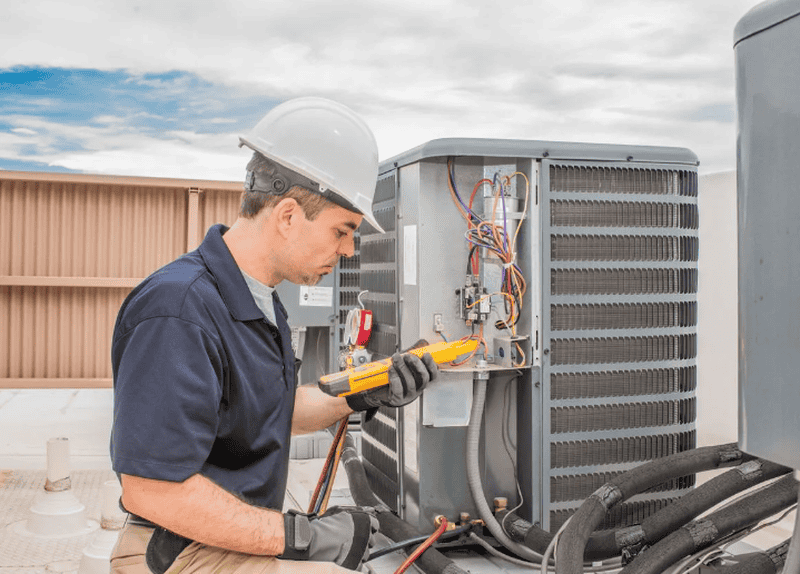
Air Conditioning Dehumidification Tips for Comfort
Last summer, a homeowner in The Woodlands texted us after trying everything: new batteries for the thermostat, “cooler” temperature settings, even running the fan continuously. The house felt cold—but the bedrooms still felt damp. Towels stayed musty, mirrors fogged quickly, and allergies flared after dinner when the AC had been running for hours.
That’s a common Southeast Texas scenario. In our climate, comfort isn’t just about temperature. It’s about humidity. If your air conditioner can’t remove enough moisture, you can feel chilled at the surface while still living in a muggy indoor environment.
Quick Answer
To improve air conditioning dehumidification and comfort, focus on three things:
- Airflow through the indoor coil (dirty filters, restricted returns, and leaky ducts can prevent proper moisture removal).
- Proper system capacity and operation (oversized or short-cycling AC often cools without dehumidifying).
- Measured humidity control (a functioning drain system, correct refrigerant charge, and thermostat settings that allow the unit to run long enough).
If your home stays humid even when the AC runs constantly, you likely have a comfort problem caused by airflow restrictions, duct leakage, thermostat setup, or an equipment issue—not just “needing a lower temperature.”
What Actually Improves Indoor Comfort (and Dehumidification)
1) Use the right thermostat settings for moisture control
Many homeowners set the thermostat to “fan: ON” thinking it will improve circulation. In practice, continuous fan can sometimes reduce the time the system spends cooling the air across the coil, depending on how your system cycles and how your thermostat controls operation.
For dehumidification, you want the AC to run in a way that keeps the indoor coil cold long enough to condense moisture. A good starting point is:
- Keep fan on AUTO, not ON.
- Set a temperature that lets the system cycle normally (not just “chasing” a low setpoint).
2) Check the filter and return airflow first (before blaming the AC)
From a technician’s perspective, one of the fastest ways to lose dehumidification performance is restricted airflow. A filter that’s too restrictive—or installed backwards—can cause the indoor coil to warm up. When the coil isn’t cold enough, it removes less moisture.
What I commonly observe on service calls: the air is blowing, but it’s blowing less than it should. Sometimes returns are blocked by furniture, or the homeowner replaced a filter with a higher-MERV product that restricts airflow without adjusting system design.
3) Make sure the indoor coil and drain system are actually working
Dehumidification depends on a clean cooling coil and a drain line that can handle condensate.
If you have:
- water backing up in the drain pan,
- a clogged condensate line,
- algae or debris in the drain,
- or a coil that’s coated with dirt,
…your system may not remove moisture consistently, and it can also trigger safety shutdowns.
4) Don’t overlook duct leakage (especially in humid climates)
Even when the AC is operating correctly, leaky ducts can pull in humid air from attics, crawlspaces, or wall cavities—so your house “adds” moisture even while you’re trying to remove it.
If you’ve ever noticed:
- longer run times,
- cold air that feels weak in certain rooms,
- or humidity that seems to rise faster than expected,
…it’s worth evaluating ductwork condition and sealing opportunities.
If you suspect ductwork issues, it may help to review options like hvac duct sealing and repair.
5) Consider system sizing and cycling behavior
Oversized systems are notorious for cooling quickly without dehumidifying. They satisfy the thermostat setpoint fast, then shut off. With shorter run cycles, the coil doesn’t stay cold long enough to condense moisture efficiently.
In Southeast Texas, we typically need AC performance that balances:
- temperature control and
- sustained latent moisture removal (humidity).
If your system is short-cycling, we’ll look at:
- airflow and static pressure,
- thermostat settings and staging behavior,
- refrigerant pressures/charge,
- and whether the equipment matches the home’s load.
What Homeowners Often Overlook
Common mistake homeowners make: “Lower the temperature” instead of addressing humidity control
Many people reduce the thermostat to 68°F when the house feels humid. The AC may run longer, but if the coil can’t get cold enough (dirty filter, restricted returns, low airflow, duct leakage), or if the system is oversized and short-cycling, you’ll still end up with high indoor humidity.
Another frequent oversight: ignoring the fan and run-time behavior. If your thermostat is set up in a way that prevents normal cycling, you can accidentally reduce dehumidification even while temperatures drop.
A realistic service example (anonymized)
We recently inspected a home where the homeowner said, “The AC runs all day, but the humidity won’t drop.” The system seemed to respond to temperature calls, but the indoor unit had:
- a heavily restricted return due to an airflow blockage,
- a drain line with partial restriction,
- and duct leakage pulling humid air from an attic-adjacent chase.
After correcting the airflow path, addressing the drain condition, and recommending targeted ductwork sealing, the homeowner reported a noticeable improvement within the first week—less musty odor and more stable humidity.
Repair, Installation, or Efficiency Fixes That Actually Help
HVAC maintenance and comfort checklist for dehumidification
Use this as a quick “before service” checklist:
- Check and replace the air filter with the correct size and MERV level for your system.
- Inspect returns and vents for blockages (furniture, rugs, closed dampers).
- Confirm thermostat settings: fan on AUTO, avoid extreme setpoint drops.
- Verify drain line operation: no slow draining, gurgling, or standing water.
- Look for coil freeze signs: frosting on indoor unit (often tied to airflow/refrigerant issues).
- Monitor indoor humidity with a real hygrometer (not just “feel”).
- Assess airflow balance: uneven rooms can mean duct or pressure problems.
- Schedule seasonal tune-ups before peak humidity season.
If you want to reduce the chances of a mid-summer failure and improve comfort performance, a tune-up matters. For example, you can pair your comfort goals with air conditioning tune-ups that include airflow and moisture-related checks.
When you may need repair
Dehumidification problems can come from:
- failing contactors or sensors,
- low refrigerant or incorrect charge,
- failing blower motor/ECM issues,
- clogged drain components,
- or failing capacitors.
If your AC is running but humidity stays high, it’s also possible the system isn’t delivering the expected cooling capacity. That’s where diagnostic testing (not guesswork) is essential—measuring airflow, coil conditions, and system pressures.
For troubleshooting and repairs, homeowners often start with air conditioning repair services when comfort complaints persist despite normal thermostat adjustments.
When installation upgrades make sense
If your equipment is older, poorly matched, or repeatedly fails to manage humidity, installation may be the better long-term path—especially when paired with airflow and duct improvements.
For homes with room-to-room humidity issues, ductless systems can be a strong option. If your layout supports it, consider ductless mini split installation as part of a moisture-and-comfort strategy. Multi-zone setups can reduce pressure imbalances and help avoid “whole-house cooling” when only certain areas need the most attention.
If you’re evaluating other efficiency-forward options, heat pumps and modern controls can also play a role in better humidity management when designed correctly. A helpful starting point is heat pump installation services if your home heating and cooling strategy is being updated together.
Thermostat upgrades that support comfort (not just schedules)
A smart thermostat won’t fix poor airflow or duct leakage by itself, but it can improve comfort by allowing better control and monitoring—especially if your system cycles oddly.
If you’re planning a thermostat replacement, pairing the right control with correct HVAC operation is key. For that, see smart thermostat installation company for setup and calibration that matches your system behavior.
The Woodlands / Southeast Texas Relevance: Why Humidity Makes AC Feel “Wrong”
In Southeast Texas, humidity is often the hidden driver of discomfort. Even when your indoor temperature reads “comfortable,” high moisture levels can cause:
- sticky skin feel,
- damp odors,
- condensation on windows,
- and allergy discomfort.
Another local factor: attic heat and high outdoor moisture. During long cooling stretches, humid air can infiltrate through duct leaks, poorly sealed penetrations, and gaps around returns. That moisture load increases the work your AC must do—so dehumidification performance becomes a top priority.
We see it often in older duct systems and homes with supply/return imbalance. The AC cools, but the home still feels damp because moisture is continuously being reintroduced or because the coil isn’t getting the airflow conditions needed for strong condensation.
Signs Your HVAC System Needs Attention
Look for these red flags:
- Indoor humidity stays high even after hours of cooling
- Musty odors after the AC runs
- Condensate drain issues (gurgling, slow draining)
- Rooms feel cold but still feel clammy
- Short cycling (AC turns on and off quickly)
- Ice/frost on the indoor coil or refrigerant line
- Visible dust buildup around the indoor unit
If you notice more than one of these, it’s usually a sign the problem is measurable—airflow, drainage, or system performance—not just “normal humidity.”
Repair vs Replacement (Quick Guide)
| Situation | Likely Best Next Step |
|---|---|
| AC cools but humidity won’t drop | Diagnose airflow, coil condition, drain, duct leakage first |
| System is short-cycling or oversized for the home | Consider redesign/upgrade strategy; may require replacement planning |
| Frequent repairs with persistent comfort issues | Replacement may be cost-effective over time |
| Ductwork is leaking or poorly configured | Address duct issues alongside or before replacement |
| Equipment is old and controls are outdated | Upgrade HVAC and thermostat for better control |
A practical recommendation from the field: if humidity control has been unreliable for multiple seasons, don’t treat it as a “summer quirk.” That’s often a signal the system can’t match the home’s moisture load anymore—or airflow and duct conditions have changed.
What Businesses Should Know About Dehumidification
Commercial spaces can feel “cold” while still being humid, especially in:
- offices with large glass areas,
- warehouses with frequent door openings,
- and buildings with rooftop units struggling to maintain stable airflow.
A shop manager once told us their thermostat was set correctly, yet employees complained of damp air and fogged surfaces. The issue wasn’t the setpoint—it was the building’s moisture management strategy and how the air handler/RU was balancing outside air and return air.
If you’re dealing with commercial comfort or rooftop performance, start with commercial ac services so the diagnostics include building-specific airflow and moisture considerations, not just “it turns on, so it’s fine.”
Optional FAQ
Why is my home still humid even when the AC runs constantly?
If the AC runs constantly but humidity stays high, the system may be cooling without adequately dehumidifying. Common causes include restricted airflow (dirty filter, blocked returns), duct leakage that brings humid air indoors, a drain issue, or improper refrigerant charge. Oversized systems can also short-cycle, which reduces coil run time for moisture condensation. A technician should verify airflow, coil condition, and drainage—not just thermostat settings.
Should I run the AC fan on “ON” to improve humidity?
Usually, no. Continuous fan can sometimes keep air circulating without giving the cooling coil adequate time to remove moisture effectively, depending on how your system cycles and how your thermostat controls fan behavior. In most homes, fan on AUTO supports normal cooling cycles that allow condensation. If you’re trying to address humidity, start by confirming the system is cycling normally and airflow is correct.
How can ductwork affect dehumidification?
Leaky ducts can pull in humid air from attics, crawlspaces, or wall cavities while your AC is running. That moisture load can overwhelm the system’s ability to lower indoor humidity. Duct leaks can also create pressure imbalances that reduce airflow across the indoor coil, limiting how much moisture condenses. Sealing and repairing ducts often improves both comfort and humidity control.
What humidity level should I target in Southeast Texas?
Many homeowners aim for roughly 30–50% relative humidity for comfort and to reduce condensation risk. Exact targets depend on your home’s ventilation habits and comfort preferences, but consistently above that range—especially with visible dampness or odors—usually indicates a dehumidification or moisture control problem.
Ready to Improve Your Indoor Comfort and Energy Efficiency?
If your AC is running but your home still feels damp, you don’t need guesswork—you need a comfort-focused inspection. We’ll check airflow, coil and drain operation, thermostat behavior, and duct conditions so you can get real dehumidification performance again.
About Conley Cooling and Heating
Conley Cooling and Heating provides AC repair, air conditioning installation, heating services, indoor air quality solutions, ductwork services, ductless mini splits, heat pump systems, thermostat upgrades, and commercial HVAC support throughout The Woodlands, TX and surrounding Southeast Texas communities. The company focuses on reliable comfort solutions, energy-efficient system performance, indoor air quality improvement, and helping homeowners and businesses maintain dependable heating and cooling year-round.