
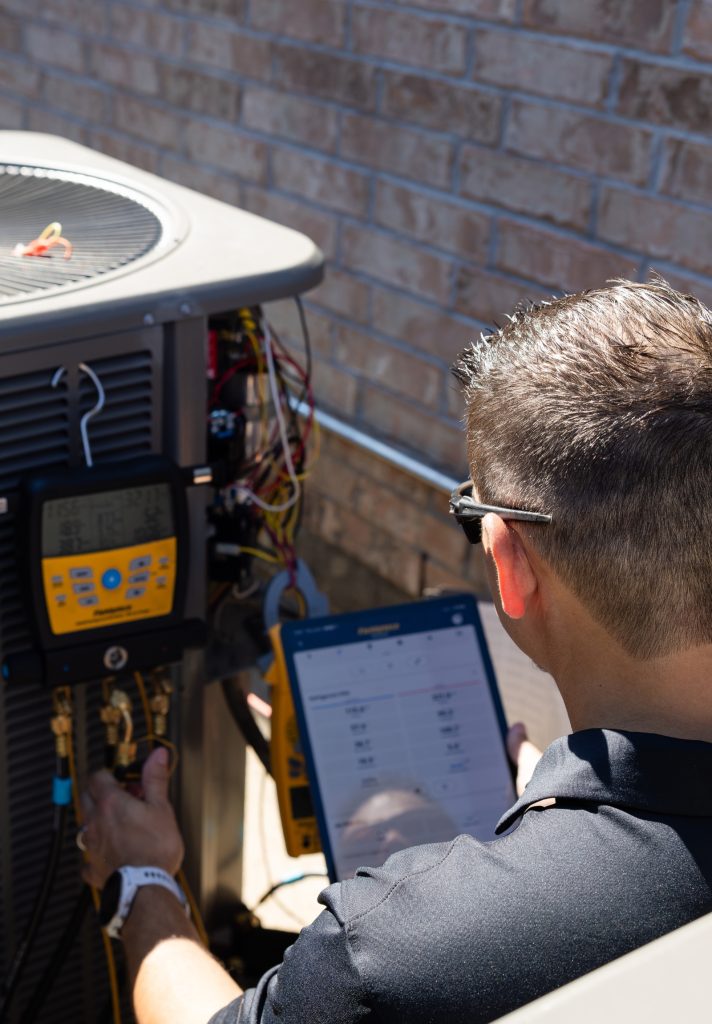
Air Conditioning and Indoor Air Quality: The Connection
If your home feels stuffy even when the AC is running, the issue may not be the thermostat. Cooling comfort, humidity control, filtration, and airflow all work together. This guide explains how your air conditioning system influences indoor air quality in The Woodlands, TX, and what to check when you want cleaner, more comfortable air.
It starts subtly: you close the windows, turn the AC down, and the temperature drops, but the air still feels heavy. Maybe rooms near vents seem cooler while others feel damp, or you notice more dust settling on surfaces. In The Woodlands, TX, humidity and seasonal swings can make that “comfortable but not clean” feeling more common.
Most homeowners assume indoor air quality is a separate problem from air conditioning. In reality, your cooling system is a major part of how your home manages moisture, circulates air, and filters particles. Below, you’ll learn how to connect the dots between air conditioning performance and indoor air quality, what to check first, and what decisions to make next.
Quick Answer
Your AC affects indoor air quality through three pathways: humidity control, air filtration, and the way air is distributed through ductwork. If you have persistent dampness, odors, dust, or uneven comfort, start by checking airflow and filtration first, then evaluate humidity control and duct condition. A practical next step is to review your cooling system setup and ask for an inspection that considers both comfort and indoor air quality, including ductwork and filtration needs. If you suspect airflow issues, repair or tune-up may help before adding new equipment.
What to Check First
When homeowners in The Woodlands notice “cool air that doesn’t feel clean,” the fastest way to narrow it down is to start with the basics your system controls every day.
1) Filtration and airflow
If the filter is the wrong type or installed incorrectly, particles can keep circulating. Low airflow can also prevent the system from removing moisture effectively.
2) Humidity behavior
Air conditioning should remove moisture during cooling. If humidity stays high, comfort drops and indoor air can feel stale.
3) Duct condition
Leaky or poorly sealed ductwork can move air where you do not expect it, pulling contaminants into the system and reducing performance.
If you’re not sure where the problem starts, begin with the system’s cooling side. For example, if airflow seems weak or the unit won’t maintain temperature, you can review air conditioning repair services as a first step to restore proper operation.
Professional observation: The most common “indoor air quality” complaints are actually comfort symptoms driven by humidity and airflow. When cooling runs without adequate airflow or moisture removal, dust and stale air can feel worse, even if the temperature looks fine.
Main Things Customers Should Understand
Indoor air quality is not only about what you can smell. It’s also about moisture levels, the amount of airborne particles, and how clean air is delivered to the rooms you use most. Here are the key links between your air conditioning system and the air you breathe.
Humidity control is part of the “clean air” picture
During cooling, an operating AC system removes moisture from the air. When that moisture removal is limited, you can experience a damp feel, condensation risk, and a stale atmosphere. In practice, humidity control often requires more than just lowering the thermostat. It may involve operational tuning, ductwork airflow, and appropriate indoor air quality solutions such as humidity control services.
Filtration helps, but only when the system is set up to move air
Filters trap particles, but the system still needs proper airflow to pull air through the equipment. If the blower is not providing expected circulation, filtration performance can suffer. If you are exploring clean-air options, you may want to compare filtration and air purification approaches such as air filtration system installation versus other methods.
Ductwork can influence what your AC delivers
Even a well-running AC can underperform if ductwork is leaking, damaged, or not properly sealed. That can lead to uneven cooling and can also pull in contaminants from areas where ductwork runs. If you suspect duct-related issues, consider duct repair services as part of improving both comfort and air distribution.
Thermostat settings affect comfort and humidity
A thermostat controls run times and setpoints. If it is not configured correctly for your home’s needs, you may end up with short-cycling or comfort swings that make humidity feel worse. For customers who want tighter control, reviewing thermostat installation services can be a practical step when you are trying to improve overall indoor conditions.
Why this matters in The Woodlands, TX
The Woodlands summers can bring high humidity and strong seasonal demand on cooling systems. That combination can make it easier for homes to feel damp or stale when the AC is not removing moisture as effectively as it should. It also means duct airflow and filtration consistency matter more, because the system is likely running more often during peak conditions.
Local insight: In The Woodlands, TX, homeowners often notice indoor air quality issues alongside humidity and uneven rooms. That’s why pairing cooling performance checks with indoor air quality solutions tends to produce more noticeable comfort improvements than focusing on temperature alone.
Cooling vs. Air Quality Fixes: How to Decide
If you’re standing in front of an AC system that “cools, but something feels off,” this decision table can help you map symptoms to the most relevant next step.
| What you notice | Likely connection | Practical next step |
|---|---|---|
| Air feels cool in some rooms but stuffy in others | Air distribution and duct performance | Inspect ductwork for issues and confirm proper airflow before adding more filtration. |
| Home feels damp even when the temperature is set correctly | Moisture removal and humidity control | Evaluate humidity control needs and confirm the AC is operating to remove moisture effectively. |
| More dust buildup than usual | Filtration and circulation balance | Review filtration setup and system airflow to ensure particles are being trapped instead of recirculated. |
| Odors that return when the AC runs | Air handling and air quality pathways | Have the system evaluated for airflow and indoor air quality needs, including air purification options when appropriate. |
A representative scenario (what often happens in real homes)
Consider a homeowner in The Woodlands, TX who sets the thermostat to a comfortable temperature but still feels a “sticky” atmosphere in the evenings. The AC runs frequently, but the downstairs feels fine while upstairs feels damp. When the system is evaluated, the technician finds that airflow through the duct system is not consistent and that moisture removal is not as effective in the upstairs rooms. After addressing duct-related airflow concerns and aligning filtration and indoor air quality needs, the home feels more even and the air quality complaints improve along with comfort.
Want to match cooling performance with indoor air quality goals?
Conley Cooling and Heating can help you think through the connection between airflow, humidity control, filtration, and comfort in your home in The Woodlands, TX.
Contact Conley Cooling and HeatingCommon Mistakes to Avoid
These are the missteps we see most often when customers try to solve “AC and air quality” problems without tackling the underlying connection.
- Changing the thermostat only while humidity and airflow issues remain unresolved.
- Upgrading filtration without checking system airflow, which can limit how effectively air passes through the filter.
- Ignoring duct distribution problems, especially if some rooms always feel different from others.
- Assuming cool air means proper moisture removal, even when the home still feels damp or stale.
- Waiting for symptoms to get worse before addressing cooling operation concerns like repairs or tune-ups.
Customer Checklist
Use this quick checklist before you schedule service. It helps you describe the issue clearly and makes inspections more efficient.
- Note when the issue happens: daytime, evenings, or only during peak cooling cycles.
- Observe whether some rooms are consistently cooler or more humid than others.
- Check the filter: confirm it is installed correctly and replaced on schedule.
- Look for airflow clues: weak vent flow, unusual noises, or uneven temperatures.
- Pay attention to odors: do they start or intensify when the AC runs?
- Consider duct-related signs: musty smells near vents or visible issues around registers.
- List your thermostat settings and whether you recently changed them.
Frequently Asked Questions
Can better air filtration alone fix indoor air quality problems?
Filtration can help reduce airborne particles, but it is only one part of the connection. If your AC is not removing moisture effectively or airflow through the system is limited, you can still feel damp, stale air, or uneven comfort. The best results usually come from aligning filtration with proper cooling operation, humidity control, and the way air moves through your ductwork.
Why does my home feel humid even when the AC runs?
Humidity can stay high when the system is not removing moisture as intended. That can relate to cooling performance, airflow balance, or duct distribution. In The Woodlands, TX, where humidity is a frequent challenge, it is common for comfort issues to show up as “cool but damp.” A practical next step is to have the cooling system inspected with an indoor air quality mindset, including humidity control considerations.
How do duct issues affect indoor air quality?
Ductwork influences both comfort and air quality because it controls how conditioned air is delivered. Leaks or damage can reduce airflow where you need it and can also allow unwanted air movement along duct paths. That can contribute to uneven cooling and can make indoor air feel less fresh. If you notice room-to-room differences, it is worth evaluating ductwork alongside your air conditioning setup.
Should I schedule an air conditioning tune-up or an indoor air quality service first?
If the AC is not performing normally, tune-ups and repairs are usually a good starting point because they restore the cooling system’s ability to manage temperature and moisture. Once operation is stable, indoor air quality services like filtration, air purification, or humidity control can be tailored to your home’s needs. If you are unsure, describe your symptoms and ask for guidance that connects comfort and air quality.
What’s a practical way to improve comfort and air quality at the same time?
Focus on the system connection: confirm cooling performance, verify airflow, and address humidity and filtration needs in the context of your home’s layout. For example, if you have uneven rooms, you may need attention to duct distribution before expecting filtration upgrades to help fully. When you align these factors, you typically get a noticeable improvement in both how the home feels and how the air behaves.
Ready to improve comfort and indoor air quality in The Woodlands?
If your AC cools but the air still feels off, Conley Cooling and Heating can help you connect the dots between cooling performance and indoor air quality solutions.
(936) 444-4534