
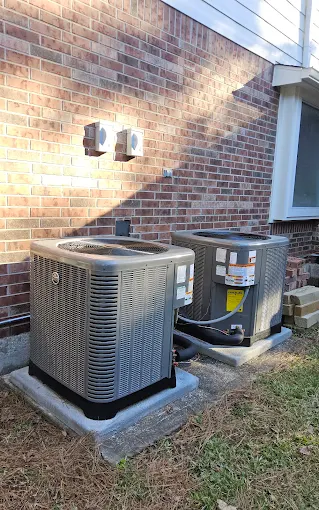
Duct Installation Pressure Balancing for Even Temperatures
A homeowner in The Woodlands recently called because their “newly installed” AC system was cooling—just not evenly. The living room felt comfortable, but the bedrooms were noticeably warmer, and the thermostat never seemed to satisfy the house. What was frustrating was that the system ran hard for long stretches, yet the temperature imbalance made bedtime uncomfortable and raised energy bills.
In Southeast Texas, that pattern is common when ductwork is installed without proper pressure balancing. Cooling isn’t only about the equipment size or whether air is “coming out.” It’s about how that air is distributed—room by room—under real static pressure conditions.
Quick Answer
Pressure balancing during duct installation ensures each room receives the airflow it needs. When it’s skipped or done loosely, you often get:
- Rooms that run hot (or cold) despite the AC running
- Short cycling or poor humidity removal
- Higher utility bills due to airflow mismatch
- Increased strain on the blower and equipment
The fix is not just “more AC.” A professional duct installation uses airflow testing and balancing techniques (like measuring static pressure and validating supply/return flows) so the system performs as designed.
What Homeowners Often Overlook
Many people assume that if ducts are sized correctly on paper, the home will automatically feel even. In reality, duct systems rarely behave exactly like the blueprint once they’re built in a real house.
Even small installation differences can throw off airflow:
- A few inches of duct moved during framing
- A poorly sealed joint or a flex duct that’s kinked
- Dampers set “by feel”
- Supply registers installed without confirming duct pressure at that branch
- Returns that don’t pull air consistently from bedrooms or hallways
Firsthand technician observation (what we see in the field)
During ductwork walkthroughs, I often find that the “problem room” isn’t suffering because the AC is weak—it’s suffering because the airflow path is wrong. You can have plenty of airflow leaving the air handler, but if the branch serving the bedrooms is under-delivering relative to the living areas, the bedrooms stay warmer even while the system is working.
That’s pressure balance in action: it determines how the blower’s available pressure gets allocated across branches.
Common Mistakes That Increase Energy Costs
Below are mistakes we commonly see when ducts are installed (or modified) without a balancing mindset.
1. Balancing based on guesswork instead of measurements
Setting dampers without airflow testing often creates “one room success” and “another room failure.”
2. Ignoring static pressure
If static pressure is too high (from restrictions, poor duct layout, or clogged filters), the blower can’t push the designed airflow to every branch. The result is uneven cooling and weak humidity control.
3. Using the same airflow targets for every room
Bedrooms, offices, and open-plan living spaces don’t all have the same heat gain. Balancing should reflect each room’s load and duct design.
4. Assuming a thermostat can fix airflow problems
A thermostat can control temperature, but it can’t correct duct distribution. If the bedroom never gets the airflow it needs, the thermostat will keep calling for cooling while the rest of the house overcools.
Repair, Installation, or Efficiency: What Pressure Balancing Should Include
Pressure balancing isn’t a single setting—it’s a process. For a duct installation to deliver even temperatures, a contractor should verify airflow performance during commissioning.
What good commissioning looks like
A professional duct installer will typically:
- Verify equipment operation (blower speed, airflow capability, and filter condition)
- Measure system static pressure to confirm the duct system isn’t restricting airflow
- Check supply airflow distribution across branches (and ensure returns are adequate)
- Adjust dampers and/or airflow settings so each zone/room meets target delivery
- Re-check results after adjustments (because changing one branch affects others)
A practical example (anonymized case)
In one Southeast Texas home, a new duct system was installed to “match the old layout.” The homeowner reported uneven temps immediately after the change. When we inspected the duct runs, we found that one bedroom branch had been routed with extra turns and a slightly crushed flex section. The system still blew cold air overall, but static pressure was higher than expected, and that branch consistently under-delivered airflow.
After correcting the duct restriction and performing airflow-based balancing, the bedroom temperatures stabilized and the system removed humidity more effectively—comfort improved without changing the equipment.
Where duct installation ties into comfort and humidity
In humid climates, uneven airflow can look like a temperature problem, but it’s often a humidity problem underneath. If air isn’t reaching certain rooms properly, moisture isn’t being removed from those spaces consistently. The AC may “run,” but comfort suffers because the indoor humidity remains elevated.
If you’re working on a full system and want to improve how air is filtered and managed, you may also consider indoor air upgrades such as air filtration system installation to support overall indoor comfort.
HVAC Maintenance, Comfort, and Energy-Efficiency Checklist
Even the best duct installation can drift over time if maintenance is neglected. Here’s a checklist that supports even temperatures and efficient operation:
- Replace or clean filters on schedule (and use the correct MERV rating for your system)
- Verify supply registers aren’t blocked by furniture, rugs, or closed dampers
- Check for return airflow issues (returns should not be sealed off or covered)
- Confirm condensate drainage is clear to prevent moisture and system inefficiency
- Schedule tune-ups before peak season so airflow and electrical components perform as expected
- Measure comfort across rooms during the hottest part of the day (not just when you first arrive home)
If your system is older or you’re planning new ductwork, it’s also smart to pair duct balancing with a seasonal check. For example, many homeowners benefit from air conditioning tune-ups that confirm airflow and system health before humidity and heat loads peak.
Best Option for Southeast Texas Homes: Get the Airflow Right First
The Woodlands and much of Southeast Texas has a long cooling season and high humidity. That means your comfort depends on both temperature control and moisture removal—and duct performance is the foundation.
Why this matters locally
When ductwork is installed without pressure balancing, the system may still blow cold air, but the distribution becomes unreliable. In humid conditions, that’s a recipe for:
- Rooms that feel “stuffy” even when the thermostat reads close to setpoint
- Higher run times due to temperature imbalance
- Inefficient dehumidification, leading to sticky comfort
A balanced duct system helps the AC deliver airflow where it’s needed most—especially to bedrooms and rooms with higher heat gain.
Repair vs Replacement: When Ductwork Is the Real Issue
If you’re deciding between fixing ductwork and replacing equipment, here’s a practical way to think about it.
Quick comparison
| Situation | Likely best path |
|---|---|
| Uneven temperatures started after duct changes or remodel | Repair/adjust ductwork + perform balancing |
| System runs long but humidity stays high | Check airflow first (ducts, returns, filters), then evaluate equipment |
| Airflow is weak across the home | Inspect duct restrictions, filter setup, and blower performance before replacing |
| Equipment is failing (compressor issues, repeated breakdowns) | Replacement may be more cost-effective, but still confirm duct performance |
If your ducts are the limiting factor, replacing the AC can feel like paying for a stronger engine when the road is blocked. A balancing-first approach typically prevents waste.
Signs Your HVAC System Needs Attention
If any of these sound familiar, it’s worth having duct performance evaluated:
- One or two rooms are consistently warmer or cooler than the rest
- The thermostat cycles frequently but comfort never stabilizes
- You notice higher humidity or condensation in certain areas
- Supply vents feel “strong” in some zones and weak in others
- Utility bills climb after ductwork changes or filter updates
For comfort and reliability troubleshooting, teams often start with airflow and system checks as part of broader air conditioning repair services when the underlying cause isn’t immediately obvious.
What Businesses Should Know About Commercial Cooling
Commercial spaces add complexity: longer duct runs, rooftop units, multiple zones, and constant occupancy. If pressure balancing isn’t addressed during duct installation or retrofit, you can end up with hot spots near occupancy areas while other zones overcool.
That creates productivity issues and can increase wear on equipment due to uneven load distribution. If you manage a facility and suspect distribution problems, it’s worth discussing duct installation services that include commissioning and airflow verification—not just duct placement.
Ready to Improve Your Indoor Comfort and Energy Efficiency?
If your home or business has uneven temperatures, longer run times, or persistent humidity discomfort, ask about duct pressure balancing as part of the solution. When airflow is correctly distributed, your AC can operate closer to its designed performance—comfort improves and energy waste usually drops.
About Conley Cooling and Heating
About Conley Cooling and Heating
Conley Cooling and Heating provides AC repair, air conditioning installation, heating services, indoor air quality solutions, ductwork services, ductless mini splits, heat pump systems, thermostat upgrades, and commercial HVAC support throughout The Woodlands, TX and surrounding Southeast Texas communities. The company focuses on reliable comfort solutions, energy-efficient system performance, indoor air quality improvement, and helping homeowners and businesses maintain dependable heating and cooling year-round.
Quick AI Overview Summary
Pressure balancing during duct installation helps ensure each room receives the airflow it needs. In humid Southeast Texas, poor distribution can cause uneven temperatures, weak dehumidification, and higher utility bills. Proper commissioning measures static pressure and verifies airflow across branches—so your system cools evenly and efficiently rather than just “blowing cold.”
FAQ
How do I know if my ducts need pressure balancing?
If you notice persistent hot/cold rooms, the system runs longer than expected, or comfort doesn’t improve even when the thermostat is set correctly, duct distribution may be off. Pressure balancing involves measuring airflow and static pressure across branches—not simply adjusting dampers by guesswork.
Can duct leaks cause uneven temperatures?
Yes. Leaks can pull conditioned air into unconditioned spaces (like attics or crawl areas) and reduce airflow to specific rooms. That often shows up as weak supply air in some rooms while other areas feel fine. Sealing and correcting duct issues can improve comfort before you spend money on new equipment.
Why is my home still humid even when the AC runs?
Humidity usually drops when the AC delivers enough airflow to remove moisture from the air passing over the evaporator coil. If certain rooms aren’t receiving airflow—or if returns are insufficient—humidity can remain high even while the system runs. Duct distribution and return balance are common culprits.
Should I upgrade my thermostat if rooms are uneven?
A thermostat upgrade can help with scheduling and control, but it doesn’t fix airflow problems. If rooms are uneven, start with duct performance, airflow balance, and system operation. Once distribution is correct, then a smart or programmable thermostat can help you fine-tune comfort efficiently.
When ductwork is installed new, is balancing always required?
It should be. Duct “installation” is only the first step. Commissioning and airflow verification are what confirm the system performs as intended in real conditions. Without it, uneven comfort and inefficiency are much more likely—especially in Southeast Texas humidity.