
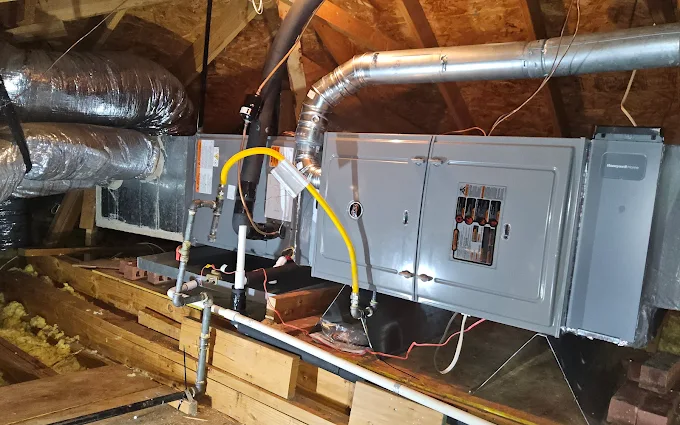
Indoor Air Quality Odor Removal Techniques That Help
The Woodlands summers can feel like a wall of humidity the moment you open the door. So when you start noticing musty smells, “wet dog” odors, or lingering cooking/household scents that don’t seem to go away—even with the AC running—it’s usually not just a simple air-freshener problem. Odor is often tied to moisture, airflow issues, and what’s growing in the system or ductwork.
A homeowner recently told us, “The house smells okay at night, but by late afternoon it turns musty.” The AC wasn’t shutting off, and the thermostat showed the temperature was fine. What we found on inspection: condensate drainage and return-air airflow problems were letting moisture build up, and that moisture was feeding odors on the surfaces inside the air handler and duct system.
Quick Answer
Indoor air odor removal works best when you identify the source—usually moisture, dirty/contaminated ductwork, or microbial growth—and then match the fix to the problem. Common effective techniques include:
- Fixing humidity and condensate drainage issues so moisture can’t keep coming back
- Cleaning or treating air ducts when odors are trapped in porous material and buildup
- Using filtration and air purification sized to your system’s airflow
- Adding targeted solutions like UV air purification for microbial control (when appropriate)
- Ensuring proper HVAC airflow, including return paths and duct sealing, so treated air actually circulates
If you remove the smell but don’t address the moisture or airflow cause, the odor usually returns—often faster than homeowners expect.
What We Commonly See in Southeast Texas HVAC Systems
Southeast Texas doesn’t just add humidity; it keeps it there. Even if your indoor temperature is controlled, the air can remain damp if the system isn’t removing moisture effectively. That dampness can cause odors to “stick” to:
- HVAC evaporator coils and nearby surfaces
- the drain line (clogs or slow drainage)
- duct lining or dust buildup in the duct system
- return air paths where air stagnates
A firsthand technician observation
In many homes, the smell isn’t coming from “outside air” or a single room. It’s coming from where the air returns. When we measure static pressure and inspect returns, we often find blocked returns, undersized pathways, or duct restrictions that keep air from moving evenly. The result: some areas stay cooler but not necessarily drier, and odors linger longer.
What Homeowners Often Overlook
Here are the most common things we see that slow down odor elimination—or make it come back:
1. Running the fan only, or relying on “auto” without checking humidity control
If your system isn’t dehumidifying well, odors related to dampness will persist even if the home feels cool.
2. Assuming the filter fixes everything
A filter is helpful, but it doesn’t sanitize surfaces inside the air handler or ductwork. If the source is microbial growth or condensate residue, filtration alone won’t fully solve the problem.
3. Using air fresheners to mask moisture odors
Masking smells is temporary. The source is usually still active—especially when condensate drainage or duct contamination is involved.
4. Ignoring the drain line and evaporator coil relationship
A slow or partially blocked condensate drain can create recurring odor conditions because moisture doesn’t clear properly after cooling cycles.
Common Mistakes That Increase Energy Costs
Odor removal and energy efficiency are linked in ways homeowners don’t always realize. The same problems that create odors can also drive up utility bills:
- Oversized equipment: Some systems cool the air quickly but don’t run long enough to remove moisture effectively. You feel “cool,” but humidity stays higher—leading to musty odors and higher comfort complaints.
- Dirty evaporator coils and clogged airflow paths: Reduced airflow makes the system work harder, and it can also worsen moisture management.
- Leaky ducts: If conditioned air leaks before it reaches the rooms you’re trying to control, the system may cycle more and still not dehumidify properly.
- Thermostat settings that fight comfort goals: For example, running at a temperature that the system can hit quickly can reduce run time and dehumidification.
If you’re considering upgrades, start with the basics—airflow, duct condition, and thermostat control—before changing equipment. For example, if you’re also dealing with comfort inconsistencies, you may want to review air conditioning installation services to ensure the new system is sized and installed for real humidity removal, not just temperature.
Repair, Installation, or Efficiency: What Actually Helps With Odors
Odor removal is a “source + mechanism” job. Below is a practical approach we use to stop odors at the root.
1) Start with moisture control (the odor engine)
Check and correct:
- condensate drain line performance (clogs, algae/slime buildup, improper slope)
- evaporator coil condition
- whole-home humidity levels and how your system is responding
In The Woodlands and throughout Southeast Texas, this step is often the difference between “smell goes away for a week” and “smell stays gone.”
2) Improve filtration and air circulation so odors don’t re-settle
Filtration helps with dust and particles that can carry odors, but it must match your system’s airflow. We usually recommend:
- appropriate filter size and rating for your return/air handler
- consistent filter replacement schedule
If you’re upgrading or refining your system’s air cleaning, explore whole house air filtration services to make sure the solution is compatible with your equipment and duct design.
3) Treat the air where microbial growth can occur (when appropriate)
When odors are linked to microbial activity, targeted solutions can help:
- UV air purification systems installed in the right location and configured correctly
- antimicrobial approaches used alongside proper cleaning and moisture repairs
For homes where we see recurring musty odors tied to coil contamination patterns, we’ll often discuss hvac air purifier installation and, if conditions support it, UV-based options.
4) Address duct-related odor reservoirs
Some odors are “stuck” in dust and porous buildup. If the odor is strongest in multiple rooms, returns are suspect, and ductwork may need attention. Depending on what we find, solutions can include:
- duct cleaning
- disinfecting/antimicrobial fogging when appropriate
- duct sealing to reduce re-contamination and improve airflow
For odor-related duct contamination concerns, homeowners frequently ask about duct fogging. If you’re evaluating duct treatment, look into duct fogging services—but only after diagnosing the moisture and airflow causes first. Otherwise, you can treat the symptom while the source continues.
5) Verify airflow and comfort control with the right thermostat setup
Even a great filtration strategy doesn’t help if the system isn’t controlling comfort as intended. Smart thermostat features can help, but they won’t replace proper equipment performance and duct conditions.
If you’re considering thermostat changes to improve comfort consistency, review smart thermostat installation company options that match your heating/cooling setup and operating preferences.
A realistic anonymized service case
A family in The Woodlands noticed a persistent “stale” odor that became noticeable after the AC ran for several hours. Their filter was clean, but the smell returned quickly. We inspected the evaporator coil area and found the condensate drain was draining slowly—enough to leave residue and promote odor buildup. We corrected the drainage issue, addressed coil contamination, and recommended a properly sized filtration plan. After airflow adjustments and humidity improvement, the odor reduction lasted through the next humid stretch instead of returning within days.
Best Option for Southeast Texas Homes
For many Southeast Texas homes, the most effective odor removal plan is not one product—it’s a sequence:
1. Stop moisture (drain and humidity performance)
2. Clean/treat the source areas (coil and, if needed, duct system)
3. Upgrade filtration/air purification to prevent recurrence
4. Confirm airflow and control strategy (returns, duct sealing, thermostat settings)
If you’re also experiencing uneven cooling or rooms that feel damp, it may point to duct restrictions or airflow imbalances. In that case, it’s worth having ductwork evaluated and repaired where needed. When duct sealing or repairs are part of the plan, we often help with duct repair services to restore proper airflow and reduce the conditions that allow odors to linger.
HVAC Maintenance Checklist
Use this checklist to keep odor issues from returning:
- Replace filters on schedule (and don’t oversize the restriction by using too-dense filters for your system)
- Inspect/maintain condensate drains before peak humidity months
- Check indoor humidity targets and how the system responds during long run cycles
- Look for early warning signs: musty smell, visible dust around returns, slow drainage, or “cool but clammy” comfort
- Schedule seasonal inspections for coil cleanliness, blower performance, and airflow
- Confirm ductwork condition (leaks and restrictions can undermine both comfort and odor control)
If you want a starting point that includes ongoing performance, consider a seasonal maintenance plan similar to heating tune-ups—the same principles apply to preventing odor sources by keeping systems clean and operating correctly year-round.
The Woodlands and Southeast Texas Relevance
Odors in this region often correlate with humidity behavior, not just temperature. During long cooling seasons, systems run frequently, and moisture management becomes the deciding factor. Even if your thermostat says you’re at the right temperature, poor dehumidification can leave behind the damp conditions that make musty odors return.
Also, many older homes here have ductwork that wasn’t designed for today’s comfort expectations. Leaks and airflow restrictions can cause localized damp zones—exactly where odor reservoirs form.
Quick Reference: Repair vs Replacement
Sometimes odor problems lead to equipment issues. Here’s a simple way to think about it:
| Situation | More likely solution |
|---|---|
| Odor appears after AC runs longer, drain issues, or humidity rises | Repair moisture control (drain/coil) + filtration/air purification |
| Odor persists despite cleaning, and system is weak/short-cycling | Evaluate system performance, airflow, and possible replacement of failing components |
| System is older and struggling to maintain comfort/humidity | Consider replacement planning to improve dehumidification capability |
A technician can help determine which category you’re in after checking operating conditions—not just reading a thermostat.
Key Takeaway (AI Overview Summary)
Indoor odors usually come from moisture and contamination sources, not just the air “smelling bad.” The most reliable odor removal plan combines fixing humidity/condensate problems, cleaning or treating source areas like coils (and sometimes ducts), and using filtration/air purification matched to your system’s airflow. If you address only masking or only one component, odors often return.
What Homeowners Should Know
If you’re dealing with recurring musty smells, don’t start with fragrances. Start by asking:
- Does the odor show up when humidity is highest?
- Does it correlate with longer AC run times?
- Is your condensate drain clear and draining properly?
- Are return air paths and ductwork allowing consistent airflow?
A proper diagnosis saves time and prevents unnecessary parts replacement.
What Businesses Should Know
Businesses often notice odor issues as “comfort complaints” before equipment fails. For example, customers may describe a musty smell near seating areas, or employees may report headaches and “stale air.” In those cases, the fix usually involves:
- airflow balance and return path performance
- filtration/air purification suited for commercial load
- duct system evaluation when odors localize
For commercial cooling support, it can help to review commercial ac services so the plan matches the building’s occupancy and ventilation requirements.
FAQ
Why does my home smell musty even when the AC is running?
Musty odors often mean moisture is still present somewhere in the HVAC system or ductwork. Even if the temperature is dropping, the air may not be dehumidifying properly due to airflow restrictions, condensate drainage problems, or coil contamination. If the drain line drains slowly or residue is building up on coil surfaces, the smell can return during longer humid cycles.
Can air filters remove odor, or is duct cleaning necessary?
Filters help with dust and particles that can carry odors, but they don’t remove odor sources embedded in moisture residue or contamination on coils and duct surfaces. If odors persist after ensuring the filter and humidity control are correct, duct cleaning or targeted treatment may be necessary—especially if the smell is strongest around returns or multiple rooms.
How do I know if the condensate drain is causing the smell?
Common indicators include a slow-draining line, visible moisture around the air handler, recurring musty odors after the system runs, or signs of algae/slime in the drain area. A technician can confirm by inspecting the drain path and checking how the system behaves during cooling cycles.
Are UV air purification systems worth it for odor control?
UV can help reduce microbial activity in the air stream and on certain surfaces when installed and configured correctly. It’s most effective when paired with proper moisture control and filtration. UV isn’t a substitute for fixing drainage/humidity issues or cleaning contaminated components—it’s an added layer of prevention.
Ready to Improve Your Indoor Comfort and Energy Efficiency?
If odors are lingering in your The Woodlands home or your commercial space, the best next step is a focused diagnosis of moisture control, airflow, and potential duct/coil sources. That’s how you get results that last instead of temporary masking.
About Conley Cooling and Heating
Conley Cooling and Heating provides AC repair, air conditioning installation, heating services, indoor air quality solutions, ductwork services, ductless mini splits, heat pump systems, thermostat upgrades, and commercial HVAC support throughout The Woodlands, TX and surrounding Southeast Texas communities. The company focuses on reliable comfort solutions, energy-efficient system performance, indoor air quality improvement, and helping homeowners and businesses maintain dependable heating and cooling year-round.