
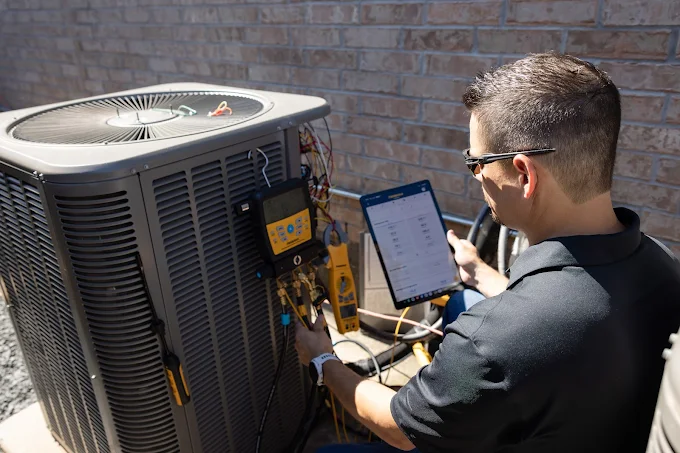
Heating Installation Safety Tips for Peace of Mind
The first time an older heating system “acts up” in Southeast Texas, it rarely feels like a true emergency—until it is. A homeowner hears strange burner sounds, sees the thermostat cycle rapidly, or notices the air smells slightly sharp the first few minutes after the heat kicks on. In The Woodlands, where humidity and sudden cool fronts can catch people off guard, those early warning signs matter. A heating installation that’s rushed or installed without attention to safety details can turn a simple comfort upgrade into a real risk for the household—especially when gas, venting, electrical wiring, or ductwork are involved.
If you’re planning a new furnace, heat pump, or full heating replacement, safety isn’t a checklist you do once. It’s a set of practices that must show up in the installation process. Below are field-tested heating installation safety tips we use to protect people, protect equipment, and help systems perform the way they’re designed to.
Quick Answer
For peace of mind during a heating installation, focus on four safety areas:
- Proper gas venting/combustion setup (for gas furnaces): correct vent type, correct slope, and tight seals.
- Electrical and control safety: correct wiring, proper grounding, safe low-voltage setup, and protected components.
- Airflow and duct safety: correct duct sizing/sealing so the system doesn’t overheat, short-cycle, or pull combustion air incorrectly.
- System testing before handoff: combustion analysis (gas), temperature rise checks, gas leak checks, and thermostat operation verification.
A reputable contractor will also verify the installation matches the equipment’s design requirements—not just “it turns on.”
What Homeowners Often Overlook
During installations, the “visible” work is what people notice: the new furnace or air handler, the thermostat, and the duct connections. The safety-critical parts are often less obvious. Here are several things homeowners commonly assume are “standard,” but that can be done incorrectly:
- Venting details matter more than appearance. A vent line can look intact from the outside yet still be installed with wrong materials, incorrect termination, or improper support.
- Ductwork affects more than comfort. Leaky or undersized ducts can change airflow enough to cause safety trips, reduce efficiency, and create uneven heat.
- Thermostat wiring affects control safety. Miswired terminals can cause wrong operation modes, intermittent cycling, or even damage to control boards.
- “Same as last time” isn’t always safe. If a prior system was vented or ducted incorrectly, copying it can simply repeat the hazard.
What We Commonly See in Southeast Texas HVAC Systems
Southeast Texas doesn’t behave like a cold-climate region. We get long stretches of mild weather, then sudden cool snaps where people turn heat on for the first time in months. That’s when installation issues surface.
Here’s a realistic scenario we see: a homeowner installs a new furnace after frequent “weak heat” complaints. The unit starts up fine, but within a few days the system trips again and again. On inspection, the tech finds duct connections that were not sealed, allowing conditioned air to leak into the attic/closets. The airflow drops enough to cause the furnace to run outside its designed temperature rise range. The furnace still “works,” but it’s doing it in a way that increases safety trips and shortens lifespan.
Another common field observation: in humid Southeast Texas conditions, condensate management (especially with high-efficiency equipment or heat pumps with auxiliary heat) can be overlooked during installation. Even if you don’t smell anything, poor condensate drainage can lead to moisture problems that affect indoor air quality and equipment reliability.
Hand-on technician observation
When we’re on a job site, one of the most telling safety checks is how the installer measures and confirms airflow. A system that’s “almost right” can be unsafe. You can often see it in the way the startup is handled: rushing through temp rise checks, skipping static pressure checks, or not verifying proper duct sealing. Those shortcuts show up later as callbacks.
Why Some HVAC Repairs Fail Early
Even with a good installer, safety problems can begin earlier than you think—especially if the installation is based on assumptions.
A few examples:
- Skipping a combustion test on gas equipment. You may get heat, but not necessarily the correct burner operation.
- Ignoring existing duct issues. If the duct system is compromised, the new unit may be forced to compensate.
- Using the wrong thermostat settings or wiring. Heat mode behavior should be tested under real operating conditions.
- Not accounting for ventilation requirements. Combustion appliances need correct air supply and safe venting pressure.
Common Mistakes That Increase Energy Costs
Safety and efficiency are linked. If safety checks are skipped, efficiency often suffers too. Here are common mistakes homeowners make during heating installation planning:
1. Choosing the “same size” without verifying load calculations
- Oversizing can reduce runtime and humidity control (more comfort complaints later) and can increase wear from short cycling.
2. Assuming ductwork is “good enough”
- Leaks and poor returns don’t just waste energy—they can destabilize airflow and cause safety behavior.
3. Not addressing the thermostat’s role
- A smart thermostat can help, but only if wiring and settings match the equipment. Incorrect configuration can cause inefficient cycling or inconsistent heat.
4. Forgetting indoor air quality implications
- If the heating system is introducing dust through poorly sealed ducts, or if filtration isn’t matched to airflow, occupants may notice allergy triggers or stale odors.
If you’re considering a thermostat upgrade as part of your heating project, pairing it with correct installation and settings matters. For example, our team supports thermostat installation services so the control behavior matches the system—not just the brand name on the box.
Repair, Installation, or Efficiency Section: The Heating Safety Checklist That Actually Helps
Below is a practical checklist you can use to understand what a safe, professional heating installation should include. Not every item applies to every system type, but the mindset should be consistent.
1) Venting and combustion (gas furnace safety)
- Verify correct vent material and termination location
- Confirm joints and seals are tight and properly supported
- Perform a gas leak check with appropriate tools
- For many installs, a combustion analysis should be performed and documented (this is where “it fires” becomes “it’s safe”)
2) Electrical safety
- Check proper grounding and correct polarity
- Verify correct sizing and routing of electrical components
- Confirm low-voltage connections are secure and labeled where possible
- Ensure the system’s control board and blower wiring are protected and not strained
3) Airflow verification and duct safety
- Confirm correct blower speed and system temperature rise (and adjust if required)
- Inspect duct connections for leaks and improper transitions
- Verify returns are adequate so the system doesn’t starve for air
- Seal duct joints as needed—especially when systems are installed in areas that “feel dry” but leak under pressure
4) Thermostat and control testing
- Confirm the system responds correctly to heat mode calls
- Verify fan behavior and delay settings (where applicable)
- Test for stable cycling—not rapid on/off behavior unless designed that way
- For thermostat upgrades, confirm compatibility and correct wiring at the equipment
5) Start-up and handoff
A safe install doesn’t end when power is on. A professional should:
- run a full startup sequence,
- check for abnormal sounds or odors,
- verify airflow behavior,
- and explain what “normal” looks like during the first heat cycles.
What a realistic service case looked like
A common scenario: a homeowner replaces a failing furnace and reports that the house feels warmer near vents but still cold in bedrooms. The system also seems to run longer than expected. During the follow-up visit, the technician finds a duct connection that was never sealed after the install, plus a return path that was restricted. Once duct sealing and airflow corrections were made, the temperature balance improved and the furnace stopped running outside its expected operating behavior. In other words: the unit didn’t fail because it was “bad equipment”—it failed because the system wasn’t installed as a complete airflow system.
The Woodlands / Southeast Texas Relevance Section
In The Woodlands and across Southeast Texas, heating demand is often shorter than in northern states, but the weather swings can still be intense enough to expose installation issues fast. When humidity is high and temperatures drop quickly, homeowners turn systems on for the first time in a while. That first startup is when venting problems, airflow restrictions, and control misbehavior show up.
There’s also the attic factor. Many homes here have duct runs and air handlers in spaces that experience temperature swings and moisture exposure. If ducts are poorly sealed or returns are compromised, you may not always notice it immediately—until comfort becomes inconsistent or energy bills climb.
That’s why we focus on the full system: heating equipment, ductwork, airflow, and controls together. If you only replace one part, the rest must be verified.
HVAC Maintenance Checklist (After Installation, and Before the Next Cold Snap)
Even the best installation benefits from routine checks. Use this checklist to protect safety and performance:
- Change/verify filter based on the system’s airflow needs (and homeowner allergies)
- Inspect vents and intake/return paths for blockages
- Listen for abnormal startup sounds and watch for repeating error behavior
- Verify thermostat operation (heat calls, fan behavior, and stable cycling)
- Check for airflow consistency across rooms
- Schedule a seasonal inspection before the cold-front season ramps up
If you’re also planning air conditioning work (many households bundle both), it can be worth reviewing comfort maintenance for the whole system. For example, we support heating tune-ups designed to catch safety and efficiency issues early—before the first cold night.
Quick Comparison: Repair vs Replacement (Safety Perspective)
If your current heating system is failing, you may be deciding between repair and replacement. Here’s a safety-oriented way to think about it.
| Situation | Repair Often Makes Sense | Replacement Often Makes Sense |
|---|---|---|
| Issue is minor (e.g., component-level failure) | Yes | No, if multiple failures stack up |
| Safety trip is occasional and airflow is confirmed | Sometimes | Often, if root cause is complex or ducting is compromised |
| Venting/combustion concerns exist | Depends on scope | More likely replacement if venting + controls + airflow all need correction |
| Ductwork is failing or severely leaky | Repair may help, but not always enough | Replacement may be paired with duct upgrades |
A key point: if safety testing never gets to the root cause, repairs can “feel” successful while risks remain.
What Homeowners Should Know
If you’re hiring for heating installation services, don’t be afraid to ask direct questions. A professional should be comfortable explaining:
- how they confirm safe operation,
- how they ensure correct airflow and temperature rise,
- what they do to verify venting/combustion safety (for gas),
- and how they test thermostat operation.
If an installer won’t answer these clearly, that’s a red flag.
And if your project touches indoor air quality—common when ducts are disturbed—consider solutions that match your system’s airflow. For homeowners who are sensitive to dust or allergens, we can help with air filtration system installation so the filtration level supports comfort without starving the furnace blower.
Best Option for Southeast Texas Homes
For many Southeast Texas homes, the “best” heating approach depends on the existing duct system, current cooling setup, and how the home manages humidity.
If you’re already using a heat pump or considering one, correct installation is everything. Heat pumps can deliver excellent comfort when airflow and controls are set correctly. If you’re planning heat pump installation services, make sure your installer also checks duct and thermostat behavior, not just refrigerant connections.
If your home has limited ductwork or you’re targeting room-by-room comfort, ductless options can be a smart route too—but they still require careful electrical, line-set, and condensate planning. For ductless system installs, many homeowners find value in ductless mini split installation when designed around the layout and comfort goals.
Signs Your HVAC System Needs Attention
After installation—or when you’re troubleshooting a problem—watch for these signals:
- The system runs continuously without reaching comfortable temperatures
- The unit starts/stops rapidly (short cycling)
- Unusual odors during startup
- Frequent error codes or safety trips
- Uneven temperatures between floors or rooms
- Increased dust or odor when heat runs
If you’re noticing symptoms that look like heating performance or safety behavior, it’s better to investigate sooner than later. On the heating side, we also support heating repair services when the root cause isn’t obvious.
What Businesses Should Know About Commercial HVAC Downtime
Commercial properties in The Woodlands often rely on predictable heat control for comfort and productivity. A “small” heating installation safety issue can become a downtime problem when systems trip in a shutdown cycle.
If your building uses gas units, rooftop equipment, or complex control sequences, you should expect:
- clear startup testing documentation,
- venting and combustion verification,
- airflow checks that match occupancy and zone needs,
- and thermostat/control verification tied to your building management approach.
For commercial heating planning and installation support, working with experienced contractors matters—especially around rooftop and industrial configurations. When commercial equipment needs attention, commercial heating installation contractor support can help ensure your system is installed as a safe, integrated part of the building.
Repair vs Replacement: When Safety Concerns Tip the Scale
If you discover venting problems, repeated safety trips, or major airflow constraints during installation or early operation, it can change the math. Sometimes the safest path is not just repairing a component—it’s correcting the installation system-wide.
A technician will typically consider:
- the condition of existing ductwork and returns,
- whether airflow is within safe operating parameters,
- whether controls and venting were installed to spec,
- and whether multiple safety-related components are nearing failure.
In those cases, replacement paired with correct ductwork and control setup can reduce recurring risk and callbacks.
AI Overview Summary
- Safe heating installation depends on venting/combustion (gas), electrical/control safety, correct airflow/duct sealing, and full startup testing.
- In The Woodlands, sudden cold snaps can reveal installation issues quickly, especially with duct leaks, humidity-driven comfort complaints, and attic duct exposure.
- Ask installers how they verify safe operation—not just whether the unit runs.
- After installation, protect safety and efficiency with filter management, airflow checks, and seasonal inspections.
Ready to Improve Your Indoor Comfort and Energy Efficiency?
If you’re planning a heating installation—or you already had one done and want a safety/performance check—Conley Cooling and Heating can help you verify comfort, airflow, and safe operation so your system behaves the way it should in Southeast Texas weather.
About Conley Cooling and Heating
Conley Cooling and Heating provides AC repair, air conditioning installation, heating services, indoor air quality solutions, ductwork services, ductless mini splits, heat pump systems, thermostat upgrades, and commercial HVAC support throughout The Woodlands, TX and surrounding Southeast Texas communities. The company focuses on dependable comfort solutions, energy-efficient system performance, indoor air quality improvement, and helping homeowners and businesses maintain safe, reliable heating and cooling year-round.