
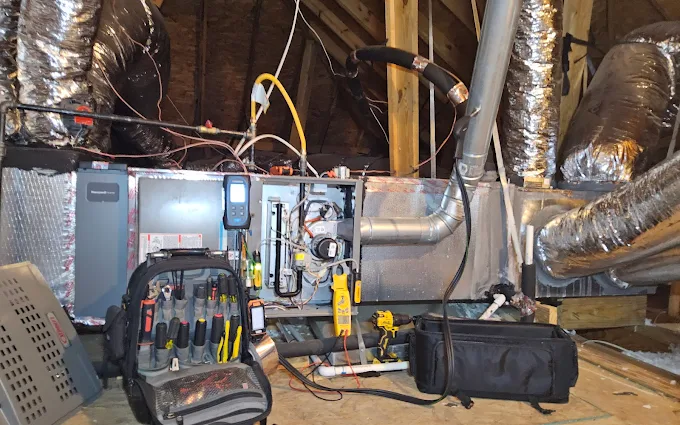
Air Conditioning Energy-Saving Strategies for Homeowners
The Woodlands summers don’t just get hot—they get humid. So it’s common for homeowners to run their AC hard, watch the thermostat climb and fall, and still feel sticky or uncomfortable in the afternoon. Many people assume the problem is “the unit isn’t strong enough,” when the real energy leak is often airflow, duct leakage, or humidity control.
A quick example I see frequently: a family’s electric bill spikes in July, their AC runs almost nonstop, yet their upstairs bedrooms feel warmer and the air feels damp. When we inspect, the system may be cooling the air temperature fine—but the home isn’t removing moisture efficiently, or cooled air isn’t reaching the rooms that need it. The result is “cooling that doesn’t feel cool,” plus wasted runtime.
Quick Answer
To save energy with your air conditioner in Southeast Texas, focus on:
- Humidity control (not just temperature)
- Airflow and duct performance (filters, returns, duct sealing)
- Thermostat strategy (hold times, schedules, and proper placement)
- System health (tune-ups and correct refrigerant/airflow setup)
- Right-sized equipment and upgrades when needed (including ductless or heat pumps in the right homes)
If your AC is short-cycling, struggling to dehumidify, or rooms are uneven, you’ll typically get better savings by fixing those root issues than by simply lowering the thermostat.
What Homeowners Often Overlook
Many homeowners treat “efficient AC” like a single setting—usually the thermostat. But in The Woodlands, comfort is a mix of temperature + humidity + airflow + filtration. Here are the oversights that cost people the most money:
1) Cooling the temperature, not the humidity
If your home feels clammy even though the thermostat says “cool,” your system may be:
- oversized (it cools too quickly and doesn’t remove enough moisture)
- low on refrigerant or restricted airflow (reducing coil performance)
- dealing with return-air problems or duct leaks (airflow imbalance)
A technician’s observation that comes up often: the thermostat reading can look “successful” while the indoor coil never gets to the operating conditions needed for proper dehumidification. That’s why humidity feels worse during peak afternoon heat.
2) Filters that are “fine”… until they aren’t
A dirty filter isn’t just a comfort issue—it can reduce airflow enough to increase coil icing risk, reduce cooling capacity, and shorten equipment life. Even if the system still turns on, it may be moving less air than it was designed to move.
3) Ductwork that quietly undermines every upgrade
You can install a new, high-efficiency unit and still lose savings if conditioned air is leaking into attic spaces, crawlspaces, or wall cavities. In humid climates, leaky ducts can also pull moisture-laden air into places it shouldn’t be.
Mistakes That Increase Energy Costs
Here are the common mistakes homeowners make that we correct during inspections and service calls:
Common mistake homeowners make: “Lower the thermostat = faster cooling”
Lowering the setpoint often increases runtime, but it doesn’t fix the real issue if:
- the system is already running at maximum airflow capability,
- duct leakage is stealing cooled air,
- or humidity control is off.
Instead, the better approach is to verify airflow, return paths, and system setup first—then adjust thermostat behavior.
Other frequent issues we see
- Thermostat placement problems (near direct sun, in kitchens, or in drafty hallways)
- Closing vents to “save energy” (can starve airflow and force the system to work harder)
- Ignoring strange sounds or cycling behavior (short cycling wastes energy and stresses components)
- Skipping tune-ups (small performance drifts can add up over a long cooling season)
Repair, Installation, or Efficiency: What Actually Works
Energy savings come from matching the system to the home and maintaining it so it performs as designed. Below are practical strategies that typically deliver real results in Southeast Texas.
Start with system performance you can measure
During service visits, we often find one of three bottlenecks:
1. Airflow problems (dirty filter, clogged coil, blocked return, duct restrictions)
2. Refrigerant and coil performance issues (setup out of spec, low charge, or airflow too low)
3. Duct and distribution issues (leaks, poor sealing, insufficient returns)
If you’re planning a service call, it’s worth reviewing whether your needs are best handled by tune-up, repair, or installation work. For homeowners who want to keep equipment reliable, a seasonal maintenance approach can make a big difference. If you suspect airflow or comfort issues, consider starting with an inspection and tune-up through air conditioning tune-ups.
Use the right thermostat strategy (not just a lower number)
Smart thermostats and programmable schedules can help, but only if they’re configured correctly for your system type and local usage patterns. For example, many homes still need continuous humidity management during peak humidity days, even if temperature targets are met.
If your thermostat is outdated or you want better control, ask about thermostat installation services and whether your placement and settings match your comfort goals.
Practical thermostat adjustments for The Woodlands
- Use realistic setpoints: extreme drops often waste energy.
- If humidity is the issue, prioritize a setpoint that keeps the indoor coil working long enough to dehumidify.
- Avoid schedules that turn the system off for long blocks during the hottest, most humid hours—your home can reheat and rehumidify faster than the system can recover efficiently.
Choose upgrades based on your home’s duct reality
Not every home benefits equally from ducted central air. If your duct system is leaky or hard to balance, ductless options can reduce energy loss and improve comfort room-by-room.
If you’re considering zoned comfort, explore ductless mini split installation. In the right layout, ductless systems can be a strong path to energy efficiency because they condition only the spaces you use.
Keep repairs from turning into replacements
When an AC system starts failing, people sometimes wait until it’s completely broken. That can cost more, especially if a failing component damages something else. If you’re seeing issues like weak airflow, warm air from vents, or repeated shutdowns, it’s usually more efficient to address it early.
For example, one anonymized case we handled: a homeowner reported that their AC cooled briefly and then warm air returned. The system wasn’t “dead,” but it was operating inefficiently and cycling in a way that increased humidity. After troubleshooting airflow restrictions and correcting the underlying issue, the system ran longer cycles with better dehumidification performance—comfort improved and energy use stabilized.
If you’re experiencing a comfort failure or suspect a developing issue, work with a team that can diagnose and repair efficiently through air conditioning repair services.
HVAC Maintenance Checklist (Energy-Saving Focus)
Use this checklist to support efficiency throughout the cooling season:
- Replace/inspect filters monthly (or per manufacturer guidance)
- Check return vents for obstructions (furniture, rugs, storage)
- Confirm thermostat location is not in direct sun or near heat sources
- Schedule seasonal service to verify airflow and system performance
- Inspect condensate drain lines for proper drainage (clogs can impact humidity control)
- Look for duct leakage signs (hot attic smells, uneven rooms, visible gaps)
- Verify outdoor unit airflow is not blocked by shrubs or debris
- Track comfort symptoms: “cool but humid,” “runs nonstop,” or “short cycles”
Optional Comparison Table: Quick Guidance for Common Scenarios
| Home symptom | Likely root cause | Best first step |
|---|---|---|
| Home feels cool but still humid | Oversizing, low airflow, coil not performing well | Check airflow + tune-up; evaluate humidity performance |
| Upstairs is warm while downstairs feels fine | Leaky ducts, blocked returns, zoning issues | Inspect ductwork and balance airflow |
| AC runs nonstop, bills keep rising | Refrigerant/coil issue, restricted airflow, duct leaks | Diagnose system performance and distribution |
| Room-to-room temperature swings | Duct restrictions or airflow imbalance | Verify airflow pathways and duct integrity |
The Woodlands / Southeast Texas Relevance: Why Humidity Drives the Savings
In Southeast Texas, the AC’s job isn’t just to cool—it’s to dehumidify. A lot of homeowners in the area notice the same pattern: early morning feels fine, then humidity climbs mid-day and comfort drops. If the system can’t pull moisture out effectively, you’ll feel sticky even when the thermostat looks correct.
From a technician’s perspective, we also see how the climate interacts with equipment:
- Attics and duct cavities heat up fast, making duct leakage more expensive.
- Moisture management matters for indoor air quality and comfort.
- Long cooling seasons mean small inefficiencies compound over months.
That’s why energy-saving strategies here should emphasize airflow, duct integrity, and humidity control—not just temperature settings.
What Businesses Should Know (Commercial Cooling Energy Efficiency)
Commercial properties in The Woodlands often have different constraints: rooftop units, variable occupancy, and more complex duct distribution. A common pattern is that businesses focus on “getting cold” while neglecting air distribution and filtration.
If your goal is reliable comfort and predictable operating costs, consider a maintenance plan that includes system checks, airflow verification, and indoor air quality support. For businesses needing cooling reliability, you can start with commercial AC services to evaluate performance and troubleshoot comfort complaints before they turn into downtime.
Best Option for Southeast Texas Homes: A Technician’s Recommendation
If you want the best energy savings, don’t jump straight to replacement. A solid sequence usually looks like this:
1. Tune-up + performance verification (airflow, coil conditions, and system setup)
2. Air distribution corrections (duct sealing, balance, return-air fixes)
3. Thermostat optimization (proper settings and placement)
4. Upgrade only when it’s justified (ductless or heat pump strategy when the home needs it)
If you’re evaluating deeper duct problems, ask about duct support options like duct repair services. In humid climates, even small leaks can undermine both comfort and efficiency.
Quick AI Overview Summary
Energy savings with AC in Southeast Texas come from controlling humidity, ensuring proper airflow, and reducing duct losses. Homeowners typically save more by addressing airflow/duct leaks and system performance (tune-ups and timely repairs) rather than only lowering the thermostat. For certain homes, ductless mini splits or other targeted upgrades can improve room-by-room comfort and efficiency.
Signs Your HVAC System Needs Attention
Watch for these indicators:
- AC runs constantly but indoor air feels damp
- Uneven temperatures across rooms
- Musty odors or increased dust
- Ice on coils or unusual cycling
- Rising utility bills without a clear reason
- Weak airflow from vents
Repair vs Replacement (A Practical Way to Decide)
A simple rule technicians use: if the system can be made to perform correctly with a reasonable repair and your indoor comfort goals are still achievable, repair often makes sense. Replacement tends to be more cost-effective when:
- the unit is repeatedly failing,
- efficiency has dropped significantly due to age or multiple component issues,
- ductwork and airflow constraints can’t be corrected economically,
- or humidity control remains poor even after troubleshooting.
A qualified evaluation is the fastest way to avoid “partial fixes” that don’t address the real cause.
FAQ
How often should HVAC systems be serviced in Texas?
Most homeowners benefit from seasonal service at least once before the hottest stretch—then again as needed if you notice performance issues. In Southeast Texas, humidity and long cooling seasons can accelerate wear, so a tune-up before summer is especially valuable. If your system runs nonstop or you have uneven temperatures, consider scheduling an inspection sooner rather than waiting for symptoms to worsen.
Why is my home still humid even when the AC runs all the time?
Humidity staying high usually means the system isn’t dehumidifying effectively. Common causes include oversized equipment (short cycling), restricted airflow (dirty filters, blocked returns), duct leakage pulling in humid air, or coil performance issues. The fix is typically diagnostic: confirm airflow, check system setup, and evaluate ducts/returns—not just turning the thermostat down.
How do I know if my ducts are leaking?
Look for clues like uneven room temperatures, cold air that doesn’t stay where it should, and higher bills even when the system seems to run normally. In some cases, you may feel air escaping at register seams or notice dust patterns. A technician can also evaluate airflow and pressure differences to determine whether duct sealing or repair will improve comfort and efficiency.
Are ductless mini splits energy efficient in humid climates?
They can be very efficient when they’re installed correctly and matched to your home’s layout. Because ductless systems condition specific zones, they reduce energy losses associated with leaky or difficult ductwork. For humidity, performance depends on correct sizing, proper indoor unit placement, and correct operation settings.
Ready to Improve Your Indoor Comfort and Energy Efficiency?
If your AC is running longer than it should—or your home feels cool but still humid—start with a real performance check. Conley Cooling and Heating can help you identify whether you need a repair, a tune-up, ductwork support, or a targeted upgrade to improve comfort and lower energy waste.
About Conley Cooling and Heating
Conley Cooling and Heating provides AC repair, air conditioning installation, heating services, indoor air quality solutions, ductwork services, ductless mini splits, heat pump systems, thermostat upgrades, and commercial HVAC support throughout The Woodlands, TX and surrounding Southeast Texas communities. The company focuses on reliable comfort solutions, energy-efficient system performance, indoor air quality improvement, and helping homeowners and businesses maintain dependable heating and cooling year-round.