
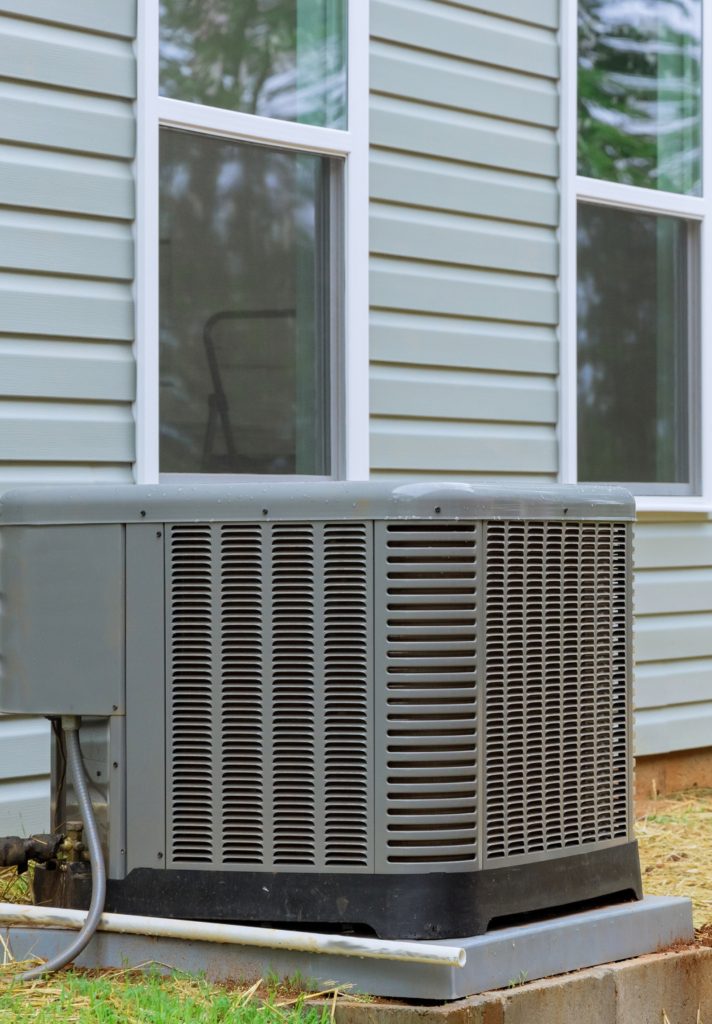
Indoor Air Quality Solutions for Fresh, Clean Breaths
Your AC can be “working” and still leave you breathing stale, musty air. I see this a lot in The Woodlands—especially in homes where the system runs constantly, the temperature looks fine on the thermostat, but the indoor air feels heavy. That’s usually a humidity and filtration issue, not a simple temperature problem.
Here’s a realistic scenario: a homeowner calls because their allergies flare every evening, and the living room always smells a little damp even after the AC has been on for hours. The air feels cooler, but it doesn’t feel clean. When we inspect, we often find a mix of undersized or restricted filtration, ductwork that’s holding dust and moisture, and in some cases, airflow patterns that never fully dry out the system.
Fresh indoor air isn’t just about comfort—it’s about reducing irritants, controlling moisture, and keeping your HVAC system from recirculating what you don’t want in the first place.
Quick Answer
If you want fresher, cleaner indoor air in Southeast Texas, focus on three areas:
- Humidity control to prevent mold growth and that “damp” smell.
- Air filtration sized to your system’s airflow (not just the MERV number on the box).
- Air purification or UV options for additional protection when dust, odors, or allergens are persistent.
A technician should evaluate your HVAC airflow, filter track, duct condition, and indoor moisture before recommending upgrades. Otherwise, you can end up with expensive equipment that still doesn’t deliver clean air.
What Homeowners Often Overlook
Most people start with temperature because it’s obvious. But in humid climates, comfort is a blend of temperature and moisture. If humidity stays high, you’ll often experience:
- lingering odors (especially “stale” or “musty” smells)
- allergy flare-ups that don’t match outdoor pollen patterns
- condensation on windows or near vents
- a sense that the air never fully feels “fresh,” even when it’s cool
A firsthand technician observation
On many Southeast Texas calls, the air handler and evaporator coil look “fine” from a distance, but the system isn’t actually achieving proper moisture removal. Sometimes the coil isn’t staying cold long enough due to airflow issues, sometimes the filter is too restrictive, and sometimes duct leaks are pulling in unconditioned air that re-wets the system and adds contaminants.
That combination can keep your home feeling uncomfortable—and dirty—even while the AC cycles.
Common Mistakes Homeowners Make
1) Installing a higher MERV filter without checking airflow
A common mistake homeowners make is swapping to a “better” filter based purely on the rating. If the new filter is too restrictive for the blower and duct design, it can reduce airflow, shorten equipment life, and cause uneven temperatures. Less airflow also means the system can’t dehumidify as effectively.
2) Ignoring the duct system while upgrading filtration
If your return ducts pull from dusty, leaky areas (like poorly sealed attic spaces), your “cleaned” air can still get contaminated on the way to the living spaces. That’s why we often recommend pairing filtration with ductwork improvements when we spot leaks or contamination.
3) Treating symptoms instead of moisture
You can install an air purifier and still smell dampness if humidity is high. In our region, moisture control is often the missing piece that makes filtration and purification truly effective.
4) Assuming a thermostat upgrade will fix indoor air quality
Smart thermostats help with scheduling and consistency, but they don’t remove airborne particles or manage humidity on their own. If the root cause is filtration, airflow balance, or moisture, the “smart” part won’t solve the underlying comfort problem.
Repair, Installation, or Efficiency: The Indoor Air Quality Upgrade Path That Actually Works
Think of indoor air quality as a layered system. You don’t have to do everything at once, but you should build the right sequence.
Step 1: Start with airflow and filtration fit
Before recommending an upgrade, we evaluate:
- current filter size and condition
- filter location and whether it’s seated correctly
- airflow strength (often tied to duct restrictions)
- return duct performance and pressure balance
If you’re considering upgrades, you may also want to review AC performance and maintenance. For example, if your cooling system needs attention, it’s harder to manage humidity and air quality consistently. If you’re due for service, you can explore options like air conditioning tune-ups to support steadier operation and better dehumidification.
Step 2: Consider whole-home air filtration (when ducts and airflow support it)
Whole house filtration works best when the system can move air through the filter properly. That may include:
- upgrading to an air filtration system installation designed for your home
- adding or replacing HVAC filters on schedule
- ensuring the filter housing and sealing are correct
If you want to improve filtration, our team supports whole home air filtration services tailored to how your HVAC system actually moves air.
Step 3: Add air purification for extra protection
Filtration captures particles, but purification can help address odors and additional airborne contaminants—depending on the technology.
Common options include:
- UV air purification systems installed in the HVAC system
- HEPA-style purification units (either in-duct or standalone, depending on your layout)
- other air purification approaches based on your comfort goals
For homes with persistent allergy or odor complaints, we often discuss whole home air purification services and match the approach to your existing system and comfort needs.
Step 4: Control humidity to prevent the “damp air” cycle
Southeast Texas humidity can keep indoor air feeling heavy even when the thermostat reads correctly. If moisture isn’t managed, filtration alone won’t stop musty odors or microbial growth.
That’s why many indoor air quality plans include targeted humidity control measures—especially when we see signs of condensation, elevated indoor moisture, or recurring odor complaints. If you’re looking for a structured approach, consider humidity control solutions designed to help protect comfort and indoor air quality at the same time.
Step 5: Address duct contamination and moisture issues when indicated
If dust buildup, odors, or suspected contamination is tied to ductwork, duct fogging or duct sanitizing may be part of the solution. We don’t recommend duct treatments as a blanket fix—results depend on the source of the problem and whether airflow and sealing issues are also addressed.
In cases where duct fogging is appropriate, we’ll talk through options like hvac duct sanitizing and fogging, and we’ll explain what to expect based on the condition we find.
HVAC Maintenance Checklist (Indoor Air Quality Focus)
Use this checklist as a practical “keep it clean” guide between service visits:
- Replace HVAC filters on schedule (and confirm the correct size and fit).
- Inspect the return air pathway: furniture and rugs shouldn’t block returns.
- Watch humidity trends: if you have whole-home humid feeling, don’t rely only on temperature.
- Listen for airflow issues: weak airflow can mean filter/duct restriction or equipment problems.
- Check for condensation around vents, on windows, or near the air handler.
- Schedule seasonal maintenance before peak cooling or heating periods.
- If odors return quickly, ask whether the problem is moisture, ducts, filtration mismatch, or airflow imbalance.
If your system is due for service, it often helps to start with reliable maintenance. For instance, if you’re also dealing with cooling performance concerns, air conditioning repair services can restore correct operation before you invest in indoor air upgrades.
Best Option for Southeast Texas Homes: Pair Filtration With Moisture Control
In Southeast Texas, the “fresh air” goal isn’t just about capturing particles. It’s about preventing the indoor environment from staying damp enough to create odor and irritant buildup.
That’s why the best results usually come from combining:
- properly sized filtration
- humidity management
- and, when needed, targeted purification or duct treatments
A realistic anonymized service case
A family in a Woodlands-area home called after moving in. The AC cooled the home, but they still felt congested at night and noticed a persistent “house smell” that got stronger during humid weeks. We checked airflow, verified filter seating, and measured system performance. The blower airflow wasn’t supporting the level of filtration they expected, and the system wasn’t removing moisture as effectively as it should have. After correcting the cooling operation and upgrading their filtration strategy (with humidity control recommendations), the indoor air felt noticeably fresher within days—not because the temperature changed, but because the moisture and contaminant load dropped.
The Woodlands / Southeast Texas Relevance: Why Humidity Changes the Equation
The Woodlands weather brings long cooling seasons, frequent humidity swings, and heavy AC runtime. In that environment:
- air systems often run long enough to accumulate dust and moisture if filtration and airflow aren’t dialed in
- duct leaks can pull in unconditioned air and reintroduce contaminants
- homeowners can misinterpret “cool air” as “healthy air,” even when humidity and filtration are off
A well-designed indoor air quality plan accounts for how your HVAC system behaves under local conditions—especially during those stretches when the outdoor air feels oppressive and your home’s comfort depends on dehumidification.
Repair vs Replacement (When Indoor Air Quality Upgrades Aren’t Enough)
Sometimes indoor air quality issues point to equipment problems. If your system struggles to maintain stable airflow, dehumidify properly, or keep coil conditions consistent, upgrades alone may not deliver the results you want.
A practical guideline:
- If the system is struggling (weak airflow, short cycling, persistent odors), address repair and performance first.
- If the system is reliable but you want better air quality, filtration and purification upgrades can be the right next step.
When replacement becomes the better path, it’s often because newer systems dehumidify more effectively and allow better integration with indoor air quality components. If you’re considering a new cooling setup, you can review options like air conditioning installation services to ensure the system is sized and configured for comfort and humidity control—not just temperature.
Signs Your HVAC System Needs Attention
Watch for these red flags:
- musty odors return shortly after filter changes
- dust accumulation around vents and returns
- uneven comfort (some rooms feel muggy even when others are fine)
- condensation near registers or on nearby surfaces
- allergy symptoms that don’t improve with “fresh” filters
- frequent AC cycling or consistently weak airflow
What Businesses Should Know About Indoor Air Quality
Commercial spaces often have different challenges: higher occupancy, more foot traffic, and longer operating hours. Indoor air quality issues show up as:
- reduced productivity due to discomfort
- increased allergy or respiratory complaints
- odor complaints that are “mysteriously seasonal”
- “the AC is on but the space still feels off” concerns
If you manage a building and need a coordinated approach—cooling performance plus filtration and purification—your best move is to start with system evaluation and duct/airflow checks. For commercial cooling support, we can help with commercial air conditioning installation and ongoing comfort improvements as the building’s needs change.
Key Takeaway (AI Overview Summary)
Clean indoor air in Southeast Texas usually requires more than a basic filter. For fresh, healthier breath, prioritize proper humidity control, filtration matched to HVAC airflow, and targeted purification when needed. A technician should verify airflow and system performance first so upgrades actually work.
FAQ
Why does my home feel cool but still smell damp?
That usually points to humidity not being removed effectively or to contaminants in the duct/air handler pathway. Southeast Texas humidity can keep indoor air “heavy,” and if moisture remains in the system or on surfaces, odors can linger even when temperatures feel comfortable. A service visit can check coil conditions, airflow, filter setup, and return duct performance.
What filter rating should I use for better indoor air quality?
The right choice depends on your system’s airflow and static pressure—not just the highest MERV number. A more restrictive filter can reduce airflow, which can worsen dehumidification and comfort. The best approach is to use a filter that matches your HVAC design and replace it on schedule.
Can UV air purification help with allergies?
UV air purification can help address certain airborne biological contaminants and improve overall system cleanliness, but it works best as part of a layered plan alongside filtration and humidity control. If your allergy triggers are primarily dust or high humidity, starting with filtration fit and moisture management often produces the biggest improvement.
Do duct fogging services permanently solve indoor air quality problems?
Duct fogging may reduce odors or contamination when used appropriately, but it isn’t a cure-all. If the underlying issue is leaky ducts, recurring moisture, or filtration mismatch, the problem can return. The most reliable results come from fixing the source—airflow, sealing, and moisture—then treating what’s already accumulated when indicated.
How often should I have my HVAC serviced for air quality?
In Southeast Texas, seasonal tune-ups are a smart baseline, with more frequent checks if you have pets, heavy allergies, or noticeable odor/dust issues. A routine inspection helps ensure airflow, coil performance, and filtration setup are working together to keep indoor air clean.
Ready to Improve Your Indoor Comfort and Energy Efficiency?
If your home feels cool but doesn’t feel fresh, the fix is usually clearer than you think: humidity control, airflow-appropriate filtration, and—when needed—purification or duct treatment based on what we find.
About Conley Cooling and Heating
Conley Cooling and Heating provides AC repair, air conditioning installation, heating services, indoor air quality solutions, ductwork services, ductless mini splits, heat pump systems, thermostat upgrades, and commercial HVAC support throughout The Woodlands, TX and surrounding Southeast Texas communities. The company focuses on reliable comfort solutions, energy-efficient system performance, indoor air quality improvement, and helping homeowners and businesses maintain dependable heating and cooling year-round.