
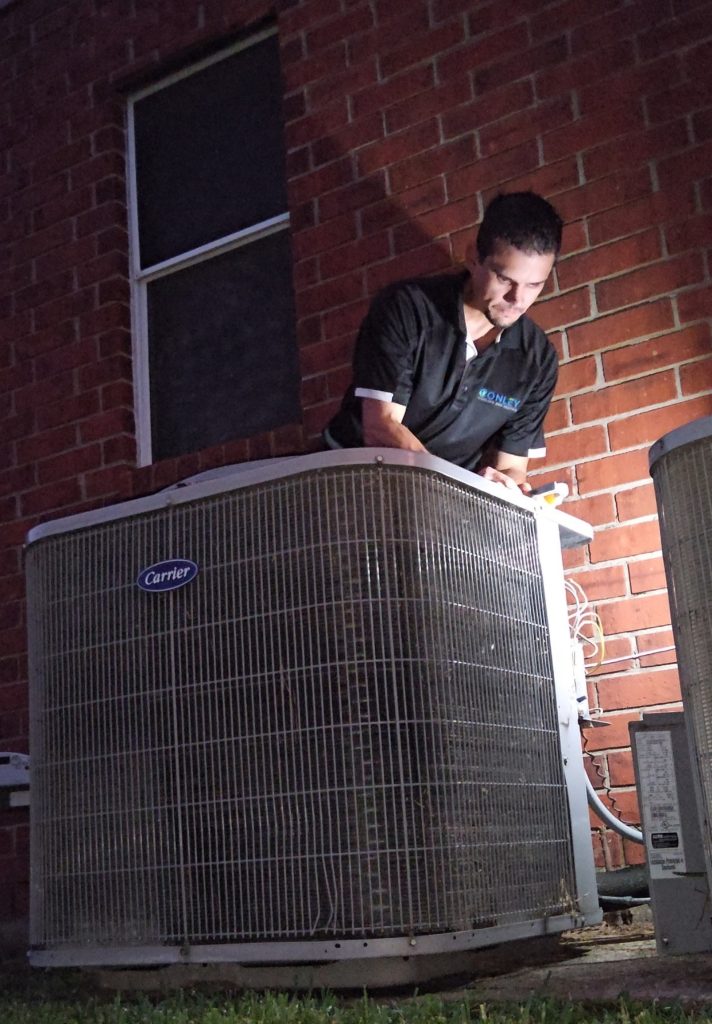
Breathe Easier: Indoor Air Quality Upgrades That Work
Last summer, a homeowner in The Woodlands called because their AC was “working”—the thermostat showed the right temperatures—but the house didn’t feel right. The air felt stale, bedrooms were stuffy by evening, and allergies seemed worse even after filter changes. The problem wasn’t just temperature. In Southeast Texas, humidity, airflow, and filtration work together. If one part is off, the whole system can underperform.
Indoor air quality upgrades aren’t about adding gadgets for the sake of it. They’re about matching the right solution to what’s actually happening in the home—especially when the cooling system is cycling, ducts are leaking, or moisture is lingering.
Quick Answer
If you want to breathe easier, focus on the “big three” that most often drive indoor air quality issues in Southeast Texas:
- Proper filtration (right filter type and correct airflow)
- Humidity control (keeping moisture low so air feels cleaner and fresher)
- Clean, sealed ductwork (reducing dust and contaminants that get redistributed)
A professional assessment is what prevents wasted money—because the best upgrade depends on whether your issue is filtration capacity, humidity load, duct leaks, or airflow problems.
What Homeowners Often Overlook
Most homeowners start with the filter. That’s good—but it’s also where many people stop.
Here’s what we commonly see during on-site checks:
- The AC runs, but humidity stays high because the system can’t dehumidify effectively (oversized equipment, poor airflow, or refrigerant/coil issues).
- The furnace/air handler pulls air through a filter that’s not sized for the system’s actual airflow, or the filter is installed incorrectly.
- The filter may be “new,” but dust is coming from leaky ducts, return pathways, or supply registers that stir settled debris.
- Air purification devices are installed without confirming where contaminants are entering the system (and whether the home has duct leakage or imbalance).
What We Commonly See in Southeast Texas HVAC Systems
The Woodlands and much of Southeast Texas have one consistent theme: long cooling seasons with high humidity. That affects indoor air quality more than many people realize.
A realistic scenario we’ve handled
A family replaced their air filters, ran the AC constantly during peak humidity, and still woke up with dry cough and nasal irritation. During the inspection, we found:
- supply air volumes were uneven (some rooms were getting cooled air, others weren’t),
- return airflow was restricted (the system was “short-cycling” comfort),
- and the home had duct leakage that allowed dust from unconditioned spaces to enter the air stream.
Even with fresh filters, those conditions keep reintroducing contaminants and moisture-driven odors.
Firsthand technician observation
One technician-level detail that matters: coils and airflow must work as a matched set. If the evaporator coil doesn’t get the airflow and temperature conditions it needs, the system won’t remove moisture consistently. That’s how you end up with “cold enough” air that still feels uncomfortable and carries allergens and irritants.
Common Mistakes That Increase Energy Costs
Indoor air quality upgrades can save money—but only if they’re paired with correct system operation. These are the mistakes we most often see:
1. Changing filters but ignoring filter fit and airflow
- A filter that’s the wrong size or installed incorrectly can bypass the media or restrict airflow.
2. Assuming “bigger AC” means better comfort
- Oversized systems may cool quickly but don’t run long enough to dehumidify. The result: higher indoor humidity and a mustier feel.
3. Upgrading air purification without duct or humidity checks
- If ducts leak or humidity remains high, purified air can still get diluted with contaminated air from outside the conditioned space.
4. Treating ductwork like it’s either “clean or dirty”
- Ducts can be clean on the surface yet still contribute to poor air quality due to leaks, poor sealing, or airflow imbalance.
What Actually Improves Indoor Comfort and Efficiency
Think of indoor air quality as a system. The best results come from upgrades that reinforce how your HVAC already moves air.
1) Air filtration that matches real airflow
A high-quality filtration approach depends on your equipment and duct design. In practice, that means:
- confirming your air handler’s airflow,
- selecting filtration appropriate to the system,
- and ensuring proper installation (no gaps, no bypass).
If you’re considering filtration upgrades, it helps to review options like air filtration system installation tailored to your home’s airflow patterns. For more on how airflow and performance connect, you can also explore air filtration system installation.
2) Whole-home air purification (when it’s applied correctly)
For many Southeast Texas homes, filtration alone isn’t enough—especially if you have pets, frequent visitors, or allergy concerns. Whole-home purification can target airborne particles and odors, but it should be installed where it can actually process the air your system moves.
If you want a technician-led look at options, start with air purification system installation and then pair it with humidity and ductwork improvements as needed.
3) Humidity control that makes the air feel cleaner
When humidity is controlled, air often feels fresher even before anyone changes filters. Humidity control helps:
- reduce the “sticky” discomfort that makes people run the thermostat colder,
- discourage some moisture-related issues,
- and improve the effectiveness of filtration and purification.
This is where a targeted approach like humidity control services can make a noticeable difference—especially in bedrooms and rooms far from returns.
4) Duct sealing and repair to stop contamination from re-entering the system
Leaky ducts don’t just waste energy. In many homes, they also move dust and contaminants from attics, crawlspaces, and wall cavities into the air path.
If your inspection shows leakage or poor distribution, duct sealing and repairs can support every other upgrade. That’s why we often recommend evaluating duct repair services as part of an indoor air quality plan.
Repair, Installation, or Efficiency: The Practical Path
A clean plan usually looks like this:
Step 1: Diagnose the comfort problem first
Ask questions like:
- Does the home feel cool but still humid?
- Are some rooms consistently warmer or smellier?
- Do allergies flare at certain times of day?
- Has anyone noticed dust collecting faster than usual?
Then check:
- airflow across rooms,
- humidity performance during cooling,
- filter condition and placement,
- and evidence of duct leakage or return restrictions.
Step 2: Fix what’s blocking performance
If the system isn’t operating correctly, air quality upgrades can’t fully compensate. Depending on what’s found, this may include:
- air conditioning tune-ups to restore airflow and coil performance,
- or repairs to address airflow limits and comfort failures.
If your system has been neglected, it’s worth reviewing AC service needs like air-conditioning tune-ups before investing in additional indoor air quality equipment.
Step 3: Install upgrades that match the diagnosis
After performance is stable, you can select upgrades such as:
- filtration improvements,
- whole-home air purification,
- UV air purification systems (for certain setups),
- or humidity management upgrades.
A realistic case example (anonymized)
A homeowner near The Woodlands noticed their utility bills climbed during summer, and their living room always felt “cool but damp.” After an inspection, we found the system wasn’t removing moisture reliably and the ductwork had several leakage points near an attic transition. Instead of only swapping filters, the solution included:
- addressing comfort performance issues,
- sealing duct sections that were pulling in attic dust/moisture-laden air,
- and adding a filtration upgrade sized for the system’s airflow.
Within weeks, the home felt less stale and the AC didn’t run in the same uncomfortable pattern.
HVAC Maintenance Checklist
If you want breathing-room improvements that last, keep your HVAC’s air-moving and moisture-handling components in good shape. Here’s a practical checklist for Southeast Texas homes:
- Replace HVAC filters on schedule (and confirm correct size/fit)
- Inspect return and supply vents for dust buildup and blocked airflow
- Check indoor humidity (especially during long cooling runs)
- Schedule seasonal maintenance before the hottest weeks
- Watch for airflow changes (rooms getting warmer/dustier faster)
- Have ductwork inspected if you notice odd smells, uneven temperatures, or rapid dust accumulation
- Clean or service the condensate drain area to help prevent moisture issues
- Confirm thermostat placement and calibration—avoid direct sun and heat sources
Key Takeaway
The best indoor air quality upgrades are the ones that fix the root causes—humidity, airflow, and duct leakage—not just the symptoms. In Southeast Texas, that usually means pairing filtration and purification with humidity management and ductwork performance checks.
Quick Comparison: Common Upgrade Combinations
| What You’re Experiencing | Most Likely Driver | Upgrade Path That Usually Works |
|---|---|---|
| Stuffy air + allergies | Filtration mismatch / airflow issues | Filtration upgrade + airflow verification |
| Musty smell even when AC runs | High humidity / coil moisture | Humidity control + AC performance check |
| More dust in certain rooms | Duct leakage / imbalance | Duct repair/sealing + system balancing |
| Odors linger after guests | Airborne particles/odors | Purification upgrade + properly sized filtration |
The Woodlands / Southeast Texas Relevance
In this region, humidity can undermine comfort even when temperatures are controlled. Homes may cool quickly but still feel damp or stale because:
- cooling equipment doesn’t always dehumidify effectively,
- duct leakage can introduce contaminants from unconditioned spaces,
- and long run-times can expose weaknesses in filtration and airflow.
That’s why indoor air quality upgrades should be planned around how your system performs under real local load—not just what it does on a mild day.
What Businesses Should Know About Indoor Air Quality
Businesses in Southeast Texas often get the “comfort complaints” before equipment fails: headaches, throat irritation, and productivity dips. In commercial settings, indoor air quality upgrades should also consider:
- occupancy patterns,
- outdoor air intake,
- and the ability of the HVAC system to maintain consistent airflow.
If you manage cooling for a commercial space, it can help to review how commercial air systems are maintained and supported, such as commercial air conditioning installation when upgrades are needed.
Signs Your HVAC System Needs Attention
Look for these red flags:
- The AC runs often, but humidity feels high
- Rooms are uneven (some feel damp, others feel dry)
- Filters look clean but dust accumulates quickly
- Musty odors show up after rainstorms or during peak humidity
- Allergy symptoms spike when the AC is running
If you see multiple signs together, you likely need more than a basic filter change.
Ready to Improve Your Indoor Comfort and Energy Efficiency?
If your home or business feels cool but still uncomfortable—or your allergies keep acting up—Conley Cooling and Heating can help you identify what’s actually driving the indoor air quality problem and recommend upgrades that fit your system.
About Conley Cooling and Heating
Conley Cooling and Heating provides AC repair, air conditioning installation, heating services, indoor air quality solutions, ductwork services, ductless mini splits, heat pump systems, thermostat upgrades, and commercial HVAC support throughout The Woodlands, TX and surrounding Southeast Texas communities. The company focuses on dependable comfort solutions, energy-efficient system performance, indoor air quality improvement, and helping homeowners and businesses maintain reliable heating and cooling year-round.