
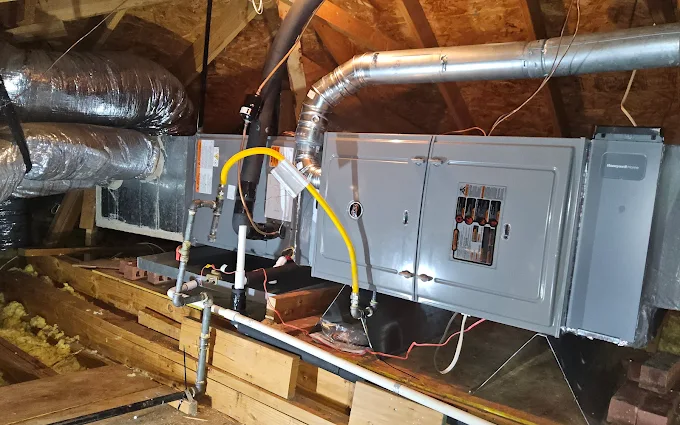
Air Conditioning Airflow Design for Consistent Cooling
Last summer, a homeowner in The Woodlands called us because their AC “worked,” but the comfort didn’t. The thermostat would hit the set temperature in the hallway, yet the bedrooms stayed warm—especially in the late afternoon. The air coming out of the vents wasn’t blowing weakly, either. It was just… uneven.
That’s a common Southeast Texas problem: your system can run, use plenty of electricity, and still fail at consistent cooling because airflow design wasn’t matched to the home. In humid climates, airflow issues also hide behind “temperature accuracy.” You might feel cool near the living room while the rest of the house stays too warm and too wet—until humidity and comfort complaints pile up.
Quick Answer
Consistent cooling depends on more than an AC unit that turns on. Proper airflow design means the system can move the right amount of conditioned air through the right duct paths at the right pressure—while maintaining humidity control. If rooms are uneven, airflow is usually being restricted (dirty filters/coil, leaky or poorly designed ducts, closed dampers, incorrect supply/return balance, or an improperly sized system).
For the fastest path to comfort, we typically start by checking static pressure, airflow balance, duct leakage, and the condition of the indoor coil and blower system. In older homes, ductwork condition and distribution problems are often the real culprit.
What Homeowners Often Overlook
Most homeowners troubleshoot comfort like this: “The thermostat says it’s cool, so the AC should be fine.” But thermostats measure air at one location. They don’t measure how the system performs across the whole duct system.
In The Woodlands-area homes, we also see situations where the system cools the air temperature but doesn’t remove enough moisture. That’s why a house can feel “cold-ish” while still feeling sticky in certain rooms. Humidity builds when airflow is short-cycling or when supply air doesn’t reach the spaces that need it most.
A realistic scenario we see
- The living room is comfortable.
- Master bedroom feels clammy and warmer.
- Guests’ room is either much colder or never seems to drop below “warm.”
- Utility bills rise, and the AC runs longer, but comfort doesn’t improve.
When we inspect, we often find one of the following:
- Return air is inadequate or located in the wrong spot (the system pulls air from the easiest place, not the whole home).
- Ducts are leaky, undersized, or kinked/flattened behind walls.
- The blower speed or airflow settings were not verified during install or previous service.
- The filter was frequently changed too late, increasing resistance and reducing delivered airflow.
Signs Your HVAC System Needs Attention
Airflow problems don’t always show up as a total failure. Here are the comfort clues that usually point to airflow design, ductwork, or system setup:
- Warm rooms with the AC running: supply air may not be reaching those areas effectively.
- Cold air blasting in some rooms while others stay warm: supply/return balance is off.
- Frequent temperature swings: the system may be short-cycling or running at an airflow rate that can’t stabilize comfort.
- Visible dust patterns near vents or frequent dust buildup: often linked to duct leakage and poor filtration practices.
- Musty odors when the system starts: can indicate moisture issues, dirty coils, or airflow/condensate problems.
- Humidity feels higher than it should even when the thermostat setpoint is reasonable: a sign of inadequate dehumidification airflow and/or coil performance.
Hand-on-the-truck technician observation
On many service calls, we find that the supply temperature isn’t the whole story. During a recent inspection at a home with persistent bedroom comfort issues, we measured airflow and found the system was pushing air—just not efficiently through the duct network. The blower was doing work against restriction, and the result was uneven distribution: some rooms got strong airflow, while others didn’t receive enough to stay dry and comfortable. That’s why the temperature “at the thermostat” looked fine, but the bedrooms stayed damp and warm.
Common Mistakes Section
Common mistake homeowners make: replacing the AC without fixing the airflow
It’s tempting to think the solution is “a bigger unit.” But in humid climates, oversized or improperly configured systems often reduce humidity control, leaving the home feeling clammy even when temperatures look acceptable.
Here’s what we see after replacements:
- The duct system hasn’t changed, but the new equipment’s airflow characteristics are different.
- The installer may not have verified static pressure and airflow distribution.
- The thermostat location and settings are left unchanged.
- Airflow dampers or balancing devices are not addressed.
The outcome is predictable: the home still has hot spots, humidity remains stubborn, and energy use stays high.
Other frequent issues that sabotage airflow
- Filters replaced too infrequently (especially with pets, allergies, or high dust levels).
- Blocked return paths (furniture, door gaps not present, or closed returns).
- Closed dampers or poorly adjusted registers after a past renovation.
- Undersized or leaky ducts that were never sealed or rebalanced.
- Dirty indoor coils that reduce heat transfer and force the system to run longer.
Repair, Installation, or Efficiency: What Actually Improves Indoor Comfort
Airflow design is a system-level conversation: equipment performance + ductwork + balancing + controls. If you want consistent cooling, you need the whole chain working together.
Step-by-step: how we typically approach airflow consistency
1. Check airflow resistance and system setup
- Indoor coil condition
- Blower speed and operating mode
- Filter condition and cabinet sealing
- Static pressure and temperature splits (not just “it blows air”)
2. Evaluate distribution and duct leakage
- Identify supply/return imbalances
- Inspect ducts for leaks, crushed sections, or poor routing
- Verify that returns can pull air from the same areas supplies serve
3. Confirm comfort strategy for humidity control
- Run profile matters in Southeast Texas
- If the system can’t move enough air across the coil at the right time, dehumidification suffers
4. Address ductwork when needed
- Seal leaks and fix damaged sections
- If ducts are fundamentally mismatched, repair may not fully solve the problem
HVAC ductwork recommendation (often overlooked)
If uneven cooling has been going on for years, ductwork is frequently the missing piece. In those cases, we may recommend duct repairs and sealing to reduce leakage and improve airflow delivery.
If you’re weighing ductwork improvements, you can read more about air duct repair contractor options we commonly support—especially when comfort complaints point to distribution problems.
Real anonymized service case
A small business in Southeast Texas had a rooftop AC unit that “met temperature targets” in the lobby but left back-office spaces humid and uncomfortable. Employees complained first—then productivity dropped. Our assessment found that supply air was being distributed unevenly and that return airflow paths were inadequate. After duct sealing and adjusting airflow distribution, the back offices stabilized much faster, and the unit cycled more consistently. The big takeaway: the equipment wasn’t the only issue; the building’s airflow strategy was.
The airflow-meets-controls piece: thermostat and zoning
Even with good ductwork, controls matter. If the thermostat is in a location that sees different solar gain or airflow patterns than other rooms, the system can “solve” the wrong problem. That’s where thermostat upgrades can help—especially when paired with proper airflow.
If you’re considering a control upgrade, explore smart thermostat installation company support to improve how the system responds to real conditions in your home.
Optional Comparison or Cost Table
Here’s a practical way to think about where problems usually originate when cooling is inconsistent:
| Comfort Symptom | Most Likely Cause | What We Check First |
|---|---|---|
| One room hot, rest mostly cool | Duct distribution/return imbalance | Supply reach + return adequacy |
| Whole home feels cool but humid | Dehumidification not happening well | Coil condition + airflow rate |
| Cold air blasts in some rooms | Oversupplied outlets / balancing issue | Register balancing + pressure |
| System runs longer than expected | Restriction (filter/coil) or duct leakage | Static pressure + duct leakage |
Costs vary by home size, duct condition, and equipment age, but the best “value” usually comes from diagnosing airflow and duct performance before assuming the only fix is equipment replacement.
The Woodlands or Southeast Texas Relevance Section
The Woodlands has a long cooling season and high humidity. That means:
- Airflow issues rarely stay “just temperature problems.” They quickly become comfort and moisture problems.
- Attics and exterior walls can add heat gains that increase load during peak afternoons.
- Many homes have ductwork that was installed or modified over time—sometimes during renovations—without full airflow rebalancing.
In other words, even if your AC seems to operate normally, the climate amplifies airflow inefficiencies. That’s why a home can feel uncomfortable even when the thermostat reads “correct.”
Best Option for Southeast Texas Homes
If you’re trying to decide where to start, here’s a technician-style recommendation:
- If only certain rooms are off, start with airflow distribution and duct/return balance.
- If the home stays humid even when temperatures are acceptable, focus on airflow across the coil and humidity control.
- If comfort issues began after a remodel, check duct routing and return paths.
- If allergies or dust are also problems, consider pairing airflow corrections with indoor air quality improvements.
For homes where airflow and air cleanliness are both priorities, we often coordinate improvements with whole house air filtration services to match filtration performance to your system’s airflow.
HVAC Maintenance Checklist
You don’t need to be an HVAC technician to protect airflow. These checks help prevent comfort drift:
- Replace the air filter on schedule (and sooner if it loads quickly)
- Inspect return grilles for blockage (furniture, rugs, storage)
- Clear registers and vents (no furniture/curtains restricting airflow)
- Keep outdoor unit area clear of debris and vegetation
- Watch for “comfort creep”: rooms gradually changing over weeks
- Schedule tune-ups before peak summer demand
If your system is due for maintenance, you can also review air conditioning tune-ups as part of a comfort-focused seasonal plan.
Repair vs Replacement
Sometimes repairs solve the airflow problem. Other times, the system’s setup and duct limitations make replacement plus modifications the smarter route.
Repair often makes sense when:
- Duct leakage is the main driver and can be corrected
- Coil/blower issues are restricting airflow
- Controls and thermostat placement can be optimized
- The system is relatively new but was set up incorrectly
Replacement may be the better long-term move when:
- The equipment is older and frequently cycling due to failing components
- The indoor coil or blower problems repeat and cost rises
- Ductwork limitations are severe and the new system can be paired with meaningful airflow corrections
If you’re unsure, a proper assessment should include airflow verification—not just a quick temperature check.
What Businesses Should Know About Commercial HVAC Downtime
Commercial spaces often experience airflow complaints before equipment failure. When supply air distribution is off, employees notice discomfort quickly: hot corners, cold aisles, and persistent humidity can lower productivity.
For businesses evaluating cooling performance, we can support both diagnosis and restoration through commercial AC services. The goal is consistency—so you don’t have “cool in one zone, uncomfortable in another” cycles that lead to repeated service calls.
FAQ
How do I know if my uneven cooling is an airflow or equipment problem?
If the AC runs but specific rooms remain warm (or only certain areas feel cold), it’s often airflow distribution or return-air balance. Equipment issues can contribute, but they usually show up as whole-home performance problems (or symptoms like low refrigerant, failing components, or consistent temperature swings). A technician can confirm airflow and coil performance, then evaluate duct and return paths.
Can a new AC system fix comfort issues if my ducts are leaking?
It can improve overall performance, but leaking ducts often still prevent consistent cooling. A new unit may deliver more capacity, but if air escapes before it reaches the intended rooms, humidity control and comfort will remain uneven. That’s why we recommend diagnosing duct leakage and airflow balance before assuming replacement alone will solve everything.
Why is my house humid even though the AC is running?
Humidity can remain high if airflow across the evaporator coil isn’t adequate, if the coil is dirty, or if the system is short-cycling due to setup problems. In Southeast Texas, humidity management depends heavily on correct airflow rate and consistent operation during peak load—not just temperature matching at the thermostat.
Should I upgrade my thermostat if airflow is the real issue?
A thermostat upgrade can help with scheduling, monitoring, and better control behavior, but it can’t compensate for poor airflow distribution by itself. Think of it as improving the “brain” of the system. If the “body” (ducts, returns, coil airflow) isn’t working correctly, you’ll still see hot spots and uneven comfort.
What’s the fastest way to improve comfort without major construction?
Start with the least invasive fixes that directly impact airflow: filter and coil condition, blower setup verification, duct sealing where leaks are found, and balancing supply/return paths. In many homes, sealing and minor duct repairs deliver noticeable comfort improvements without needing extensive duct replacement.
Ready to Improve Your Indoor Comfort and Energy Efficiency?
If your home (or business) is cooling unevenly—or humidity stays stubborn even when the thermostat looks right—Conley Cooling and Heating can help you pinpoint the real airflow and comfort bottlenecks. Start with a comfort-focused assessment, then we’ll recommend the right repair, installation, or ductwork steps to restore consistent cooling and more efficient operation.
About Conley Cooling and Heating
Conley Cooling and Heating provides AC repair, air conditioning installation, heating services, indoor air quality solutions, ductwork services, ductless mini splits, heat pump systems, thermostat upgrades, and commercial HVAC support throughout The Woodlands, TX and surrounding Southeast Texas communities. The company focuses on reliable comfort solutions, energy-efficient system performance, indoor air quality improvement, and helping homeowners and businesses maintain dependable heating and cooling year-round.