
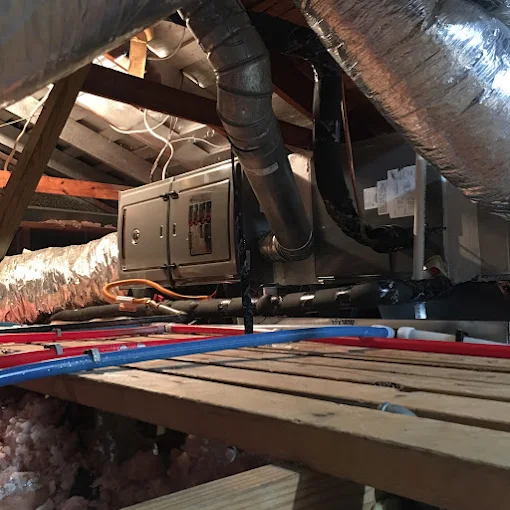
Heating Installation Zoning: Tailored Warmth Everywhere
On a chilly January morning in The Woodlands, it’s not unusual for one room in a home to feel like a sauna while another feels like a walk-in cooler. Families crank up the thermostat to warm that cold back bedroom, only to overheat the living room and waste energy. As newer neighborhoods go up and older homes get additions, this uneven comfort is becoming more common—and more expensive.
According to the U.S. Department of Energy, heating and cooling account for about 40–50% of a typical home’s energy use. In Southeast Texas, where humidity and temperature swings can be dramatic, poorly balanced systems can drive those costs even higher. Zoning your heating system is one of the most effective ways to fix uneven temperatures and cut wasted energy at the same time.
This guide explains how heating installation zoning works, why it’s such a smart upgrade for homes and small businesses in The Woodlands, and what to consider when designing a system. You’ll see real examples, cost comparisons, and practical tips to help you decide if zoning is right for your property.
Key Insight: Properly designed zoning doesn’t just add more thermostats—it reshapes how your heating system delivers comfort, room by room, so you heat the spaces you use, not the ones you don’t.
How Heating Zoning Works: More Than Just Extra Thermostats
Zoning is the process of breaking your home or building into separate “zones” that can be heated independently. Instead of one thermostat controlling the entire property, each zone has its own thermostat and controls a dedicated part of the system—usually through motorized dampers in the ductwork or through separate equipment such as ductless systems or heat pumps.
In a typical forced-air system, your furnace pushes warm air through ductwork to every register at once. With a zoned system, motorized dampers open and close to send that warm air only where it’s needed. A central control board coordinates the furnace or air handler with the thermostats and dampers to prevent short cycling or equipment strain.
“True zoning is about control and balance, not just adding gadgets.” — Senior Installer, Conley Cooling and Heating
For example, a two-story home in Alden Bridge might be divided into:
- Zone 1: First-floor living areas and kitchen
- Zone 2: Second-floor bedrooms
- Zone 3: Home office and bonus room over the garage
Each zone gets its own thermostat and schedule. At night, the bedroom zone stays warm, while the first floor can be set a few degrees cooler to save energy. During the day, the home office can be kept comfortable without overheating unused bedrooms.
This foundation—equipment, dampers, controls, and thermostats—sets the stage for all the comfort and efficiency benefits zoning can bring.
Why Zoning Matters in The Woodlands’ Unique Climate
The Woodlands has a climate that keeps HVAC systems busy year-round. Mild winters, sudden cold fronts, and high humidity mean your heating and cooling system has to be flexible. Homes with big windows facing the lake, open floor plans, or above-garage bonus rooms often struggle with temperature swings.
Several local factors make zoning especially valuable here:
- Two-story and tall-ceiling homes: Warm air rises, making upstairs rooms hotter in summer and sometimes cooler in winter. Zoning helps correct that natural imbalance.
- Large footprints and additions: Many homes in The Woodlands have been expanded over time. New rooms often don’t get ideal airflow from the original duct design.
- Mixed-use spaces: More residents are working from home, so one room may need a different schedule and temperature than the rest of the house.
A recent project in Creekside Park involved a 3,600-square-foot home where the upstairs bedrooms were always cooler than the downstairs living area on cold nights. The homeowners were constantly adjusting vents and running space heaters. We redesigned the ductwork, added zoning with separate thermostats for each floor, and integrated a smart control system. Their gas usage dropped noticeably the following winter, and more importantly, the kids stopped complaining about cold rooms.
“Zoning solved a comfort problem we’d lived with for years—and our utility bill finally makes sense.” — Homeowner in Creekside Park
Beyond comfort, zoning supports high-performance systems like energy efficient heat pump systems and variable-speed furnaces, which are increasingly popular in The Woodlands for their lower operating costs and quieter operation.
Designing Smart Zones: Rooms, Lifestyles, and Ductwork
A smart zoning design starts with how you actually use your home or building—not just how it looks on a floor plan. The goal is to group rooms that share similar usage patterns and temperature needs, while respecting how the ductwork is laid out.
Typical residential zones might include:
- Sleeping zone: All or most bedrooms and associated bathrooms
- Living zone: Kitchen, family room, dining room, main living spaces
- Work or hobby zone: Home office, workshop, media room
- Low-use zone: Guest rooms, formal dining, or bonus spaces
For a home in Cochran’s Crossing, we created three zones:
1. Main living and kitchen (high use, most of the day)
2. Master suite and nursery (evening and night comfort priority)
3. Guest rooms and formal dining (rarely used, lower priority)
This allowed the homeowners to keep the nursery a steady 72°F at night while letting the guest wing drift cooler, saving energy without sacrificing comfort.
When designing zones, a skilled contractor will:
- Evaluate existing duct sizes, runs, and layout
- Check for hot and cold spots with temperature readings
- Consider solar gain from large windows or west-facing rooms
- Review your schedule, work-from-home needs, and comfort preferences
- Ensure the equipment can safely operate when only one zone is calling
This last point is crucial. If a powerful furnace is pushing air into a very small zone without proper bypass or staging controls, you can damage equipment or create noise and drafts. That’s why zoning should always be designed and installed by an experienced residential heating installation contractor, not pieced together with off-the-shelf parts.
Zoning Options: Traditional Ducted, Ductless, and Hybrid Systems
Zoning can be accomplished in several ways, depending on your existing system, budget, and comfort goals. In The Woodlands, we commonly see three main approaches: ducted zoning with dampers, ductless zoning with mini splits, and hybrid systems that combine both.
Comparison: Traditional Single-Zone vs. Zoned System
| Feature | Traditional Single-Zone System | Zoned Heating System |
|---|---|---|
| Thermostats | 1 | 2–8+ (depending on design) |
| Temperature control | Whole home same setpoint | Room/area-specific temperatures |
| Energy use | Heats all spaces equally | Heats only occupied zones |
| Comfort in problem areas | Often poor (hot/cold spots) | Targeted, adjustable comfort |
| Upfront cost | Lower | Higher (equipment + controls) |
| Long-term savings | Limited | Moderate to significant, especially in large homes |
| Best suited for | Small, open homes | Larger, multi-story or complex layouts |
Ducted Zoning
This is the most common approach for homes with existing central furnaces. Motorized dampers are installed in the ductwork, and a zoning control panel coordinates the system. Ducted zoning pairs well with:
- furnace and heating system installation
- high efficiency furnace systems
- Variable-speed blowers and multi-stage furnaces
Ductless and Multi-Zone Mini Splits
For homes with rooms that are hard to reach with ductwork—like finished garages, sunrooms, or guest suites—a ductless mini split installation can create independent zones without touching existing ducts. Multi-zone systems can serve several rooms from one outdoor unit.
A homeowner near Hughes Landing added a ductless system to a glass-heavy sunroom that was always 5–7 degrees off from the rest of the house. Rather than redesign the entire duct system, we installed a compact wall-mounted unit. The sunroom became usable year-round, and the main furnace no longer overworked trying to heat that space.
Hybrid Zoning
In some cases, the best approach is a combination: ducted zoning for the main house plus a separate ductless zone for problem areas. This is especially effective in custom homes or where additions were built years after the original structure.
“The best zoning system is the one you barely notice—because every room just feels right.” — Conley Cooling and Heating Design Team
Zoning, Smart Thermostats, and Energy Savings
Modern zoning really shines when paired with advanced controls and thermostats. Instead of manually adjusting each thermostat throughout the day, you can create schedules, use occupancy sensors, and even control everything from your phone.
Smart controls coordinate:
- When each zone heats up or cools down
- How quickly temperatures change (to avoid overshooting)
- How the furnace or heat pump stages or modulates output
- Integration with humidity and indoor air quality systems
For instance, a family in Sterling Ridge with a home office and three school-age kids set up their system so:
- Bedrooms warm up from 5:30–7:30 AM and 8:00–10:00 PM
- The home office zone stays comfortable from 8:00 AM–5:00 PM
- The main living area adjusts based on occupancy sensors in the evenings
They integrated a smart thermostat in each zone using professional thermostat installation services, ensuring compatibility with their variable-speed furnace and heat pump.
In The Woodlands, where winter temperatures can swing from the 40s to the 70s in a single day, smart zoning allows your system to adapt without constant manual changes. Many homeowners see reduced run times and more stable comfort, especially when combined with seasonal heating service and maintenance to keep equipment operating at peak efficiency.
Cost, ROI, and Long-Term Benefits of Zoning in The Woodlands
The big question many homeowners ask is: “Is zoning worth the cost?” The answer depends on your home, your comfort issues, and how you use your space—but for many in The Woodlands, the long-term benefits are compelling.
Typical Cost Considerations
- Number of zones (2–4 is common in residential homes)
- Complexity and accessibility of existing ductwork
- Need for new equipment (e.g., upgrading to a variable-speed furnace or heat pump installation services)
- Type of controls and thermostats selected
While exact prices vary, adding zoning to a new system installation is generally more cost-effective than retrofitting an older system. In some local projects, homeowners have recouped the additional cost in 3–7 years through lower utility bills and reduced use of supplemental heating.
Local Cost/Benefit Snapshot
| Factor | No Zoning (Single Zone) | Zoned System in The Woodlands |
|---|---|---|
| Upfront equipment cost | Lower | Higher (controls, dampers, possible ductwork) |
| Monthly utility bills | Higher in large/multi-story homes | Lower due to targeted heating |
| Comfort complaints | Frequent in problem rooms | Significantly reduced |
| Equipment lifespan | Potentially shorter (more cycling) | Often longer (optimized run times) |
| Flexibility for additions | Limited | Easier to integrate future zones |
A recent retrofit for a 4,200-square-foot home near Market Street combined zoning with a new high-efficiency furnace. The homeowner reported utility bill reductions of 15–20% over the first year, plus the intangible benefit of consistent comfort in a previously cold upstairs playroom.
“We stopped fighting over the thermostat. Everyone can have their own comfort zone, literally.” — Homeowner, Market Street area
Beyond dollars, zoning can reduce wear and tear on equipment, lessen the temptation to use unsafe space heaters, and increase your home’s perceived value and marketability.
What This Means for Businesses in The Woodlands
While most examples focus on homes, zoning is just as important for small businesses and commercial spaces in The Woodlands. Offices, retail stores, medical suites, and restaurants often struggle with uneven temperatures between front-of-house, back offices, kitchens, and storage areas.
A local professional services firm in The Woodlands Town Center had a classic problem: the conference room was freezing during meetings, while the reception area felt stuffy. Their single-thermostat system couldn’t handle varying occupancy and equipment loads. By redesigning their system with separate zones for reception, offices, and the conference room, and integrating commercial-grade controls, we helped them keep clients comfortable while avoiding employee complaints.
For businesses, zoning can:
- Improve customer and employee comfort, which impacts satisfaction and productivity
- Reduce energy waste in low-occupancy areas such as storage rooms or rarely used meeting spaces
- Support specialized needs like server rooms or medical equipment areas that require tighter temperature control
Pairing zoning with commercial heating installation contractor services or commercial ac services allows building owners and managers to align HVAC operation with business hours, occupancy, and specific use cases in each part of the building.
In a competitive local market like The Woodlands, where customers have plenty of choices for dining, shopping, and services, providing a consistently comfortable environment is part of your brand experience. Zoning gives you the control to deliver that experience without overspending on energy.
Frequently Asked Questions
Q: Is zoning only worth it for large homes, or does it make sense for smaller houses in The Woodlands too?
A: Zoning delivers the biggest energy savings in larger, multi-story homes, but even smaller homes can benefit if they have problem areas or unique layouts. A one-story home in The Woodlands with a big south-facing sunroom or an over-garage bonus room might justify a separate zone or a dedicated ductless mini split installation. The key is whether you have consistent hot/cold spots or rooms that are used at very different times. A professional evaluation can identify whether simple balancing, minor duct repair services, or full zoning is the best value for your specific home.
Q: Can my existing furnace or heat pump be zoned, or do I need a new system?
A: Many existing systems can be zoned, but it depends on their capacity, blower type, and duct layout. Older single-stage furnaces can sometimes be zoned with careful design, but they may short cycle or run noisily if zones are too small. Newer variable-speed or multi-stage systems pair especially well with zoning. If your equipment is already 10–15 years old, it may be more cost-effective to combine zoning with a new furnace installation and replacement or residential heat pump replacement to maximize efficiency and comfort.
Q: Will zoning damage my ductwork or shorten my system’s life?
A: Properly designed zoning should actually reduce strain on your system, not increase it. Problems arise when dampers are added without calculating airflow, bypass needs, or equipment staging. That’s why it’s important to work with an experienced hvac ductwork installation contractor or zoning specialist who understands static pressure, load calculations, and manufacturer guidelines. When done correctly, zoning often leads to smoother operation, fewer on/off cycles, and extended equipment life. It can also highlight opportunities for hvac duct sealing and repair to further improve performance.
Q: How does zoning work with smart thermostats and Wi-Fi controls?
A: Each zone typically has its own thermostat, and these can be smart or Wi-Fi enabled. A central control panel coordinates the thermostats with the furnace or heat pump. With professional wifi thermostat setup and repair, you can manage all zones from a single app, create schedules for each area, and even use geofencing to adjust temperatures when you leave or return. For busy families or businesses in The Woodlands, this level of control makes it easier to save energy without constantly fiddling with settings.
Q: Will zoning help with humidity and indoor air quality, or just temperature?
A: Zoning primarily addresses temperature and airflow, but it can indirectly help humidity and air quality. By running the system more consistently in occupied zones, you can improve filtration and dehumidification where it matters most. For best results, many homeowners combine zoning with hvac humidity control systems or indoor air quality solutions such as whole-home filtration or purification. In The Woodlands’ humid climate, pairing zoning with whole home dehumidifier installation or air filtration system installation can create a much healthier, more comfortable environment.
Q: How long does a typical zoning installation take, and will we be without heat?
A: Most residential zoning projects in The Woodlands can be completed in one to three days, depending on the complexity and whether ductwork changes are needed. Your contractor should plan the work to minimize downtime, often keeping at least partial heating available during the project. If you’re combining zoning with a full new heating system installation near me or duct redesign, your installer will schedule the job carefully and keep you informed so there are no surprises. Many homeowners choose to schedule these projects during milder weather for added convenience.
Q: Is zoning noisy? Will I hear dampers opening and closing?
A: Quality zoning systems are designed to operate quietly. Motorized dampers are typically installed in accessible areas of the ductwork and make only a brief, low sound when moving. With a properly sized and balanced system, you should not hear loud rushing air or banging ducts. If noise is a concern, your contractor can specify quieter components and ensure ducts are secured and insulated. During design, we also look for opportunities to address existing noise issues, such as undersized return air or poorly supported duct runs.
Ready to Get Started?
If you’re tired of fighting over the thermostat or living with rooms that never feel quite right, this is an ideal time to explore zoning. Cooler months in The Woodlands are when uneven heating is most obvious—and also when your system is working hardest. Addressing zoning now can prevent another season of discomfort and high bills, and it gives you time to plan any needed upgrades before extreme weather returns.
The next step is a professional assessment of your current system, ductwork, and comfort issues. A qualified technician will walk your home or business with you, take measurements, inspect ducts, and discuss how you use each space. From there, you’ll receive a clear proposal that may include zoning, duct improvements, and control upgrades such as smart thermostats.
Whether you’re planning a full furnace and heating system installation, integrating energy efficient ductless systems, or simply want to know your options, Conley Cooling and Heating is ready to help. Our team lives and works in The Woodlands area, and we design systems around the way our neighbors actually live and work—not just what looks good on paper.
About Conley Cooling and Heating
Conley Cooling and Heating is a locally focused HVAC company serving The Woodlands, TX, and surrounding communities. Our team specializes in comfort-focused system design, from zoning and smart controls to high-efficiency furnaces, heat pumps, and indoor air quality solutions. We follow industry best practices and manufacturer standards on every project, whether it’s a small duct repair or a full system replacement. To learn more about our services and history in the area, visit our website below.