
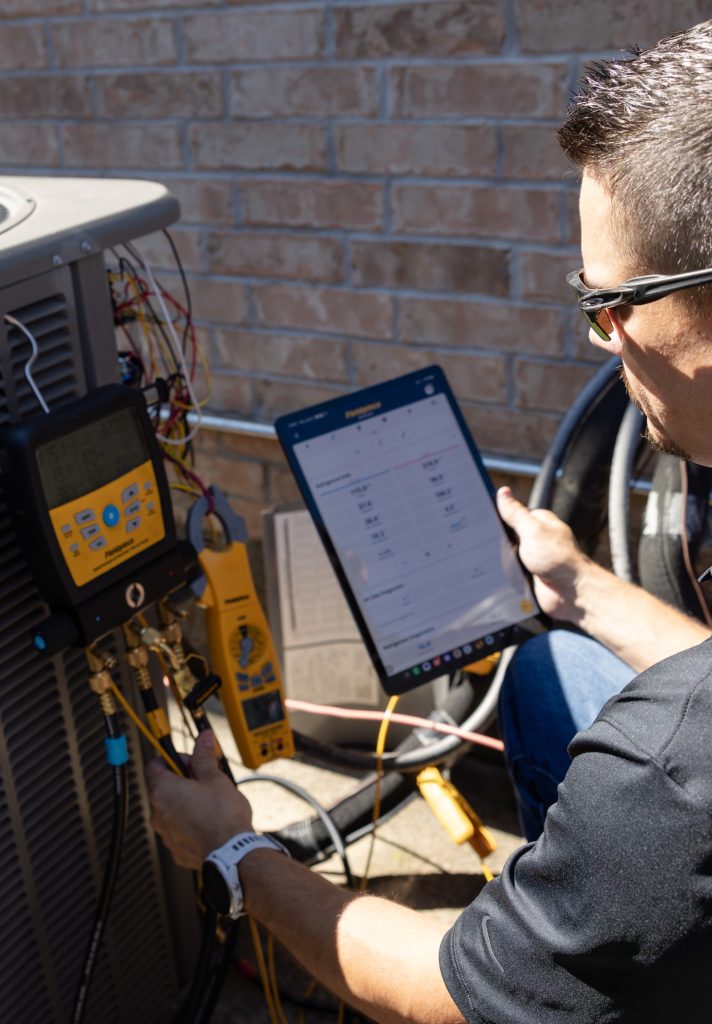
Duct Installation: Key to Energy Efficiency
Most business owners and property managers in The Woodlands think about their air conditioner, not the sheet metal or flex duct hidden above the ceiling tiles. Yet in many commercial buildings, 20–30% of conditioned air is lost through leaky or poorly installed ductwork, according to the U.S. Department of Energy. That’s money you’re paying to cool or heat attic space and wall cavities instead of your customers and staff.
In a climate like ours—hot, humid, and running HVAC nearly year‑round—those losses add up quickly. Higher utility bills, uneven temperatures, and overworked equipment are all symptoms of duct systems that weren’t designed or installed with efficiency in mind. For businesses in The Woodlands, that can mean thousands of dollars a year in unnecessary operating costs.
This guide walks you through why duct installation is such a big lever for energy efficiency, how to recognize problems, and what modern, properly designed duct systems can do for your comfort and bottom line. You’ll also see local examples, practical tips, and options if you’re planning new construction, a retrofit, or a full air conditioning installation services project.
Key Insight: Thoughtful duct design and professional installation can improve HVAC efficiency by 20–40%, reduce hot and cold spots, and extend system life—often without upgrading your equipment.
Why Ductwork Is the “Hidden Engine” of Your HVAC Efficiency
Your furnace, heat pump, or rooftop unit gets most of the attention, but ducts determine how effectively that equipment can do its job. Even the most advanced system will struggle if the air it conditions never reaches the rooms that need it.
In many commercial and light industrial spaces around The Woodlands, we see the same pattern:
- Undersized ducts that choke airflow and force systems to run longer
- Long, winding flex runs added over the years without a plan
- Disconnected or poorly sealed joints in hot attics
- Return air paths that are too small or missing entirely
A retail shop off Research Forest Drive recently called about “constant AC problems.” They’d already paid for multiple air conditioning repair services with another company, but issues kept coming back: short cycling, noisy vents, and high bills. When we inspected the ductwork, we found nearly 25% leakage at the plenum and several crushed flex lines. After redesigning and reinstalling key duct runs, the same equipment cooled more evenly, and their energy usage dropped noticeably on the very next billing cycle.
“If your ducts are wrong, your system will never be right—no matter how new or expensive your equipment is.” — Senior Installer, Conley Cooling and Heating
Properly installed ducts do three critical things:
- Deliver the right amount of air to each space
- Return enough air to your equipment without restriction
- Maintain air temperature and quality along the way
When those fundamentals are in place, everything else—comfort, efficiency, system life—gets better.
Designing for Efficiency: What Good Duct Installation Looks Like
Energy-efficient duct systems don’t happen by accident. They’re the result of careful planning, adherence to standards like ACCA Manual D, and on‑site craftsmanship. In The Woodlands, where we combat intense heat and humidity, design details matter even more.
A well‑designed duct system considers:
- Load calculations: Matching airflow to room-by-room heating and cooling needs
- Duct sizing: Larger isn’t always better; it must be right-sized for quiet, efficient airflow
- Layout: Shortest practical runs, minimal sharp turns, and balanced supply/return placement
- Insulation and sealing: Especially in attics and mechanical rooms exposed to our Texas heat
- Zoning needs: Different areas (server rooms, kitchens, open offices) often need different control
For example, a professional office near Hughes Landing was planning a remodel and new heating installation services. Instead of just swapping rooftop units, we redesigned the duct layout to serve new glass-front offices facing south. By resizing and rerouting ducts, and adding properly placed returns, we kept those sun-exposed spaces comfortable without oversizing the equipment. Their new system now runs fewer hours per day than the old one, despite higher occupancy.
CALLOUT: A properly designed duct system can allow you to install smaller, more efficient HVAC equipment—saving upfront and long-term costs.
When you pair good duct design with professional thermostat installation services (including zoning and smart controls), you can fine-tune comfort and energy use in ways older systems simply can’t.
New Construction vs. Retrofit: Choosing the Right Duct Strategy
The approach to duct installation depends heavily on whether you’re building new, renovating, or solving long‑standing comfort issues in an existing building. Each scenario in The Woodlands has its own challenges and opportunities.
New Construction Duct Installation
New buildings and tenant buildouts give you a clean slate. With new construction duct installation, we can:
- Integrate ducts with architectural plans for minimal conflicts
- Optimize routes to avoid long, inefficient runs
- Plan for future expansion or zoning changes
- Coordinate with other trades to keep ducts out of hot, tight spaces
A small medical office near St. Luke’s in The Woodlands opted for a full design‑build approach. By collaborating early, we kept major ducts within conditioned space and used high‑R insulation where attic runs were unavoidable. The result: quieter operation and lower utility bills—critical for facilities running HVAC 24/7.
Retrofit and Replacement Ductwork
Existing buildings are more complex. Ceiling heights, structural elements, and previous “band‑aid” fixes can make duct upgrades feel daunting. But targeted duct repair services or partial replacements often deliver big gains without major disruption.
We frequently:
- Replace sections of undersized or damaged duct
- Add returns to eliminate negative pressure and hot spots
- Rebalance airflow after a new professional ac system installation
- Seal and insulate critical runs to stop energy loss
“Retrofit projects are where you see the biggest ‘before and after’ difference in comfort. The duct system finally matches how the building is actually used.” — Project Manager, Conley Cooling and Heating
Whether you’re a restaurant on Market Street or a warehouse off FM 1488, the right duct strategy depends on how your space is built and how you use it day to day.
Modern Duct Systems vs. Older Installations
Many businesses in The Woodlands operate in buildings that are 15–30 years old. The ductwork often reflects older practices that predate today’s energy standards and comfort expectations. Here’s how traditional installations stack up against modern, efficiency‑focused duct systems:
| Aspect | Older / Traditional Ductwork | Modern, Efficient Duct Systems |
|---|---|---|
| Design Method | Rule-of-thumb sizing, minimal calculations | ACCA Manual J/D, load-based sizing |
| Duct Sealing | Tape only, gaps common | Mastic, UL-rated tape, tested for leakage |
| Location of Ducts | Long attic runs in unconditioned space | Shorter runs, more ducts inside conditioned areas |
| Insulation Level | Low R-value or degraded insulation | High R-value, continuous insulation |
| Airflow Balancing | Few or no balancing dampers | Balancing dampers and measured airflow |
| Control & Zoning | Single thermostat, one zone | Multiple zones, smart controls, wifi thermostat setup and repair |
| Maintenance Access | Limited access, hard to inspect | Planned access points and serviceability |
A manufacturing office near I‑45 North saw these differences firsthand. Their original duct system had long, uninsulated runs over a hot warehouse. After installing a new, zoned system with properly sealed and insulated ducts, their summer electric bills dropped by over 20%, even before any rebates.
For some properties, especially smaller suites or spaces with no duct access, a hybrid approach using ductless mini split installation for problem areas can complement existing ducts while avoiding major construction.
Ducts, Air Quality, and Comfort: More Than Just Energy
Energy efficiency is a major benefit of quality duct installation, but it’s not the only one. Ducts also play a central role in indoor air quality and day‑to‑day comfort—two areas increasingly important to businesses attracting customers and employees in The Woodlands.
Poorly installed or aging ducts can:
- Pull dust, fiberglass, and attic pollutants into your breathing air
- Create pressure imbalances that draw in humid outdoor air
- Contribute to odors and mustiness that are hard to track down
- Spread contaminants quickly from one area to another
A daycare facility near Creekside Park experienced recurring odor issues and allergy complaints. The HVAC equipment was relatively new, and filters were changed regularly, but the problems persisted. Our inspection revealed gaps in the return ductwork, pulling air from a dusty attic and a janitor closet. After sealing, cleaning, and applying targeted duct fogging services, complaints dropped dramatically.
“Air quality isn’t just about filters—it’s about how air moves through the entire system.” — Indoor Air Quality Specialist, Conley Cooling and Heating
When we install or modify duct systems, we often pair the work with:
- air purification system installation for high‑traffic or sensitive environments
- whole house air filtration services or HEPA options where appropriate
- humidity control services to manage mold risk and comfort
In a region as humid as Montgomery County, controlling where air comes from, how it moves, and how it’s filtered is just as important as temperature. Good duct installation gives you that control.
Duct Installation Options: Central Systems, Ductless, and Heat Pumps
Not every building in The Woodlands is best served by the same type of system. Duct installation is a chance to step back and consider whether traditional central air is the right fit—or if a mix of solutions would serve you better.
Central Ducted Systems
Most offices, retail spaces, and light industrial sites use central ducted systems. When designed and installed correctly, they offer:
- Even comfort across large, open areas
- Centralized filtration and purification
- Easier integration with furnace and heating system installation or heat pump installation services
Ductless Mini-Splits
For older buildings in The Woodlands with limited ceiling space or no existing ducts, energy efficient ductless systems can be a smart alternative:
- Ideal for server rooms, conference rooms, or add‑on spaces
- Allow different temperatures in different zones
- Avoid energy loss associated with long duct runs
We recently helped a small law office in the Town Center area solve a “too hot conference room” problem by adding a mini split ac installation contractor solution instead of trying to push more air through already maxed‑out ducts. The targeted system cost less than reworking the entire duct layout and gave them independent control during client meetings.
Heat Pumps and Dual Fuel Systems
Modern energy efficient heat pump systems and dual fuel setups use the same duct network for both heating and cooling. With proper duct design, these systems can:
- Reduce gas usage while maintaining comfort
- Provide efficient heating even during our occasional cold snaps
- Integrate with existing ducts when sized and balanced correctly
CALLOUT: Your duct choices should support your long‑term HVAC strategy—whether that’s all‑electric, dual fuel, or a mix of central and ductless systems.
Cost, Payback, and Practical Steps for The Woodlands Businesses
Upgrading or reinstalling ductwork is an investment, and most business owners want to understand the payback. In our local market, the numbers are often compelling, especially in spaces with long runtime hours.
Typical Local Improvements
- Duct sealing and targeted repairs: 10–20% energy savings
- Full duct redesign with new equipment: 20–40% efficiency gains
- Adding zoning and smart controls: 10–15% additional savings in many buildings
For a mid‑size office in The Woodlands with $1,500–$2,000 monthly electric bills in summer, even a 15–20% reduction can add up to several thousand dollars per year. Over the 10–15 year life of a system, that’s a substantial return.
| Project Type | Typical Scope (Local) | Potential Benefit in The Woodlands Climate |
|---|---|---|
| Duct Sealing & Minor Repairs | Seal joints, fix disconnects, add insulation | Lower bills, quieter system, fewer hot/cold spots |
| Partial Duct Replacement | Replace key runs, add returns, rebalance airflow | Better comfort, improved equipment performance |
| Full Duct Redesign + Equipment Upgrade | New layout, new units, zoning, smart controls | Maximum efficiency, long-term operating cost reduction |
| Hybrid: Ducted + Ductless Additions | Keep main ducts, add ductless for problem areas | Targeted comfort, avoids major construction |
Practical Next Steps
For most businesses in The Woodlands, a smart path looks like this:
- Schedule a duct and system evaluation
- Review airflow measurements, leakage test results, and comfort complaints
- Prioritize fixes that deliver the biggest impact for your budget
- Plan duct work alongside any upcoming furnace installation and replacement or AC upgrades
What This Means for Businesses in The Woodlands, TX
The Woodlands isn’t a mild climate market. Your HVAC system works hard almost every month of the year, and electricity rates aren’t going down. That makes duct installation and repair one of the most strategic facility decisions you can make.
Local buildings face specific challenges:
- High attic temperatures that punish uninsulated or leaky ducts
- Humidity that magnifies the impact of poor airflow and infiltration
- Mixed‑use developments and remodels that leave “Frankenstein” duct systems behind
- Long operating hours in retail, medical, and hospitality spaces
If you’re running a restaurant off Lake Woodlands Drive, a medical office near Memorial Hermann, or a warehouse along I‑45, your comfort complaints and high utility bills may trace back to the same root cause: inefficient ductwork.
By treating duct installation as a core part of your HVAC strategy—not an afterthought—you can:
- Stabilize indoor temperatures and reduce hot/cold complaints
- Cut energy waste without sacrificing comfort
- Extend the life of your equipment by reducing strain
- Improve indoor air quality for employees and customers
For many local businesses, the biggest gains in efficiency and comfort have come not from the “box” on the roof, but from the ducts that connect it to the spaces you care about most.
Frequently Asked Questions
Q: How do I know if my business needs new ductwork or just repairs?
A: The decision usually comes down to condition, design, and performance. During an inspection, we look for crushed or disconnected ducts, poor insulation, and excessive leakage. We also measure airflow and compare it to what your equipment and spaces actually require. If the layout is fundamentally sound and most materials are in decent shape, targeted residential ductwork repair services and sealing can go a long way. If your building has been remodeled multiple times, or you’re seeing widespread comfort issues and high energy bills, a redesign or partial replacement may be more cost‑effective over time. In The Woodlands’ climate, fixing the underlying design often pays for itself through lower utility costs and fewer service calls.
Q: Will duct installation or replacement disrupt my day-to-day operations?
A: It depends on the scope, but we plan projects around your schedule to minimize downtime. For offices and retail spaces in The Woodlands, we often perform the noisiest or dustiest work after hours or on weekends. Many duct repairs—such as sealing, adding returns, or rebalancing—can be done with limited impact on your staff or customers. For larger projects tied to commercial air conditioning installation or commercial heating services, we coordinate phases so that parts of your building remain conditioned while work progresses. Clear communication and staging are key, and we’re used to working in occupied spaces across The Woodlands and surrounding areas.
Q: Can duct upgrades really reduce my energy bills that much?
A: Yes—especially in a hot, humid region like ours. Studies and our field experience both show that sealing and properly sizing ducts can improve HVAC efficiency by 20–40% in some buildings. If you’re running systems long hours, those savings add up quickly. We often combine duct work with air conditioning tune-ups and seasonal heating maintenance services to ensure the equipment itself is operating at peak efficiency. We’re happy to walk you through before‑and‑after utility bills from similar projects in The Woodlands so you can see what’s realistic for a building like yours.
Q: What’s the difference between duct sealing and full duct replacement?
A: Duct sealing focuses on closing gaps and joints where air escapes, often using mastic and UL‑rated tapes. It’s ideal when the overall layout and duct sizes are acceptable, but leakage is high—common in older attics around The Woodlands. Full duct replacement or redesign, on the other hand, addresses issues like undersized trunks, poor layout, or inadequate returns that sealing alone can’t fix. If you’re planning a new gas furnace installation services or upgrading to a higher efficiency system, it’s often smart to evaluate whether your existing ducts can support the new equipment. Otherwise, you risk undercutting the efficiency you’re paying for.
Q: Are ductless mini-splits a better option than traditional ductwork for my space?
A: Ductless systems are a powerful tool, but not a universal replacement. For small offices, stand‑alone suites, or problem rooms in older buildings, ductless mini split installation can be more efficient and less invasive than adding or enlarging ducts. They offer precise temperature control and avoid energy losses from long duct runs. However, for larger open areas, multi‑tenant buildings, or spaces that already have decent duct infrastructure, upgrading and balancing the existing duct system may be the better route. Many businesses in The Woodlands end up with a hybrid solution: central ducts for main areas, plus ductless units for high‑load or special‑use rooms.
Q: How do ducts affect indoor air quality and humidity in my building?
A: Ducts are the highway your air travels on. If they’re leaky or pulling air from unconditioned spaces, they can introduce dust, insulation fibers, and excess humidity into your building. That’s why we often pair duct projects with whole home air purification services, air filtration system installation, or indoor humidity control solutions. In The Woodlands’ climate, controlling humidity is crucial to preventing mold, odors, and comfort complaints. Properly installed ducts help ensure that air is filtered, dehumidified, and delivered where it’s needed—without picking up contaminants along the way.
Q: When is the best time of year to address duct installation or major duct repairs?
A: From a comfort standpoint, spring and fall are ideal because your heating and cooling loads are lower. That gives us more flexibility to work without impacting your staff or customers in The Woodlands. However, if you’re facing serious comfort issues, high bills, or frequent residential air conditioner repair or heating repair calls, it’s usually better to act sooner rather than wait. We regularly complete duct projects during summer and winter by staging the work and using temporary solutions when needed. Addressing the problem now can also prevent emergency breakdowns during peak season, when emergency ac repair near me calls spike and scheduling gets tighter.
Ready to Get Started?
Every month you wait with inefficient ductwork is another month of inflated utility bills and avoidable wear on your HVAC equipment. In The Woodlands, where systems run hard through long, humid summers, that impact compounds quickly. Addressing duct design and installation now can stabilize your operating costs before the next peak season hits—and make your space noticeably more comfortable for everyone who walks through the door.
Conley Cooling and Heating has extensive experience designing, installing, and repairing duct systems for offices, retail stores, medical facilities, and light industrial buildings across The Woodlands and surrounding communities. Whether you’re planning a new build, upgrading equipment, or finally tackling long‑standing comfort problems, we’ll evaluate your current setup, explain your options in plain language, and prioritize solutions that fit your budget and business goals.
If you’re ready to see what a properly installed duct system can do for your efficiency and comfort, reach out today to schedule an on‑site evaluation.
About Conley Cooling and Heating
Conley Cooling and Heating is a locally focused HVAC contractor serving The Woodlands, TX and nearby communities. Our team brings years of hands‑on experience in commercial and residential comfort solutions, from duct design and duct installation services to high‑efficiency system upgrades and indoor air quality improvements. We follow industry best practices, stay current with evolving energy codes, and take pride in clear communication and reliable service. To learn more about our company and services, visit our homepage at Conley Cooling and Heating.